Tracked delivery30-day returns
Back to Bird Hub
Macaw

Macaw Hub

A macaw changes the household. Blue-and-gold, scarlet, green-winged, hyacinth, and Hahn’s macaws are not color versions of one bird; they differ in size, beak power, lifespan, and care threshold. A macaw uses its beak to explore, climb, shred wood, and set boundaries. It may also contact-call simply to know where its people are. These birds can be affectionate and brilliant, but the commitment is measured in decades. A suitable home thinks about space, noise, budget, training, and succession planning before falling in love with the colors.

At a Glance

Size

Large

Lifespan

50-80 years

Noise

Very High

105+ dB

Training

Moderate

Talking

Good

Best For

Experienced parrot homes with space and budget
People planning for a 60-year roommate
Homes ready for loud calls, chewing, and intense bonding

Not For

Noise-restricted renters
People afraid of large beaks and furniture damage
Anyone drawn only by looks without a long plan

Noise Comparison

Where does a Macaw's call sit against familiar everyday sounds?

105 dB·Very High
QuieterLouder

Whisper · 30 dB

Library · 40 dB

Conversation · 60 dB

Vacuum Cleaner · 75 dB

Measured level

105 dB

Quieter than

3 · Rock Concert, Chainsaw

Louder than

5 · Vacuum Cleaner, Lawnmower

Whisper

30 dB

Library

40 dB

Conversation

60 dB

Vacuum Cleaner

75 dB

Lawnmower

90 dB

Rock Concert

110 dB

Chainsaw

120 dB

Jet Engine (100ft)

140 dB

Care Commitment

What does it realistically take to live well with a Macaw?

Beginner fit

Mixed

Needs a steady routine.

Daily Time

4–6 hrs/day

Heavy

Noise

105+ dB

Very loud

Lifespan

50-80 years

Lifetime

Space

Large

Large

Experience

Moderate

Intermediate

Daily reality

Daily life with a Macaw is mostly about noise management, out-of-cage time, and routine.

  • Apartment or thin walls? Be realistic about noise.
  • Enrichment beats punishment for most behavior issues.

Watch-outs

Cost Level

$1,000–$12,000 purchase + $20,000–$40,000 lifetime care

Next steps

Start with the guide for this species, then move into shopping or naming.

About Macaws

Personality

The gentle giants of the parrot world. Macaws are known for their playful, active, and affectionate nature. They require extensive social interaction and heavy-duty toys to exercise their powerful beaks.

Diet

Requires a higher fat diet than other parrots. Include macadamia nuts, walnuts, and specific pellets designed for Macaws alongside fresh veggies.

Behavior

In the wild, Macaws flock in large groups and fly long distances daily. At home, they need spacious aviaries and constant enrichment to prevent boredom.

Varieties & Colors

A macaw changes the household. Blue-and-gold, scarlet, green-winged, hyacinth, and Hahn’s macaws are not color versions of one bird; they differ in size, beak power, lifespan, and care threshold. A macaw uses its beak to explore, climb, shred wood, and set boundaries. It may also contact-call simply to know where its people are. These birds can be affectionate and brilliant, but the commitment is measured in decades. A suitable home thinks about space, noise, budget, training, and succession planning before falling in love with the colors.

5 entriesvisual ID

How They Differ

Macaws are best distinguished by size and facial patch: large macaws (blue-and-gold, scarlet, green-winged) measure 70–90 cm with prominent bare facial patches; mini macaws (Hahn's, Illiger's) are 30–50 cm with smaller patches. Color patterns are the easiest ID tool — blue-and-gold is unmistakable, scarlet shows red-yellow-blue tricolor, and hyacinth is all deep cobalt blue.

How These Varieties Happen

Macaw 'color variations' primarily refer to different species rather than genetic mutations within one species. Color differences between species are dramatic. Captive-bred color mutations are extremely rare.

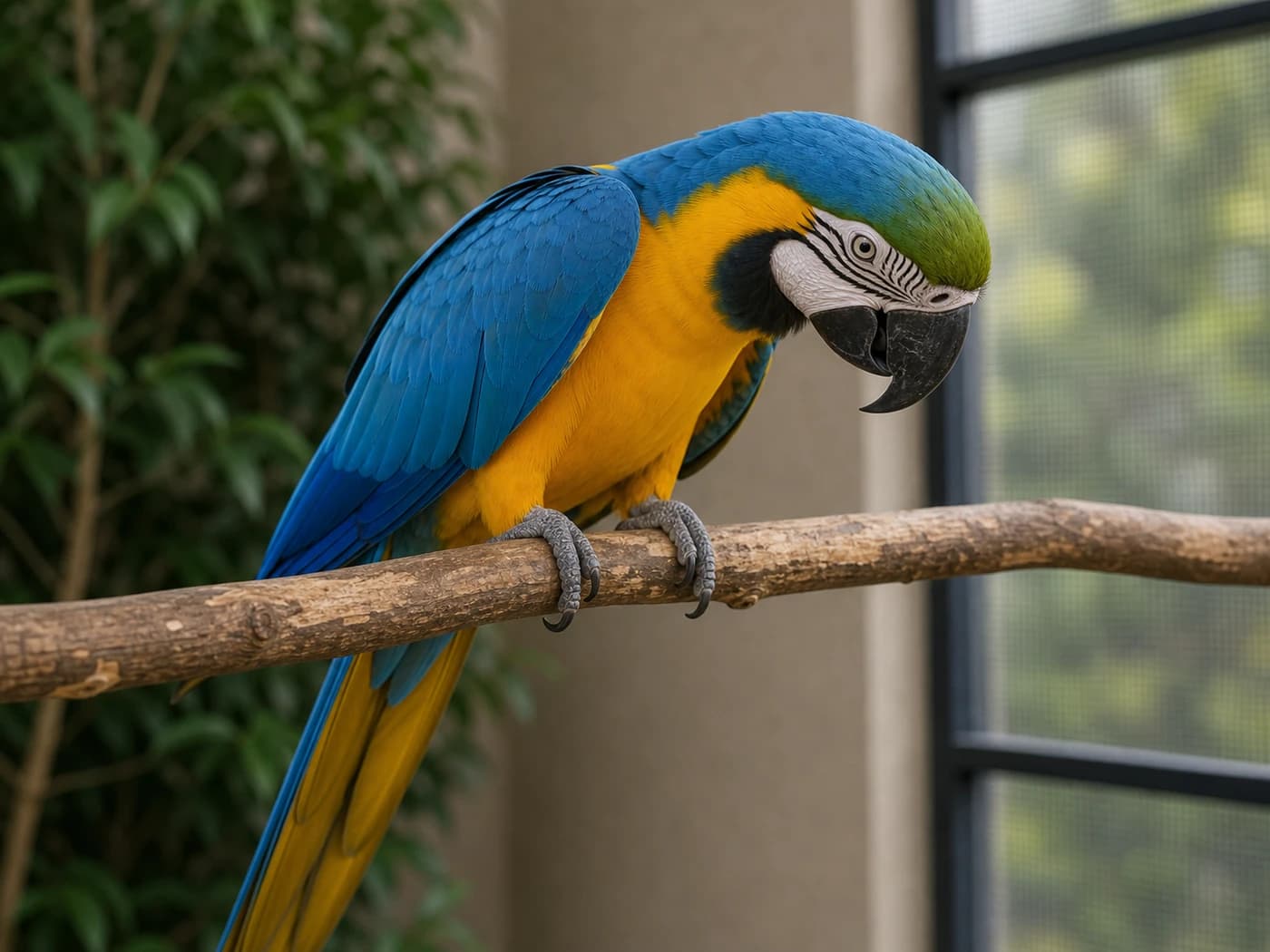
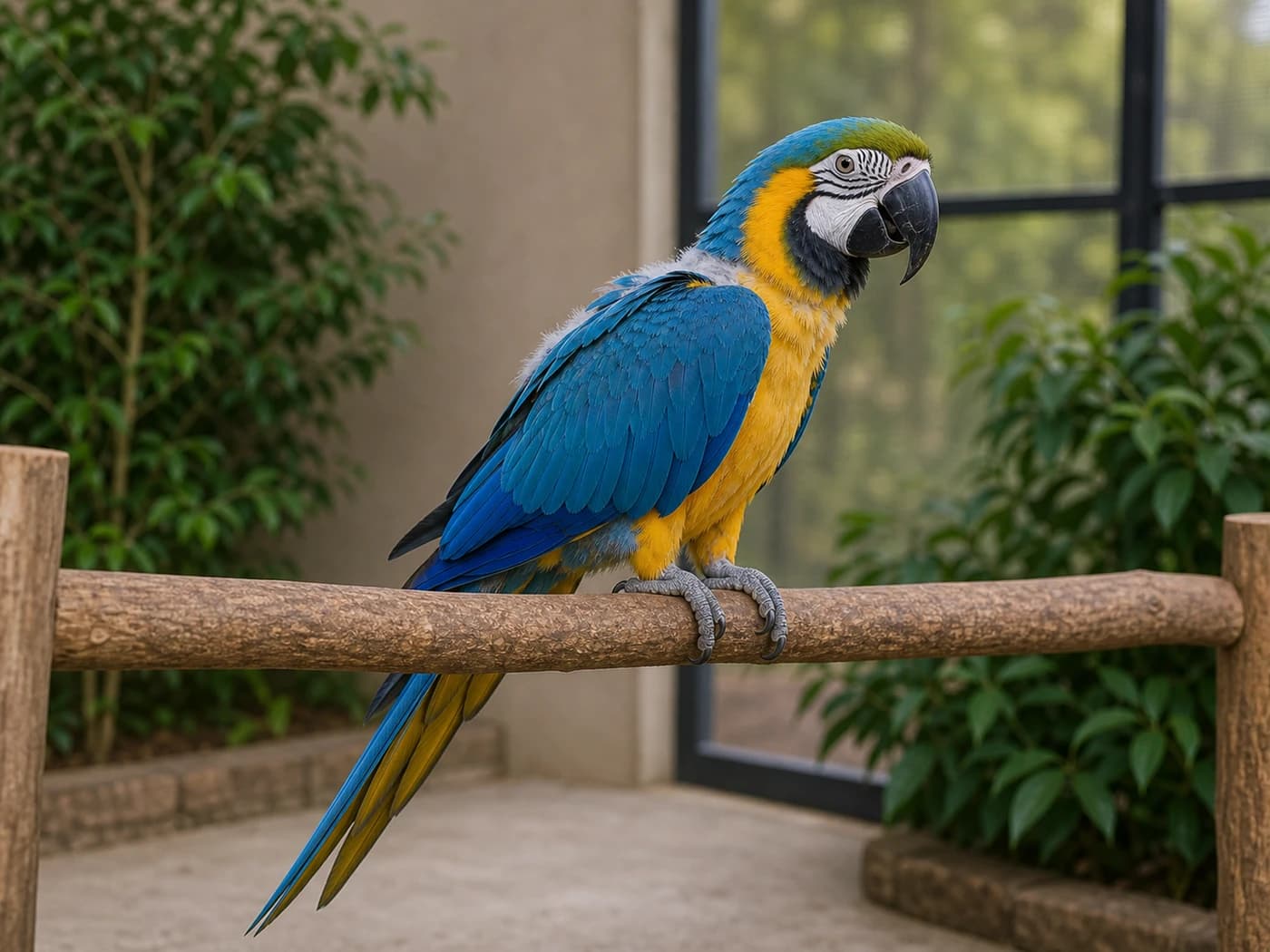
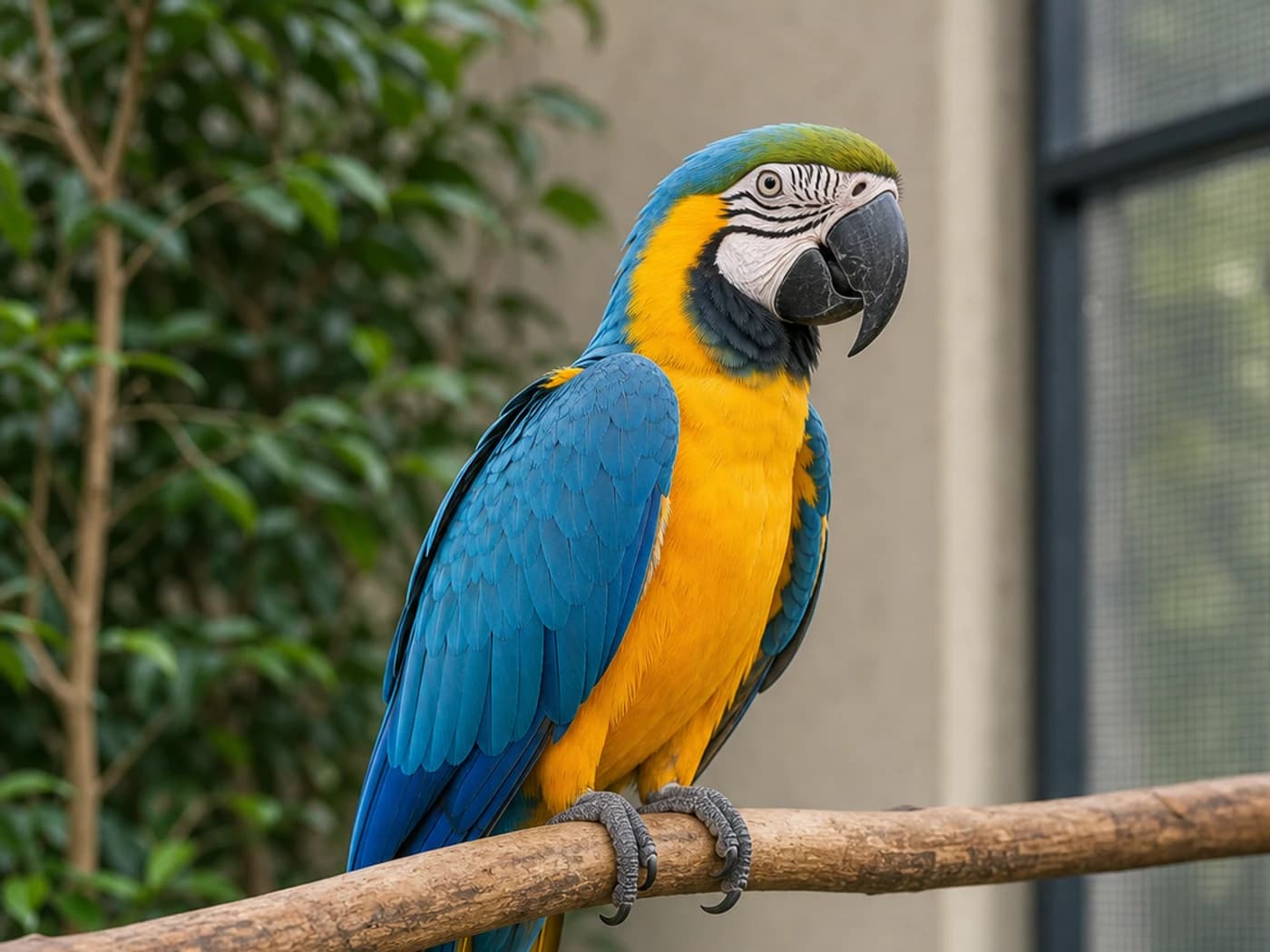
Blue-and-Gold Macaw Macaw realistic reference image

Standard label

Blue-and-Gold Macaw

Blue-and-Gold

Variety

Common names

Blue-and-GoldBlue-and-Yellow MacawAra ararauna

Owner shorthand

Blue-and-gold is the classic macaw - most iconicGetting a blue-and-gold means finding a 60-year roommate

Look

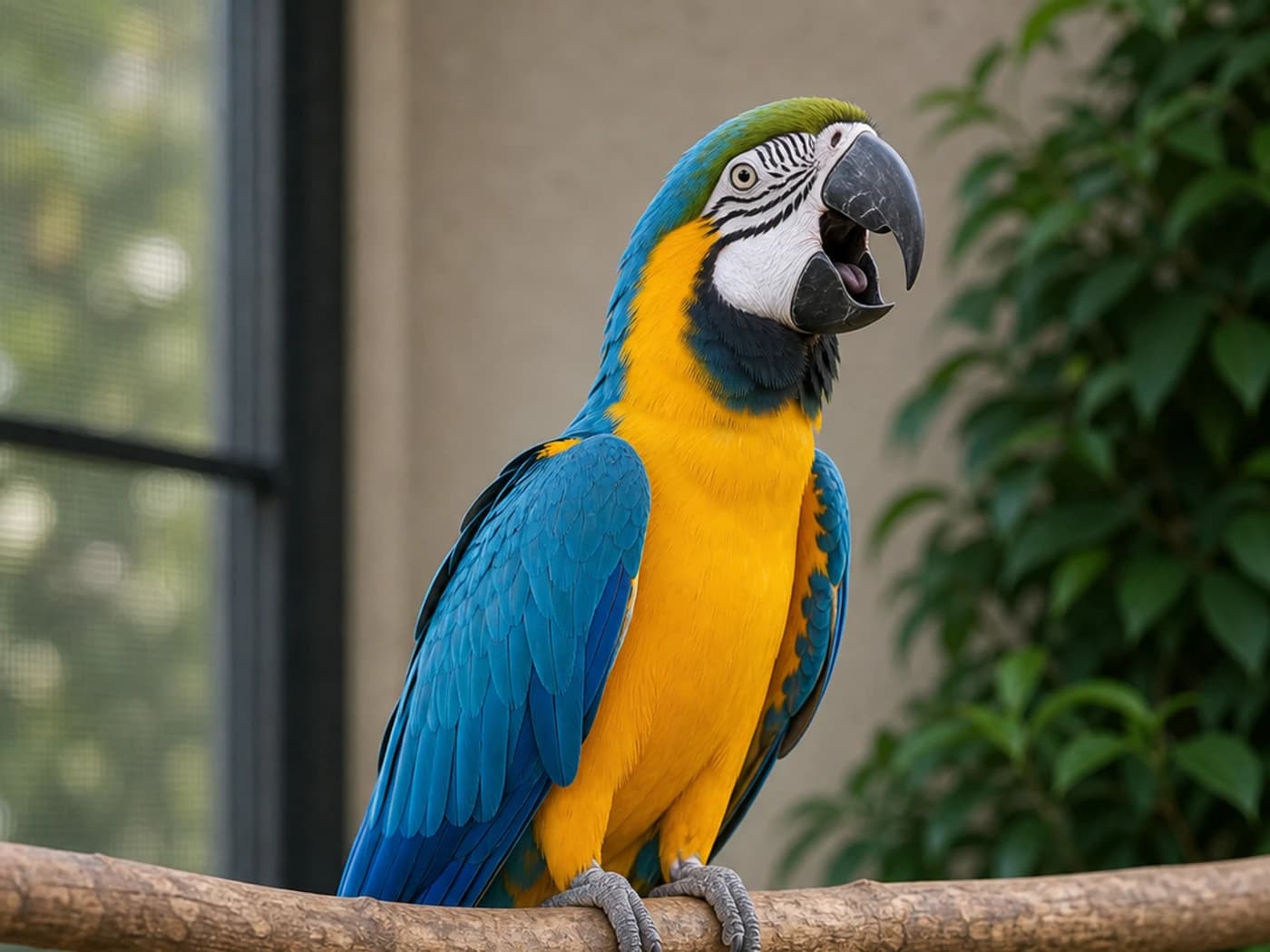
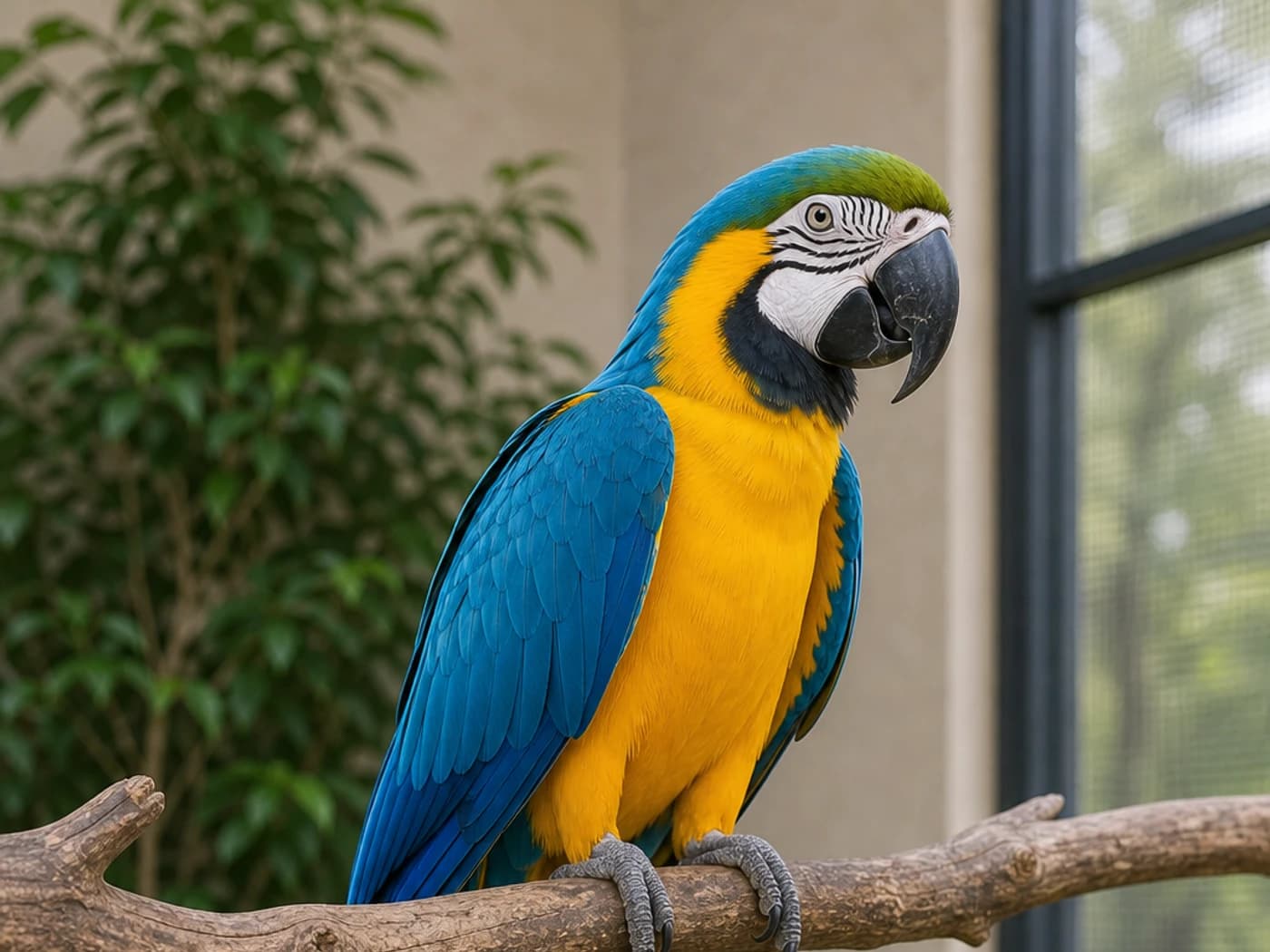
Blue upper body, golden-yellow underparts, white face with black markings. The most common pet macaw.

Genetics

Natural species, not an artificially bred mutation.

Health & care

Robust constitution; lifespan 60-80 years.

Sexing tip

Males and females look identical; DNA testing or surgical sexing required.
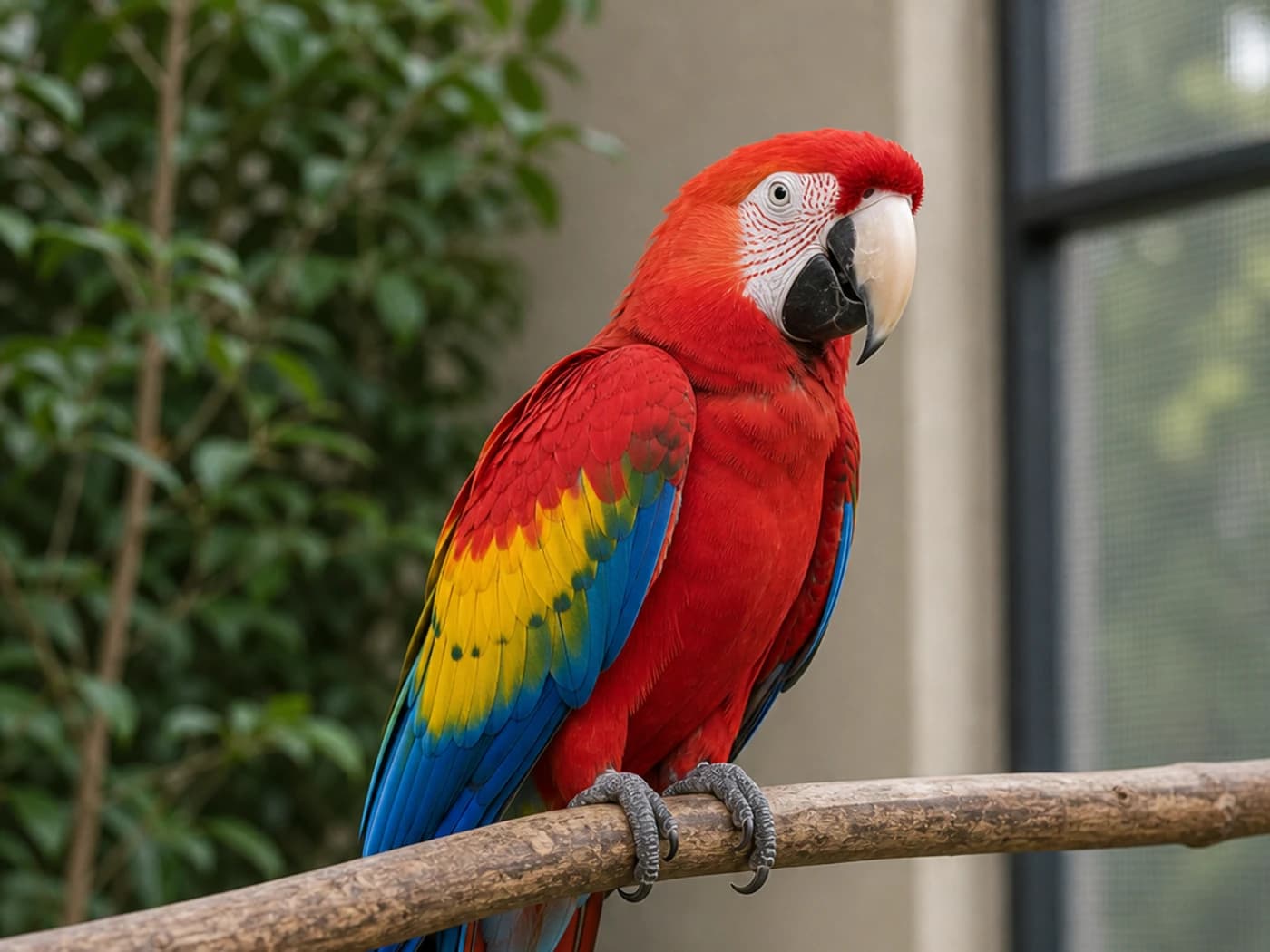
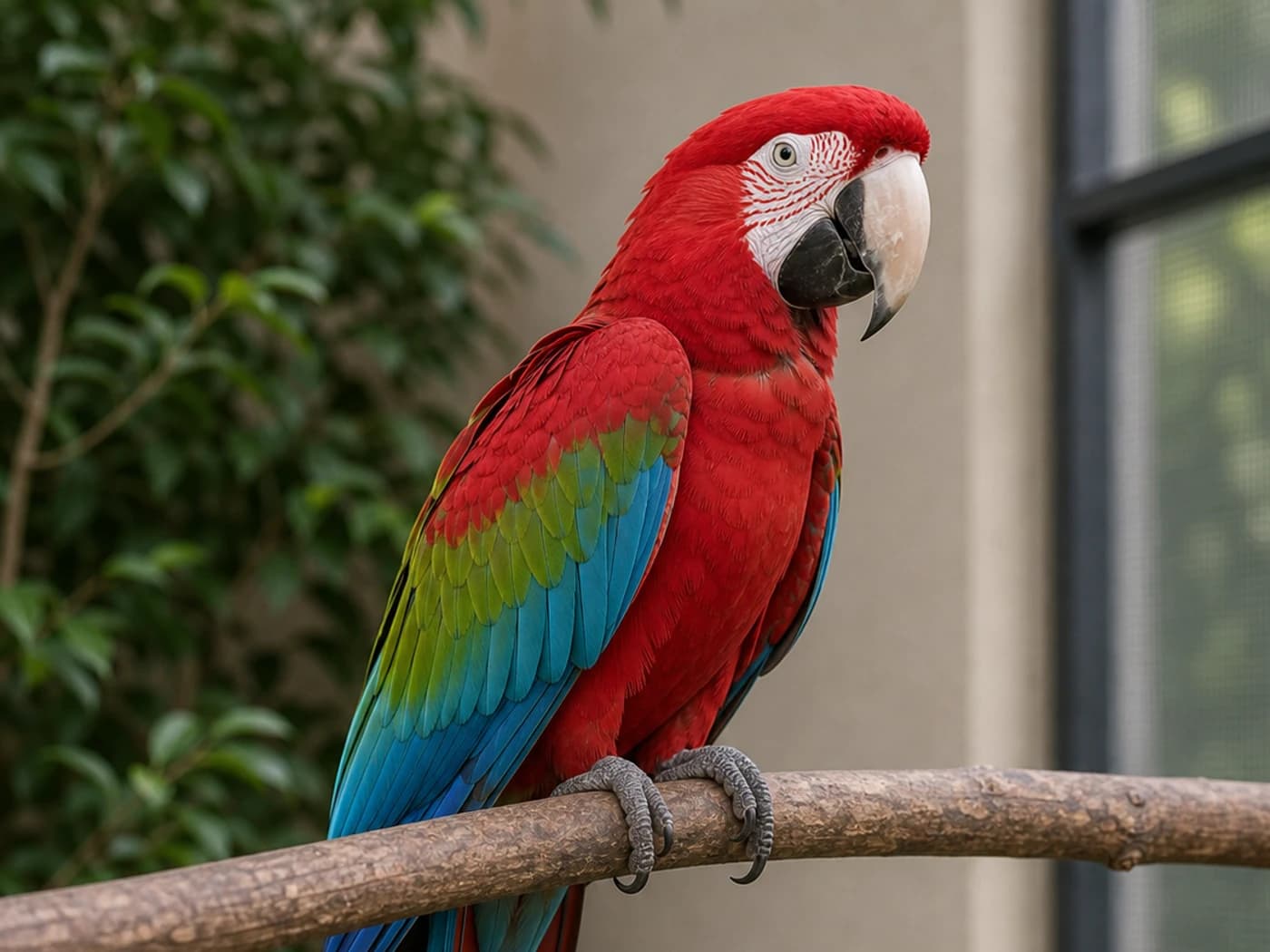
Scarlet Macaw Macaw realistic reference image

Standard label

Scarlet Macaw

Variety

Common names

Scarlet MacawAra macao

Owner shorthand

Scarlet macaw is the most beautiful but also the most temperamental

Look

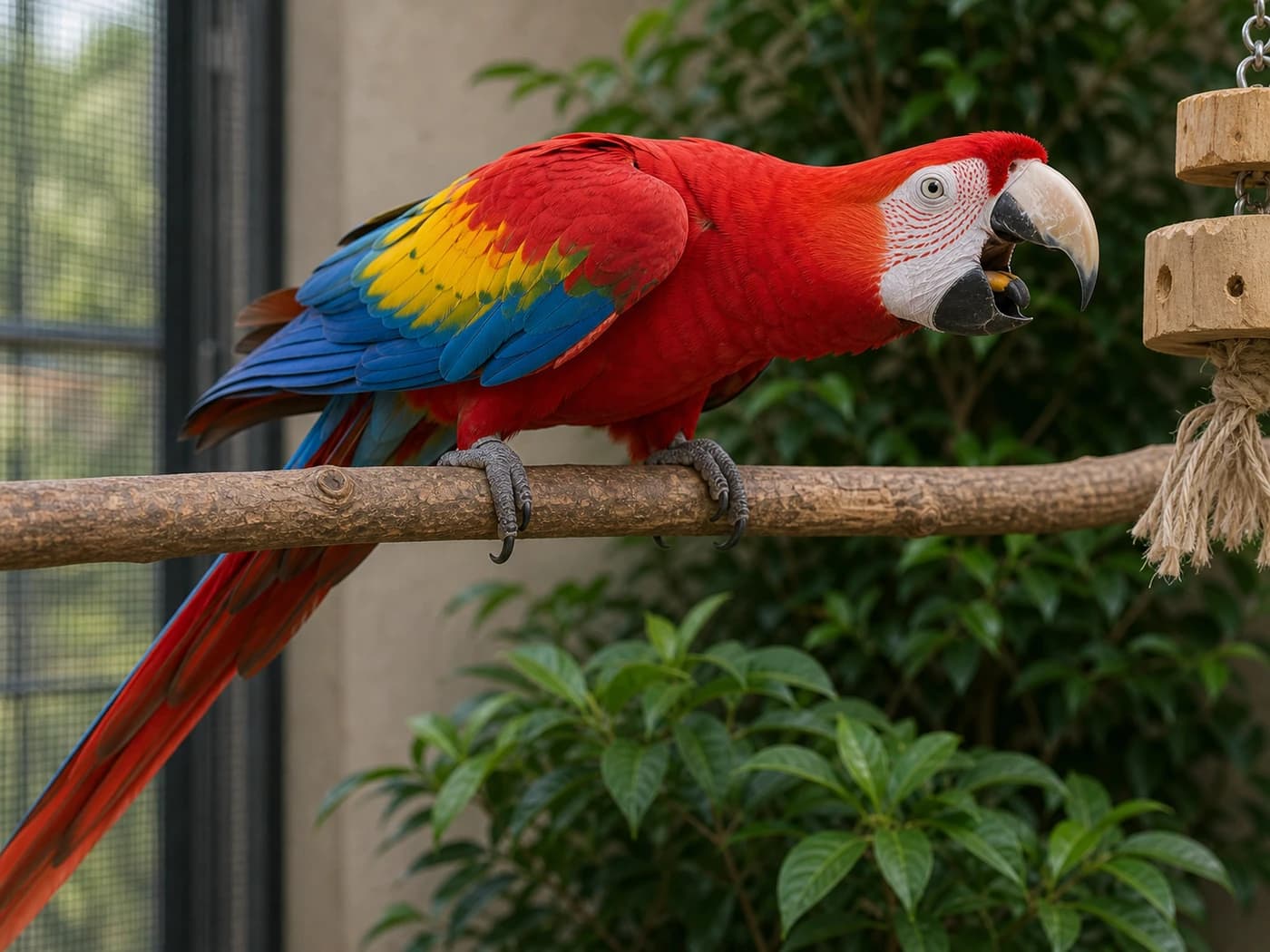
Brilliant scarlet red body with yellow and blue wing bands. One of the most colorful macaws.

Genetics

Natural species, not an artificially bred mutation.

Health & care

Robust constitution; 40-50 years in wild, up to 75 years in captivity.

Sexing tip

Males and females look identical; DNA testing required.

Green-winged Macaw Macaw realistic reference image

Standard label

Green-winged Macaw

Variety

Common names

Green-winged MacawRed-and-Green MacawAra chloropterus

Owner shorthand

Green-winged macaw is the gentlest large macaw - called the 'gentle giant'

Look

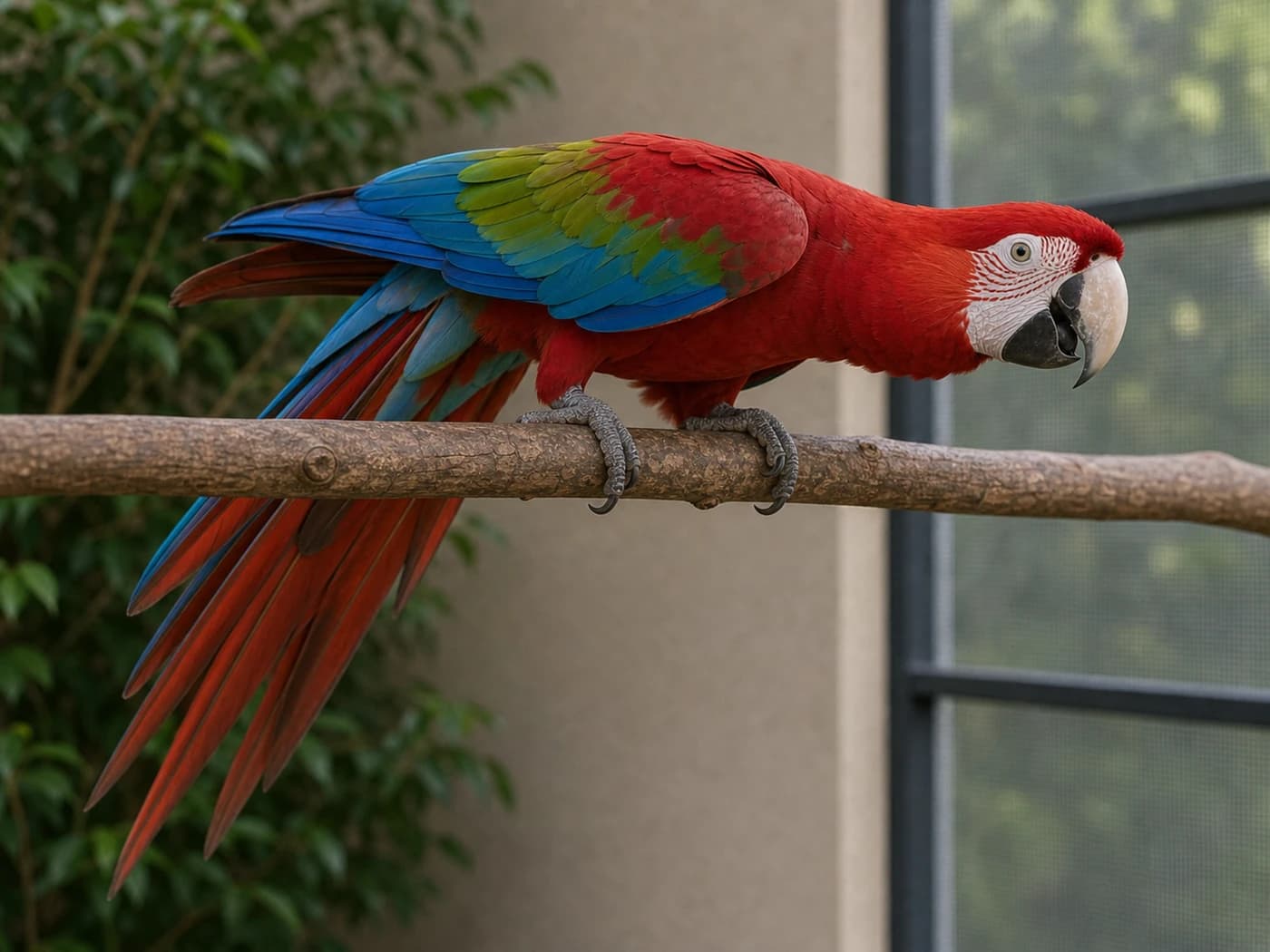
Deep red body with green and blue wing bands, red feather lines on face. One of the largest macaws.

Genetics

Natural species, not an artificially bred mutation.

Health & care

Robust constitution; lifespan 60-80 years.

Sexing tip

Males and females look identical; DNA testing required.

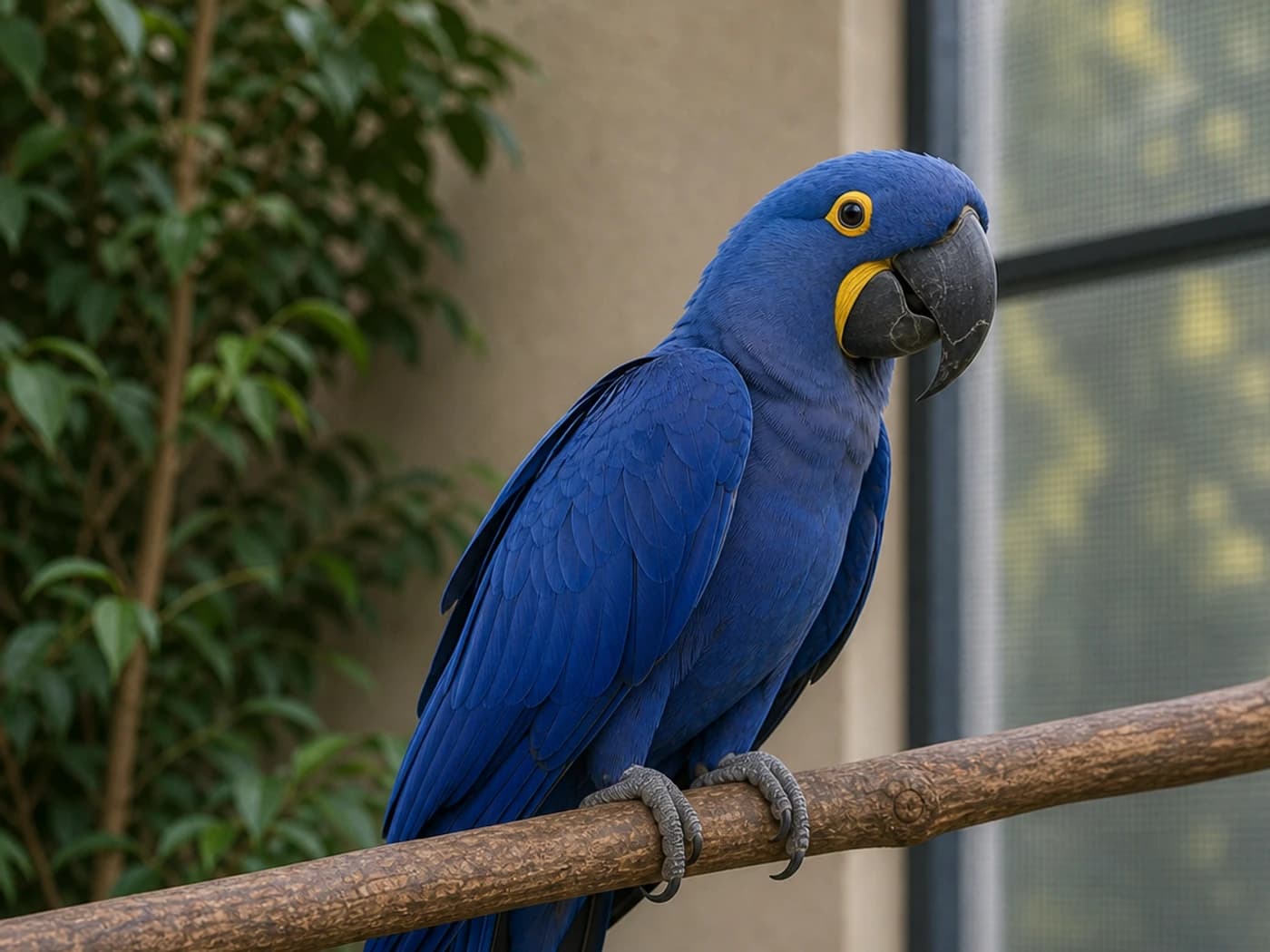
Hyacinth Macaw Macaw realistic reference image

Standard label

Hyacinth Macaw

Variety

Common names

Hyacinth MacawAnodorhynchus hyacinthinus

Owner shorthand

Hyacinth macaw is the Rolls-Royce of parrots - top price and maintenanceGet a hyacinth macaw and say goodbye to your furniture

Look

Cobalt blue body with yellow eye rings and lower mandible skin. The world's largest parrot and one of the most expensive.

Genetics

Natural species, not an artificially bred mutation.

Health & care

Hyacinths are large, powerful, expensive birds with specialized diet and space needs. They can live a long time, but lifespan is never an individual guarantee.

Sexing tip

Males and females look identical; DNA testing required.

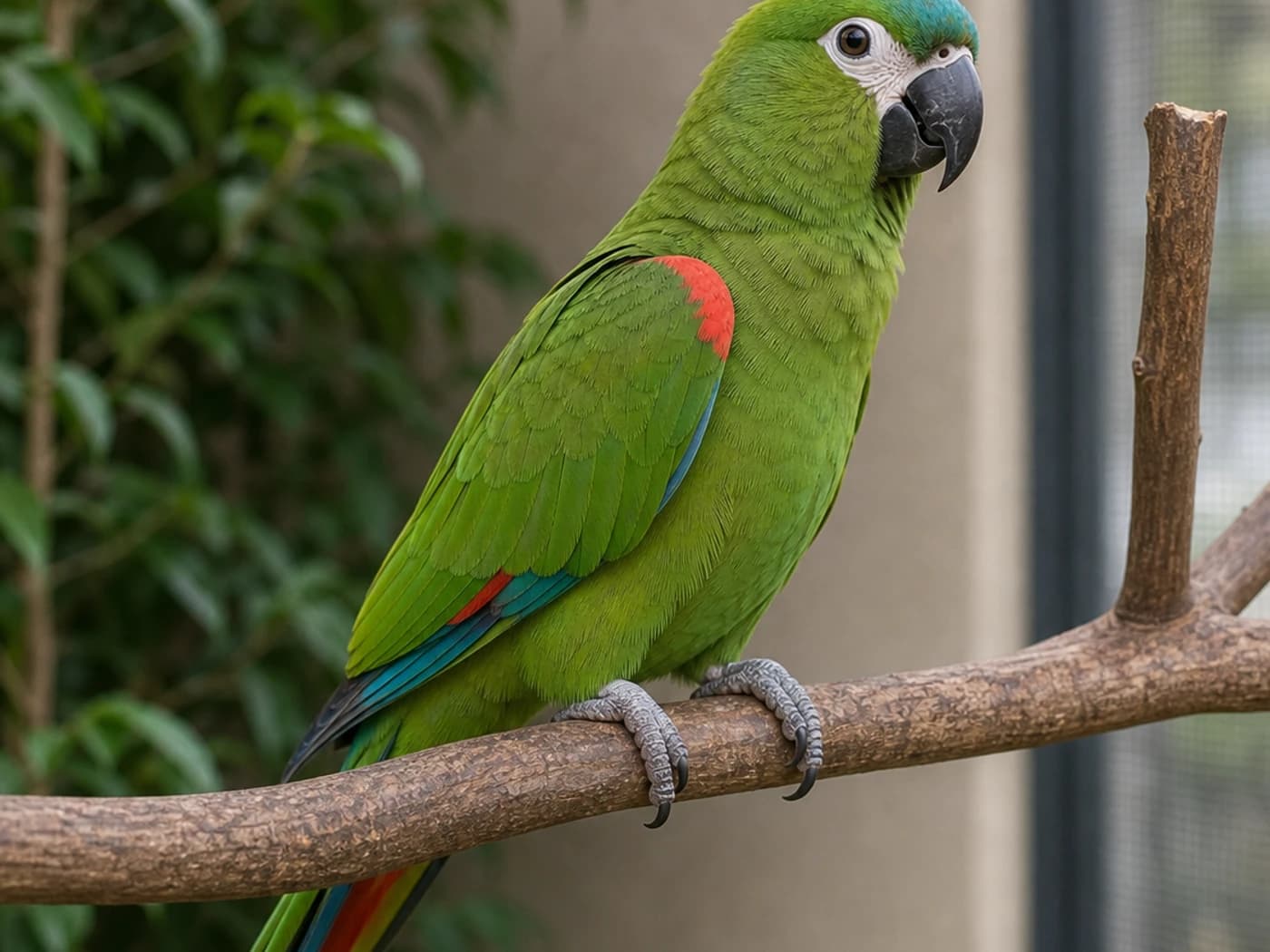
Hahn's Macaw Macaw realistic reference image

Standard label

Hahn's Macaw

Mini macaw

Variety

Common names

Hahn's mini macawRed-shouldered macaw

Owner shorthand

Mini macaw is not mini responsibilitySmall macaw, still a macaw beak

Look

Mostly green with red shoulder patches and a much smaller body than blue-and-gold or scarlet macaws.

Genetics

Hahn's is a separate species, not a juvenile large macaw or a downsized color mutation.

Health & care

A smaller beak does not mean low needs. They still require chew materials, boundary training, and serious daily interaction.

Sexing tip

Visual sexing is unreliable; DNA or veterinary sexing is the practical route.

Naming Notes

Chinese owner phrases, English common names, and market labels often do not translate one-to-one, so the tricky parts are separated here.

Common aliases

large macawmini macaw

Blue-and-gold, scarlet, green-winged, and hyacinth macaws are separate species, not mutations of one bird.

Hahn's Macaw is a mini macaw, but mini does not mean low responsibility.

Hyacinth prestige jokes should be explained as rarity, cost, size, and care-threshold shorthand.

Detailed Field Notes

These notes isolate details that are easy to mistranslate, oversimplify, or overclaim. Each one separates the claim, why it matters, and what an owner should do.

6 notes

Large macaws are species, not color mutations

Taxonomy-supported

Careful claim

Blue-and-gold, scarlet, green-winged, hyacinth, and Hahn’s macaws are different species or types, not color variants of one bird.

Why it matters

The page should organize them by size, beak power, lifespan, and temperament differences, not color alone.

Owner action

Choose by species-level needs before choosing by plumage.

Mini macaw is not mini responsibility

Care-guide supported

Careful claim

Hahn’s macaws are much smaller, but still bring macaw chewing, vocal, intelligence, and social needs.

Why it matters

Mini macaw wording can make readers underestimate space, toy, and training commitments.

Owner action

Prepare chew material, stands, and training like a macaw owner, not like a low-need small-bird owner.

The macaw beak is both tool and risk

Veterinary/care supported

Careful claim

Macaws use their large beaks to explore, climb, chew wood, and express boundaries, and bite risk is far higher than with small parrots.

Why it matters

Chewing wood should not be framed as misbehavior, and bites should not be downplayed.

Owner action

Provide safe destroyable material daily while training step-up, release, and back-off cues.

Loud calls are often contact calls

Behavior-guide supported

Careful claim

Macaw loud calling often checks flock location; it is not automatically spite or deliberate annoyance.

Why it matters

Understanding the function allows replacement routines; scolding or covering can escalate conflict.

Owner action

Train a predictable response cue, morning/evening calling windows, and rewards for calmer sounds.

Decades-long lifespan needs a succession plan

Care-guide supported

Careful claim

Large macaws may live for 50 years or more, outlasting moves, relationships, careers, and health changes.

Why it matters

The 60-year roommate idea is not just marketing; it is planning reality.

Owner action

Document future caregivers, avian vet contacts, budget, and transfer information in advance.

Hyacinth prestige means cost and threshold

Market and husbandry experience

Careful claim

Hyacinth macaws are often treated as prestige birds because of rarity, price, large size, beak strength, and specialized diet costs.

Why it matters

The phrase should not mean expensive and pretty only; it must carry the responsibility threshold.

Owner action

Put budget, legal sourcing, avian care, and long-term space ahead of purchase excitement.

Community Notes

These are the phrases owners commonly use when talking about Macaws in real communities.

a child that never grows up

Literal meaning

A childlike companion for decades.

Actual meaning

Macaws are smart, bonded, emotional birds needing lifelong structure.

Used when

Used when discussing lifespan and attachment.

Care implication

Plan for decades, not the honeymoon phase.

that beak is not decoration

Literal meaning

The beak has real power.

Actual meaning

The beak explores, destroys wood, and can express pressure.

Used when

Used around beak use and chewing.

Care implication

Provide legal chewing material and train beak-boundaries.

60-year roommate

Literal meaning

A decades-long housemate.

Actual meaning

Highlights the lifespan and household impact.

Used when

Used before purchase decisions.

Care implication

Plan succession care, moving, family changes, and budget.

the prestige macaw

Literal meaning

A prestige-and-cost shorthand.

Actual meaning

It points to hyacinth rarity, price, size, and care threshold.

Used when

Used when discussing hyacinth costs.

Care implication

Explain it as a high-prestige, high-cost macaw rather than translating literally.

Behavior Reading

Read posture, eyes, feathers, and beak use as a sequence: what you see, what it usually means, what not to assume, and what to do next.

Macaw Head down, tight eyes behavior reference image

Head down, tight eyes

What you see

Head lowers but eyes and body remain tense.

Usually means

Not always a request for petting; it may be assessing you.

Do not misread

Do not treat it like a guaranteed scritch invitation.

Owner action

Pause and let the bird choose approach or distance.

Macaw Open beak approach behavior reference image

Open beak approach

What you see

Open beak moves toward a hand, clothing, or object.

Usually means

Could be exploration or warning.

Do not misread

Do not judge only by whether it bites.

Owner action

Read body tension, pupils, tail, and speed before continuing.

Macaw Tail fan and forward pressure behavior reference image

Tail fan and forward pressure

What you see

Tail fans, body presses forward, and movement speeds up.

Usually means

Excitement or rising pressure.

Do not misread

Happy excitement and over-arousal can be close together.

Owner action

Lower stimulation and redirect to chewing or targeting.

Macaw Loud contact calls behavior reference image

Loud contact calls

What you see

Loud calls at predictable times, waiting for a response.

Usually means

Often contact calling, not malicious noise.

Do not misread

Do not scream back.

Owner action

Build a response routine and reward quiet moments.

Macaw Wood destruction behavior reference image

Wood destruction

What you see

Constant chewing of wood, toys, or perches.

Usually means

A normal need, not a bad habit.

Do not misread

Furniture chewing often means management failed.

Owner action

Provide destroyable materials and limit unsafe areas.

Growth Stages

This timeline keeps the typical development from egg to adult in one place so you can compare looks, feather changes, and feeding milestones.

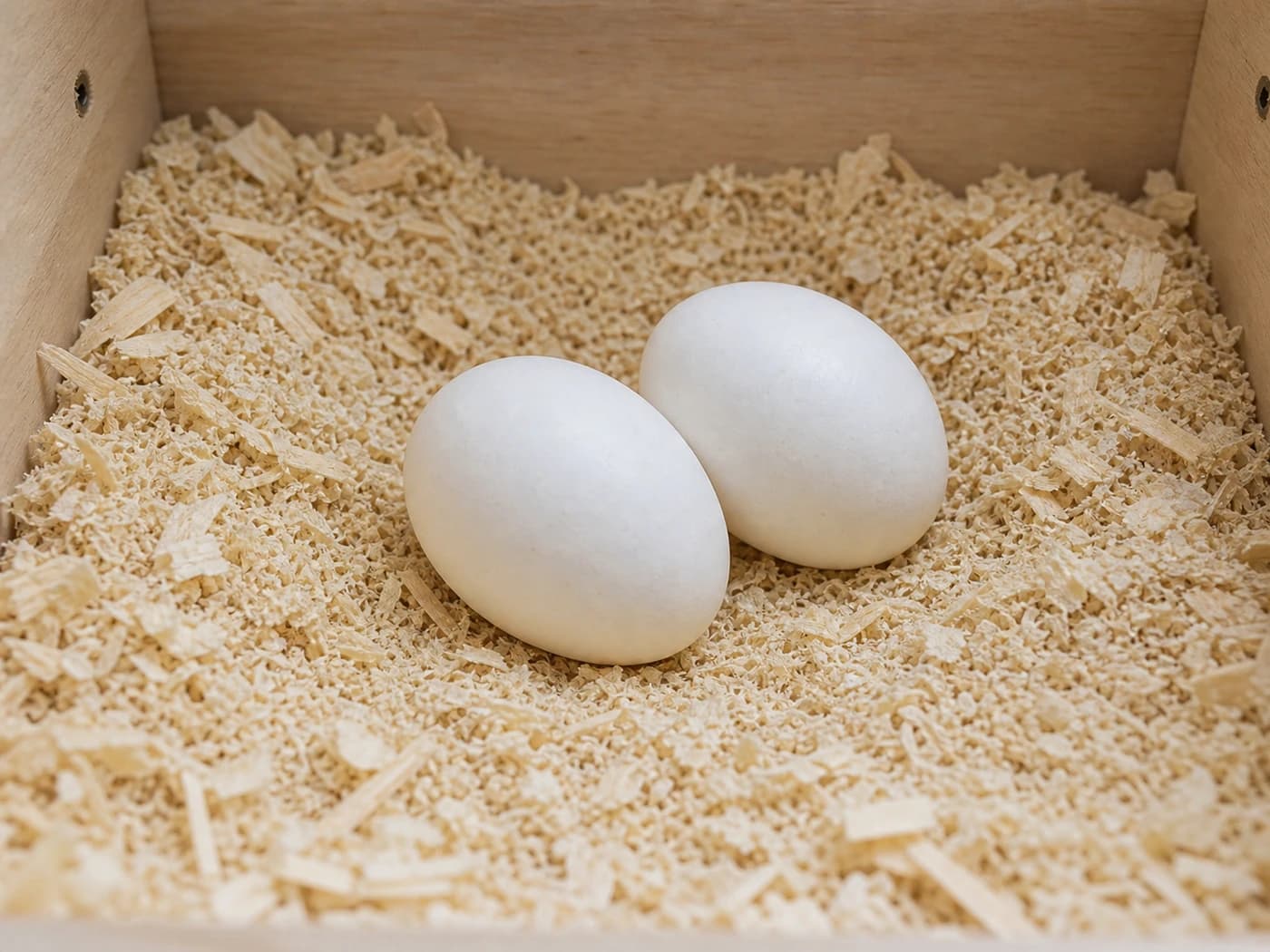
Macaw Egg growth-stage reference image

Egg

Incubation

Age range

Look

Macaw plumage is not visible yet; shell condition, parent behavior, and incubation stability matter most.

What people watch

Avoid unnecessary disturbance; focus on humidity, temperature, parent stress, and hygiene.

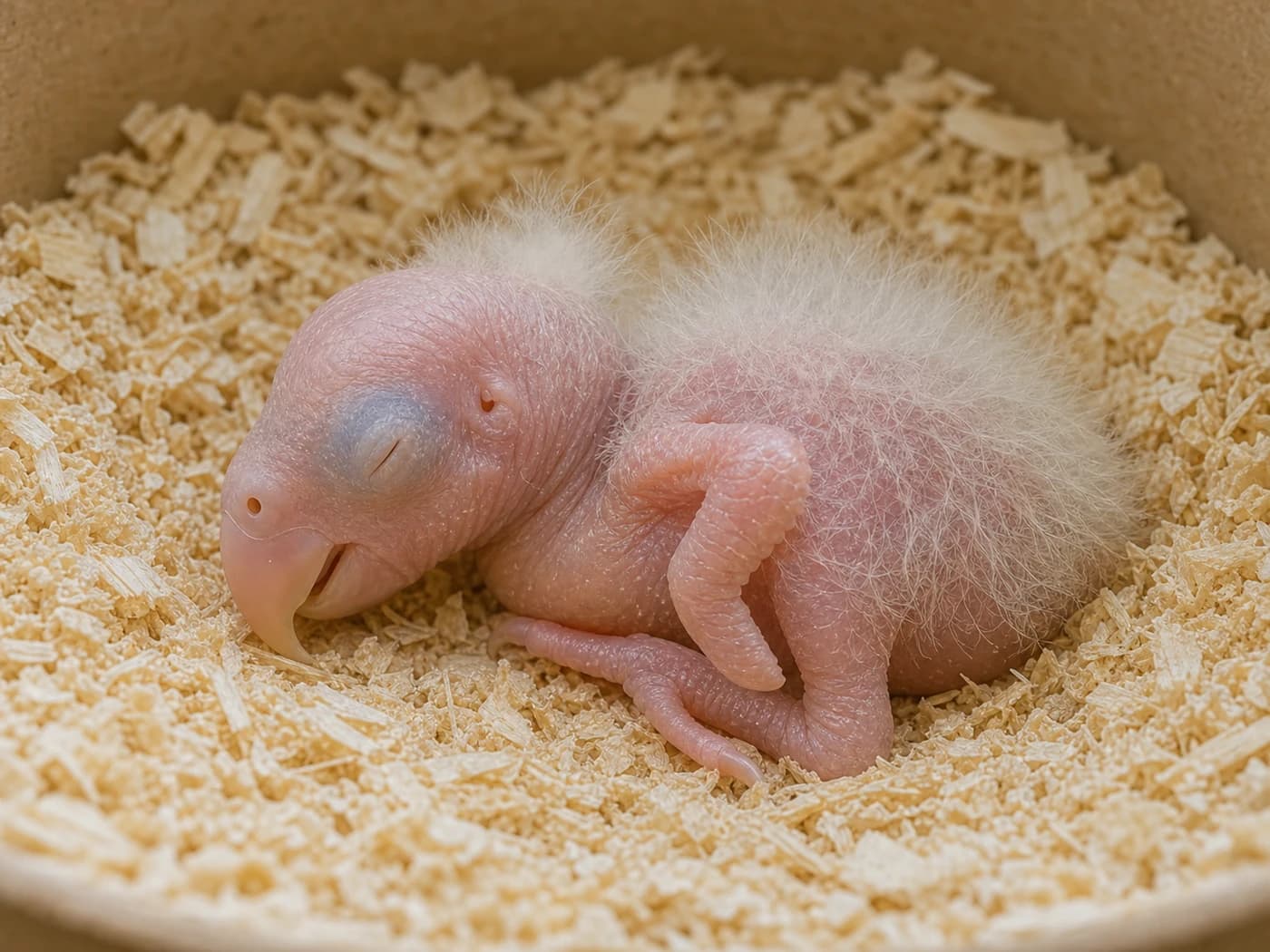
Macaw Hatchling growth-stage reference image

Hatchling

0-7 days after hatch

Age range

Look

Newly hatched Macaw chicks are delicate and mostly bare, so final color cannot be judged reliably yet.

What people watch

Watch warmth, crop filling, and feeding stability; visuals should be gentle, educational, and not graphic.

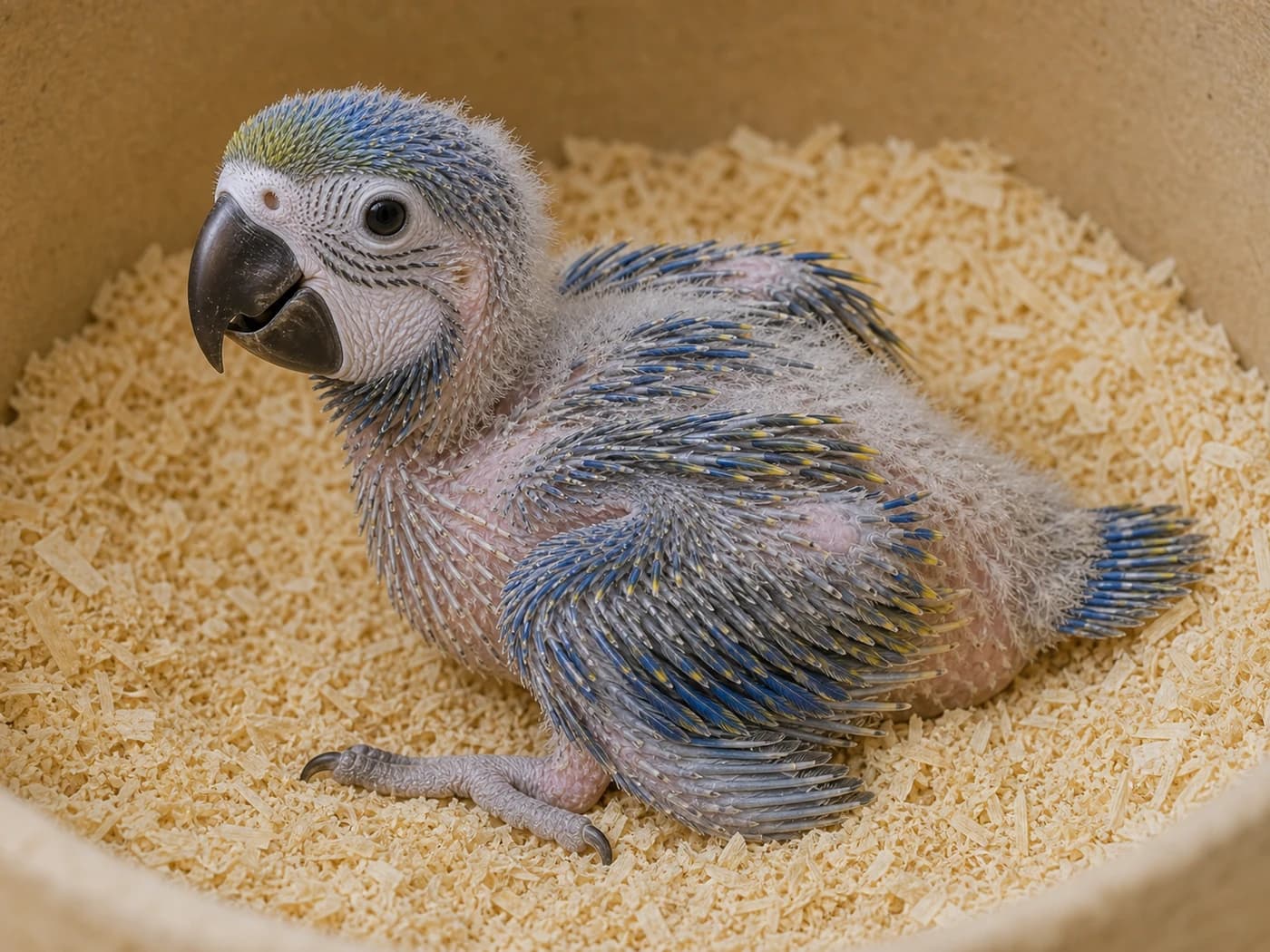
Macaw Pin feather stage growth-stage reference image

Pin feather stage

About 2-4 weeks, varying by species size

Age range

Look

Macaw chicks begin showing pin feathers, and early color direction or wing and face patterning starts to emerge.

What people watch

Do not force pin feathers open; monitor warmth, nutrition, and skin condition.

Macaw Young chick growth-stage reference image

Young chick

About 1-2 months, varying by species size

Age range

Look

Macaw now looks like a small bird, with clearer posture, plumage, eyes, and exploration behavior.

What people watch

Focus on socialization, gentle handling, safe movement, and gradual food variety.

Macaw Weaning / juvenile growth-stage reference image

Weaning / juvenile

Around weaning through juvenile molt

Age range

Look

Macaw looks closer to an adult, but coordination, bite control, and emotional regulation are still developing.

What people watch

Do not force early weaning; watch independent eating, weight stability, flight, and basic training.

Macaw Adult growth-stage reference image

Adult

After juvenile molt and maturity

Age range

Look

Macaw plumage and proportions are more stable, and long-term patterns in temperament, noise, hormones, and territory become clearer.

What people watch

Long-term care shifts toward diet, exercise, enrichment, hormone management, and annual health checks.

What to Know

Space and budget are hard requirements

Large cages, stands, toys, avian vets, and food are expensive long-term.

Manage the beak as tool and risk

A macaw beak explores but can also cause serious injury.

Think about neighbors first

Contact calls and excitement screaming are not solved by simply tolerating them.

Do not skip lifespan planning

Macaws may live for decades, so moving, family changes, and succession care matter.

Plan the cage and stands for a large bird

Large macaws need strong, roomy cages and stands. Measurements are only a starting point; the bird still needs space to turn, stretch, climb, and chew safely. Bars, locks, and toy hardware must be built for a large beak.

Do not let nuts and seeds become the diet

Macaws can eat nuts, but nuts work best as rewards or part of a broader plan. Daily food should include quality pellets, vegetables, some fruit, and appropriate fat sources. Avoid avocado, chocolate, onion, and caffeine.

Give it things to destroy before it chooses your house

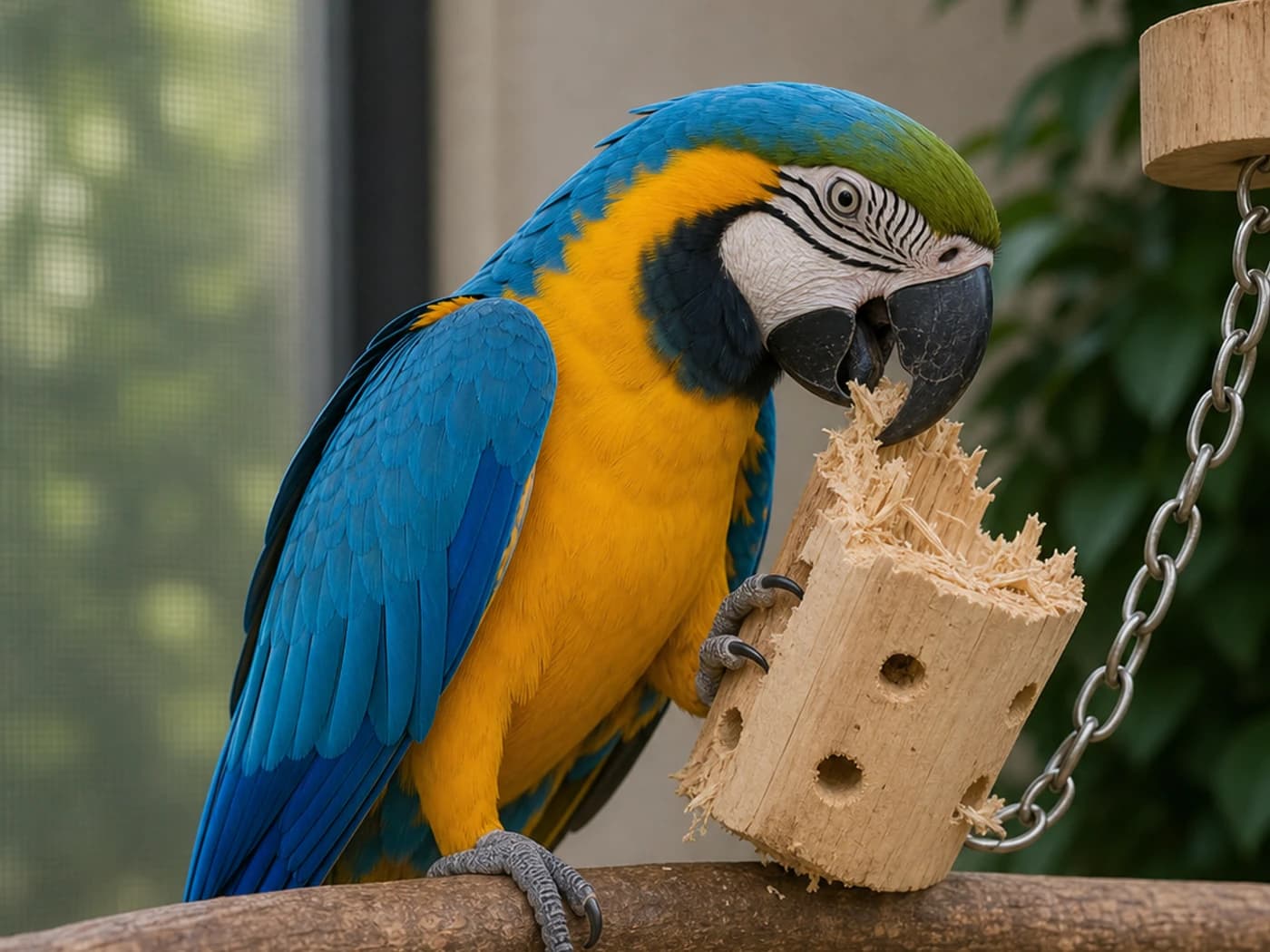
Macaws need chewing, shredding, foraging, and training. Without legal outlets, furniture, trim, and wires become the project. Toy rotation helps, but daily destroyable material and predictable interaction matter more.

Find an avian vet before something goes wrong

Macaws can live for decades, and veterinary care is part of the cost. Find an avian vet before bringing one home, keep emergency contacts, and make annual exams part of the long-term budget.

First things owners notice

Macaw usually makes its first impression through Macaws are social birds that can be quite loud and attention-seeking., They are playful and active, with exuberant personalities., and They can be friendly and affectionate companions when well-socialized.. Treat that as a starting point, not a full personality profile.

When you leave the room

As highly social birds, macaws are prone to separation anxiety and will use loud vocalizations (contact calls) to seek attention or their flock.

Hand-raised vs parent-raised

Not explicitly mentioned in the article, but hand-raised parrots are generally more tame and bonded with humans.

Common first mistakes

Underestimating their need for social interaction and mental stimulation, leading to screaming and destructive behaviors. Not providing enough appropriate chew toys, resulting in damage to furniture and other household items. Not being prepared for their loud vocalizations.

Frequently Asked Questions

Listen to Macaw Call

Volume warning - these birds are loud!

Community Photos

(1)
logo

logo

Species Comparison

Trait
Macaw
MacawLarge
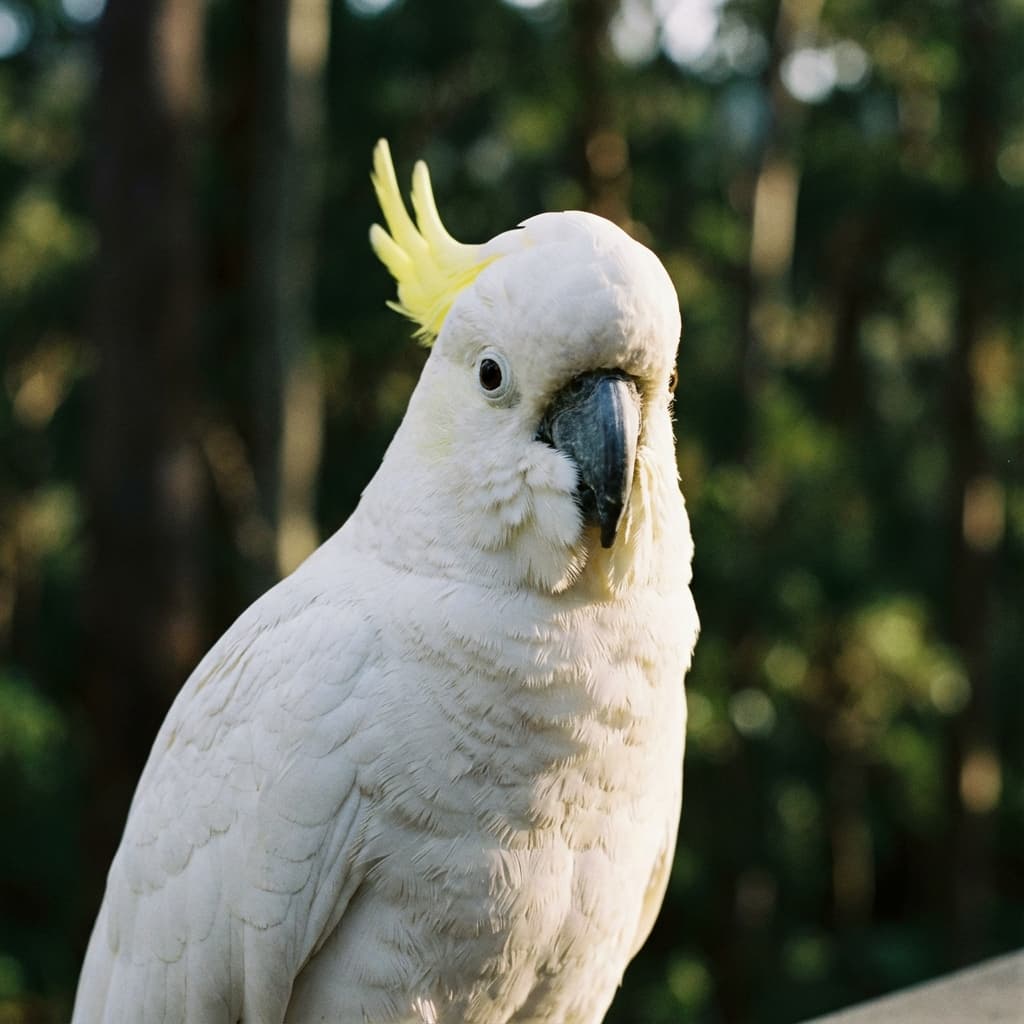
Cockatoo
CockatooLarge
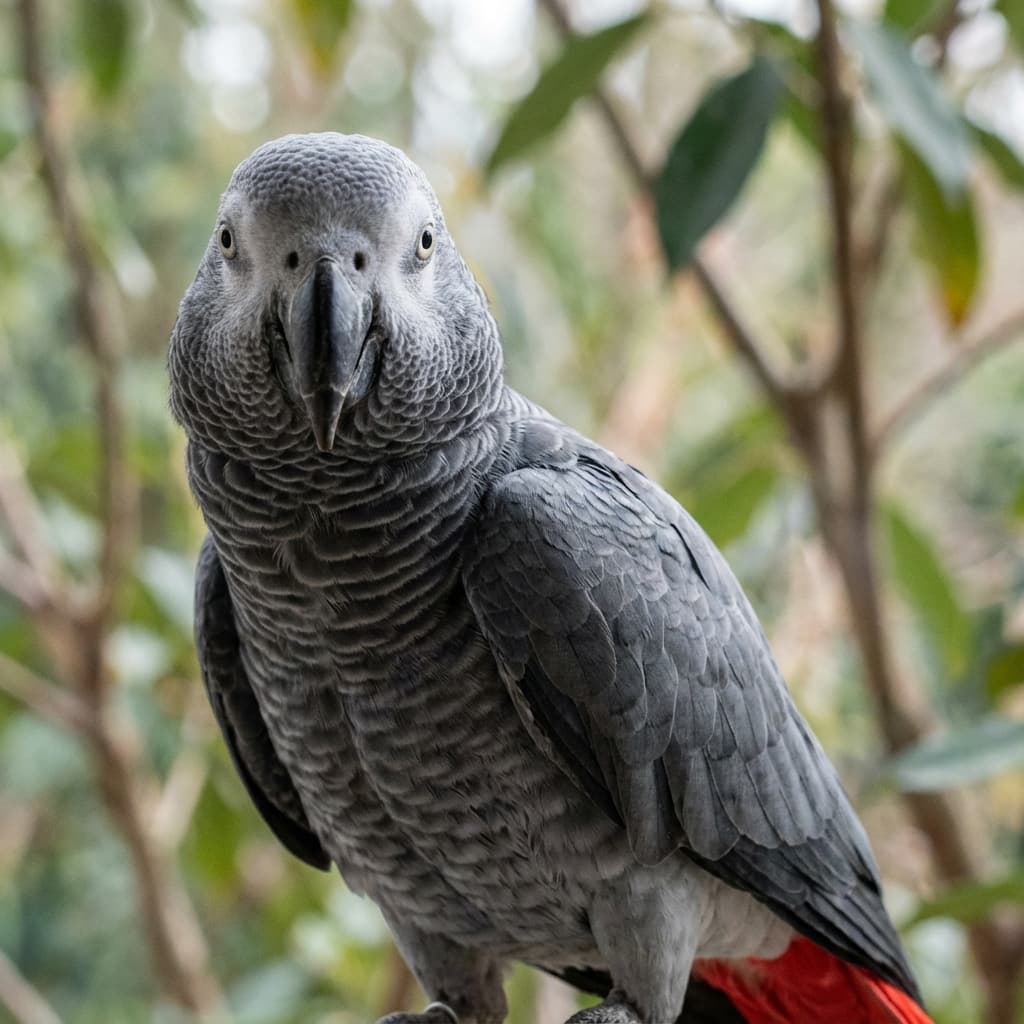
African Grey
African GreyLarge
Lifespan50-80 years40-70 years40-60 years
NoiseVery HighVery HighMedium
TrainingModerateExpertExpert
TalkingGood - Can learn 20-30 words with clear pronunciation. Better at mimicking sounds and whistles than complex speech.Moderate - Can learn 20-50 words but speech is often unclear. Excellent at mimicking household sounds, alarms, and musical tunes.Exceptional - The best talkers in the parrot world. Can learn 1000+ words with remarkable clarity. Capable of contextual speech and understanding.
SizeLargeLargeLarge

Shop Macaw Products

Food, toys, cages & accessories for large birds

Browse Products