Parrot Health Center
Interactive diagnosis tools built around avian health expertise, with droppings references, symptom matching, care guidance, and consultation reviews.
Cockatiel: Monitor closely for 12–24h; check hydration and recent diet changes.
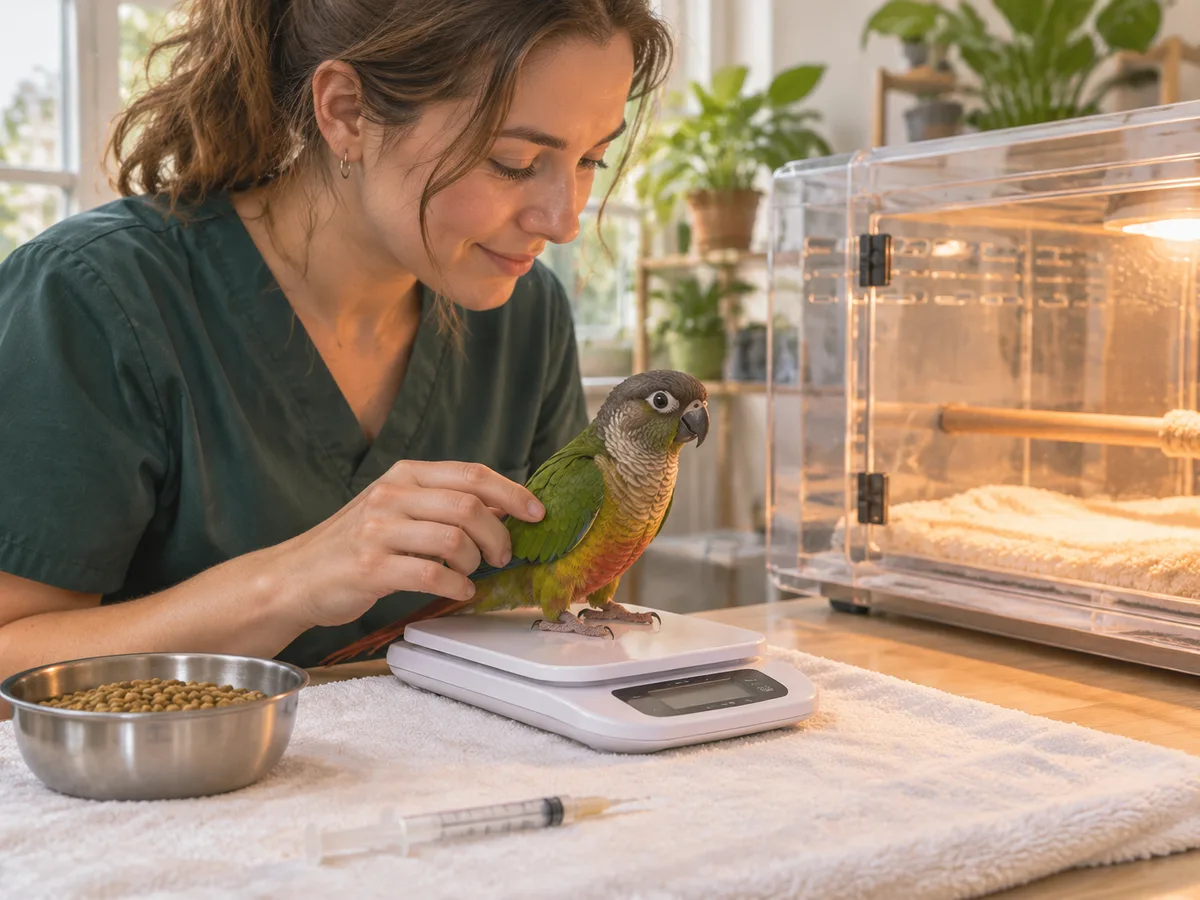
4-step guided check
Free guidance and care direction
This tool provides general information only and is NOT a substitute for professional veterinary advice. Always consult a qualified avian veterinarian for proper diagnosis and treatment.
What You Get
Completely free. No sign-up required. Get a full diagnosis report in 4 steps.
Visual Droppings Analyzer
Select fecal color, consistency, and urate color for precise health analysis
30+ Symptom Checker
Comprehensive checklist covering behavioral, respiratory, and digestive symptoms
Medication Guide
Specific drug names, dosage formulas, and where to buy — US and China brands
Expert Consultation
Personalized video assessment from our avian specialist for just $9.99
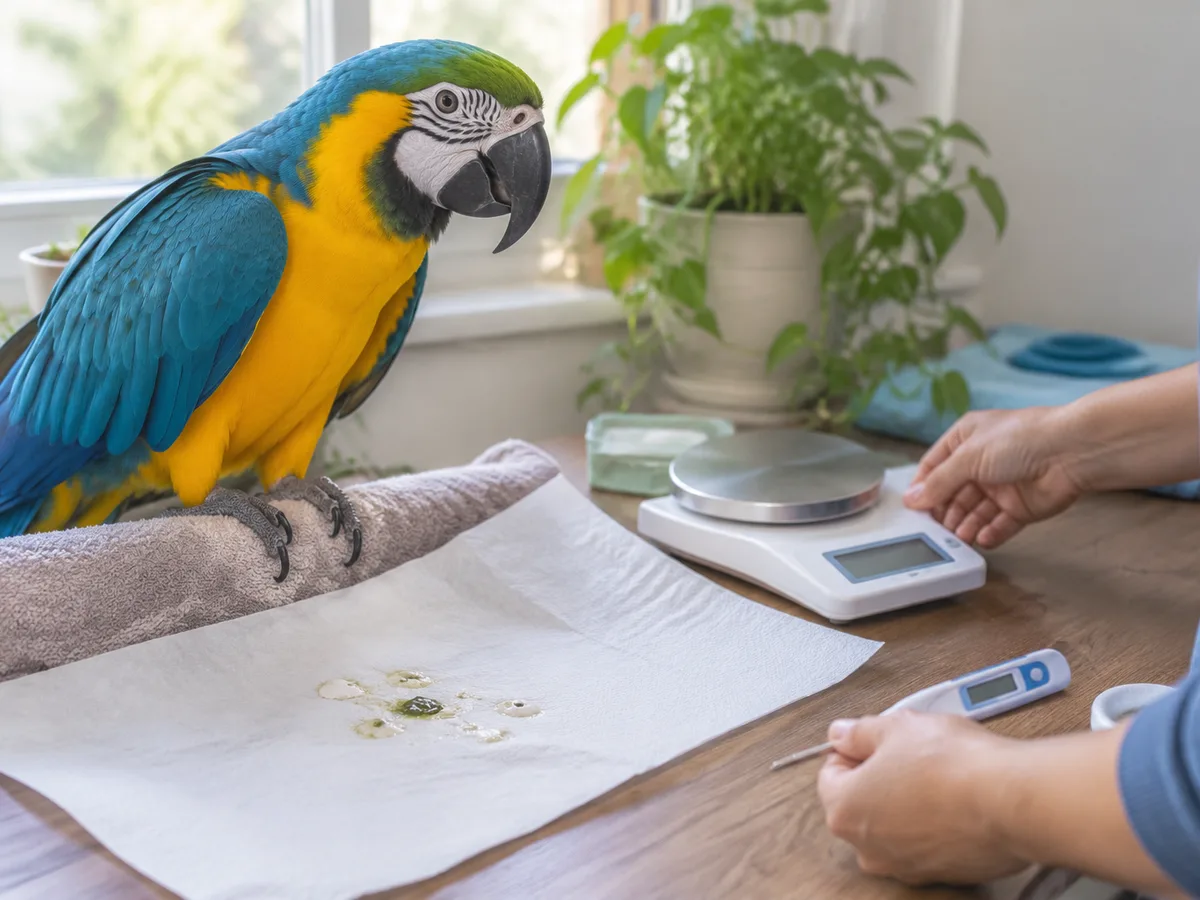
2 min
to complete
How It Works
4 simple steps to your personalized health report
Select your parrot species
Choose from 12 common species for tailored results
Describe the droppings
Use our visual color and consistency selector
Check symptoms
Select from 30+ behavioral and physical symptoms
Get your results
Receive disease matches, medications, and care plans
Health Resources
Deep reference content to help you understand your bird's health signals
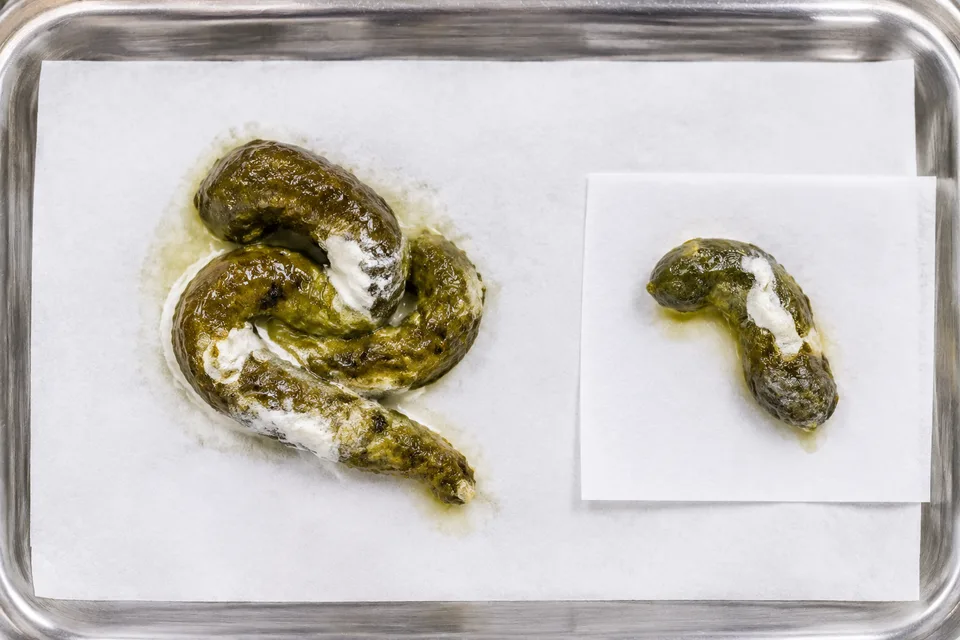
Droppings Color Guide
Visual reference chart: colors, consistency, urate meanings
Learn more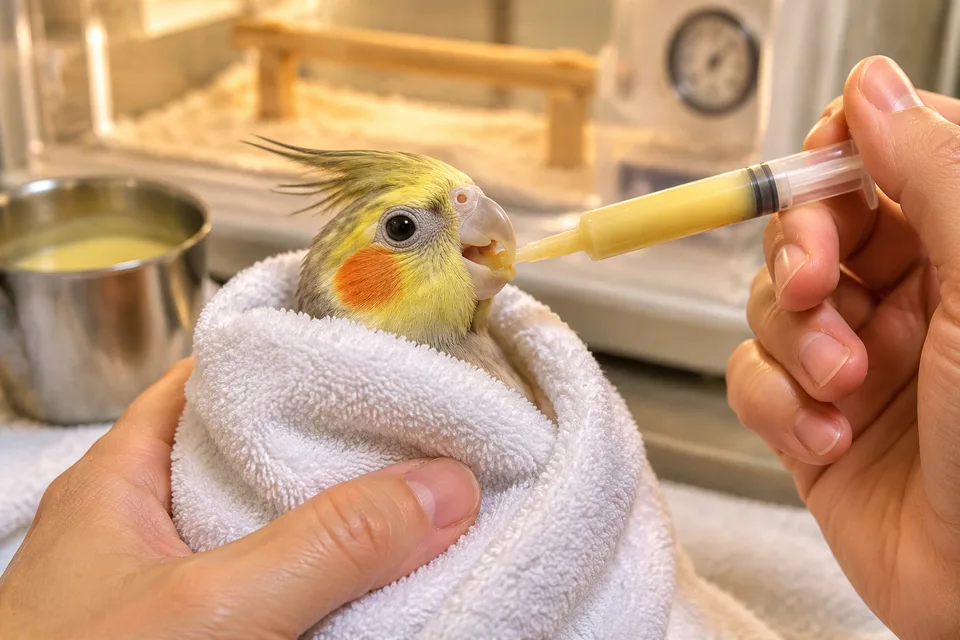
Care Tutorials
17 hands-on tutorials, from emergency care to daily monitoring
Learn more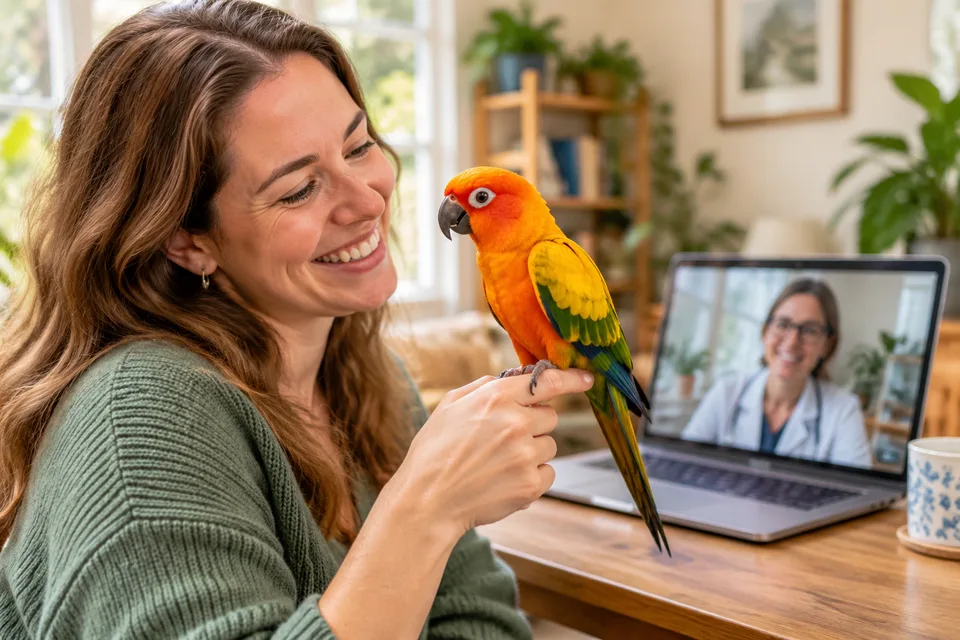
Consultation Reviews
Read real reviews from consultation users
Learn more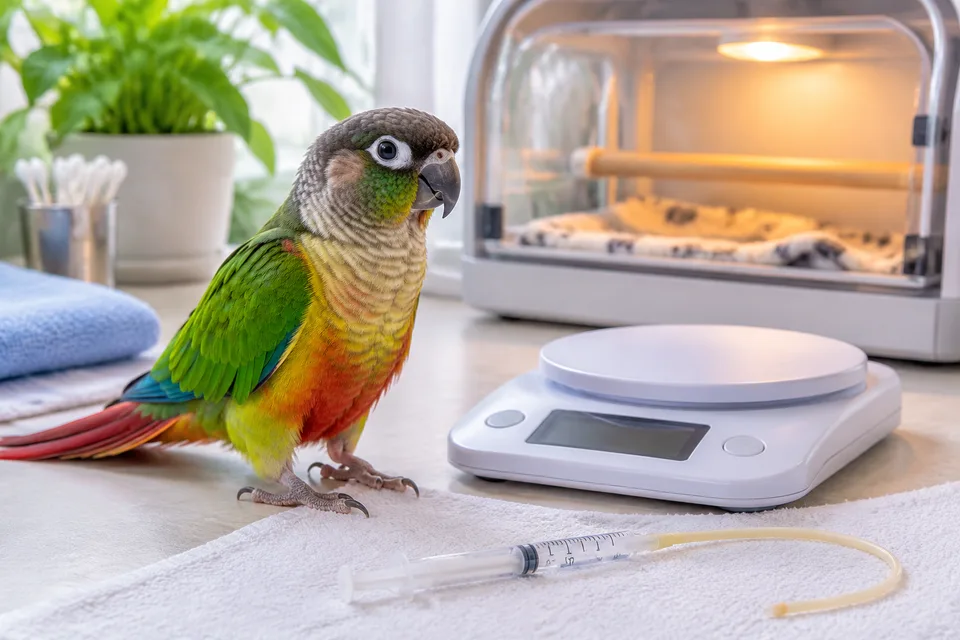
Quick Diagnosis Entry
Jump directly into the 4-step diagnosis flow
Learn moreDisease Encyclopedia
12 common parrot diseases with symptoms, medications, and care plans
Parrot Health & Symptom FAQ
What do abnormal parrot droppings indicate?
Healthy parrot droppings have three clear parts: formed green or brown feces, white urates, and clear urine. Sudden watery diarrhea, bright yellow or lime-green urates, black tarry stools, or undigested seeds can point to dietary stress, bacterial enteritis, liver strain, or heavy metal exposure. Use our droppings color guide to log changes before contacting an avian vet.
What are early sick parrot symptoms to watch for?
Parrots instinctively mask illness until they are severely weak. Early warning signs include staying fluffed up at the bottom of the cage, tail bobbing while breathing, sneezing with nasal discharge, sleeping with both feet on the perch, sudden weight loss, or refusal to eat favorite foods.
How should I prepare before an avian vet visit?
Keep your bird warm in a quiet hospital cage (80–85°F), place clean white paper towels on the cage tray to photograph fresh droppings, record weight in grams, and list all pellets, seeds, supplements, and recent household exposures such as non-stick cookware or scented sprays.
When does an online parrot symptom checker help?
Our 4-step parrot symptom checker organizes visible droppings changes and behavioral clues into a structured summary you can share with an avian veterinarian or our $9.99 video review team. It never replaces emergency veterinary care when a bird shows open-mouth breathing, active bleeding, or seizures.
Worried About Your Bird?
Free diagnosis takes just 2 minutes. Select symptoms, get medication and care recommendations.
Start Free Diagnosis