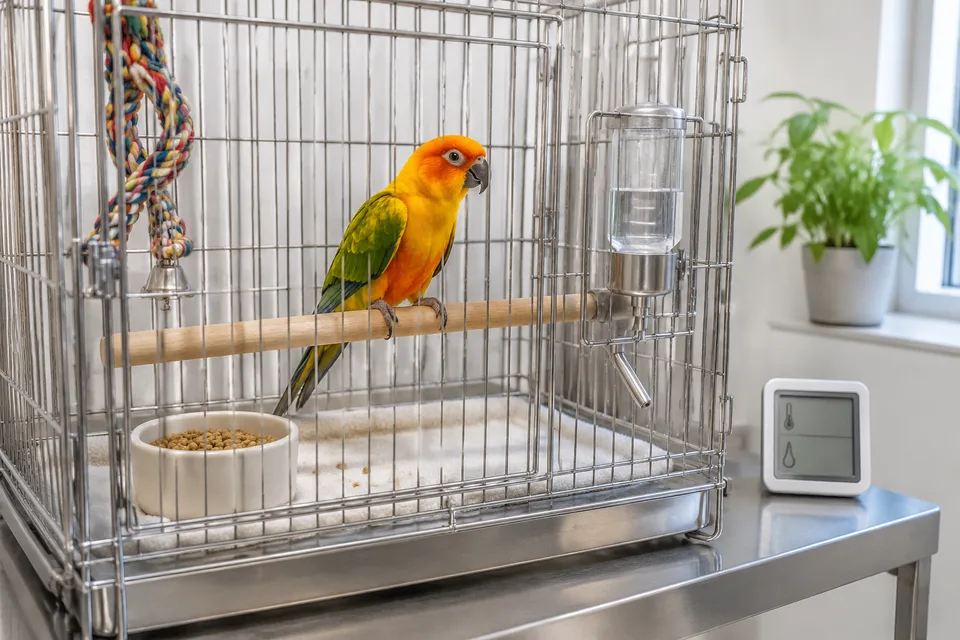
1
Step 1: Set Up a Separate Quiet Quarantine Cage & Room
House the new parrot away from existing birds with separate bowls, syringes, and steady 28–30°C warmth during transition stress.
manual
How to properly quarantine a new bird to protect your existing flock.
This tool provides general information only and is NOT a substitute for professional veterinary advice. Always consult a qualified avian veterinarian for proper diagnosis and treatment.
Follow the sequence to keep handling stable and controlled.
House the new parrot away from existing birds with separate bowls, syringes, and steady 28–30°C warmth during transition stress.
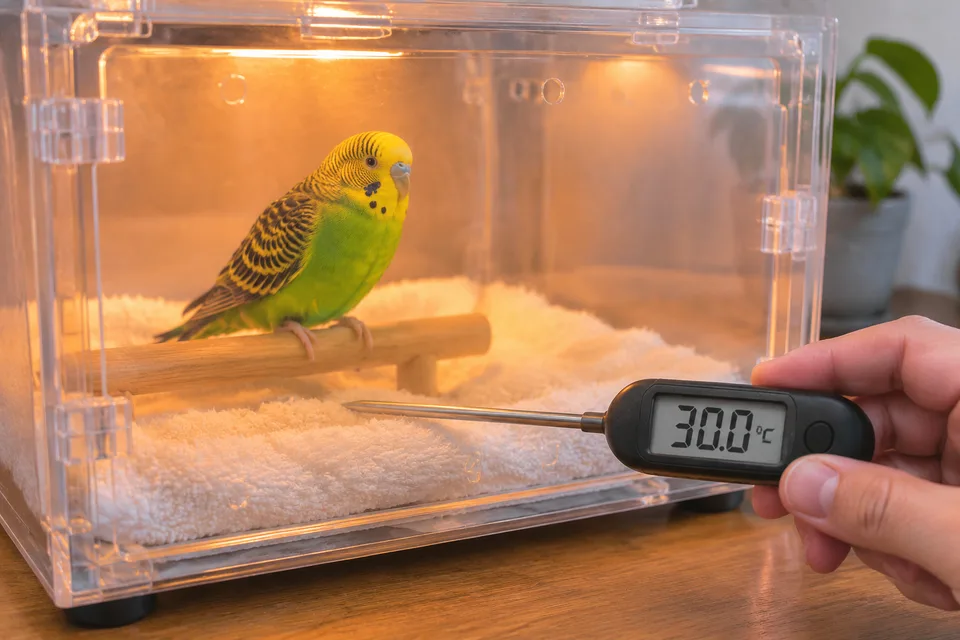
Always feed and clean resident birds first, then tend to the new bird and disinfect hands to prevent cross-transmission.
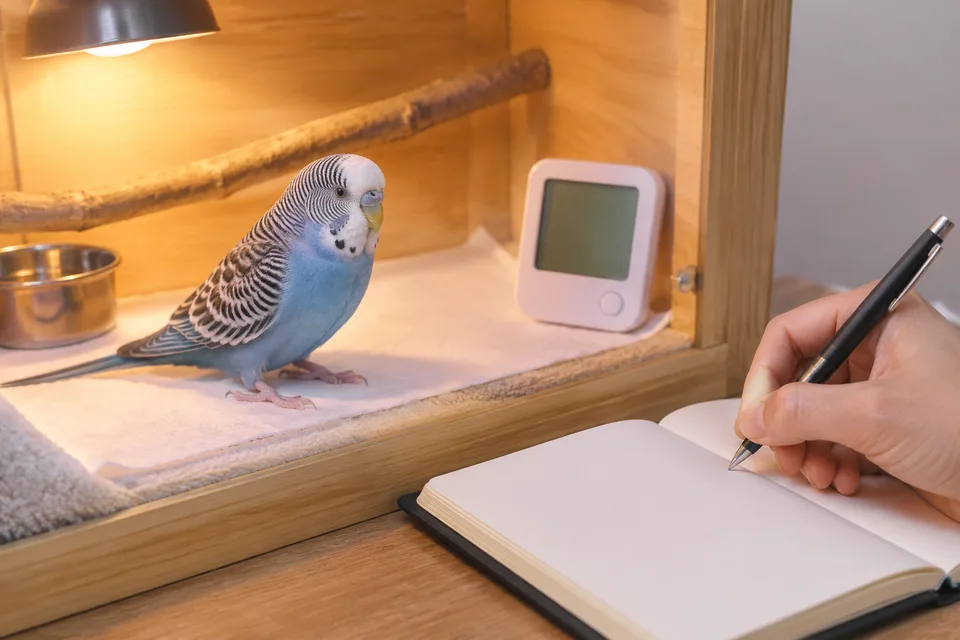
Screen conures, lovebirds, and cockatiels for latent Candida, Chlamydia, and viral pathogens before ending quarantine.
Video pending upload
care_guide / new-bird-quarantine / videoSeparate Cage
Disinfectant (F10 or similar)
Review before action
Review the full tutorial once before handling your bird.
Track key observations
Log appetite, activity, and droppings changes to judge recovery trends.
If you are unsure about your bird’s current condition, run the free diagnosis first and share a video for expert-level care guidance.