Tracked delivery30-day returns
Back to Bird Hub
Amazon Parrot

Amazon Parrot Hub

Amazon parrots are expressive birds: singing, swaying, displaying, and acting as if they brought their own stage. But they should not be judged only by talking reputation. Yellow-naped, blue-fronted, orange-winged, and double yellow-headed Amazons all have different reputations, and individuals vary widely. The owner skill that matters most is reading arousal: hormonal seasons, cage guarding, person guarding, eye pinning, tail fanning, and body posture. Amazons can move from fun to too much very quickly. A good owner knows how to lower stimulation before the show becomes a bite risk.

At a Glance

Size

Large

Lifespan

40-70 years

Noise

High

100+ dB

Training

Moderate

Talking

Excellent

Best For

Owners who can read body language and seasonal changes
Homes that enjoy singing, interaction, and presence
Experienced handlers comfortable with cage guarding

Not For

People expecting the same mood year-round
Owners unwilling to manage hormonal guarding
Noise-sensitive homes

Noise Comparison

Where does a Amazon Parrot's call sit against familiar everyday sounds?

100 dB·High
QuieterLouder

Whisper · 30 dB

Library · 40 dB

Conversation · 60 dB

Vacuum Cleaner · 75 dB

Measured level

100 dB

Quieter than

3 · Rock Concert, Chainsaw

Louder than

5 · Vacuum Cleaner, Lawnmower

Whisper

30 dB

Library

40 dB

Conversation

60 dB

Vacuum Cleaner

75 dB

Lawnmower

90 dB

Rock Concert

110 dB

Chainsaw

120 dB

Jet Engine (100ft)

140 dB

Care Commitment

What does it realistically take to live well with a Amazon Parrot?

Beginner fit

Mixed

Needs a steady routine.

Daily Time

4–6 hrs/day

Heavy

Noise

100+ dB

Loud

Lifespan

40-70 years

Lifetime

Space

Large

Large

Experience

Moderate

Intermediate

Daily reality

Daily life with a Amazon Parrot is mostly about noise management, out-of-cage time, and routine.

  • Apartment or thin walls? Be realistic about noise.
  • Enrichment beats punishment for most behavior issues.

Watch-outs

Obesity Risk

Uniquely obesity-prone — strictly limit seeds/nuts, 60% pellets + 40% vegetables

Next steps

If this species does not have a dedicated guide yet, this falls back to the full care manuals library.

About Amazon Parrots

Personality

The life of the party! Amazon parrots are outgoing, boisterous, and often excellent singers. They can be prone to "overload" and hormonal aggression.

Diet

Very prone to obesity and Vitamin A deficiency. Diet must be strictly controlled with minimal seeds and plenty of Beta-carotene rich veggies.

Behavior

They love to show off and be the center of attention. Regular showers and social interaction are a must.

Varieties & Colors

Amazon parrots are expressive birds: singing, swaying, displaying, and acting as if they brought their own stage. But they should not be judged only by talking reputation. Yellow-naped, blue-fronted, orange-winged, and double yellow-headed Amazons all have different reputations, and individuals vary widely. The owner skill that matters most is reading arousal: hormonal seasons, cage guarding, person guarding, eye pinning, tail fanning, and body posture. Amazons can move from fun to too much very quickly. A good owner knows how to lower stimulation before the show becomes a bite risk.

4 entriesvisual ID

How They Differ

Amazon species are primarily distinguished by head markings: double yellow-head (large yellow head), yellow-naped (yellow nape patch), blue-fronted (blue forehead), orange-winged (orange wing patches). Medium-sized, predominantly green.

How These Varieties Happen

The Amazona genus contains approximately 30 species, all predominantly green with color differences in head, wings, and other areas. Artificially bred color mutations are extremely rare.

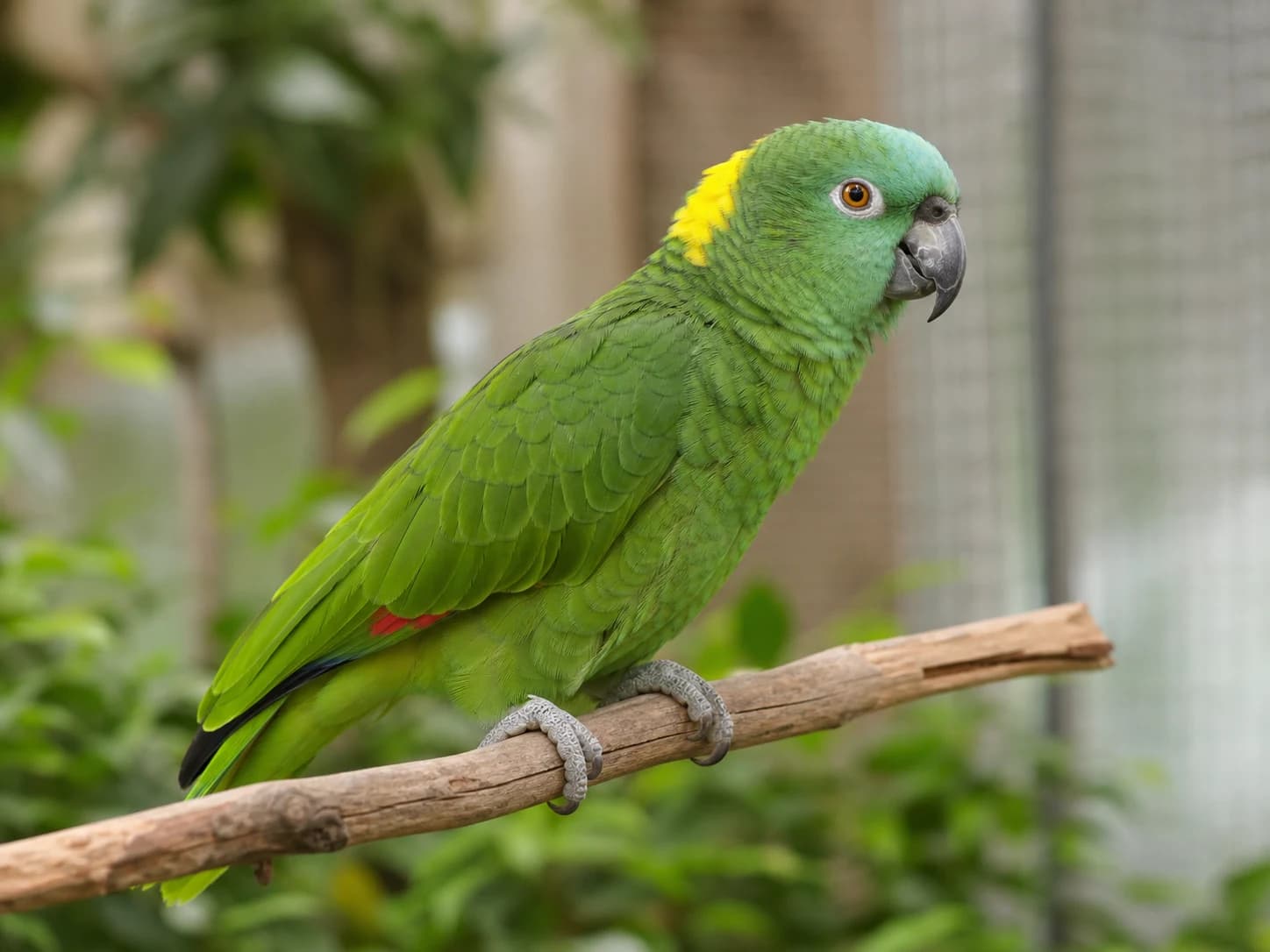
Yellow-naped Amazon Amazon Parrot realistic reference image

Standard label

Yellow-naped Amazon

Variety

Common names

Yellow-naped AmazonAmazona auropalliata

Owner shorthand

Yellow-naped is the best talker among amazons - can mimic human voices convincinglyAmazon during breeding season is a completely different bird - prepare mentally

Look

Green body with bright yellow nape patch. One of the most popular amazons; renowned for talking ability.

Genetics

Natural species, not an artificially bred mutation.

Health & care

Lifespan 60-80 years. Robust constitution; but during breeding season (usually once a year) temperament changes dramatically, may even attack owners.

Sexing tip

Males and females look identical; DNA testing required.
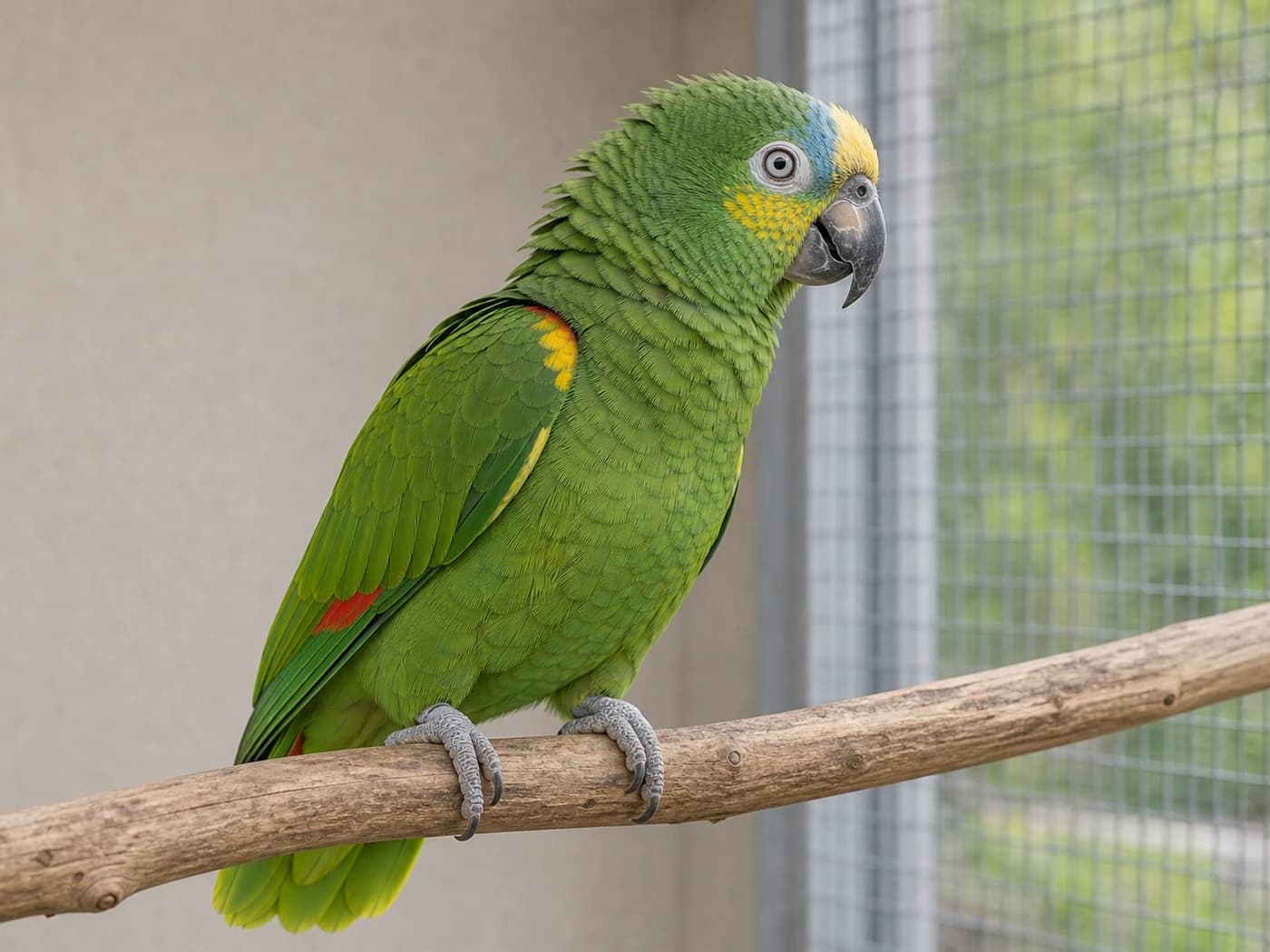
Blue-fronted Amazon Amazon Parrot realistic reference image

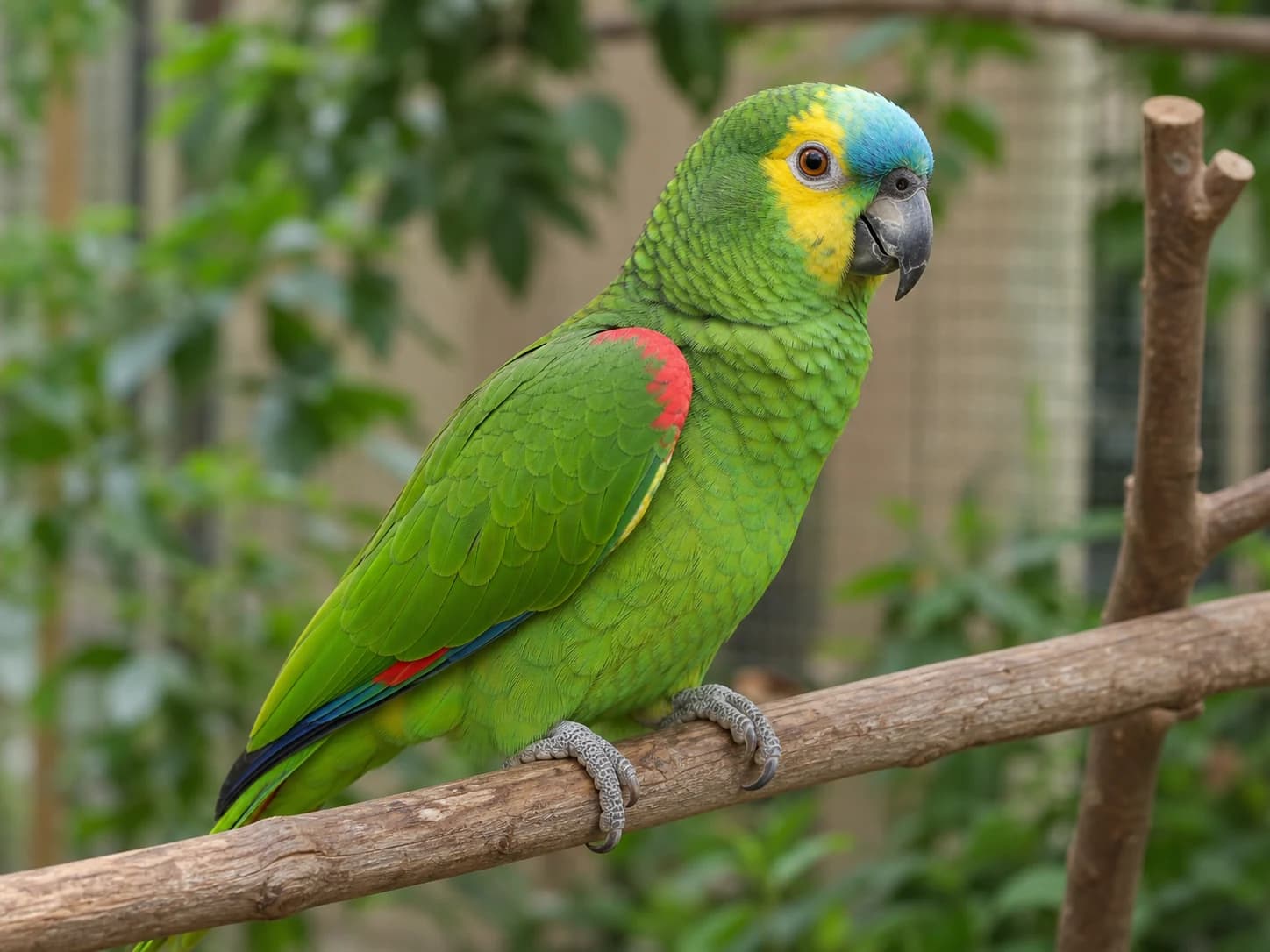
Standard label

Blue-fronted Amazon

Variety

Common names

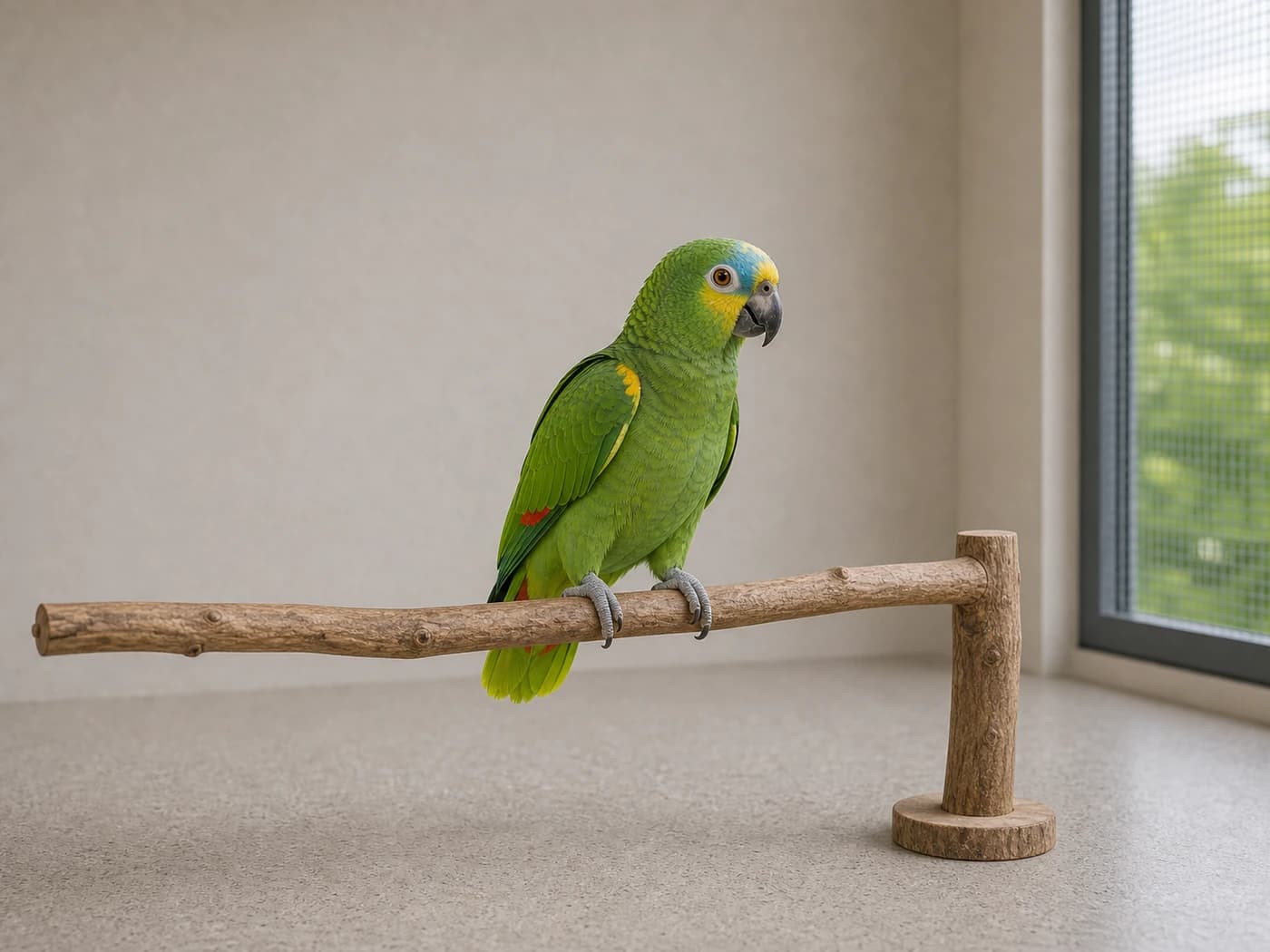
Blue-fronted AmazonAmazona aestiva

Owner shorthand

Blue-fronted is the most common pet amazon with a relatively stable temperament

Look

Green body, blue forehead, yellow face, red wing patches. One of the most popular amazons.

Genetics

Natural species, not an artificially bred mutation.

Health & care

Lifespan 50-60 years. Robust constitution; highly adaptable.

Sexing tip

Males and females look identical; DNA testing required.
Orange-winged Amazon Amazon Parrot realistic reference image

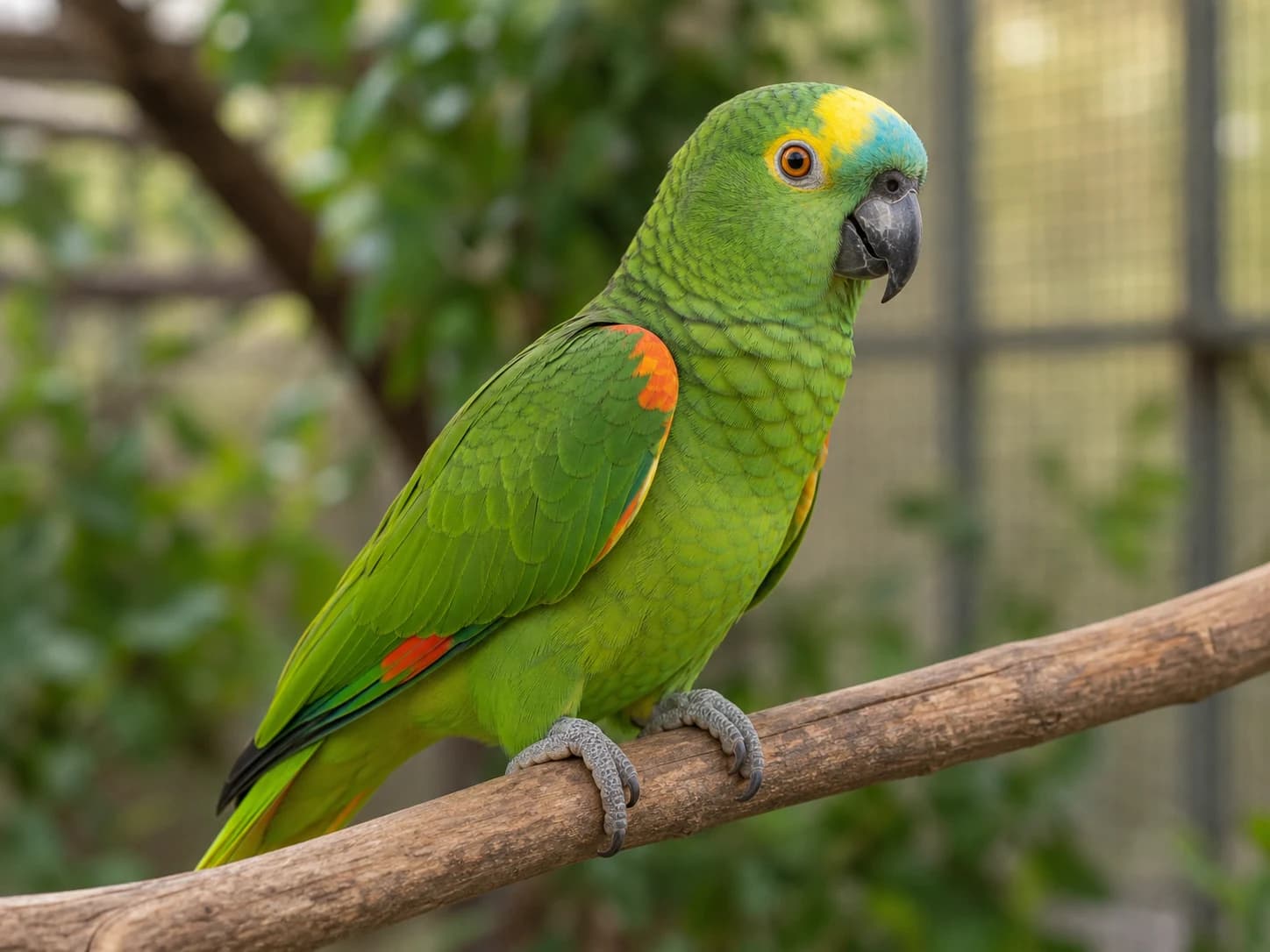
Standard label

Orange-winged Amazon

Variety

Common names

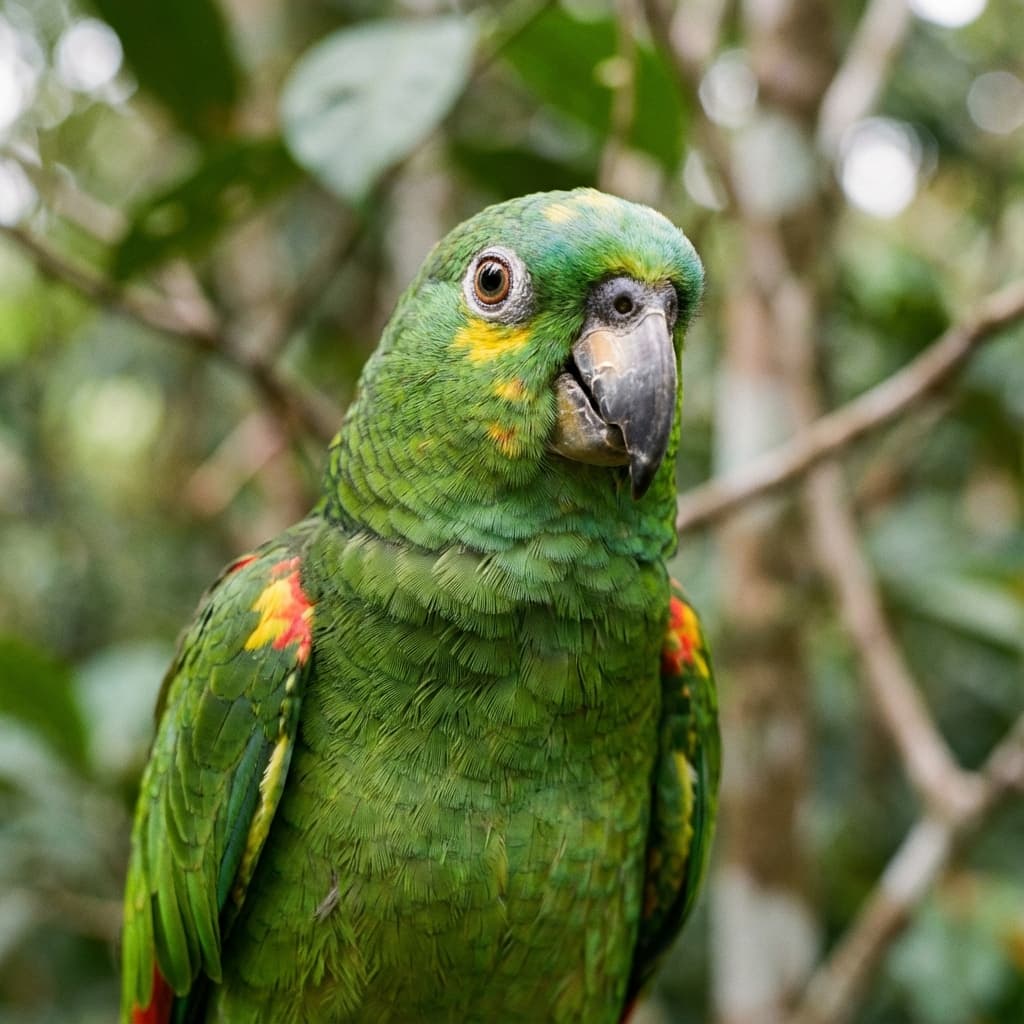
Orange-winged AmazonAmazona amazonica

Owner shorthand

Orange-winged is the entry-level amazon - relatively affordable

Look

Green body, blue-yellow forehead, orange wing patches. Medium size; a fairly common pet amazon.

Genetics

Natural species, not an artificially bred mutation.

Health & care

Lifespan up to 50 years. Good constitution.

Sexing tip

Males and females look identical; DNA testing required.
Double Yellow-headed Amazon Amazon Parrot realistic reference image

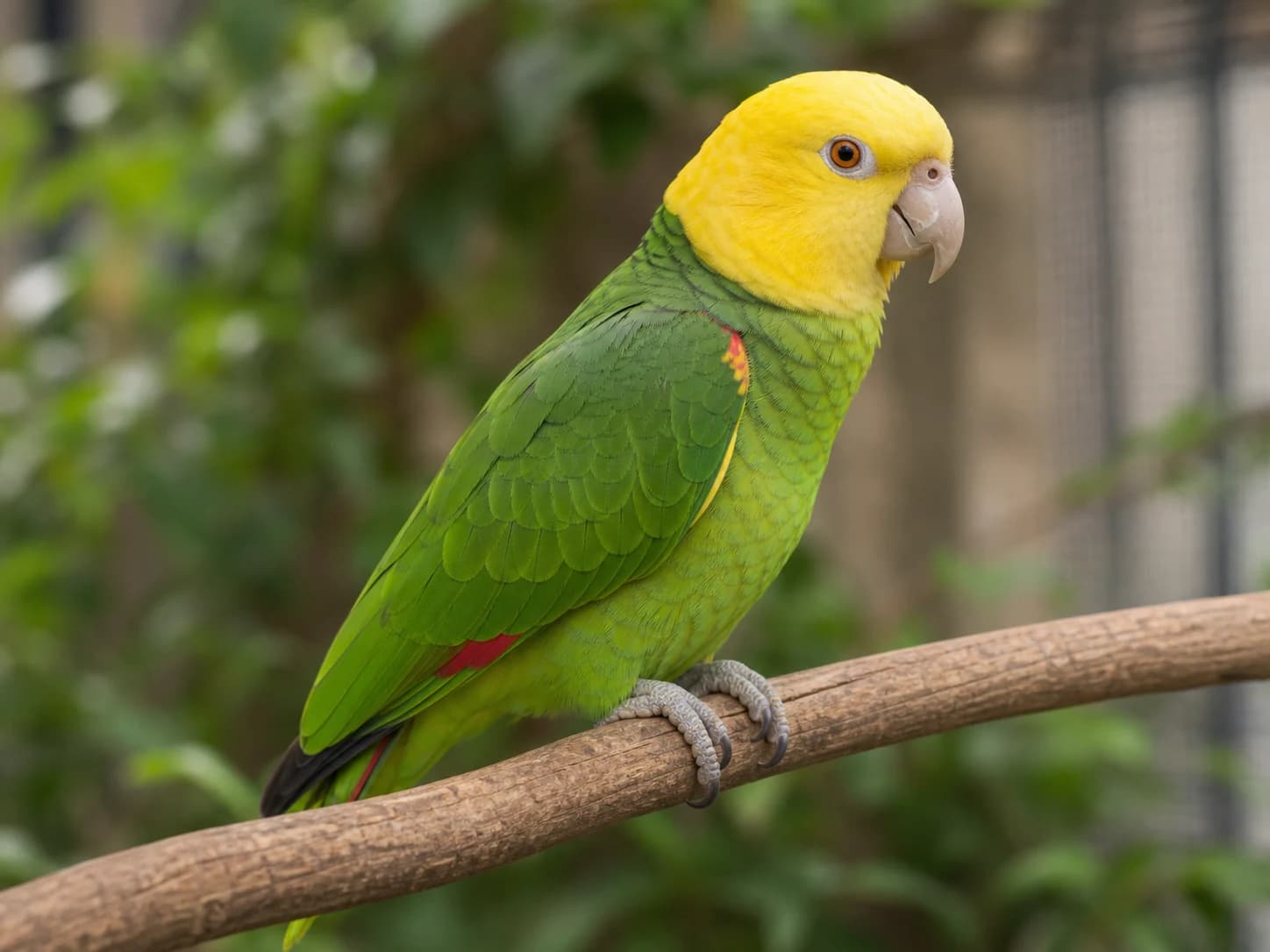
Standard label

Double Yellow-headed Amazon

Variety

Common names

Double Yellow-headed AmazonYellow-headed AmazonAmazona oratrix

Owner shorthand

Double yellow-headed is the opera singer of amazonsYoung double yellow-heads have minimal yellow; coverage increases dramatically with age

Look

Green body, fully yellow head (in adults). One of the best-talking amazons. Young birds have minimal yellow; yellow coverage increases with age.

Genetics

Natural species, not an artificially bred mutation.

Health & care

Lifespan 60-80 years. Robust constitution; highly aggressive during breeding season.

Sexing tip

Males and females look identical; DNA testing required.
Naming Notes

Chinese owner phrases, English common names, and market labels often do not translate one-to-one, so the tricky parts are separated here.

Common aliases

yellow-naped Amazonblue-fronted Amazondouble yellow-headed Amazon

Yellow-naped, blue-fronted, orange-winged, and double yellow-headed Amazons are distinct species/types, not life stages.

Pinning means rapid pupil constriction/dilation, not literal pinning.

Hormonal-season jokes mean behavior thresholds shift, not that the bird has become bad.

Detailed Field Notes

These notes isolate details that are easy to mistranslate, oversimplify, or overclaim. Each one separates the claim, why it matters, and what an owner should do.

6 notes

Eye pinning needs whole-body context

Behavior-guide supported

Careful claim

Rapid pupil pinning in Amazons can mean excitement, social interest, alertness, or a rising aggression threshold.

Why it matters

Calling eye pinning happy eyes by itself is risky.

Owner action

Read tail fanning, forward lean, gait, head and neck feathers, and vocal volume together.

Hormonal season can feel like a different bird

Owner-common + behavior guidance

Careful claim

During hormonal periods, Amazons may guard cages or people, get louder, strut more, and tolerate less handling.

Why it matters

This is not the bird becoming bad; thresholds and motivation have changed.

Owner action

Manage light, nest-like spaces, touch zones, calorie density, and visitor interaction.

Tail fan and strut can mean lower the heat

Behavior-guide supported

Careful claim

Tail fanning, forward pressure, strutting, and loud singing often mean rising arousal, not a green light to keep hyping the bird.

Why it matters

Amazon showmanship is charming, but over-arousal can become bite prelude.

Owner action

Pause approach and redirect to stationing, foraging, or distance rewards.

Talking reputations are not guarantees

Care experience, cautious phrasing

Careful claim

Yellow-naped and double yellow-headed Amazons have strong speech and singing reputations, but individual, training, and environment differences are large.

Why it matters

Talking ability should not be written as a purchase guarantee.

Owner action

Set goals around stable interaction and manageable sound, not vocabulary alone.

Visitors and unfamiliar hands are high risk

Behavior-experience supported

Careful claim

When territorial, an Amazon may warn or bite when visitors approach the cage, favorite person, or regular station.

Why it matters

A bird being entertaining at home does not mean strangers can handle it.

Owner action

Visitors should not reach; use distance treat tosses, station training, and owner-managed spacing.

Singer still needs weight management

Veterinary nutrition supported

Careful claim

Amazons can gain excess weight when high-calorie foods, low flight, and too many training treats stack up.

Why it matters

Their performer energy does not automatically mean enough exercise.

Owner action

Weigh regularly, limit nuts and fatty seeds, and use flight, stationing, and foraging for activity.

Community Notes

These are the phrases owners commonly use when talking about Amazon Parrots in real communities.

opera singer of parrots

Literal meaning

A parrot with a theatrical singing voice.

Actual meaning

Amazons often have big voices, rhythm, and display energy.

Used when

Used when the bird sings and dances.

Care implication

Joy can tip into over-arousal; learn to lower stimulation.

hormonal season changes the bird

Literal meaning

The bird can seem different during hormonal season.

Actual meaning

Cage guarding, person guarding, bite threshold, and display can shift.

Used when

Used when seasonal behavior intensifies.

Care implication

Reduce nest cues, manage touch, and avoid confrontation.

double yellow-heads can sing

Literal meaning

Double yellow-headed Amazons are famous for singing.

Actual meaning

A common reputation, but individuals vary strongly.

Used when

Used when comparing Amazon vocal reputations.

Care implication

Do not buy for singing alone; assess noise and lifespan first.

Behavior Reading

Read posture, eyes, feathers, and beak use as a sequence: what you see, what it usually means, what not to assume, and what to do next.

Amazon Parrot Eye pinning behavior reference image

Eye pinning

What you see

Pupils rapidly constrict and dilate while the body energizes.

Usually means

Excitement or rising attack threshold.

Do not misread

Not simply cute eyes.

Owner action

Pause stimulation and read tail, neck feathers, and stance.

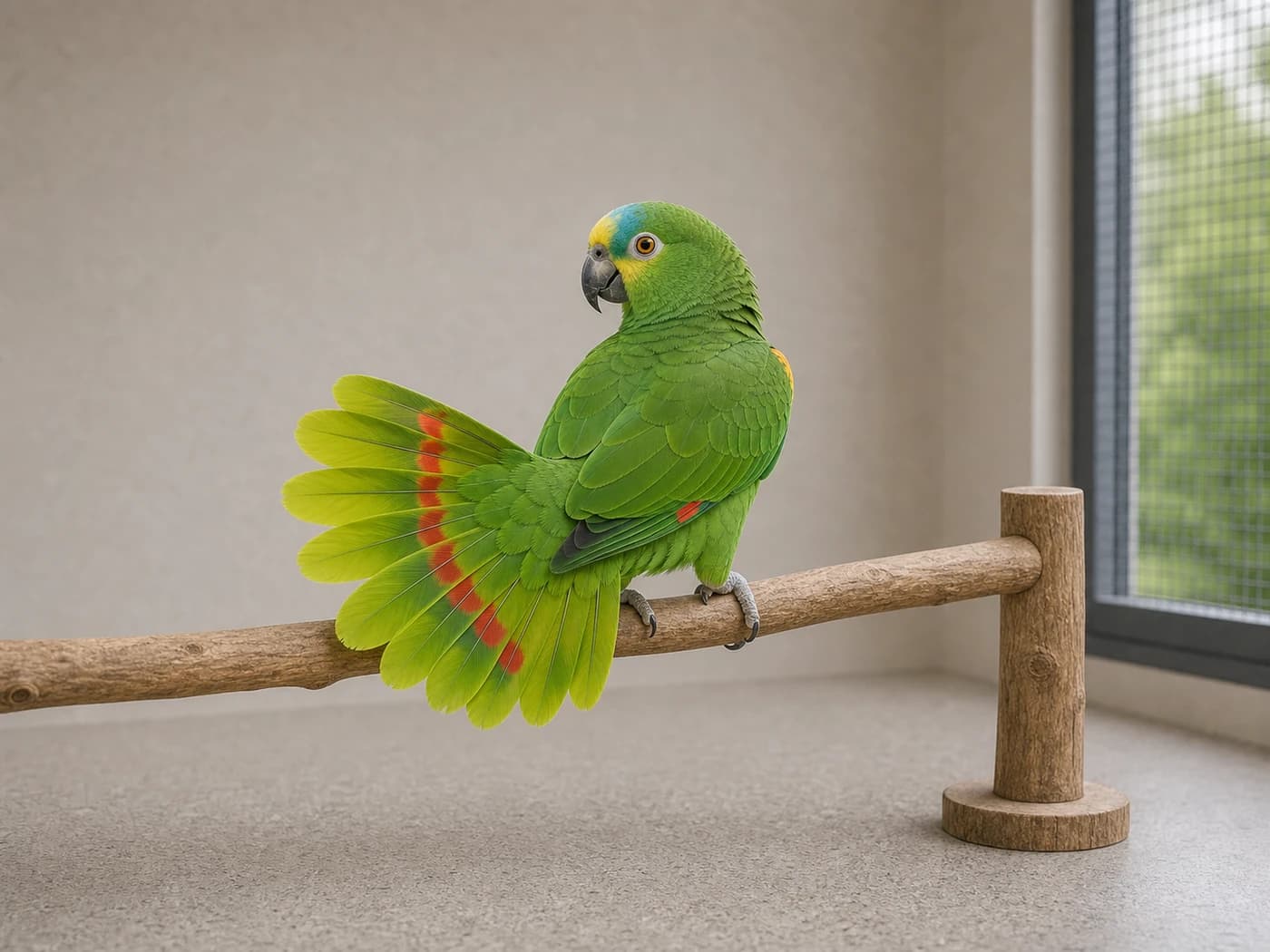
Amazon Parrot Tail fanning behavior reference image

Tail fanning

What you see

Tail spreads and the body looks larger.

Usually means

Arousal is rising, either display or warning.

Do not misread

Do not keep teasing at this point.

Owner action

Give space and interact after arousal drops.

Amazon Parrot Hormonal cage or person guarding behavior reference image

Hormonal cage or person guarding

What you see

Drives others away from cage or favorite person.

Usually means

Hormonal territorial and mate-like behavior.

Do not misread

Do not romanticize guarding as loyalty.

Owner action

Use multi-person training, reduce nest cues, and avoid back touching.

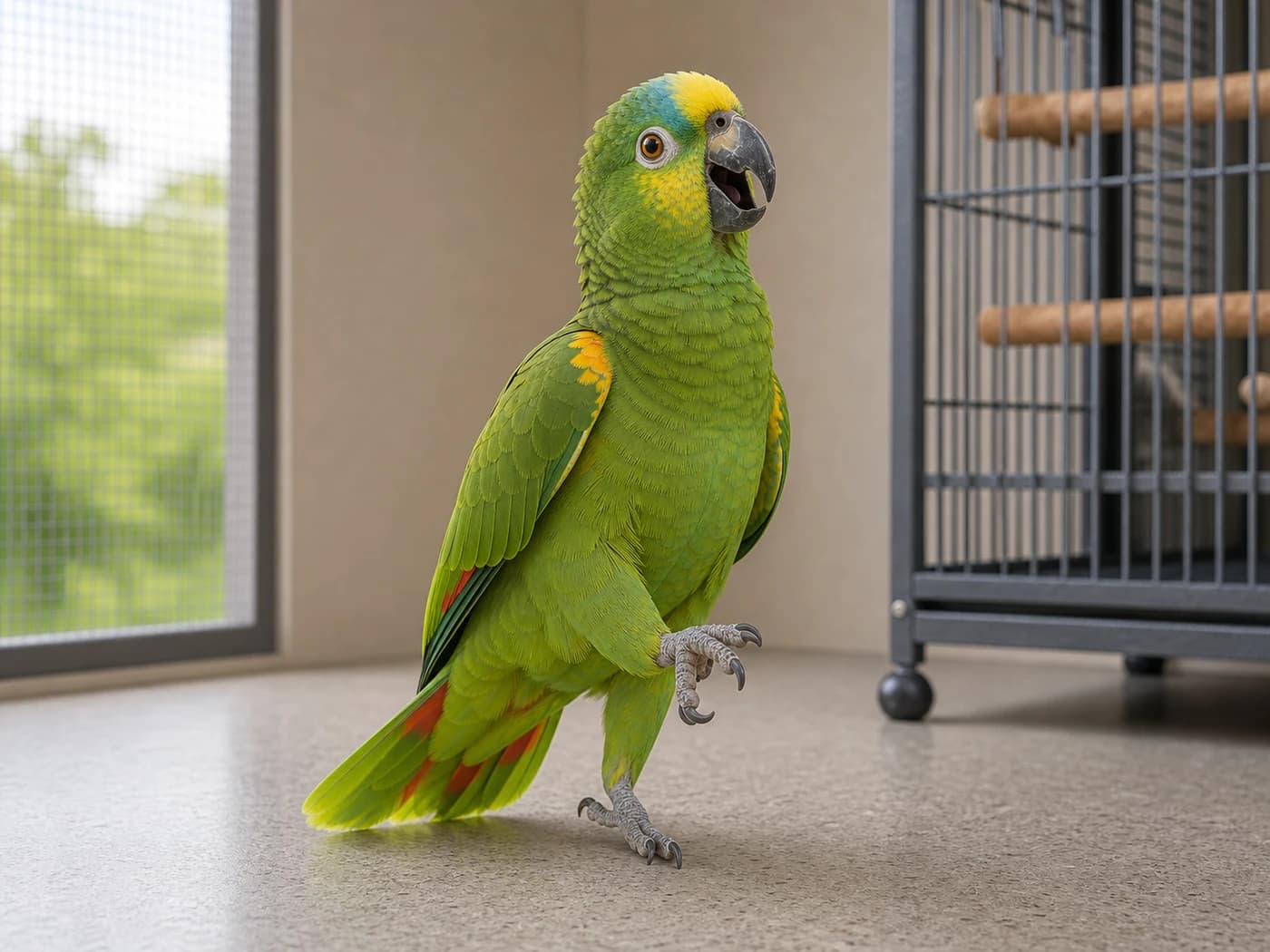
Amazon Parrot Singing and swaying behavior reference image

Singing and swaying

What you see

Sings, sways, slightly opens wings, and displays.

Usually means

Happy but potentially over-aroused.

Do not misread

Do not keep escalating excitement.

Owner action

Keep sessions short and add calm tasks.

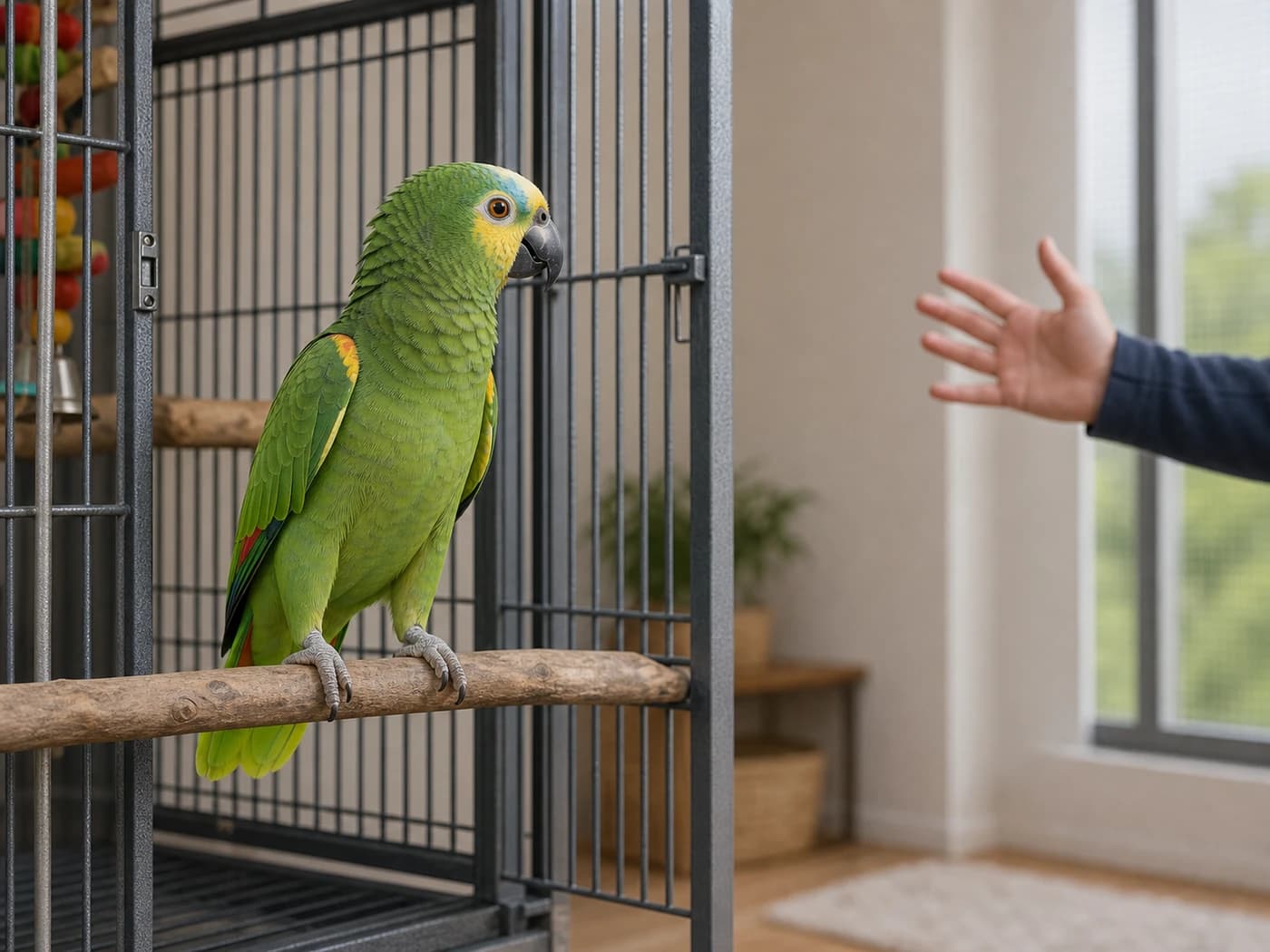
Amazon Parrot Territorial around visitors behavior reference image

Territorial around visitors

What you see

Stiffens, stares, or lunges when visitors approach cage or person.

Usually means

Territorial behavior makes unfamiliar hands risky.

Do not misread

Do not let visitors test with fingers.

Owner action

Use distance, treat tossing, and target work first.

Growth Stages

This timeline keeps the typical development from egg to adult in one place so you can compare looks, feather changes, and feeding milestones.

Amazon Parrot Egg growth-stage reference image

Egg

Incubation

Age range

Look

Amazon Parrot plumage is not visible yet; shell condition, parent behavior, and incubation stability matter most.

What people watch

Avoid unnecessary disturbance; focus on humidity, temperature, parent stress, and hygiene.

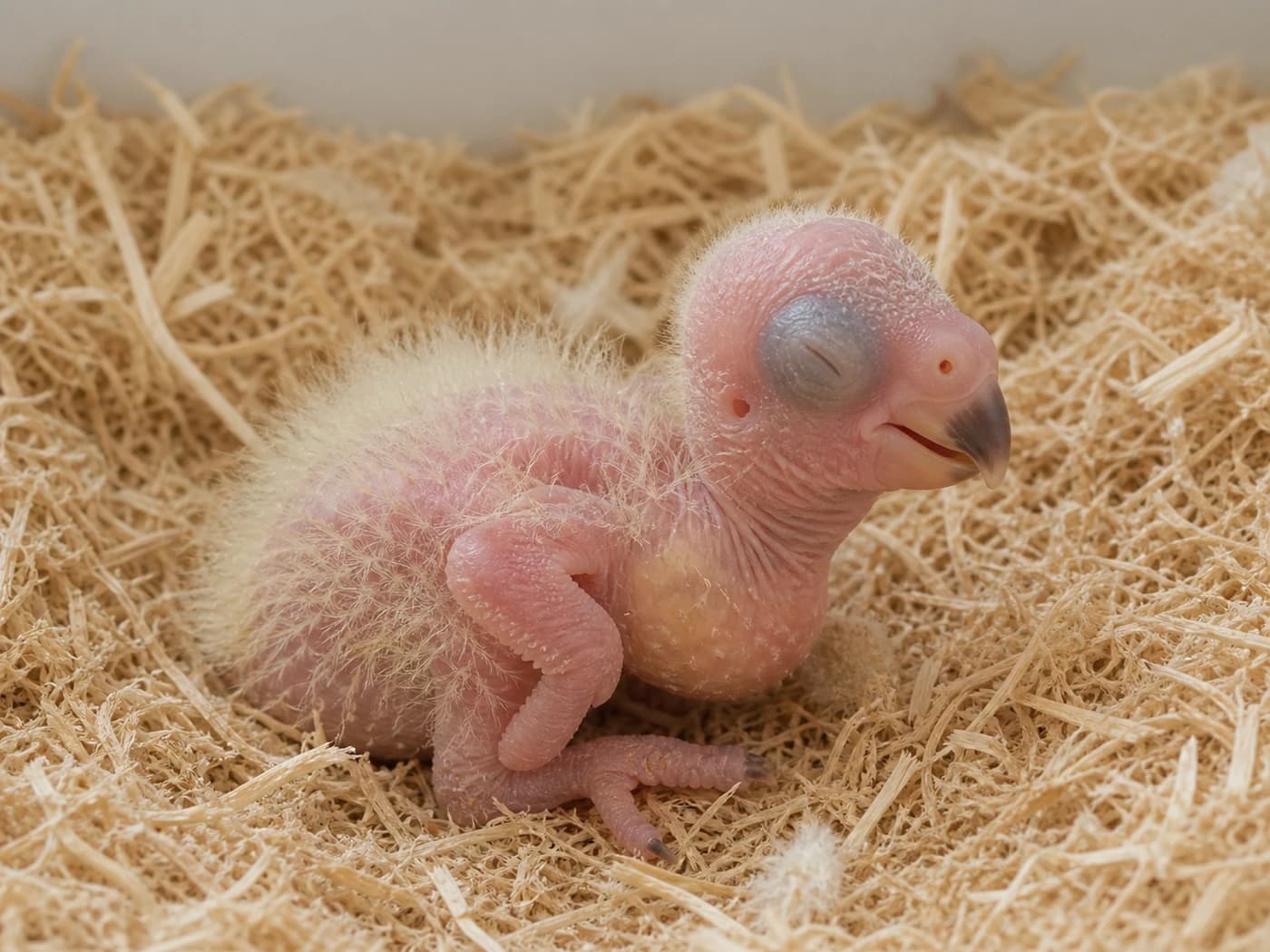
Amazon Parrot Hatchling growth-stage reference image

Hatchling

0-7 days after hatch

Age range

Look

Newly hatched Amazon Parrot chicks are delicate and mostly bare, so final color cannot be judged reliably yet.

What people watch

Watch warmth, crop filling, and feeding stability; visuals should be gentle, educational, and not graphic.

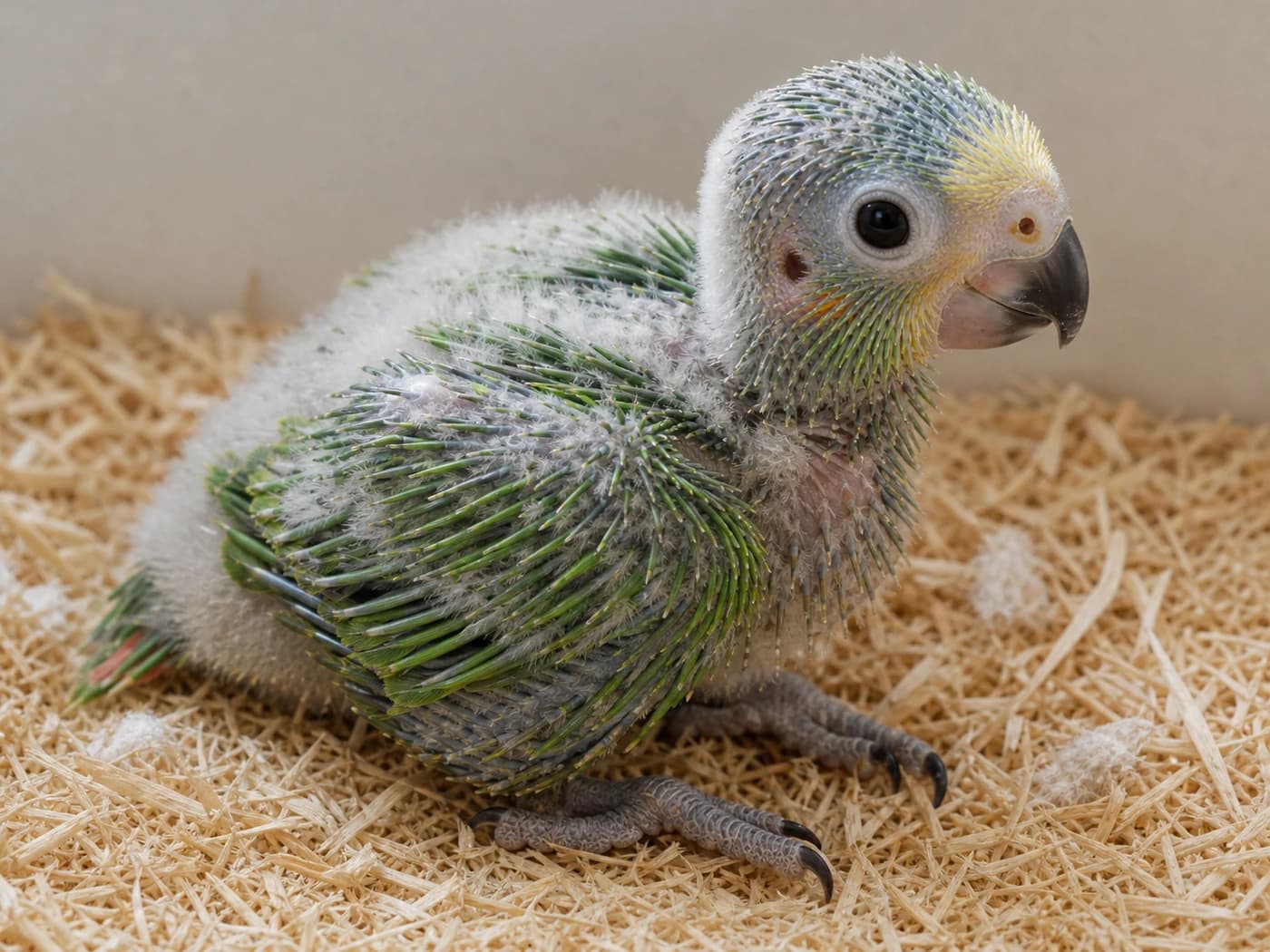
Amazon Parrot Pin feather stage growth-stage reference image

Pin feather stage

About 2-4 weeks, varying by species size

Age range

Look

Amazon Parrot chicks begin showing pin feathers, and early color direction or wing and face patterning starts to emerge.

What people watch

Do not force pin feathers open; monitor warmth, nutrition, and skin condition.

Amazon Parrot Young chick growth-stage reference image

Young chick

About 1-2 months, varying by species size

Age range

Look

Amazon Parrot now looks like a small bird, with clearer posture, plumage, eyes, and exploration behavior.

What people watch

Focus on socialization, gentle handling, safe movement, and gradual food variety.

Amazon Parrot Weaning / juvenile growth-stage reference image

Weaning / juvenile

Around weaning through juvenile molt

Age range

Look

Amazon Parrot looks closer to an adult, but coordination, bite control, and emotional regulation are still developing.

What people watch

Do not force early weaning; watch independent eating, weight stability, flight, and basic training.

Amazon Parrot Adult growth-stage reference image

Adult

After juvenile molt and maturity

Age range

Look

Amazon Parrot plumage and proportions are more stable, and long-term patterns in temperament, noise, hormones, and territory become clearer.

What people watch

Long-term care shifts toward diet, exercise, enrichment, hormone management, and annual health checks.

What to Know

Have a hormone-season plan

Hormonal season needs light, touch, nest-cue, and interaction management.

Eye pinning is a key warning

When pinning, tail fan, and forward pressure appear, reduce stimulation.

Guarding is not just loyalty

Person guarding can hurt visitors or family; train social boundaries.

Singing is still loud

Amazon singing can be charming but still carries through homes.

Lower stimulation during hormonal season

During hormonal season, an Amazon may guard the cage or a person, get louder, and tolerate less. Reduce back and tail touching, nesting cues, and rich rewards, then use stationing, foraging, and distance rewards to bring arousal down.

Weight management starts before there is a problem

Amazons can gain weight when flight is limited and high-fat foods take over. Regular weighing, controlled treats, flight, and foraging are better than waiting until fatty-liver risk is already on the table.

First things owners notice

Amazon Parrot usually makes its first impression through Social and affectionate, Highly intelligent, and Stubborn. Treat that as a starting point, not a full personality profile.

When you leave the room

Amazon parrots can be prone to separation anxiety and exhibit clingy behavior. They often use loud vocalizations, including screaming and contact calls, when left alone or separated from their caregivers. This behavior can be a sign of distress or a bid for attention.

Hand-raised vs parent-raised

Hand-raised Amazon parrots are often more socialized with humans and tend to form stronger bonds, making them better pets. They may also be more inclined to mimic human speech at an earlier age. However, some sources suggest that hand-raised birds can be more prone to behavioral problems like separation anxiety and aggression if not properly managed. Parent-raised birds, while potentially less immediately tame, may develop healthier social behaviors with other birds and can still form strong bonds with humans through consistent positive interaction. There is debate on which method is 'better', with some advocating for co-parenting or parent-raising followed by extensive human socialization for a more well-adjusted bird.

Common first mistakes

Not understanding their body language, leading to misinterpretation of their moods. Over-stimulating them, which can lead to aggression. Not providing enough mental stimulation, leading to boredom and destructive behaviors.

Frequently Asked Questions

Listen to Amazon Parrot Call

Volume warning - these birds are loud!

Community Photos

Be the first to share a photo!

Species Comparison

Trait
Amazon Parrot
Amazon ParrotLarge
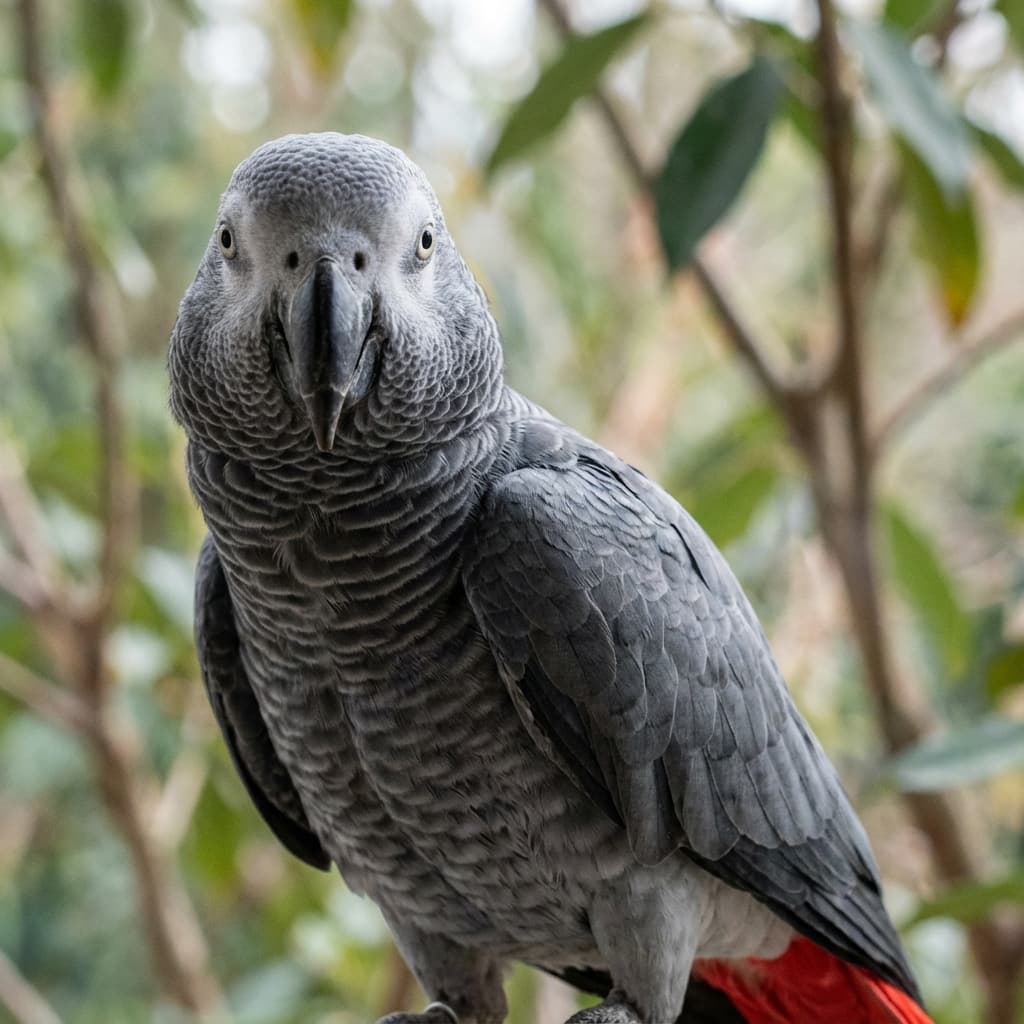
African Grey
African GreyLarge
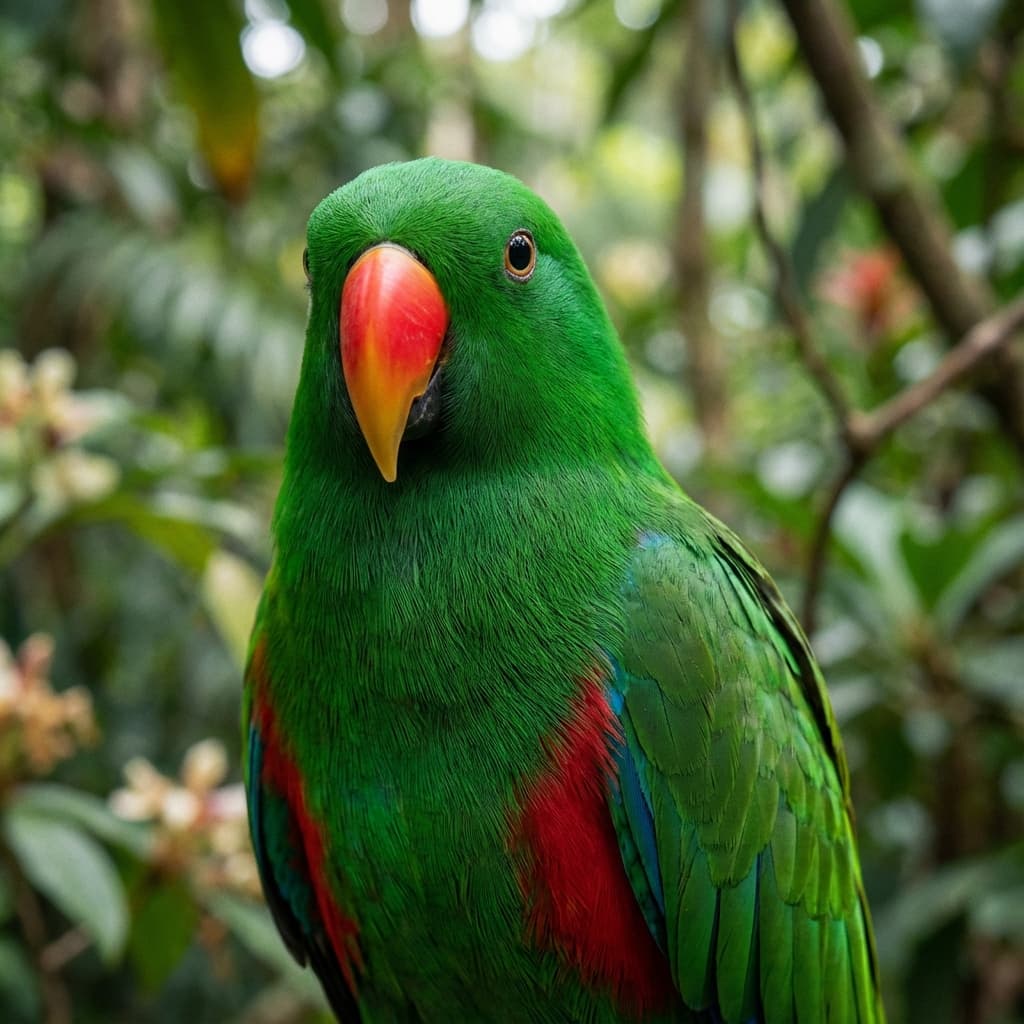
Eclectus
EclectusMedium
Lifespan40-70 years40-60 years30-50 years
NoiseHighMediumLow
TrainingModerateExpertModerate
TalkingExcellent - Outstanding singers and talkers. Can learn 100-300 words with clear speech. Famous for singing opera and mimicking voices with emotion.Exceptional - The best talkers in the parrot world. Can learn 1000+ words with remarkable clarity. Capable of contextual speech and understanding.Very Good - Clear, distinct speech. Can learn 100-250 words. Males tend to be better talkers. Known for speaking in complete sentences.
SizeLargeLargeMedium

Shop Amazon Parrot Products

Food, toys, cages & accessories for large birds

Browse Products