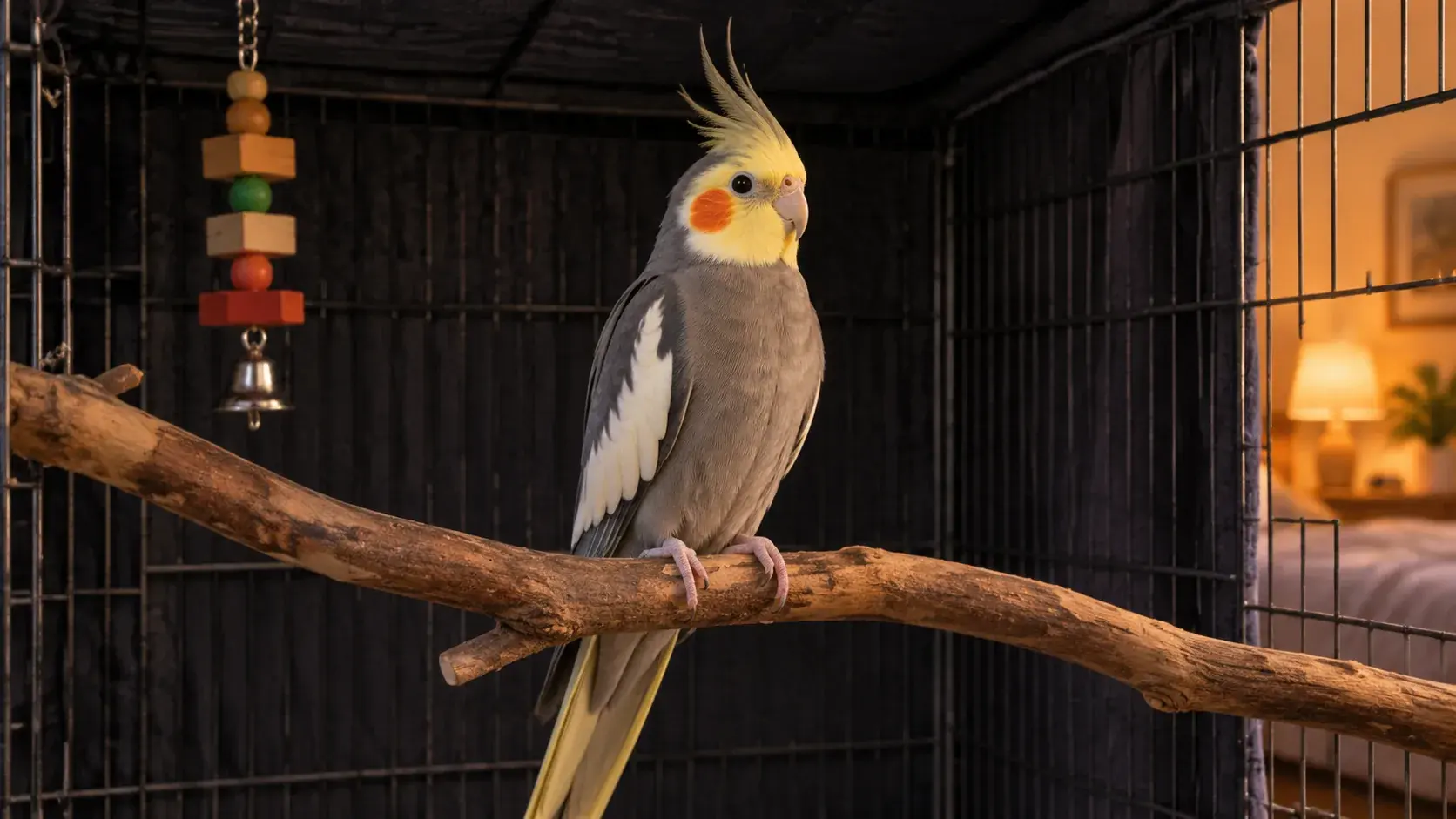
Should your bird have a separate parrot sleep cage or night light? Learn how 460–480nm blue light penetrates thin avian skulls, why small dark cages mimic nest cavities, and how to build a true restorative night routine.
Search online forums for parrot sleep cage advice and you will hear two conflicting extremes: force every bird into a tiny closet cage for 14 hours of darkness, or leave a bright nightlight glowing beside the main cage all night. Avian photobiology tells a much more nuanced story—both mistakes can accidentally trigger territorial biting, endocrine disruption, or feather-destructive behavior.
1. Why Parrots Perceive Light Even With Their Eyes Closed
Humans only sense room brightness through retinal photoreceptors. Birds possess extra-retinal photoreceptors directly inside the hypothalamus and pineal gland—and because a parrot's skull is only a few millimeters thick, ambient room light penetrates straight through bone to suppress melatonin secretion.
- 460–480 nm blue-spectrum sensitivity: Melanopsin and pinopsin receptors react strongly to TV screens, phone glow, streetlamps, and cool-white LED nightlights—convincing your parrot's brain it is still daytime even while its eyelids are shut.
- The >12-hour sleep myth: While uninterrupted 10–11 hour nights match equatorial rhythms, epidemiological studies of captive parrots have found that locking birds in dark covers for excessive 13–14+ hour stretches actually correlates with elevated rates of cage stereotypy and feather picking due to prolonged waking boredom under the sheet.
2. Main Cage + Breathable Cover vs Separate Parrot Sleep Cage
| Setup Option | When It Works Well | Hidden Behavioral Risk to Watch |
|---|---|---|
| Main Day Cage + Breathable Cage Cover | Dedicated bird room or living room quiet by 9 PM | Best choice for most homes—avoids nest-cavity triggers |
| Separate Small Sleep Cage in Quiet Bedroom | Noisy late-night household where living-room lights stay on past 11 PM | If too small, low, and dark, parrots interpret the cramped box as a tree-hollow nest cavity—triggering hormonal cage-guarding! |
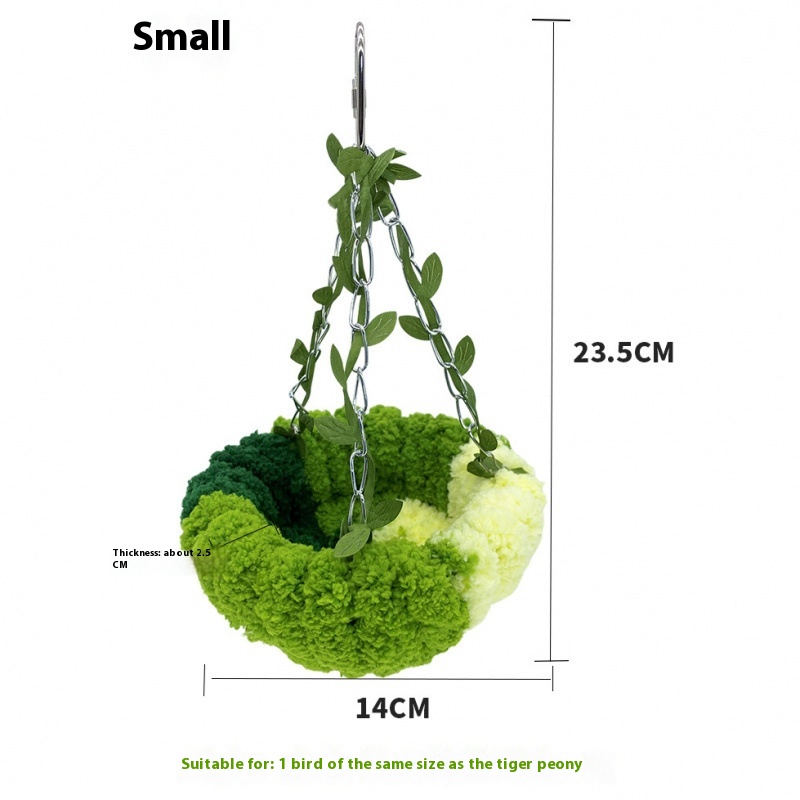
| Plush Tents / Fabric Snuggle Huts | Never recommended for adult parrots | Powerful hormonal trigger plus frayed fiber crop impaction hazard |
3. Four Rules for Restorative Avian Sleep
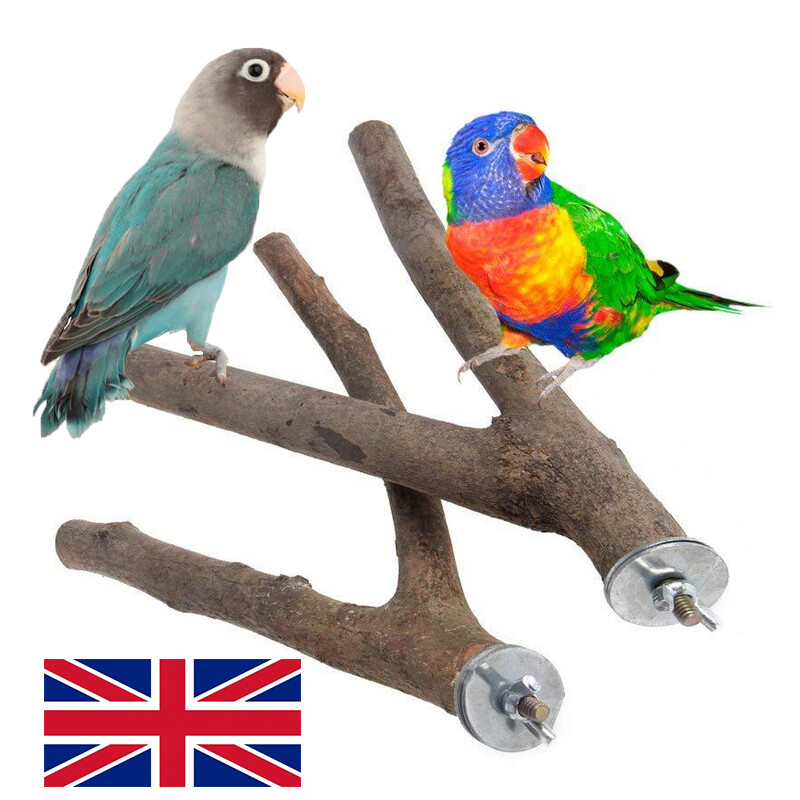
- Respect the 30-minute dusk "roosting" transition: Never snap bright overhead lights straight to pitch black. Dim room lights 20–30 minutes before cover time so your bird eats a final bedtime snack, drinks, and settles onto its highest natural wood roosting perch.
- Keep sleep duration steady at 10–12 hours: Match natural subtropical nights, paired with bright daytime full-spectrum avian UV lighting so circadian contrast stays crisp.
- Size any secondary sleep cage generously: If family noise forces a bedroom sleep cage, use an airy wire roosting cage with a single high natural branch and water cup—never paper bedding shreds or dark cardboard boxes.
- Leave a 2-inch ventilation gap at the bottom of covers: Fresh oxygen circulation prevents CO₂ and feather-dust buildup overnight, especially for dusty species like cockatiels and African Greys.
Frequently Asked Questions
What if my cockatiel gets night frights in total darkness?
Instead of shining a blue-white LED at the cage, leave a 1-inch curtain gap facing a dim hallway warm-amber (<2200K) plug light far from the cage so shadows stay visible without suppressing pineal melatonin.
Why does my parrot grind its beak right after I cover the cage?
Soft beak grinding at dusk is a classic sign of contentment and relaxed roosting readiness—never confuse it with respiratory clicking.