Best Bird Cage for Cockatiels
Cockatiels have long, slender tail feathers that easily fray and break in cramped enclosures. They are also prone to "night frights" where sudden noises cause them to thrash in the dark. A spacious, unobstructed cage significantly reduces feather damage and night fright injuries.
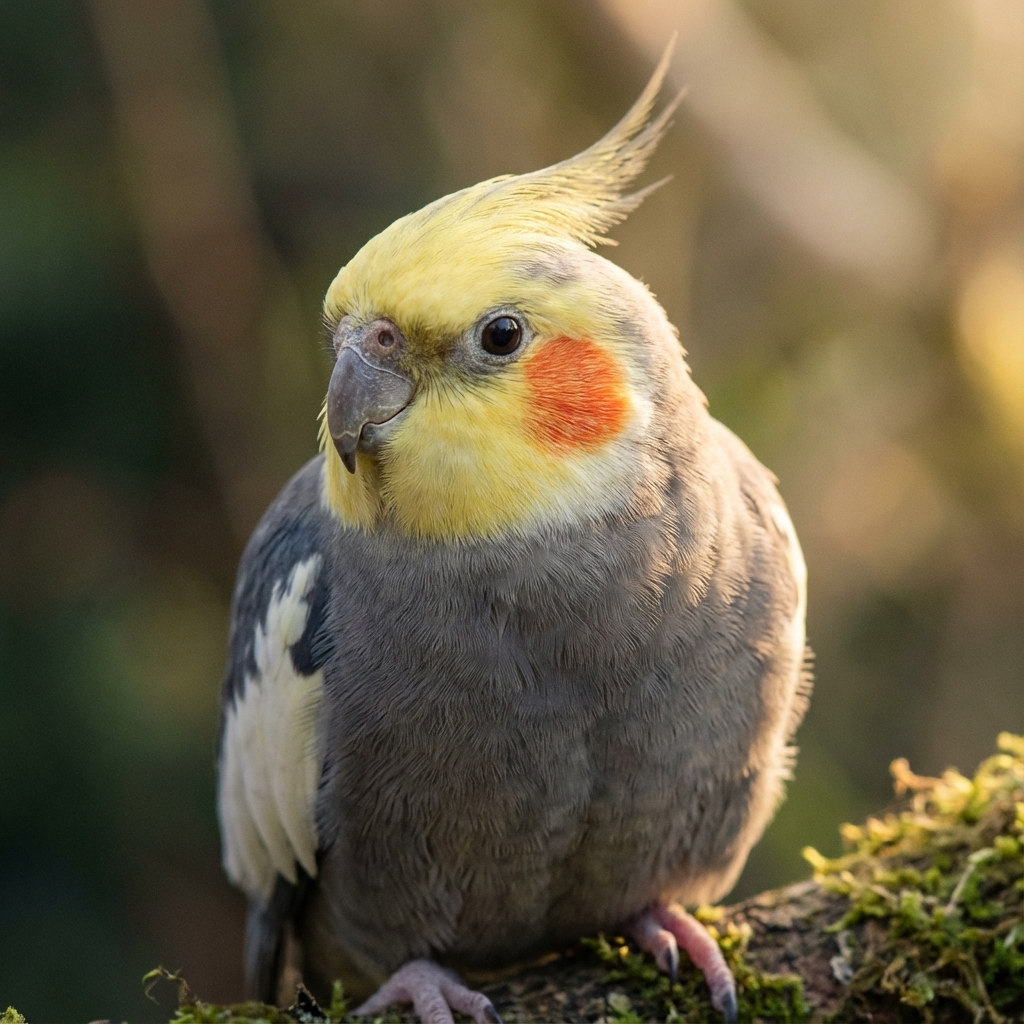
Cockatiel Cage Dimensions & Bar Spacing At-a-Glance
Avian veterinary recommended minimum standards
24"W x 24"D x 30"H
(61 x 61 x 76 cm)32"W x 21"D x 35"H
Optimal active wing flapping space1/2" to 5/8" (1.27 - 1.58 cm)
Strict limit to prevent head entrapment2.5 mm
Resists species beak leverageKey Layout Requirement: Generous vertical & horizontal clearance to prevent frayed tail feathers
Best Cages for Cockatiels
Curated for safe bar spacing, non-toxic finishes, easy cleaning, and durable locks.
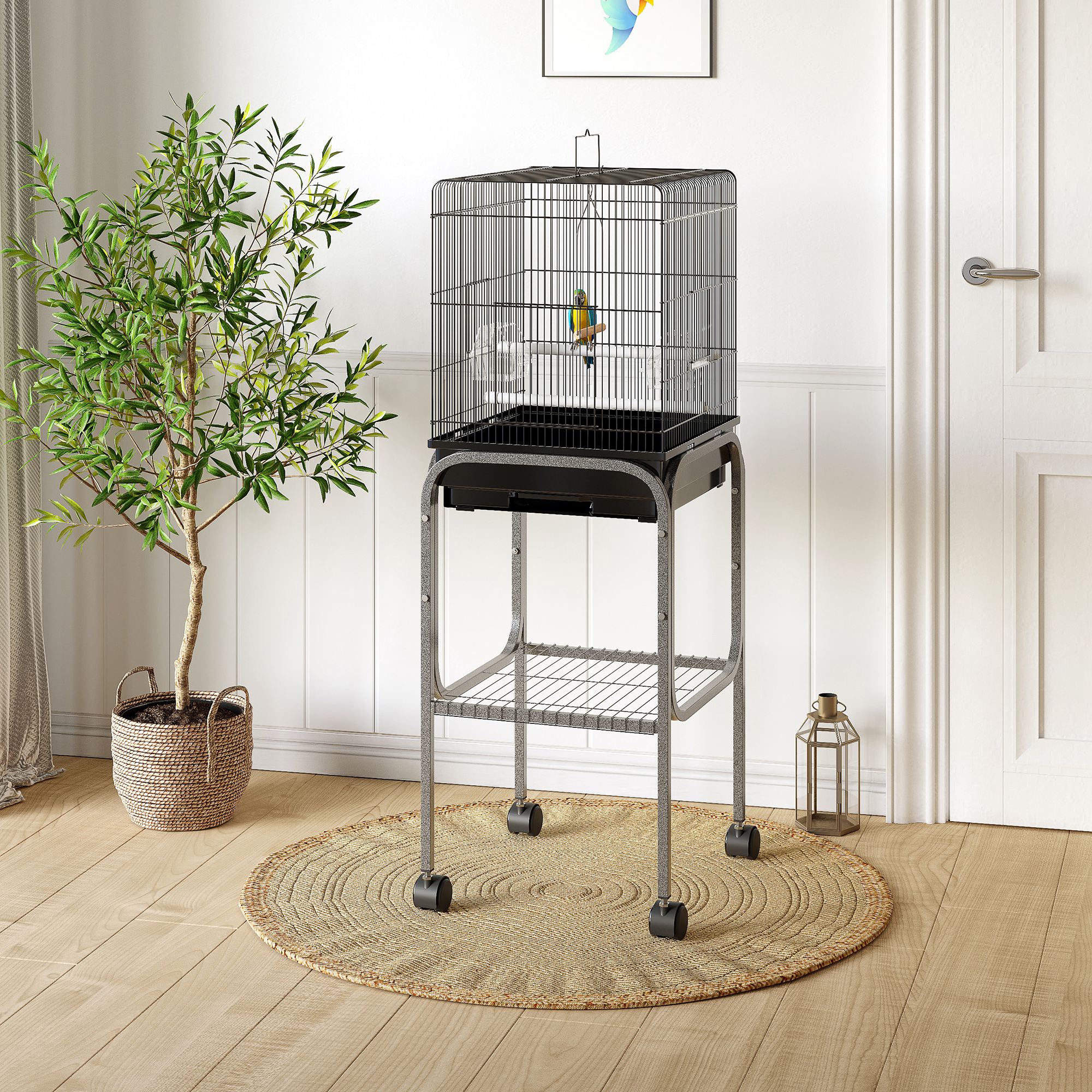 $135.93Best Cockatiel Flight Cage
45-Inch Indoor Bird Cage with Detachable Rolling Stand
Spacious height and width protecting long tail feathers from fraying.
Key Benefits
- Zero tail fraying clearance
- Rolling stand included
- Safe 1/2-inch spacing
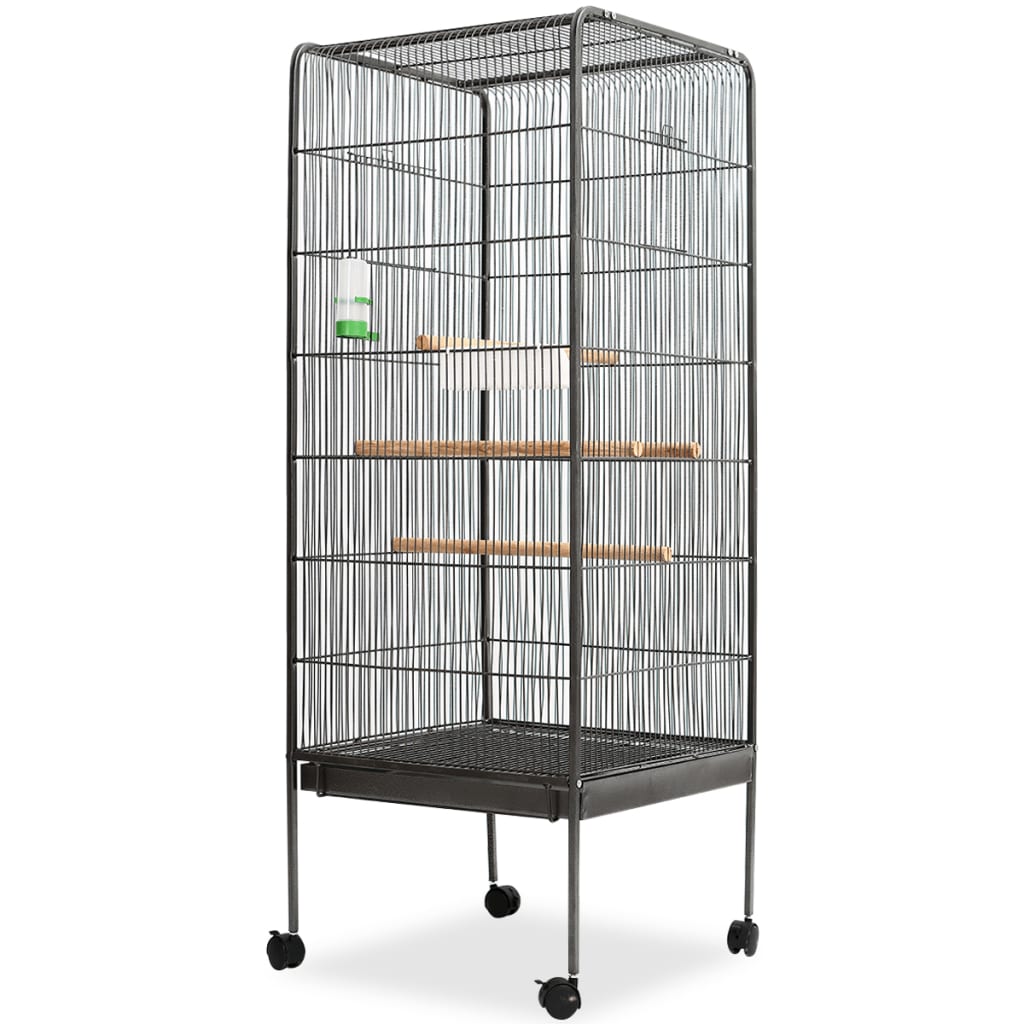 $298.33Best Large Rolling Villa
54 x 54 x 146 cm Heavy-Duty Rolling Bird Cage
Substantial interior volume for cockatiels and conures with tail clearance.
Key Benefits
- Massive interior volume
- Heavy gauge wire
- Durable double tray system
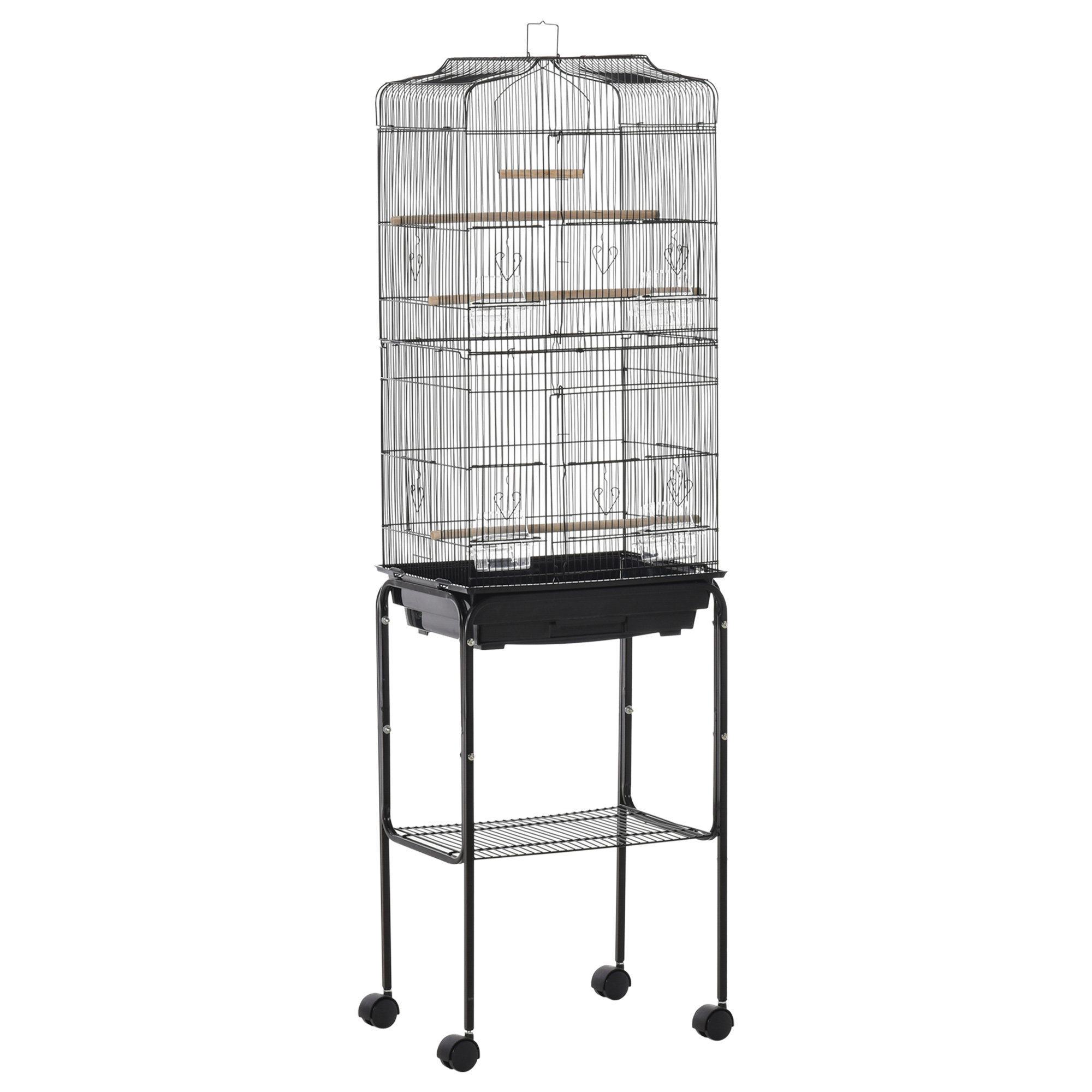 $103.28Best Value Mobile Habitat
PawHut Stand Cage for Small & Medium Parrots
Well-ventilated everyday habitat with wheels and bottom shelf.
Key Benefits
- Affordable entry point
- Easy to move and clean
- Horizontal climbing bars
How to Choose the Right Cage for a Cockatiel
Tail Feather Clearance
A healthy cockatiel tail is 6 to 8 inches long. When the bird turns around on its perch, its tail should not drag against cage bars, food bowls, or floor grates. Look for a cage with at least 24 inches of depth and width.
Safe Bar Spacing: 1/2" to 5/8"
Do not exceed 5/8 inch bar spacing. Young cockatiels can get their heads stuck in 3/4-inch bars. Horizontal bars are essential because cockatiels love climbing around the perimeter.
Layout Designed for Night Frights
Keep the upper third of the cage open. Place the main roosting perch away from hanging toys so the bird has a clear wing path if it startles in the middle of the night.
Dangerous Cage Mistakes to Avoid
These common cage selection errors can cause physical trauma, behavioral disorders, or fatal head entrapment.
Narrow tall cages that crowd tail feathers
Narrow cages force the tail to bend against wire every time the cockatiel perches or eats.
Bar spacing of 3/4 inch or wider
Crest feathers and narrow cockatiel skulls can get wedged between wide bars.
Flimsy wire that bends under climbing weight
Choose solid wrought iron with a powder-coated finish that withstands active wing flapping.
Frequently Asked Questions
What bar spacing is safe for a cockatiel?
1/2 inch is ideal; 5/8 inch is the safe maximum. Never use 3/4-inch bar spacing for cockatiels.
How do I stop my cockatiel from getting night frights in its cage?
Use a low-wattage nightlight near the cage, avoid hanging dangling toys near the sleeping perch, and partially cover the cage with a breathable sheet.