Tracked delivery30-day returns
Back to Bird Hub
Cockatiel

Cockatiel Hub

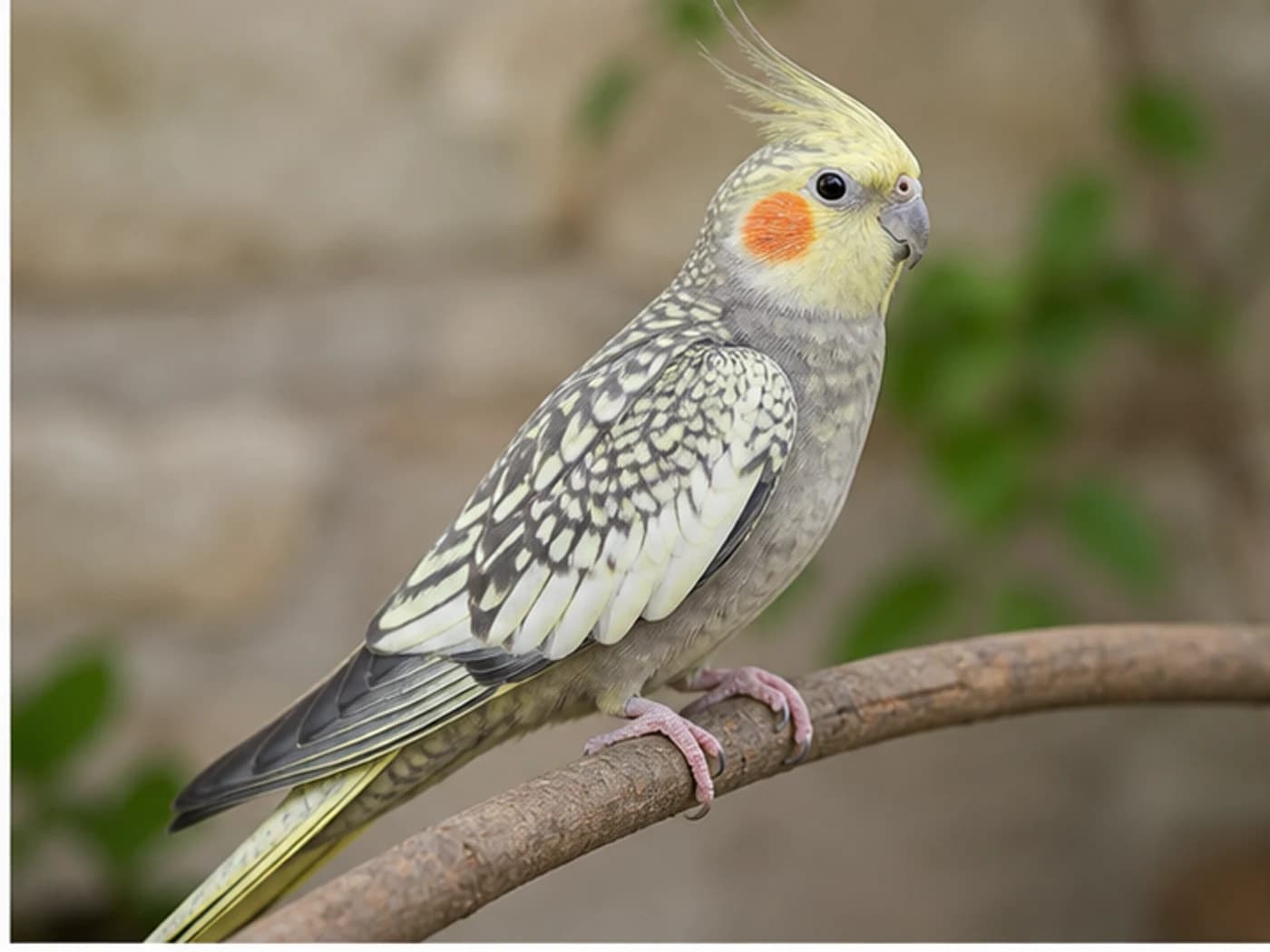
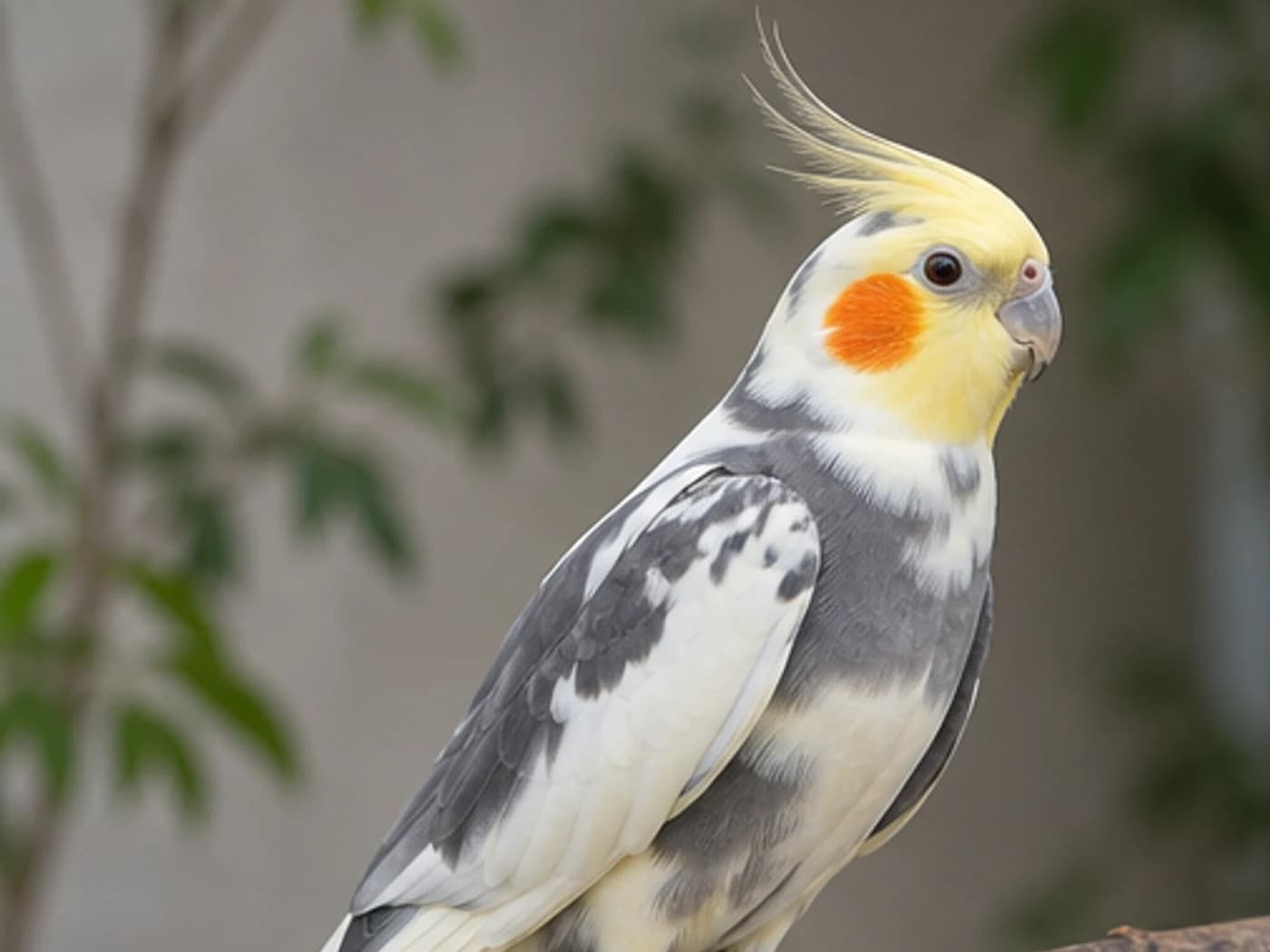
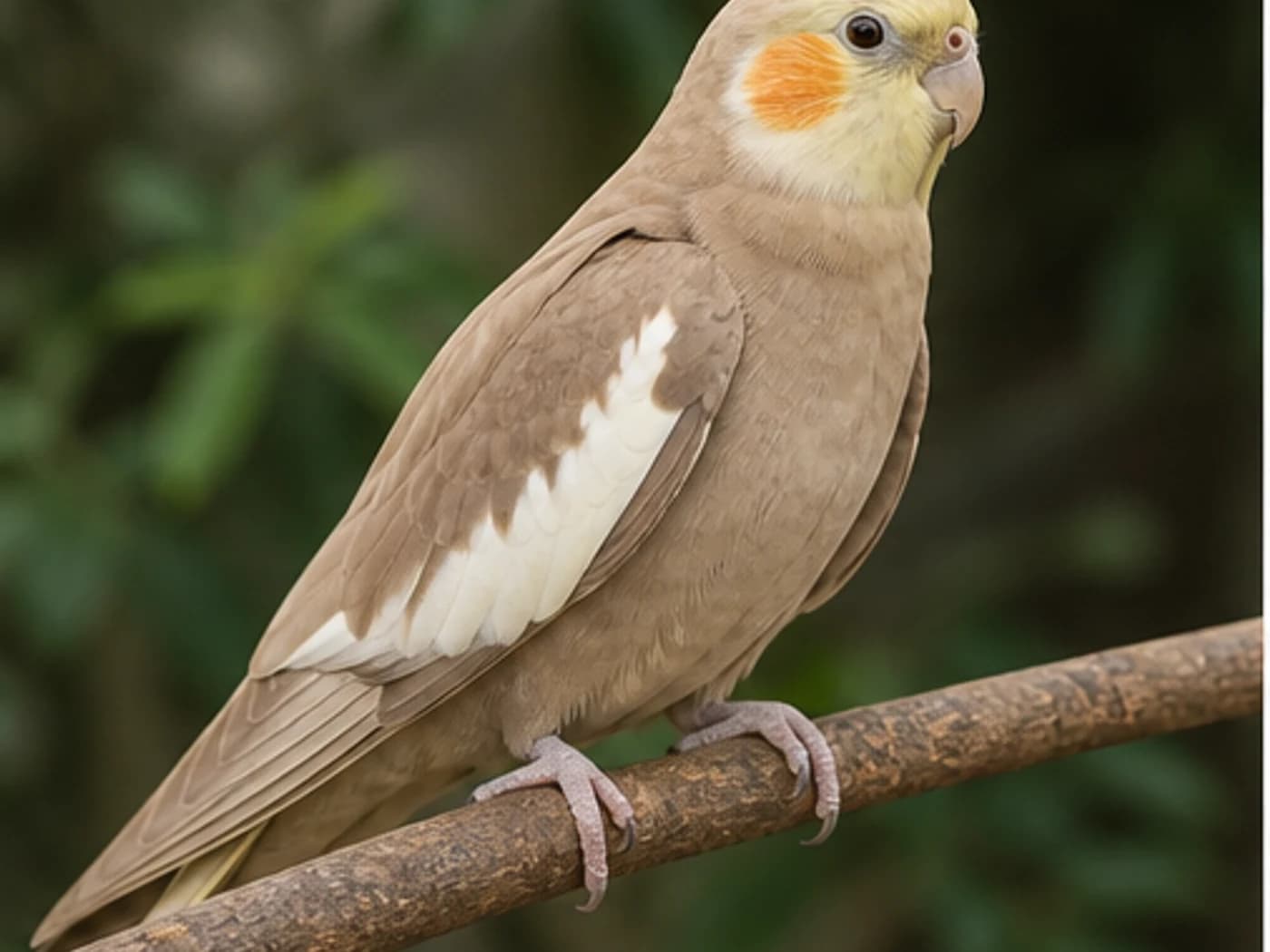
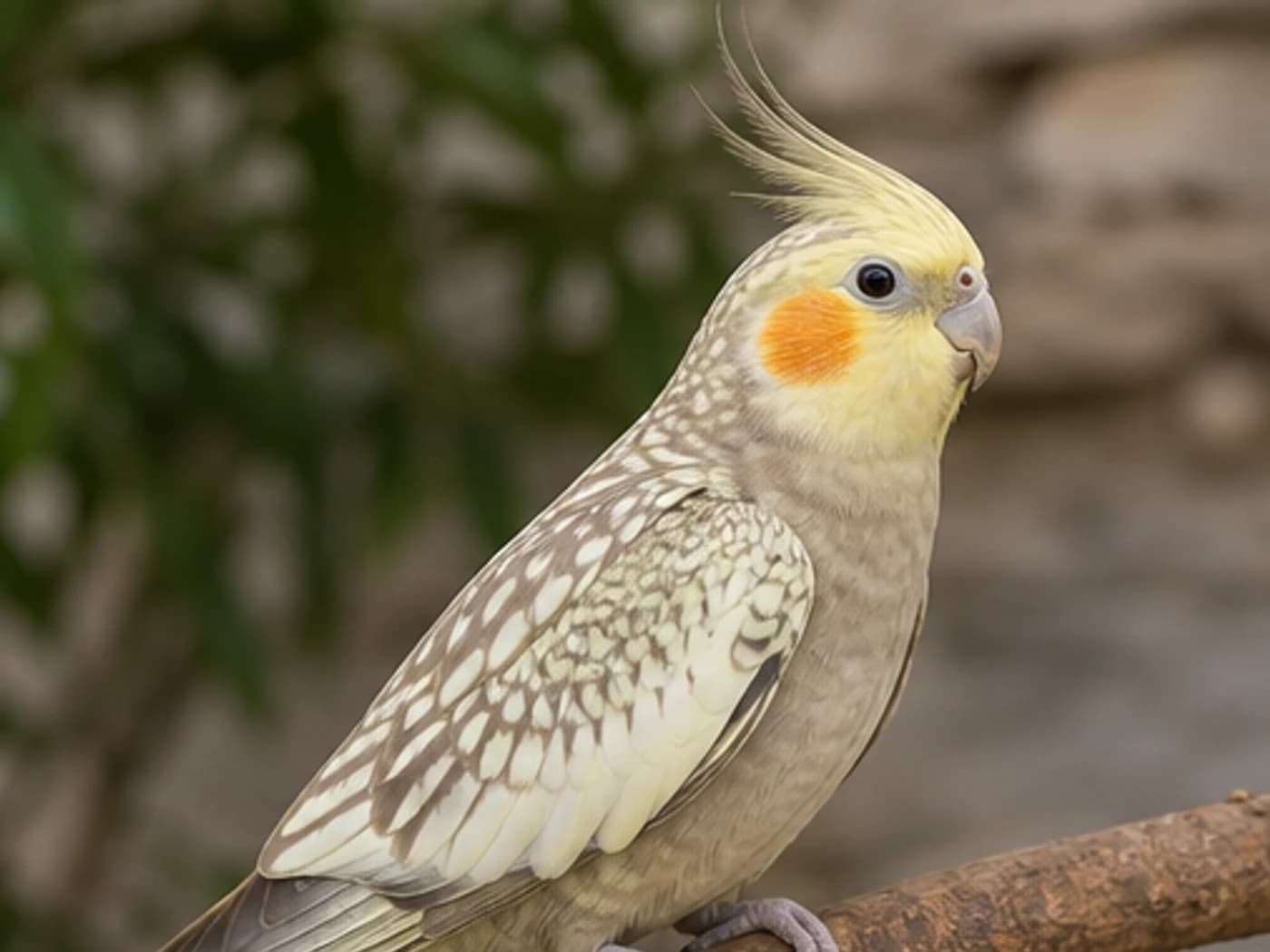
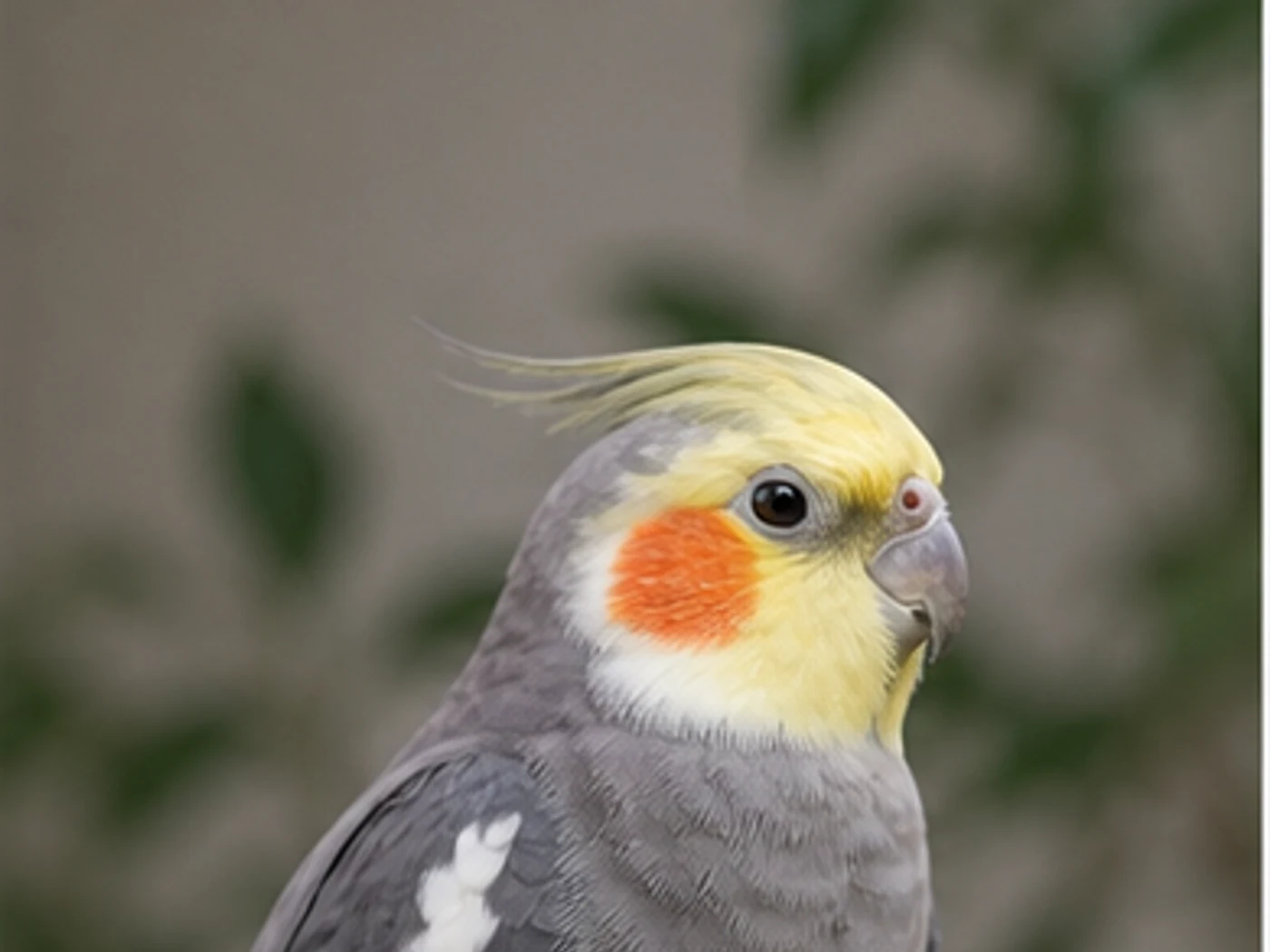
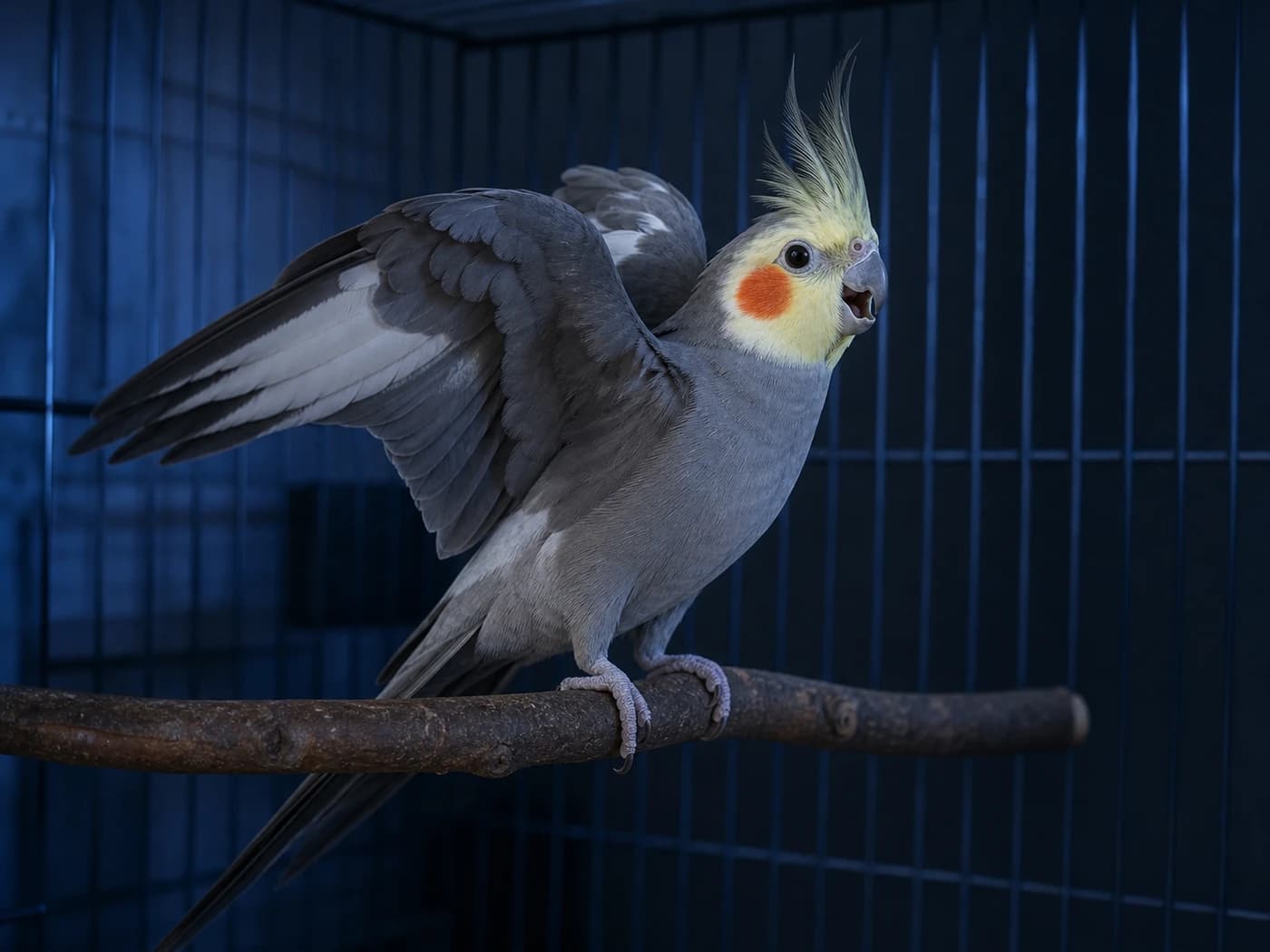
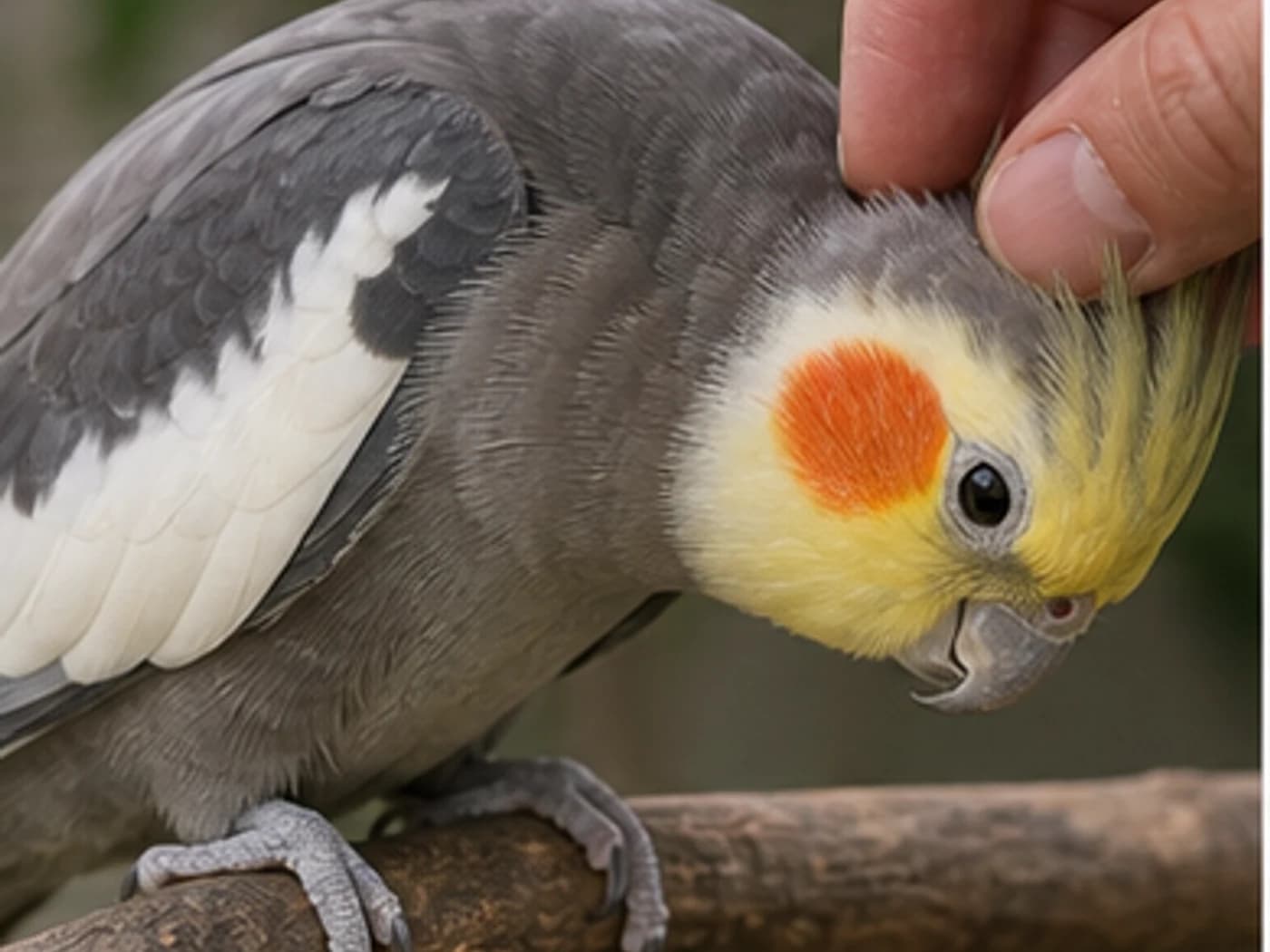
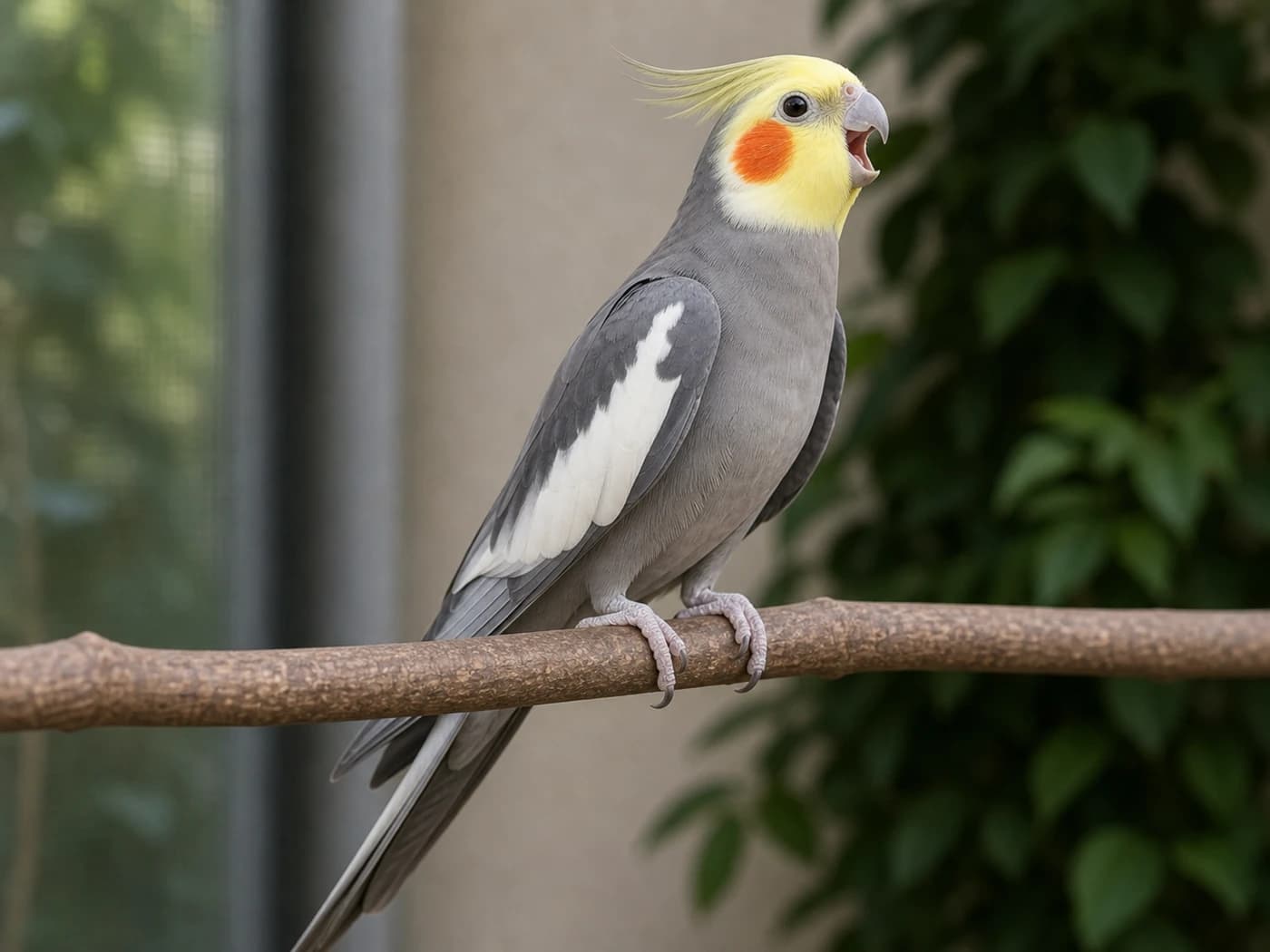
Cockatiels are often a first serious parrot, but the appeal is not big speech or big drama. It is the small body language: a crest that broadcasts mood, a lowered head asking for scritches, and males that may turn short whistles into household background music. The practical side matters too. Cockatiels produce powder down, can have night frights, and lutino or whiteface lutino birds deserve a closer look at nape feathering, eyes, and general condition. They suit people who want gentle daily interaction. They do not suit someone buying a bird mainly for speech or a dust-free home.

At a Glance

Size

Small

Lifespan

15-25 years

Noise

Medium

60-75 dB

Training

Easy

Talking

Limited

Best For

First serious small-parrot keepers
People who enjoy scritches, whistles, and gentle interaction
Homes that can manage feather dust and moderate calls

Not For

Dust-sensitive homes
Owners expecting strong speech ability
People who cannot handle occasional night frights

Noise Comparison

Where does a Cockatiel's call sit against familiar everyday sounds?

68 dB·Medium
QuieterLouder

Whisper · 30 dB

Library · 40 dB

Conversation · 60 dB

Vacuum Cleaner · 75 dB

Measured level

68 dB

Quieter than

5 · Vacuum Cleaner, Lawnmower

Louder than

3 · Library, Conversation

Whisper

30 dB

Library

40 dB

Conversation

60 dB

Vacuum Cleaner

75 dB

Lawnmower

90 dB

Rock Concert

110 dB

Chainsaw

120 dB

Jet Engine (100ft)

140 dB

Care Commitment

What does it realistically take to live well with a Cockatiel?

Beginner fit

Good

Easier everyday fit.

Daily Time

1–2 hrs/day

Light

Noise

60-75 dB

Noticeable

Lifespan

15-25 years

Short

Space

Small

Small

Experience

Easy

Beginner

Daily reality

Cockatiel fits into home life more easily, but still needs routine interaction and enrichment.

  • A steady routine makes noise easier to manage.
  • Enrichment beats punishment for most behavior issues.

Next steps

Start with the guide for this species, then move into shopping or naming.

About Cockatiels

Personality

Gentle, affectionate, and great whistlers (especially males). They are dusty birds, so air purifiers are recommended.

Diet

Can tolerate up to 50% high quality seed mix, but pellets and veggies should still form the base.

Behavior

They forage on the ground in the wild, so provide a wide cage bottom or foraging trays.

Varieties & Colors

Cockatiels are often a first serious parrot, but the appeal is not big speech or big drama. It is the small body language: a crest that broadcasts mood, a lowered head asking for scritches, and males that may turn short whistles into household background music. The practical side matters too. Cockatiels produce powder down, can have night frights, and lutino or whiteface lutino birds deserve a closer look at nape feathering, eyes, and general condition. They suit people who want gentle daily interaction. They do not suit someone buying a bird mainly for speech or a dust-free home.

11 entriesvisual ID

How They Differ

For everyday identification, most people start with normal grey, lutino, pearl, whiteface, pied, and cinnamon. Look at the base color, face color, and wing pattern first, then use seller shorthand as a secondary clue.

How These Varieties Happen

Most common cockatiel color lines are stable captive-bred mutations. In simple terms, some lighten the base color, some change the feather pattern, and some remove the yellow face and orange cheek patch. When you are choosing a bird, the actual look matters more than the shorthand label.

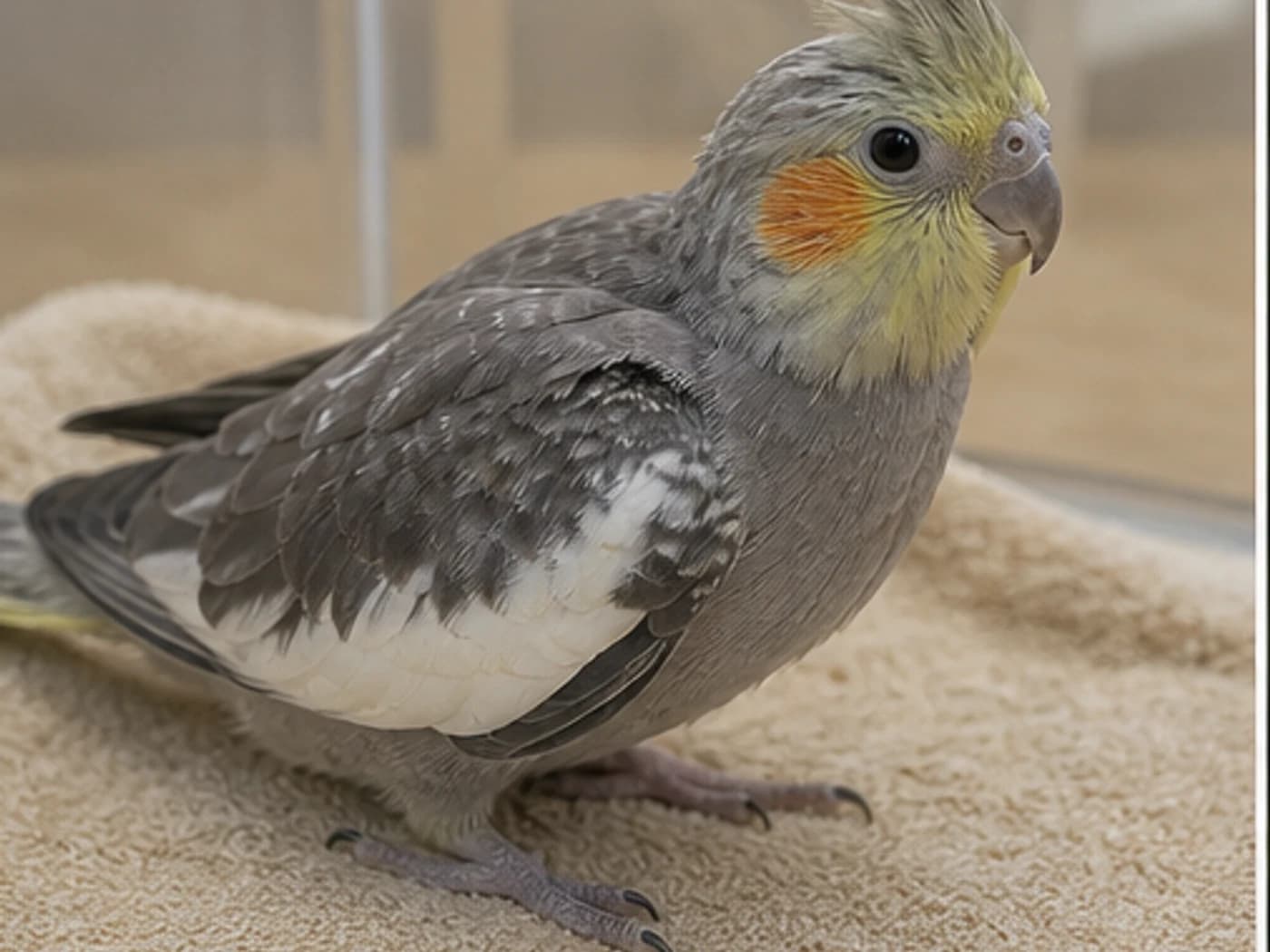
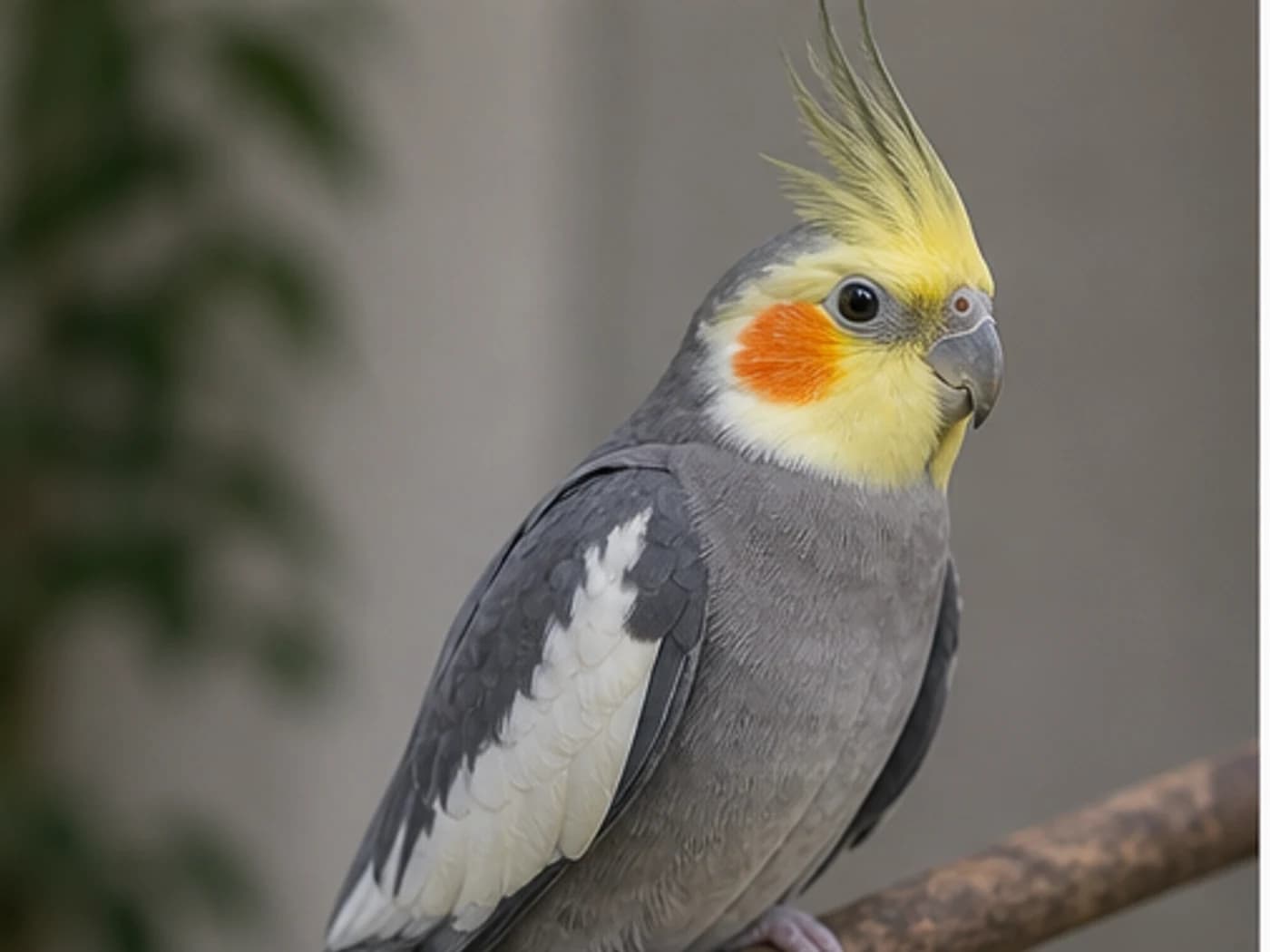
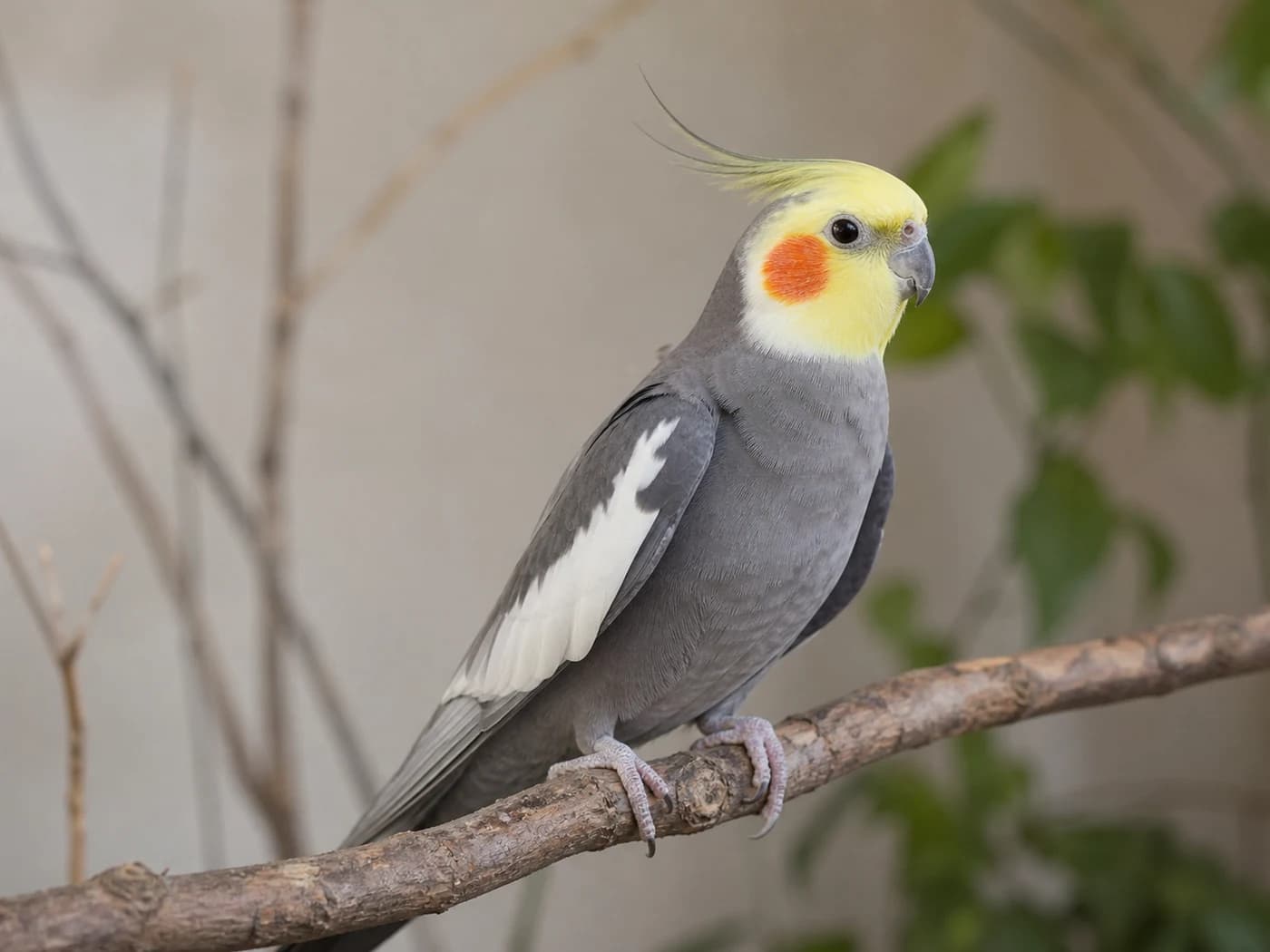
Normal Grey Cockatiel realistic reference image

Standard label

Normal Grey

Wild-type

Variety

Common names

Wild-typeNormal

Owner shorthand

normal grey is the workhorse lookchoose condition before rarity

Look

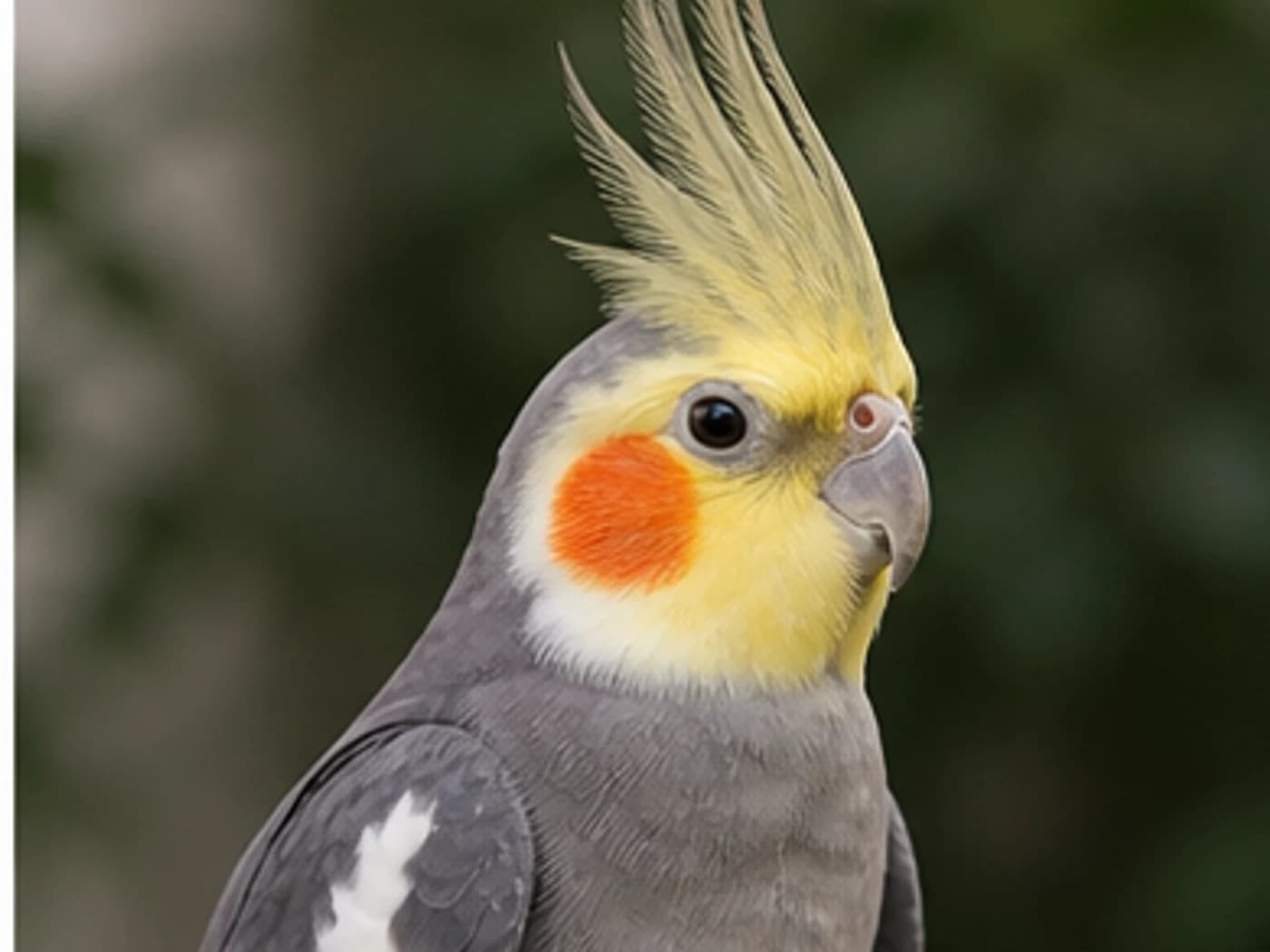
The wild-type coloration. Males have bright yellow heads with vivid orange cheek patches; females have grayish-yellow heads with paler cheek patches and barring on the underside of tail feathers.

Genetics

Wild-type appearance and the reference point for many captive color mutations.

Health & care

Often considered hardy and close to wild type, but individual health still depends on breeding, diet, environment, and care.

Sexing tip

Males have bright yellow heads and vivid orange cheek patches; females have grayish-yellow heads, paler cheek patches, and barring on tail feather undersides.
Lutino Cockatiel realistic reference image

Standard label

Lutino

Variety

Common names

LutinoMoonbeam (historical)Red-eyed cockatiel

Owner shorthand

lutino bald patch is a check point, not a diagnosiswith red-eyed lutinos, watch light comfort and landing confidence

Look

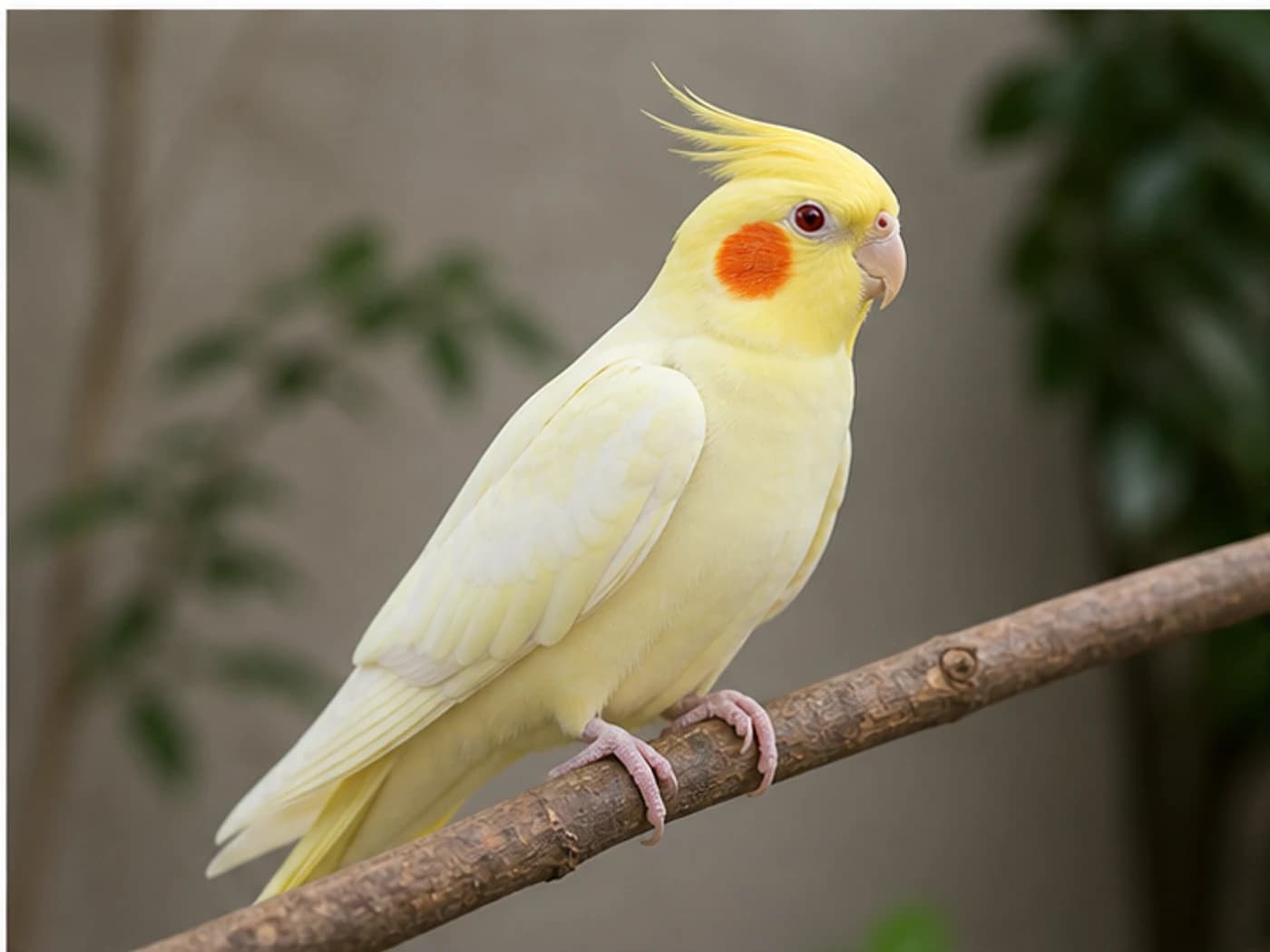
Creamy yellow to bright yellow plumage with red eyes (lack of melanin), retaining orange cheek patches. Crest is yellow. One of the most popular and common mutations.

Genetics

Usually described as a sex-linked recessive ino line: reduced melanin with yellow pigment and orange cheek patches retained. For owner-facing copy, visible traits and breeding risk matter more than over-specific gene claims.

Health & care

Lutino lines commonly show thinner feathering behind the crest, and red-eyed birds may be more light-sensitive. Do not claim every lutino is bald or visually impaired, but do check eyes, landing confidence, energy, and nape skin.

Sexing tip

Both sexes are yellow, making visual sexing difficult. Males tend to have brighter yellow heads after molting; females retain barring on tail feather undersides. DNA testing is most accurate.
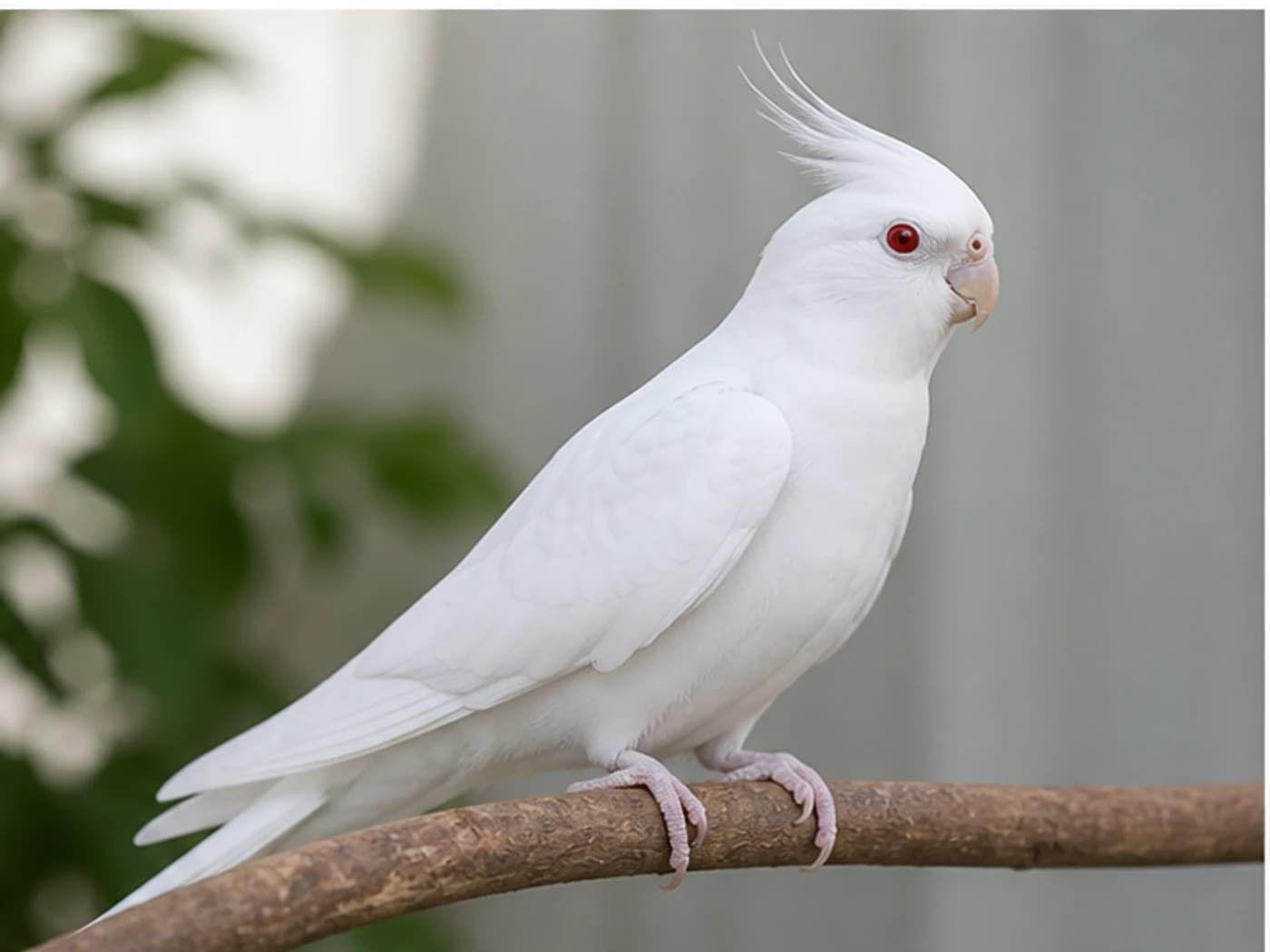
Albino Cockatiel realistic reference image

Standard label

Albino

Variety

Common names

AlbinoWhite cockatiel

Owner shorthand

albino often means whiteface lutino in cockatiel talkwith very pale birds, check eyes and condition before looks

Look

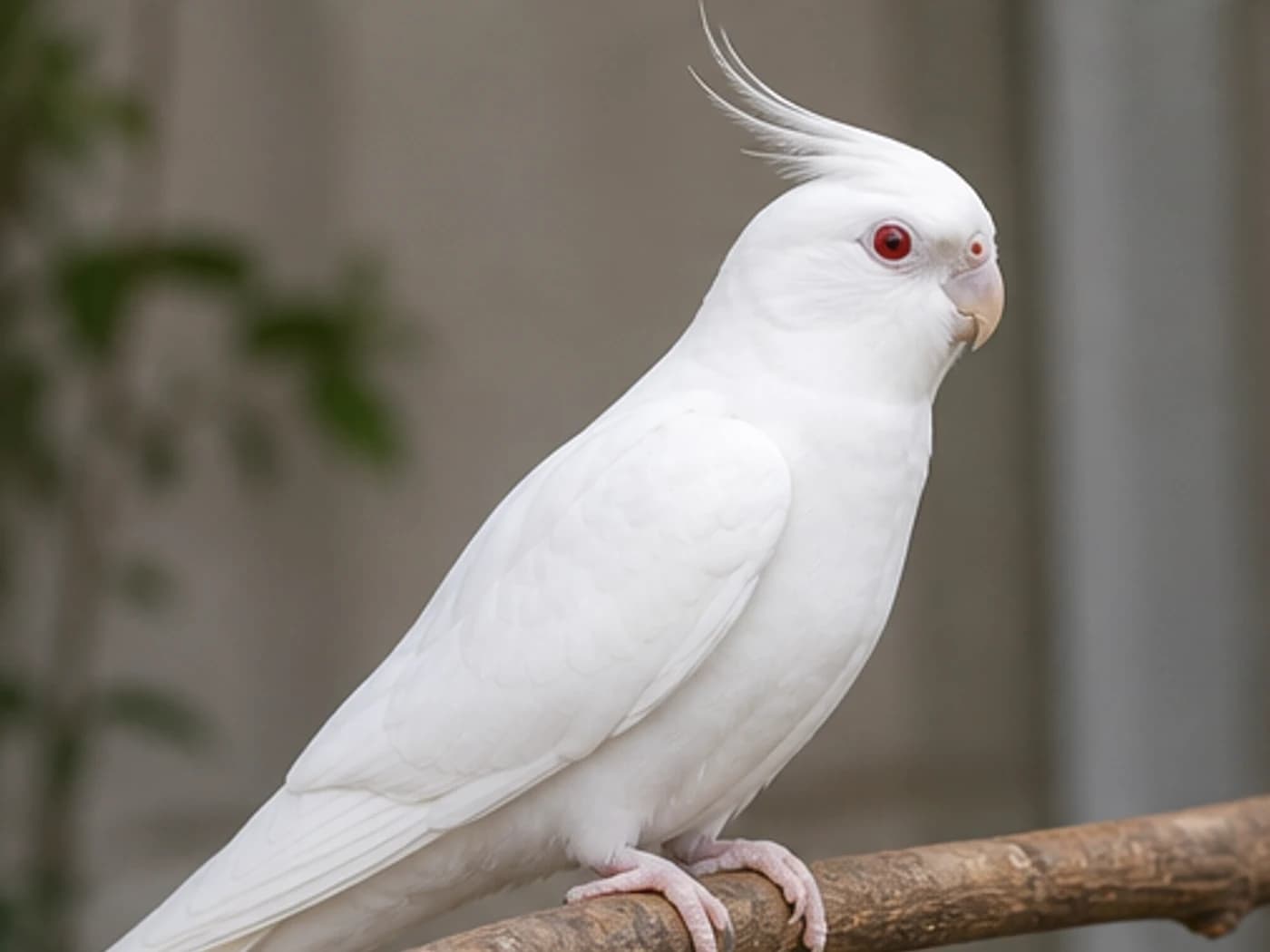
In pet cockatiels, “albino” usually refers to a whiteface lutino combination: white or near-white body, red eyes, and no orange cheek patches.

Genetics

Usually explained as whiteface combined with lutino; Chinese market wording may mix “albino” and “whiteface lutino.”

Health & care

Care checks are similar to lutino: light comfort, nape feathering, energy, and landing confidence. Do not assume poor health from whiteness alone, but do not ignore red-eyed-line risks.

Sexing tip

Nearly impossible to sex visually; DNA testing required.

Pearl Cockatiel realistic reference image

Standard label

Pearl

Variety

Common names

PearlPearledScalloped

Owner shorthand

Pearl males lose their markings after the first molt - many beginners think the bird is sickPearl females retain their markings for life - a great way to identify sex

Look

Shows pearl-like white or yellow markings with a scalloped look; the effect changes on grey, yellow, or combined mutation backgrounds.

Genetics

Sex-linked recessive. The mutation affects pigment distribution within feathers, concentrating pigment at feather edges and reducing it in the center, creating the pearl pattern.

Health & care

Constitution similar to normal grey; no specific health concerns.

Sexing tip

Many male pearls lose much or all pearling after the first molt, while females usually retain it longer. It is a useful clue, not an absolute replacement for DNA sexing.

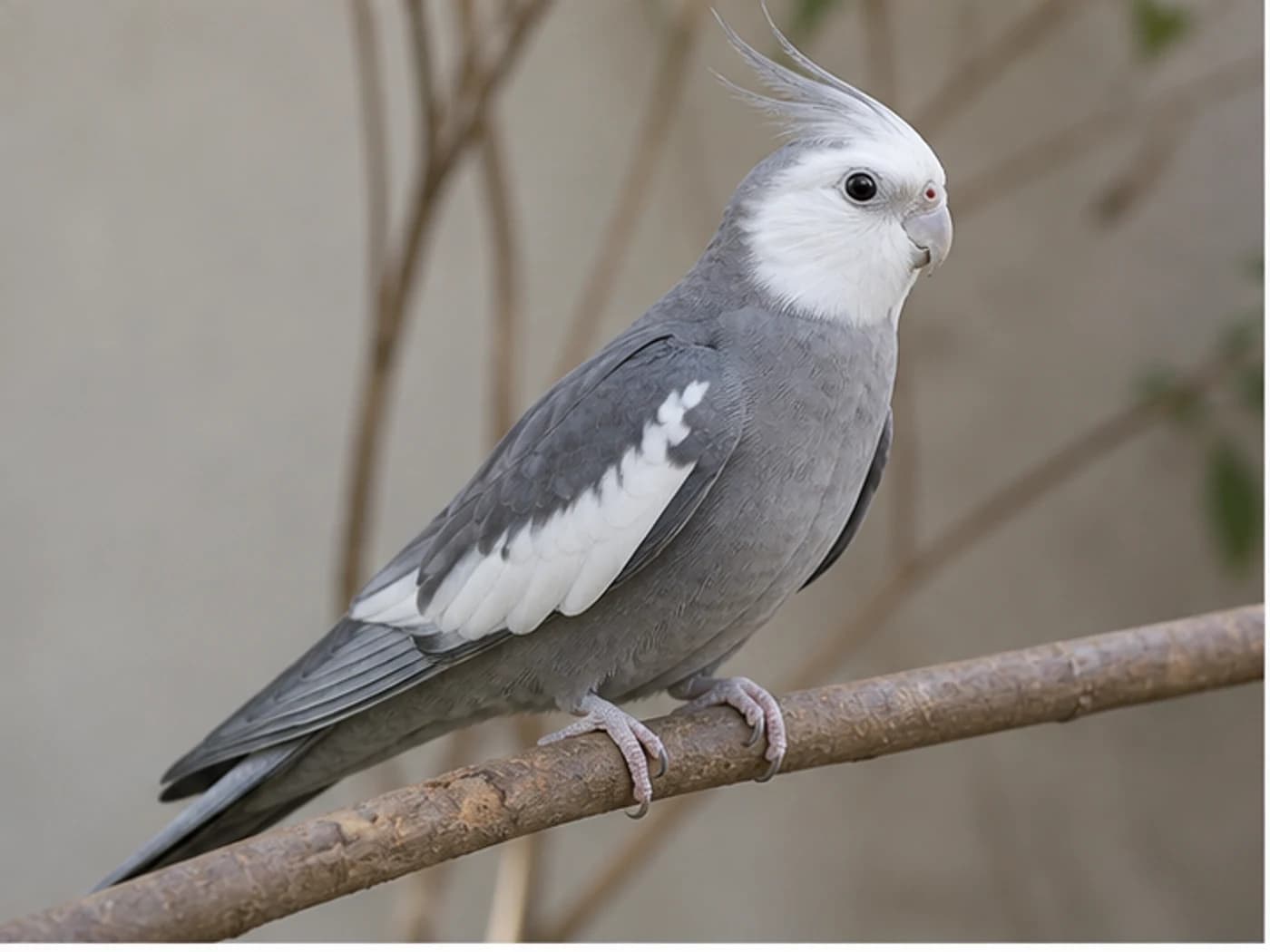
Whiteface Cockatiel realistic reference image

Standard label

Whiteface

Variety

Common names

WhitefaceWhite-faced

Owner shorthand

Whiteface males develop pure white heads after molting - very strikingWhiteface + Lutino = Albino; a double mutation result

Look

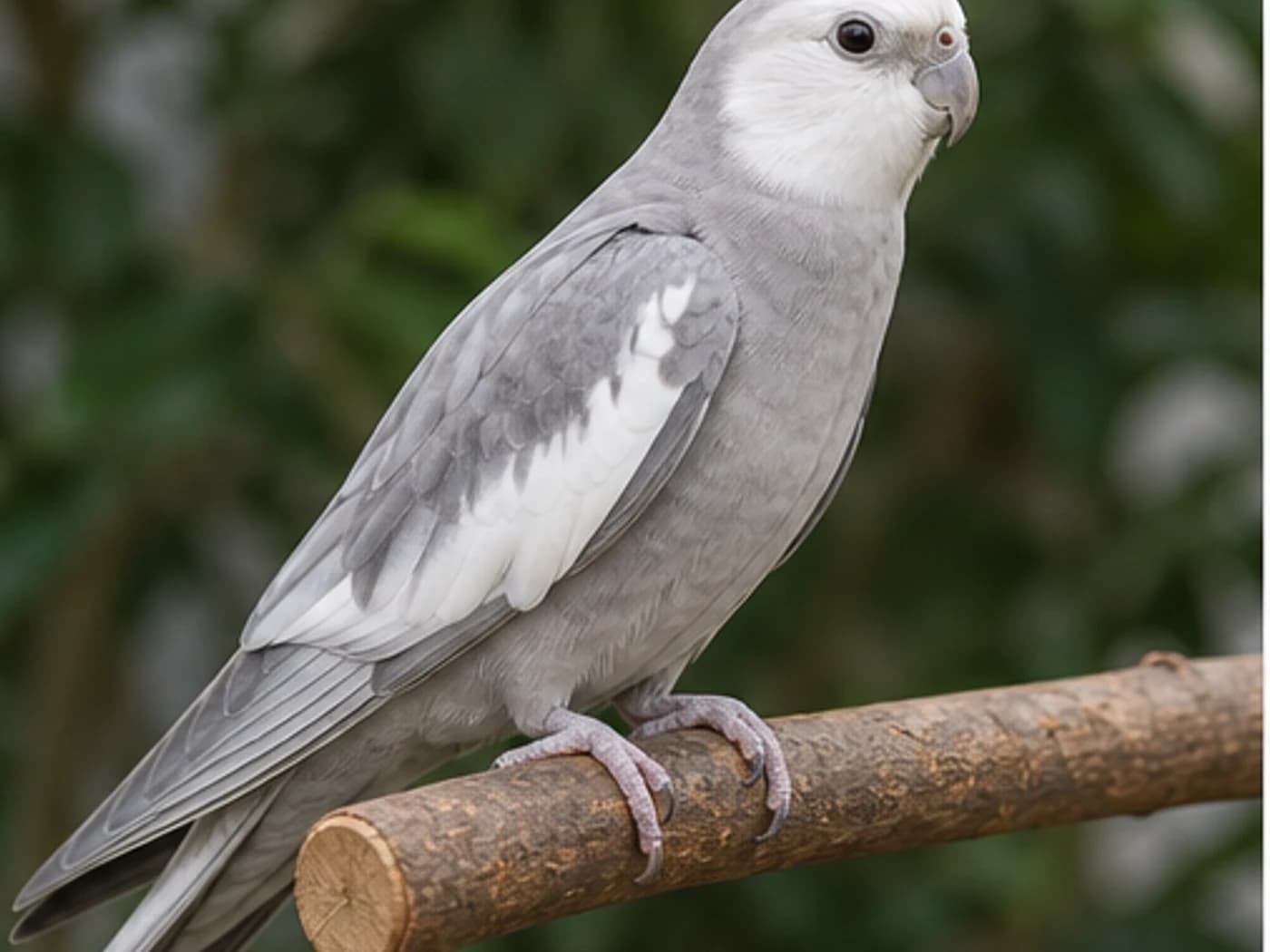
Cheek patches completely absent; head is white or grayish-white (males) or gray (females). Rest of body similar to normal grey.

Genetics

Autosomal recessive. The mutation eliminates orange psittacin pigment and also affects yellow pigment, resulting in the white face.

Health & care

Care is usually similar to normal grey; no specific health concerns; do not judge health by color alone. Look at energy, weight, feather condition, and source quality.

Sexing tip

Males develop pure white heads after molting - very distinctive; females retain gray heads with tail barring.

Pied Cockatiel realistic reference image

Standard label

Pied

Variety

Common names

PiedHarlequin

Owner shorthand

Every pied is unique - no two pieds look the sameMore white coverage = rarer and more expensive

Look

Irregular yellow-white patches on the body contrasting with gray areas. Each pied bird has a unique pattern. Coverage ranges from minimal to extensive.

Genetics

Autosomal recessive. The mutation suppresses melanin production in certain feather areas, creating irregular depigmented patches.

Health & care

Good constitution; no specific health concerns. Pattern coverage does not affect health.

Sexing tip

Pied males develop yellow heads with vivid cheek patches after molting; females have darker heads with tail barring.

Cinnamon Cockatiel realistic reference image

Standard label

Cinnamon

Variety

Common names

CinnamonIsabelleCinnamon grey

Owner shorthand

Cinnamon chicks have red eyes - many beginners mistake them for lutinoCinnamon + Pearl = Cinnamon Pearl, a very popular combination

Look

Warm brownish-gray (cinnamon) plumage, lighter and warmer than normal grey. Eyes are red at birth, darkening to brown or black with age.

Genetics

Sex-linked recessive. The mutation alters melanin chemistry, converting eumelanin to phaeomelanin, producing the brown coloration.

Health & care

Care is usually similar to normal grey. Young birds' red eyes may be confused with lutino; note the brownish body color difference; do not judge health by color alone. Look at energy, weight, feather condition, and source quality.

Sexing tip

Males develop bright yellow heads with vivid cheek patches; females have brownish-yellow heads with tail barring.

Cinnamon Pearl Cockatiel realistic reference image

Standard label

Cinnamon Pearl

Variety

Common names

Cinnamon PearlCinnamon Pearled

Owner shorthand

Cinnamon Pearl is the warmest, most autumnal color combination

Look

Cinnamon base color with pearl markings overlaid, creating warm brownish-yellow scalloped patterns. A combination of cinnamon and pearl sex-linked genes.

Genetics

Combination of two sex-linked recessive genes (cinnamon + pearl). Females express with one allele; males require two alleles.

Health & care

Good constitution; no specific health concerns.

Sexing tip

Males lose pearl markings after first molt, becoming plain cinnamon; females retain cinnamon pearl markings for life.

Whiteface Lutino Cockatiel realistic reference image

Standard label

Whiteface Lutino

Variety

Common names

Whiteface LutinoAlbino (common misnomer)

Owner shorthand

true cockatiel albino is usually whiteface plus lutinobeautiful white birds still need eye, nape, and condition checks

Look

Pure white plumage with red eyes, no orange or yellow pigment. This is what is commonly called 'albino' cockatiel. No cheek patches.

Genetics

Double mutation: whiteface (autosomal recessive) + lutino (sex-linked recessive). Whiteface removes orange/yellow pigment; lutino removes melanin; together they produce pure white.

Health & care

Care risk is mainly the lutino/red-eyed line: light sensitivity, nape feathering, landing confidence, and energy. Do not frame it as automatically weak, and do not buy on the white look alone.

Sexing tip

Nearly impossible to sex visually; DNA testing required.

Silver Cockatiel realistic reference image

Standard label

Silver

Variety

Common names

SilverSilver grey

Owner shorthand

Silver cockatiels look stunning in sunlight with their metallic sheen

Look

Silvery-gray plumage, lighter and brighter than normal grey with a metallic sheen. Dark eyes.

Genetics

Autosomal recessive (two different silver mutations exist: dominant silver and recessive silver). Mutation reduces melanin production, creating a dilution effect.

Health & care

Good constitution; no specific health concerns.

Sexing tip

Males develop whitish-silver heads with vivid cheek patches; females have silver-gray heads with tail barring.

Yellowface Cockatiel realistic reference image

Standard label

Yellowface

Variety

Common names

YellowfaceYellow-faced

Owner shorthand

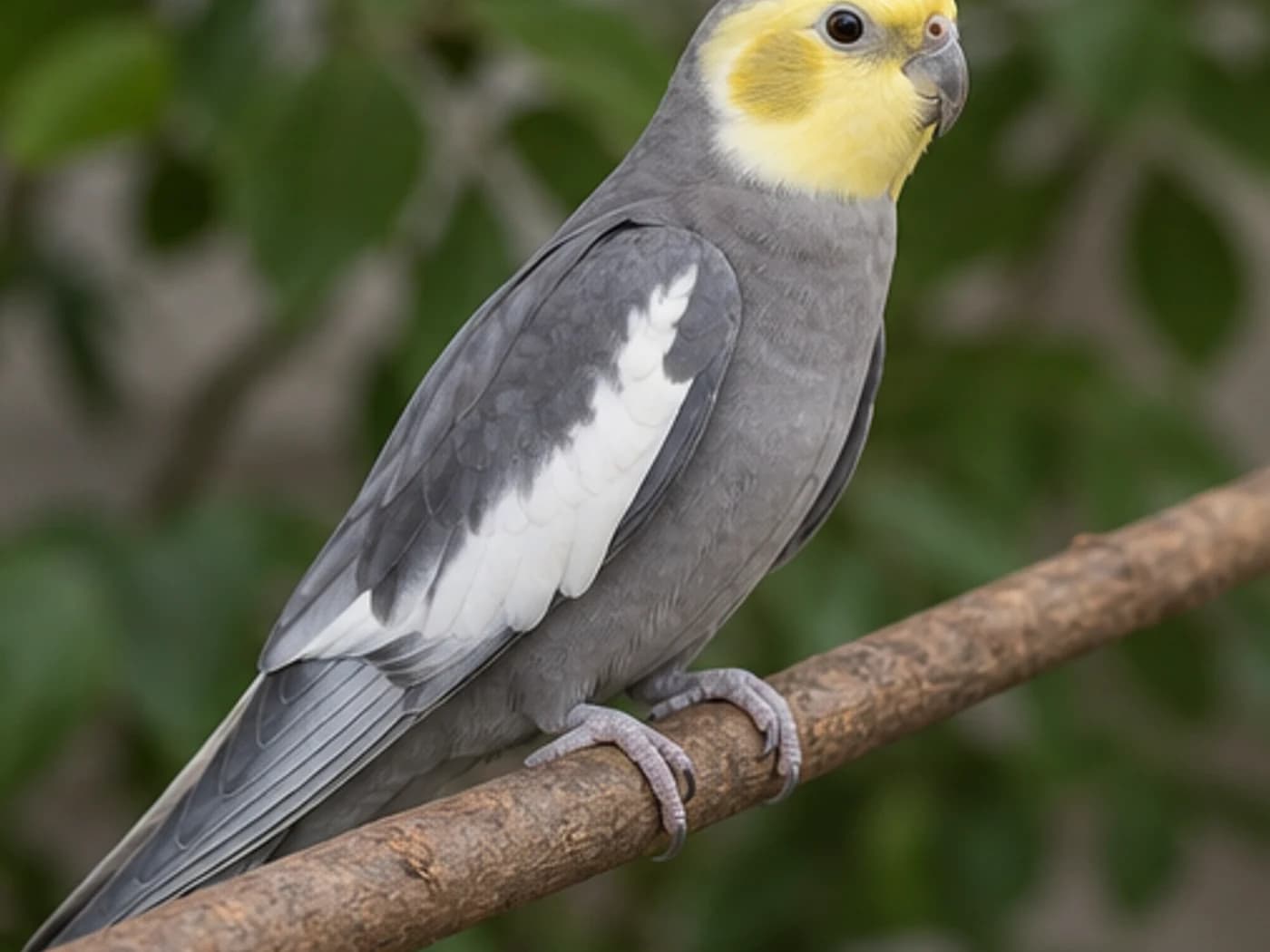
Yellowface looks like normal grey but with yellow cheek patches instead of orange

Look

Similar to normal grey but with yellow cheek patches instead of orange, and brighter yellow head. Rest of body similar to normal grey.

Genetics

Autosomal recessive. Mutation alters the chemistry of orange psittacin, converting it to yellow.

Health & care

Care is usually similar to normal grey; no specific health concerns; do not judge health by color alone. Look at energy, weight, feather condition, and source quality.

Sexing tip

Same as normal grey: males have bright yellow heads with vivid yellow cheek patches; females have darker heads with tail barring.

Naming Notes

Chinese owner phrases, English common names, and market labels often do not translate one-to-one, so the tricky parts are separated here.

Common aliases

tielcockatiel parrot

Some market labels use albino loosely; many birds sold under that idea are better explained as Whiteface Lutino in English mutation terms.

Owner jokes about lutino baldness refer to the common bald-patch tendency, not a guarantee that every lutino is unhealthy.

Night panic should be explained as night fright, not as a literal cage explosion.

Cockatiel speech should be framed around whistles and melodic mimicry rather than large-vocabulary talking.

Detailed Field Notes

These notes isolate details that are easy to mistranslate, oversimplify, or overclaim. Each one separates the claim, why it matters, and what an owner should do.

6 notes

Lutino bald patch

Specialist-supported + breeder-common

Careful claim

Many lutino cockatiels show a small thin or bare patch behind the crest, usually tied to genetics and breeding-line history.

Why it matters

The page should not imply every lutino is bald or that every stable inherited patch is a serious disease.

Owner action

If feather loss spreads or comes with redness, scabs, itching, broken feathers, or appetite or behavior changes, treat it as new feather loss and call an avian vet.

Red-eyed ino birds and harsh light

Common owner observation, phrase cautiously

Careful claim

Many owners report red-eyed ino or whiteface lutino birds acting more sensitive to bright light or flash, but this should not be stated as universal poor vision.

Why it matters

Readers ask about red-eyed vision, so the page needs a useful caution without turning owner reports into a medical certainty.

Owner action

Avoid harsh flash and prolonged direct glare; watch food finding, flight, landing accuracy, and nighttime reactions.

Night fright is panic, not madness

Avian-care supported + owner-common

Careful claim

Cockatiels can panic at night and crash around the cage, sometimes losing feathers, scraping skin, or damaging blood feathers.

Why it matters

The vivid Chinese phrase matters culturally, but the care point is nighttime safety design.

Owner action

Use a dim nightlight, stable sleeping location, fewer sharp cage items, and a cover setup that does not create sudden scares.

Powder down is a long-term cleaning cost

Veterinary-care supported

Careful claim

Cockatiels produce noticeable powder down that settles on cages, furniture, and the surrounding air during preening and molt.

Why it matters

This directly affects homes with rhinitis, asthma, or dust sensitivity.

Owner action

Plan for air filtration, damp wiping, regular bathing opportunities, and cage cleaning rather than masking dust with fragrance.

Crest signals need context

Behavior-guide supported

Careful claim

A high crest can mean alertness, excitement, or curiosity; a low crest can mean relaxation, a scritch request, or defensive tension.

Why it matters

Reading only the crest causes mistakes, especially when beginners treat every raised crest as happiness.

Owner action

Read the body lean, retreating, open beak, wing flapping, pupil changes, and whether the bird chooses to approach.

Whistles are more realistic than words

Owner-common + species pattern

Careful claim

Male cockatiels often lean toward whistles, ringtone mimicry, and short tunes; clear human speech is not their most reliable selling point.

Why it matters

This prevents the common mismatch of buying a cockatiel mainly for speech.

Owner action

Focus training on recall, response cues, short tunes, and daily interaction instead of forcing word repetition.

Community Notes

These are the phrases owners commonly use when talking about Cockatiels in real communities.

night fright

Literal meaning

A dramatic owner shorthand, not a literal cage explosion.

Actual meaning

A sudden nighttime panic with frantic crashing inside the cage.

Used when

Used when a cockatiel panics in the dark and crashes around.

Care implication

Check nightlight, cage hazards, sleeping position, and possible scare triggers.

asking for scritches

Literal meaning

Lowering the head to invite scratches.

Actual meaning

A trusted cockatiel may lower its head to request head scratches.

Used when

Used when the bird holds still and lowers its head near a trusted person.

Care implication

Scratch head and neck only; avoid back and wing stroking that can trigger hormones.

whistles before words

Literal meaning

Whistling is usually more realistic than words.

Actual meaning

Cockatiels are usually better at tunes, whistles, and rhythm than clear speech.

Used when

Used when new owners ask whether cockatiels talk well.

Care implication

Set training goals around response, recall, and simple tunes.

lutino bald patch

Literal meaning

A joking phrase about lutino bald patches.

Actual meaning

A reminder to inspect the nape feathering, eyes, and overall health of lutinos.

Used when

Used when talking about lutino appearance and care checks.

Care implication

Do not buy on color alone; check condition, vision, energy, and breeding line.

hardy normal grey

Literal meaning

Normal grey is considered hardy.

Actual meaning

Owners often see normal grey as robust, practical, and closest to wild type.

Used when

Used when beginners compare mutations and robustness.

Care implication

Health still depends on the individual and breeder, not color alone.

Behavior Reading

Read posture, eyes, feathers, and beak use as a sequence: what you see, what it usually means, what not to assume, and what to do next.

Cockatiel High crest behavior reference image

High crest

What you see

The crest stands high and the bird scans or leans forward.

Usually means

Usually alertness, excitement, curiosity, or interest in something new.

Do not misread

Do not read it as fear automatically; check backing away, screaming, or wing flapping.

Owner action

Slow down and let the bird observe before reaching in.

Cockatiel Low relaxed crest behavior reference image

Low relaxed crest

What you see

The crest lies lower, the body softens, and the eyes look calmer.

Usually means

Often relaxation, sometimes readiness for trusted head scratches.

Do not misread

If the body is tense and the beak opens, it is not a scritch request.

Owner action

Offer your hand within sight and wait for the bird to invite contact.

Cockatiel Night fright behavior reference image

Night fright

What you see

Sudden nighttime crashing, wing flapping, feather loss, or scrapes.

Usually means

Usually a night fright, not the bird suddenly going crazy.

Do not misread

Do not punish it the next day; it was panic, not misbehavior.

Owner action

Check for injuries, add a dim nightlight, and remove sharp cage items.

Cockatiel Head lowered and still behavior reference image

Head lowered and still

What you see

The bird lowers its head near a trusted person and stays still.

Usually means

Most often asking for head scratches.

Do not misread

Not every lowered head is consent; with strangers it can be freezing.

Owner action

Scratch the crest and cheek briefly, then pause to see if it asks again.

Cockatiel Male whistling behavior reference image

Male whistling

What you see

Repeated short tunes, head-bobbing, and seeking people or reflective surfaces.

Usually means

Males often whistle more, but that does not mean every cockatiel talks.

Do not misread

Do not treat poor speech as low intelligence.

Owner action

Use short melodies, response training, and daily interaction instead of forcing words.

Growth Stages

This timeline keeps the typical development from egg to adult in one place so you can compare looks, feather changes, and feeding milestones.

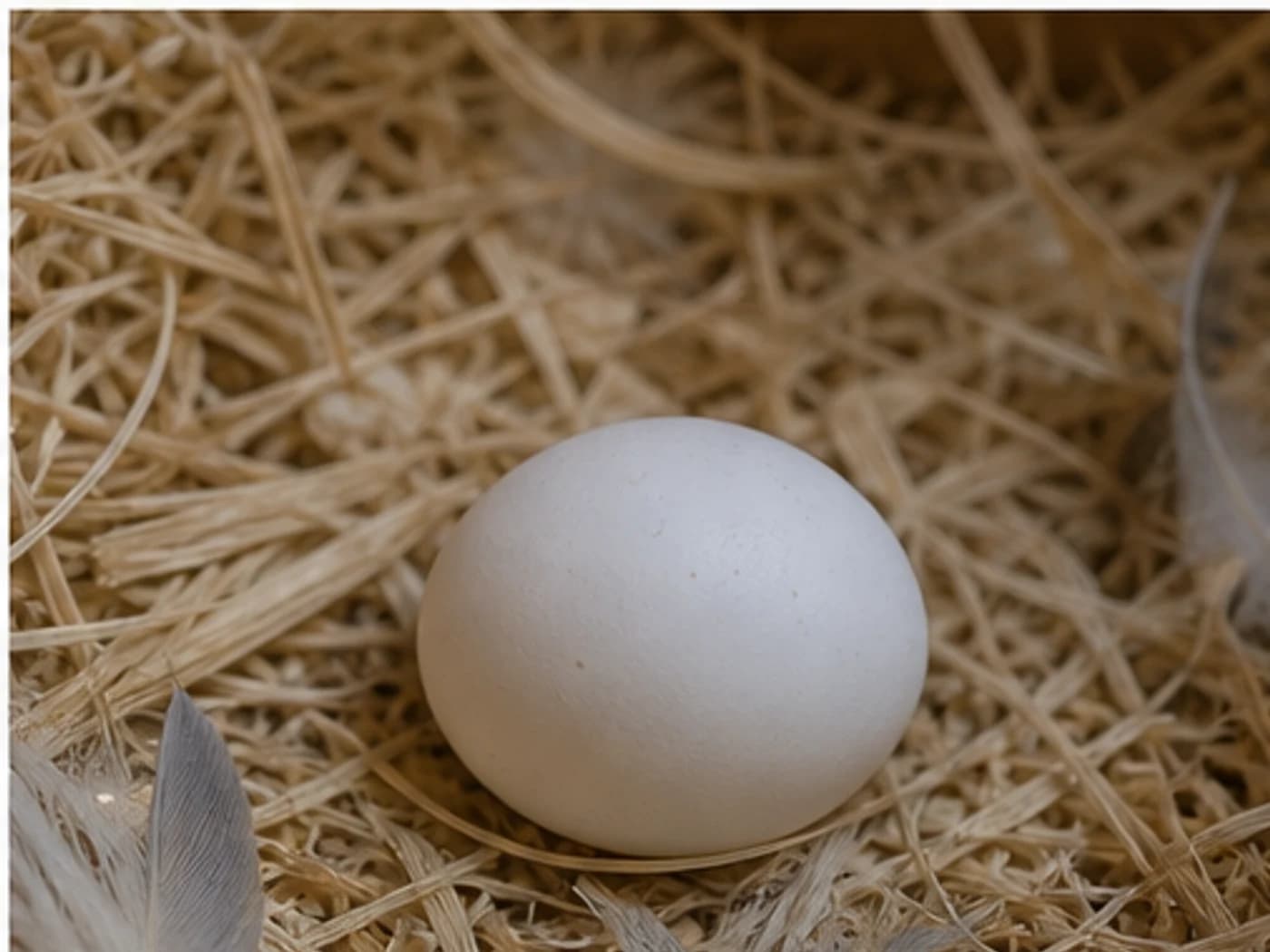
Cockatiel Egg growth-stage reference image

Egg

Incubation

Age range

Look

Cockatiel plumage is not visible yet; shell condition, parent behavior, and incubation stability matter most.

What people watch

Avoid unnecessary disturbance; focus on humidity, temperature, parent stress, and hygiene.

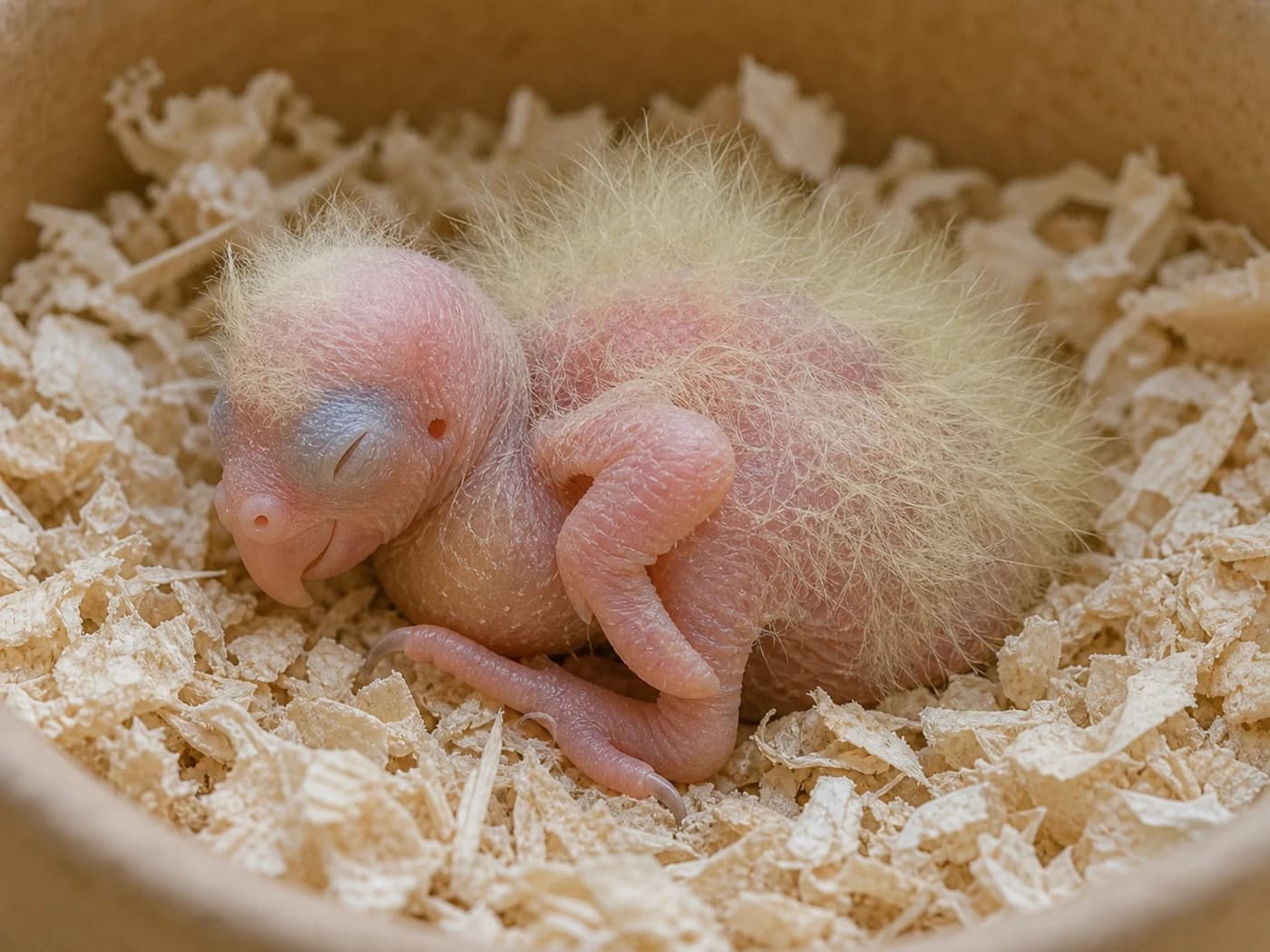
Cockatiel Hatchling growth-stage reference image

Hatchling

0-7 days after hatch

Age range

Look

Newly hatched Cockatiel chicks are delicate and mostly bare, so final color cannot be judged reliably yet.

What people watch

Watch warmth, crop filling, and feeding stability; visuals should be gentle, educational, and not graphic.

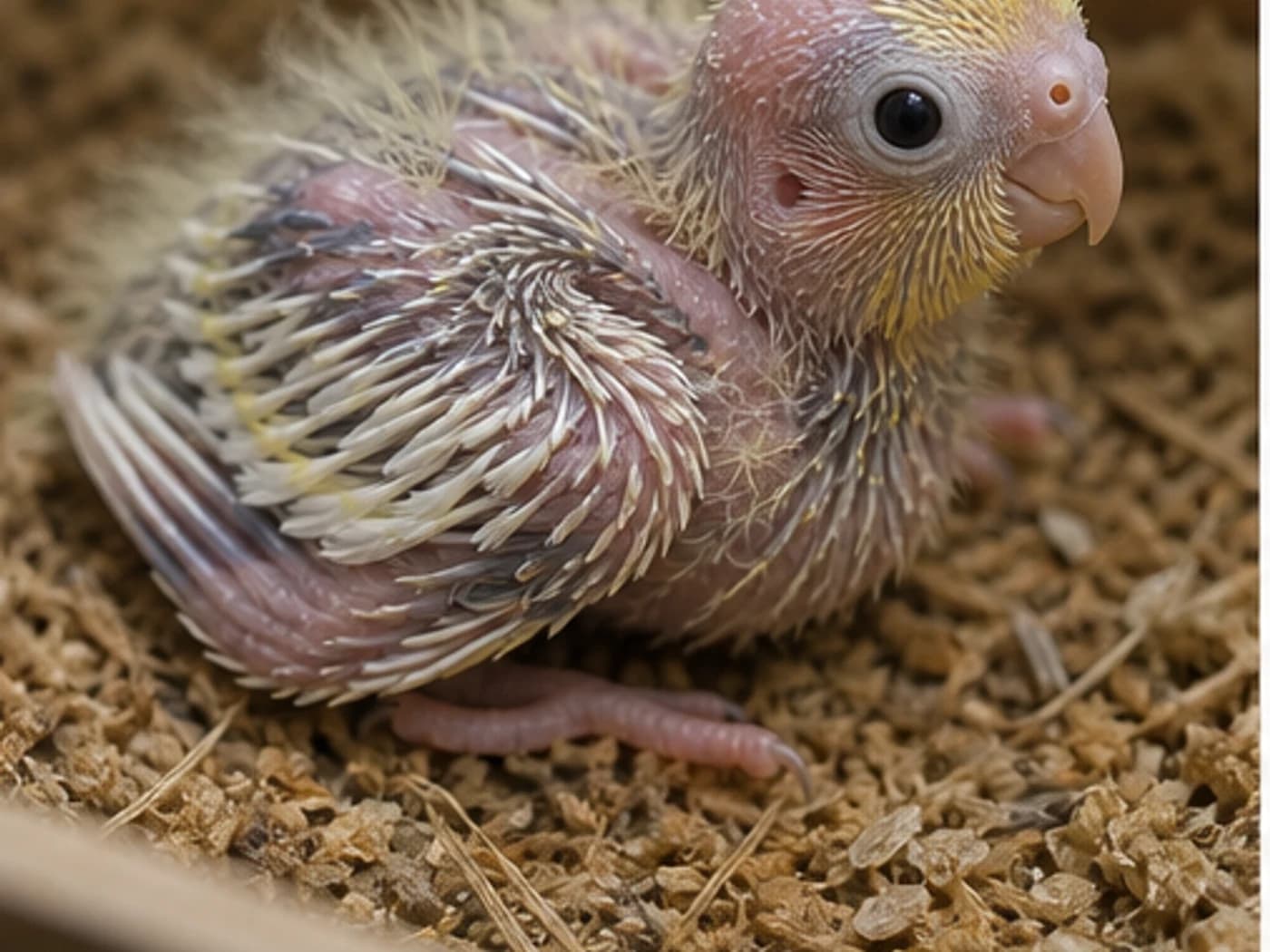
Cockatiel Pin feather stage growth-stage reference image

Pin feather stage

About 2-4 weeks, varying by species size

Age range

Look

Cockatiel chicks begin showing pin feathers, and early color direction or wing and face patterning starts to emerge.

What people watch

Do not force pin feathers open; monitor warmth, nutrition, and skin condition.

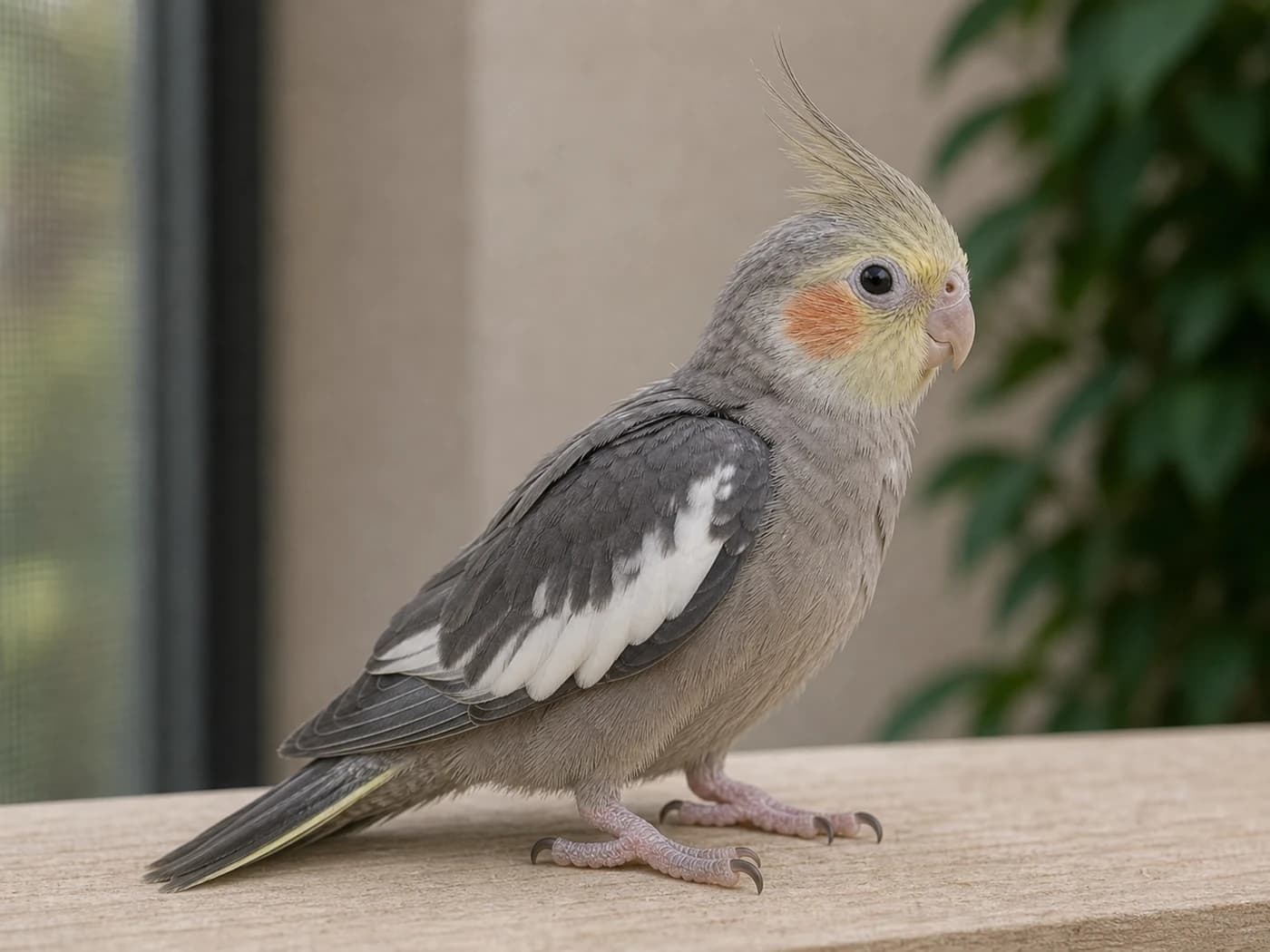
Cockatiel Young chick growth-stage reference image

Young chick

About 1-2 months, varying by species size

Age range

Look

Cockatiel now looks like a small bird, with clearer posture, plumage, eyes, and exploration behavior.

What people watch

Focus on socialization, gentle handling, safe movement, and gradual food variety.

Cockatiel Weaning / juvenile growth-stage reference image

Weaning / juvenile

Around weaning through juvenile molt

Age range

Look

Cockatiel looks closer to an adult, but coordination, bite control, and emotional regulation are still developing.

What people watch

Do not force early weaning; watch independent eating, weight stability, flight, and basic training.

Cockatiel Adult growth-stage reference image

Adult

After juvenile molt and maturity

Age range

Look

Cockatiel plumage and proportions are more stable, and long-term patterns in temperament, noise, hormones, and territory become clearer.

What people watch

Long-term care shifts toward diet, exercise, enrichment, hormone management, and annual health checks.

What to Know

Feather dust matters

Cockatiels produce visible powder down, so sensitive homes need filtration and steady cleaning.

Inspect lutino eyes and bald patches

Lutinos are beautiful, but check nape feathering, eyes, energy, and breeder quality.

Plan for night frights

Sharp cage items, sudden shadows, and total darkness can make night frights riskier.

Do not buy one mainly for speech

Cockatiels shine in whistles, interaction, and expression, not large speech vocabularies.

Night frights can happen fast

Cockatiel night frights can be sudden and violent. A shadow, sound, or flash of light may send the bird crashing around the cage, so a dim nightlight and a safer cage layout are worth planning early.

Plan around the feather dust

Cockatiels produce noticeable feather dust. If anyone at home is sensitive to dust or tends to cough easily, it helps to plan for air filtration and regular cleaning from the start.

Frequently Asked Questions

Listen to Cockatiel Call

Hear their distinctive vocalizations

Community Photos

Be the first to share a photo!

Species Comparison

Trait
Cockatiel
CockatielSmall
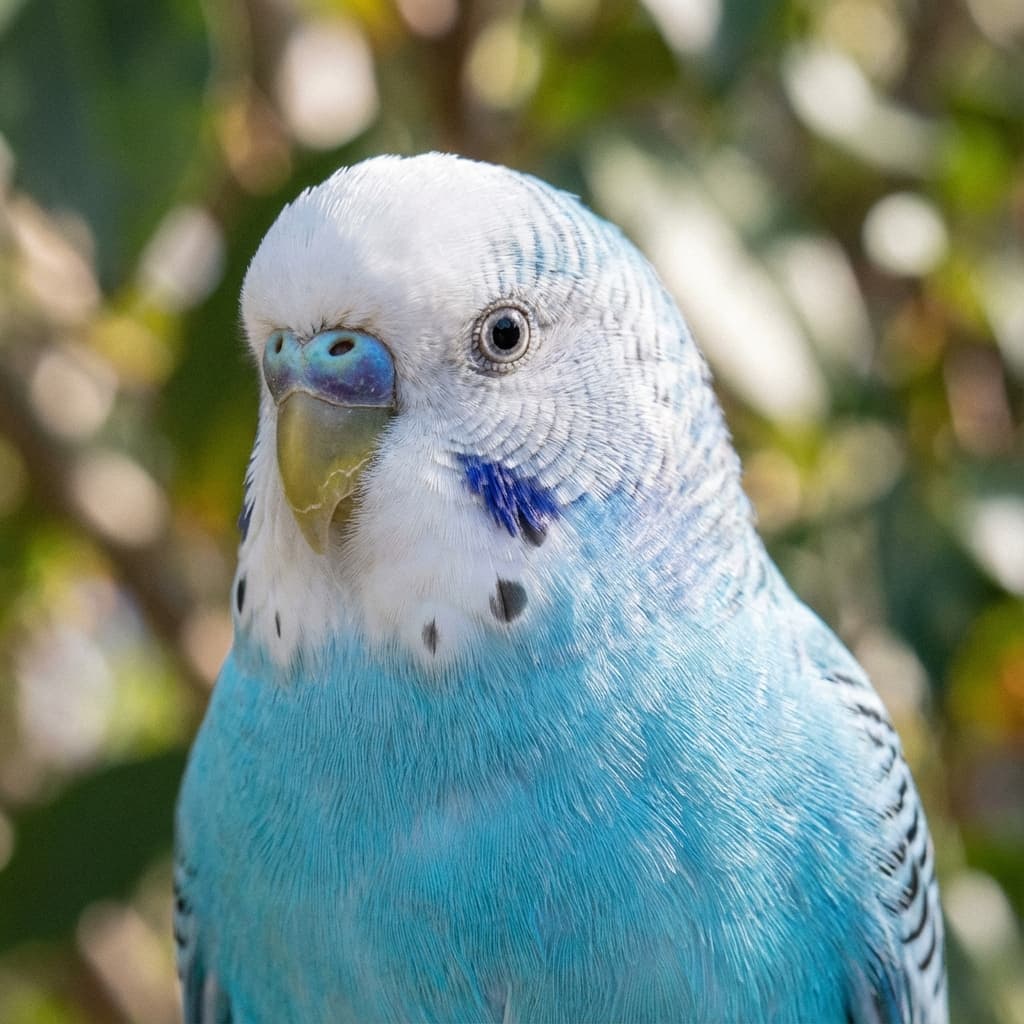
Budgie
BudgieSmall
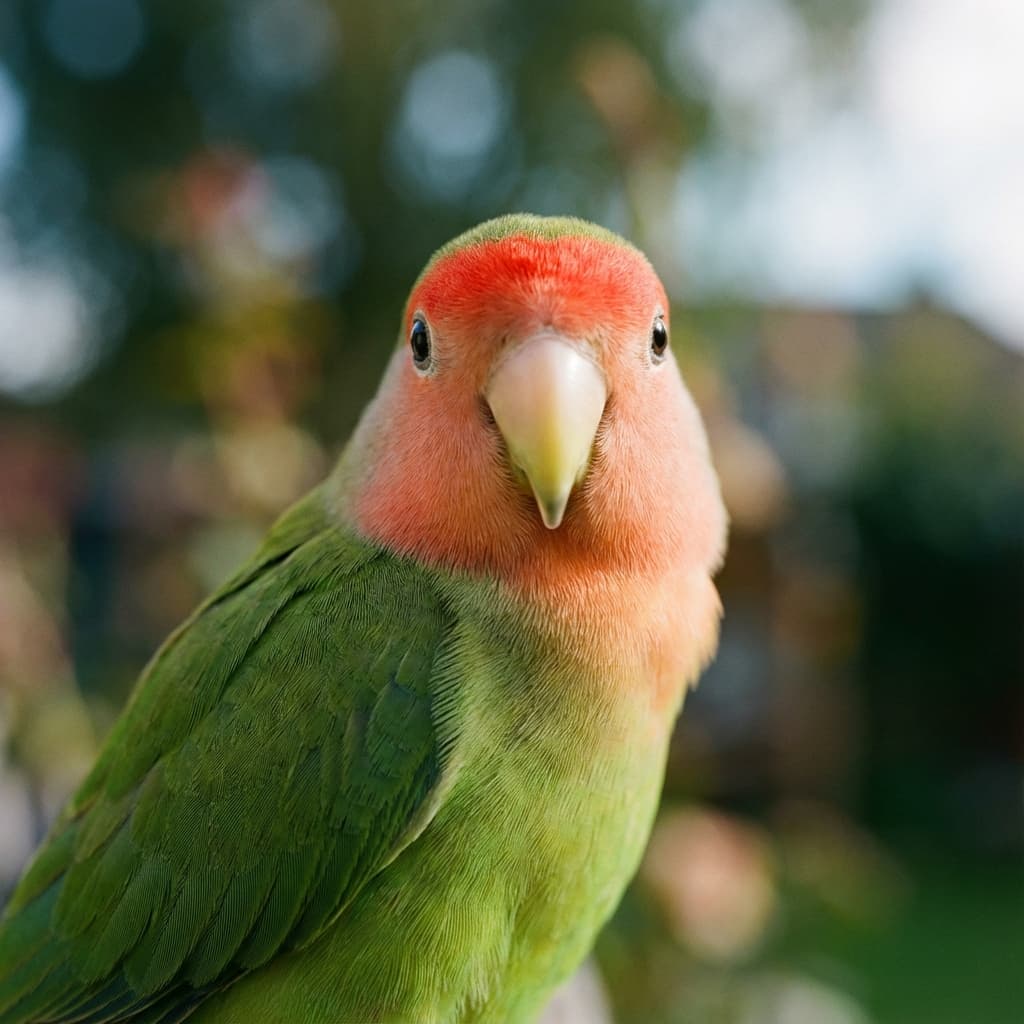
Lovebird
LovebirdSmall
Conure
ConureMedium
Lifespan15-25 years5-15 years10-20 years20-30 years
NoiseMediumMediumMediumHigh
TrainingEasyEasyModerateModerate
TalkingLimited Speech, Excellent Whistler - Males are champion whistlers and can learn entire songs. Speech limited to 10-20 words with a cute, soft voice.Surprisingly Good - Males can learn 100-500+ words! Speech is fast and high-pitched. Hold the world record for largest vocabulary (1,728 words).Rare - Most Lovebirds do not talk. A few may learn 5-10 words with unclear speech. They communicate through chirps, whistles, and chattering instead.Limited - Can learn 10-20 words but speech is often unclear. Better at learning tricks than talking. Some species like Sun Conures rarely talk.
SizeSmallSmallSmallMedium

Shop Cockatiel Products

Food, toys, cages & accessories for small birds

Browse Products