Tracked delivery30-day returns
Evidence-Based Avian Nutrition Standard

Best Cockatiel Food: Pellets, Chop & Daily Diet Guide

Wild cockatiels are nomadic Australian ground-foragers that fly miles daily for low-fat native grass seeds and sprouted shoots. In indoor cages, feeding oilseed-heavy pet-store mixes rapidly leads to obesity, fatty liver enlargement, overgrown beaks, and chronic egg-binding in hens.

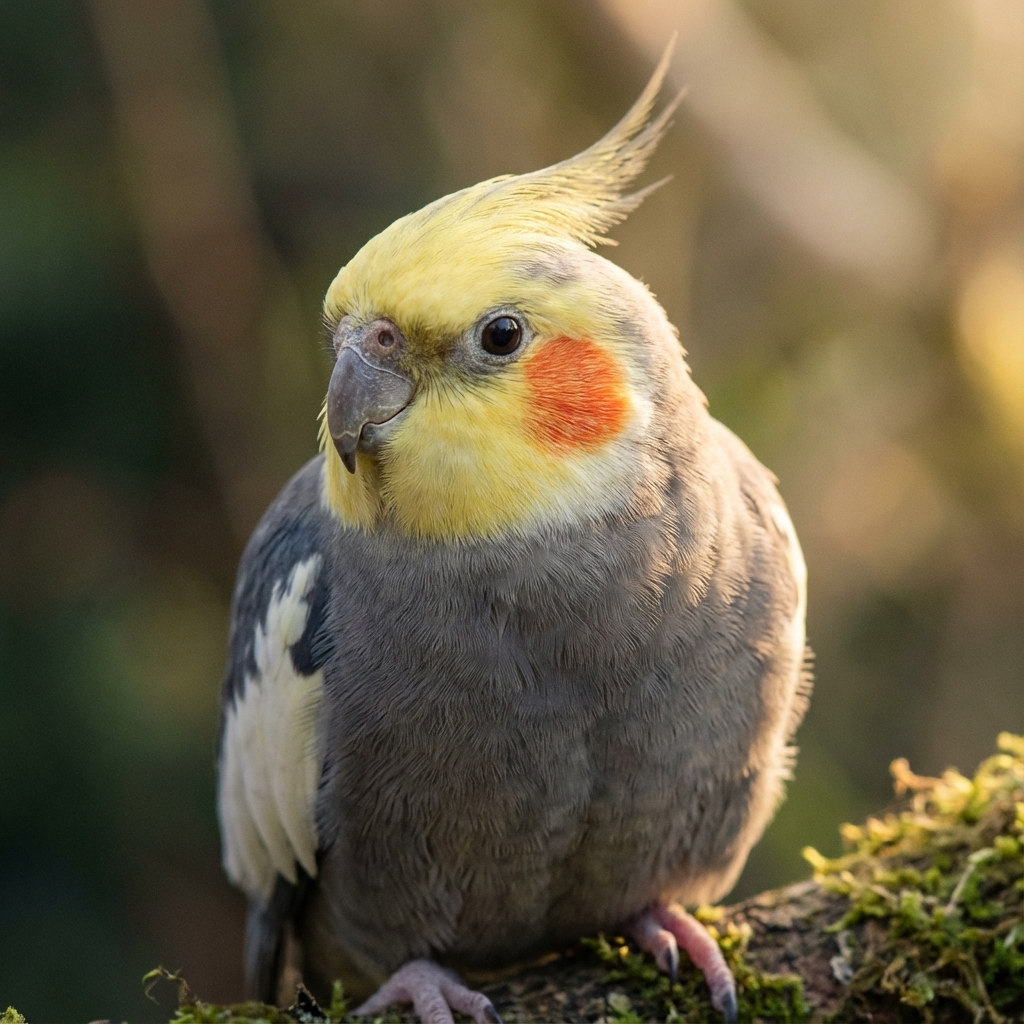
Cockatiel portrait

Cockatiel Daily Bowl Ratios At-a-Glance

Species-specific pellet, produce, and seed balance (Nymphicus hollandicus)

Base Pellets

60% – 65% Low-Fat Pellets

Dye-free formulated staple
Fresh Chop & Greens

20% – 25% Greens & Sprouts

Dark leafy & orange veggies
Seed & Nut Cap

10% – 15% Grass Seeds

Reserved for foraging & training
Ideal Pellet Size

Fine / Small Crumble (2–3 mm)

Matched to beak leverage

Critical Cockatiel Nutrition Rule: Eliminate sunflower-heavy seed mixes—captive cockatiels are highly predisposed to hepatic lipidosis (fatty liver disease) and atherosclerosis.

Cockatiel Daily Diet Breakdown Table

Exact daily food-group proportions, safe whole-food examples, and bowl hygiene rules.

Daily diet composition and feeding schedule for Cockatiels
Food GroupDaily TargetSafe Top ChoicesServing & Safety Rule
Low-Fat Formulated Pellets60% – 65%Dye-free small maintenance pellets (4%–6% crude fat)Serve as the primary base diet in an elevated stainless bowl away from perching drop zones.
Leafy Greens, Veggies & Sprouts20% – 25%Romaine/dandelion greens, broccoli, grated carrot, sprouted wheat/lentils, hot peppersServe flat on a shallow foraging tray—cockatiels instinctively forage on flat surfaces.
No-Sunflower Grass Seed Mix10% – 15%Canary grass seed, white/red millet, oat groats (sunflower-free)Scatter in dry foraging trays or shreddable toys rather than deep free-choice cups.
Calcium & Mineral SupportAs NeededUnbleached cuttlebone, mineral block, UVB-supported vitamin D3 synthesisEssential year-round, especially for female cockatiels prone to chronic egg laying.
Bird-Safe Feeding & Foraging Setup

Essential Feeding Dishes, Foraging Toys & Nutrition for Cockatiels

Non-porous stainless steel hardware and foraging feeders that turn daily meals into healthy mental enrichment.

Hygiene Essential

Clamp-On Stainless Steel Parrot Feeding Dishes

Non-porous, rust-proof bowls for separate dry pellets and wet morning chop.

Spec: Food-grade stainless steel with cage-bar bolt clamp
  • Prevents bacterial biofilm buildup common in scratched plastic bowls
  • Locks onto cage bars so strong beaks cannot flip wet produce onto floor grates
  • Dishwasher-safe for daily hot-water sanitization
Natural Foraging

Natural Loofah & Corn Husk Foraging Pack

Turn daily dry pellets and seed rewards into active beak work.

Spec: Untreated dried loofah slices, corn husk, and bird-safe fibers
  • Extends feeding time from 15 minutes to hours of healthy foraging
  • Ideal for hiding micro-pellets or training millet during diet conversion
  • Zero synthetic dyes, glues, or zinc hardware
Cognitive Feeder

Interactive Acrylic Foraging Wind Wheel Feeder

Multi-chamber puzzle feeder that prevents bowl boredom and overeating.

Spec: Wipe-clean clear acrylic chambers with cage-mount hardware
  • Lets birds see high-value seeds or nuts while rotating chambers to earn them
  • Slows down rapid seed consumption and stimulates problem-solving
  • Easy to disassemble and rinse between dry meal rotations

Cockatiel Nutrition & Pellet Conversion Guide

Why Cockatiels Need Some Grass Seeds—Without Sunflower Oilseeds

As granivorous arid-zone parrots, cockatiels handle a modest 10%–15% portion of lean grass seeds (millet, canary seed) well when 60%+ of calories come from vitamin-complete pellets. The real culprit behind liver failure is striped black sunflower and safflower seed, which packs >40% fat and zero vitamin A.

Flat-Plate Ground Foraging Converts Picky Seed Addicts

Because cockatiels evolved to peck across open ground, many ignore unfamiliar pellets placed in deep vertical cups. Spread crushed pellets, sprouted seeds, and finely chopped greens across a wide shallow stainless plate on a clean foraging shelf to trigger natural curiosity.

Controlling Hormonal Egg-Laying Through Diet

Warm mushy foods, excess fat, and calorie surges mimic rainy-season breeding abundance and stimulate chronic egg-laying in female cockatiels. Keep maintenance diets crisp, low-fat, and paired with 12 hours of uninterrupted dark sleep.
Dangerous Cockatiel Feeding Mistakes & Toxic Foods

Universal avian toxins (avocado, chocolate, caffeine, alcohol, onion, garlic, xylitol, fruit pits) are strictly off-limits—alongside these common cockatiel feeding errors:

Feeding honey-glued seed treat sticks

Commercial seed bells and honey sticks bind stale oilseeds with refined sugars that fuel crop yeast (Candida) and rapid weight gain.

Offering insoluble gravel or parakeet grit

Hookbills hull their seeds before swallowing and do not need insoluble grit; eating sand or gravel causes fatal ventriculus impaction.

Ignoring calcium and vitamin D3 in indoor hens

Window glass blocks 100% of UVB rays needed to absorb dietary calcium, putting seed-fed cockatiel hens at extreme risk of soft-shelled egg binding.

Cockatiel Diet Frequently Asked Questions

How many tablespoons of food should a cockatiel get daily?

Most adult cockatiels (80–110g) maintain healthy body condition on 1.5 to 2 tablespoons of low-fat pellets, 1 tablespoon of fresh leafy vegetable chop, and 1 teaspoon of sunflower-free seed used for foraging.

Why does my cockatiel love millet so much, and how much is safe?

Spray millet is low in fat compared to sunflower seeds, making it an ideal training treat—but it lacks vitamin A and calcium. Limit spray millet to a 1-inch cluster per day during training.

Can cockatiels eat scrambled or boiled eggs?

A pea-sized piece of plain hard-boiled egg white is safe once a week during heavy molts, but avoid rich egg yolks in adult pet cockatiels as excess cholesterol and fat trigger hormonal nesting behavior.

Complete Your Cockatiel Setup