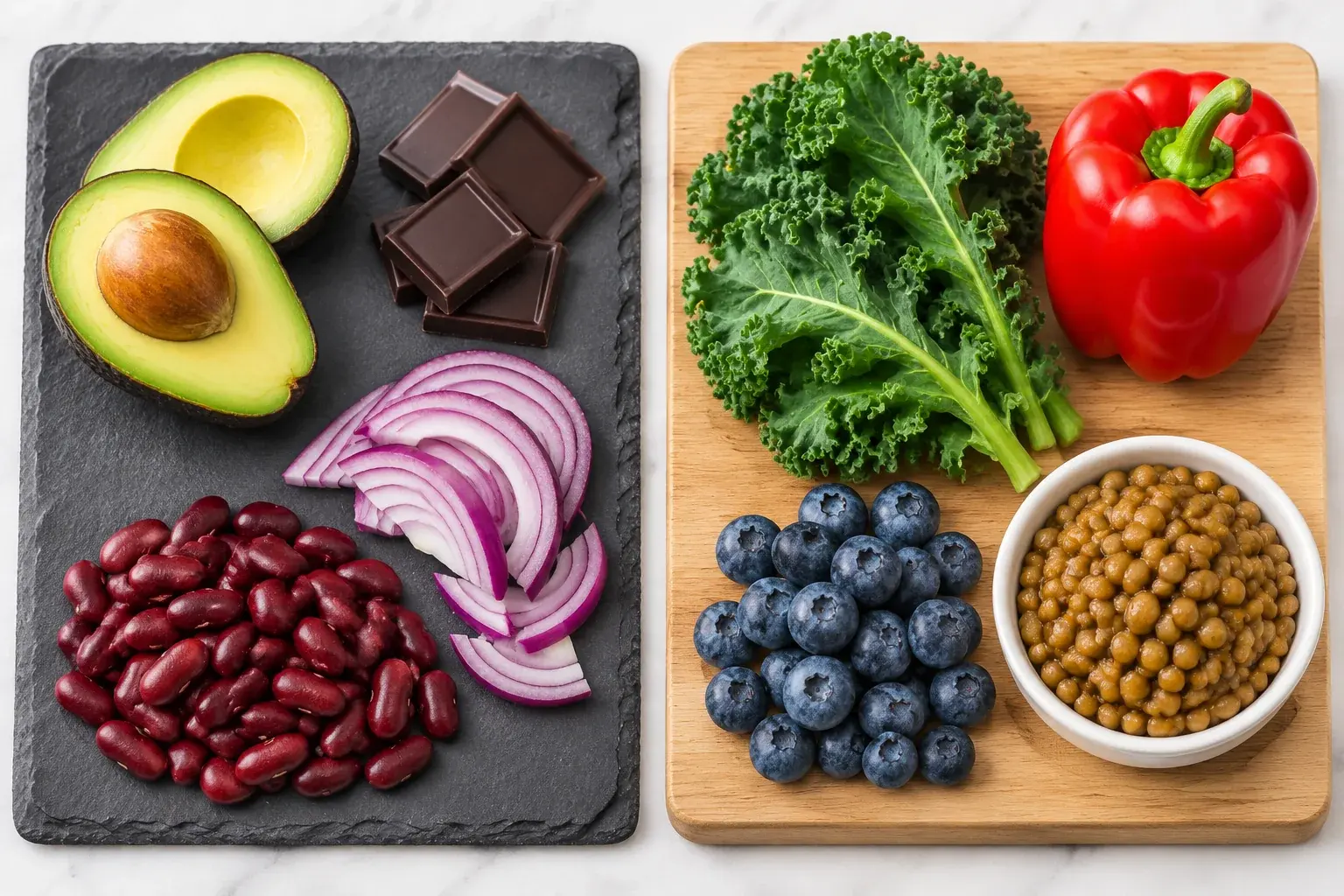
Beyond avocado and chocolate: learn why raw beans, cooked poultry bones, sugary seed sticks, grit, and mixed milk-and-millet feeding quietly endanger pet parrots—plus safe alternatives.
Most bird owners know to keep avocado and chocolate away from the cage. Yet many preventable avian emergencies come from everyday kitchen scraps, spoiled bulk seeds, and well-meaning feeding habits that damage a parrot's kidneys, liver, or crop over time. Here is the complete toxic foods for birds checklist along with safe, nutritious swaps.
1. Acutely Toxic Foods (Never Feed Any Amount)
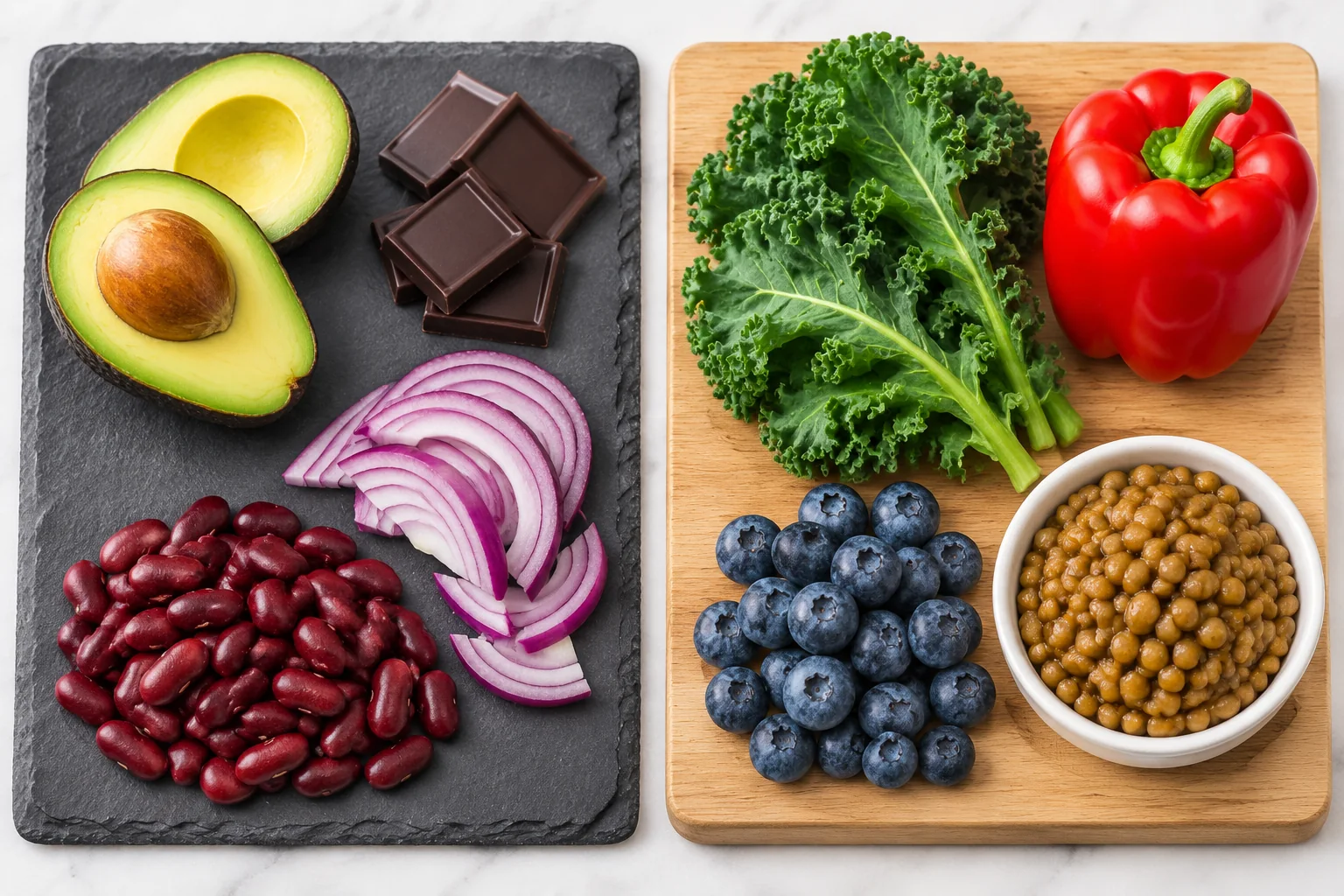
- Avocado (skin, pit, flesh, leaves): Contains persin, which triggers rapid myocardial necrosis and respiratory failure in parrots.
- Chocolate, Cacao & Caffeine: Theobromine and caffeine cause arrhythmias, tremors, and fatal seizures.
- Alcohol & Xylitol (artificial sweetener): Causes rapid liver failure and severe hypoglycemia.
- Alliums (Onion, Garlic, Chives, Leeks): Sulfur compounds rupture avian red blood cells, causing hemolytic anemia.
- Fruit Pits & Apple Seeds: Cherry, peach, plum, apricot pits and apple seeds contain cyanogenic glycosides. Always core and pit fruits first.
- Raw Dried Beans & Uncooked Cassava: Raw kidney, pinto, and navy beans contain phytohemagglutinin—always boil legumes thoroughly until soft.
- Rhubarb Leaves & Nightshade Stems: High oxalates and solanine damage kidneys and gut lining. (Ripe red tomatoes and bell peppers are safe; green tomato vines and raw potato eyes are not.)
2. Hidden Everyday Dietary Hazards Owners Overlook
Moldy Bulk Seeds & Uninspected Homemade Mixes
Low-grade bulk seed mixes stored in warm, humid conditions easily develop invisible Aspergillus and aflatoxins—deadly fungal toxins that destroy parrot livers. Buy sealed, dated human-grade or organic pellets, store in airtight containers, and discard any food showing dust, clumping, or stale odor.
Salt, High-Fat Table Scraps & Sugary Seed Sticks
Parrot kidneys process sodium poorly, and chronic saturated fat drives atherosclerosis and fatty liver disease (Bavelaar, 2004; Beaufrère, 2026). Honey-glued commercial seed sticks pack dense sugar and oil with virtually zero micronutrients.
Grit (Insoluble Gravel) for Parrots
Unlike pigeons or chickens that swallow seeds whole, parrots hull seeds with their beaks. Feeding insoluble poultry grit to parrots does not aid digestion and frequently causes fatal crop or gizzard impaction.
Mixing Formula & Dry Millet in Baby or Sick Birds
One of the most common hand-rearing errors is topping up formula before previous millet or soaked seeds have cleared the crop. Because liquid formula digests far faster than millet, residual grain ferments underneath fresh formula and triggers acute sour crop and candidiasis. Likewise, avoid plain egg yolk for young chicks, which easily triggers enteritis.
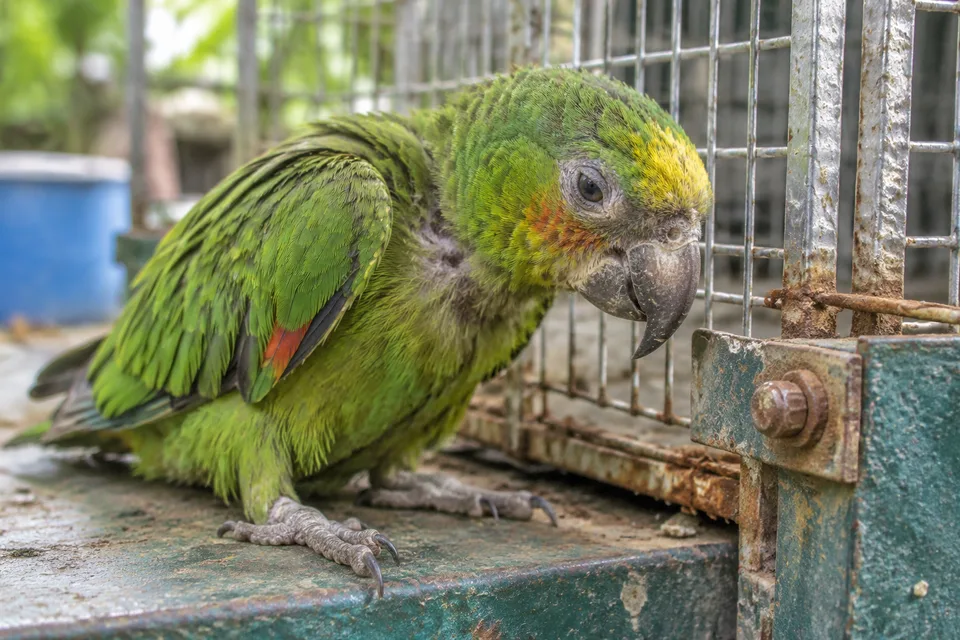
3. Quick Safe Swap Table
| Unsafe Item | Why It Harms | Safe Replacement |
|---|---|---|
| Honey-glued seed sticks | Excess sugar, fat, obesity | Small pinch of fresh chop or foraging pockets |
| Salted chips / cheese / butter | Sodium overload, lipid disorders | Steamed sweet potato, raw unsalted pumpkin seeds (tiny treat) |
| Raw dried beans | Toxic lectins | Fully boiled lentils, chickpeas, or freshly rinsed mung sprouts |
| Unwashed supermarket greens | Pesticide residue on thin crops | Organic leafy greens washed thoroughly and spun dry |
If your bird accidentally ingested a suspect food or shows watery, bright-green, or undigested droppings, check our Bird Droppings Color Guide and run the Bird Symptom Observation Checklist immediately.