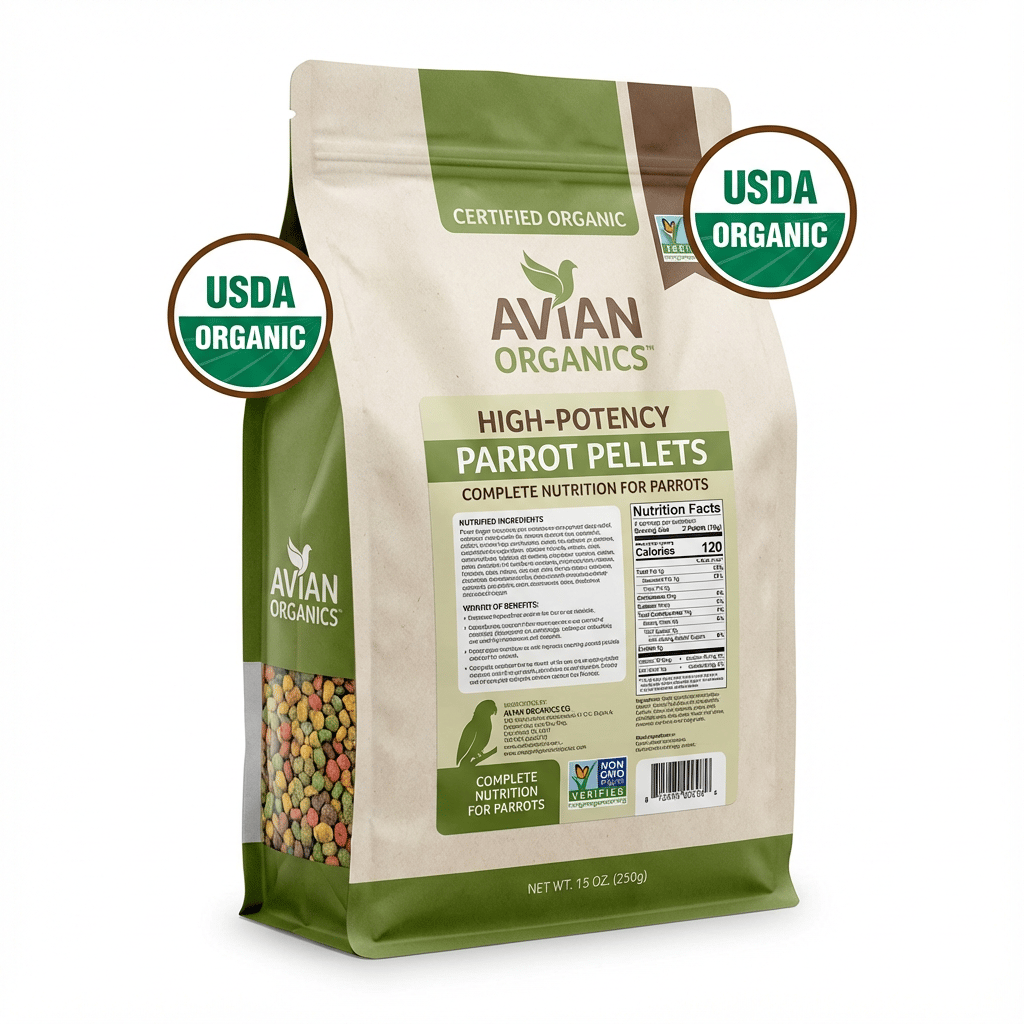
Parrot Food and Diet Guide
Compare parrot pellets, seed mixes, and treats by ingredients, intended species, and feeding instructions. Use your bird's care guide to plan its diet before choosing food.
Showing 5 results
Choosing the Best Parrot Food: Pellets vs. Seed Mixes
A healthy daily feeding plan builds around dye-free formulated pellets for roughly 60% to 70% of total calories, paired with 20% to 25% fresh chopped vegetables, dark leafy greens, and sprouted legumes, leaving only 10% for clean seeds, millet, or tree nuts. Traditional all-seed mixes invite selective eating: pet birds hull high-fat sunflower and safflower seeds while leaving behind fortified mineral bits, leading to Vitamin A deficiency, calcium imbalance, and fatty liver disease over time. Quality dye-free pellets combine whole grains, legumes, and balanced micronutrients without artificial FD&C colors, added sugars, or synthetic preservatives like ethoxyquin or BHT.
Match Pellet Size and Formula to Bird Species
Granule diameter affects acceptance just as much as flavor. Small companions—budgies, parrotlets, and cockatiels—crumble and swallow super-fine or mini-sized grains easily without wasting half the bowl. Mid-sized species like green-cheeked conures, caiques, quakers, and senegals prefer small-to-medium maintenance bites they can hold in one foot. Large companions including African greys, amazons, cockatoos, and macaws benefit from coarse nuggets that encourage natural beak manipulation, while specialized eclectus diets favor unfortified, dye-free natural blends alongside abundant beta-carotene vegetables.
Step-by-Step 21-Day Seed-to-Pellet Conversion Plan
Switching stubborn seed eaters to formulated nutrition requires patience and gram-scale tracking rather than sudden deprivation. Days 1–7: Offer dry pellets in the upper bowl during early morning hours when appetite peaks, placing familiar seed only for short evening meals. Days 8–14: Moisten crumbled pellets with warm water or unsweetened pureed sweet potato and stir finely minced broccoli, bell pepper, and cooked quinoa into a warm mash. Days 15–21: Gradually reduce plain seed ratios as droppings confirm consistent intake (normal dark green fecal coils instead of tiny starvation droppings). Never starve a small bird to force acceptance; weigh your bird every morning before breakfast.
Safe Storage, Hydration, Treats, and Calcium Support
Keep opened pellet bags and seed blends sealed inside airtight opaque canisters in a cool pantry—or freeze surplus bags for up to six months—to preserve delicate omega fatty acids and prevent pantry moth infestations. Wash stainless steel food and water dishes daily with hot water because wet fresh chop spoils quickly at room temperature. Reserve spray millet, pumpkin seeds, and almonds for recall training and foraging toys. Laying hens, molting birds, and African greys prone to hypocalcemia also benefit from vet-guided liquid calcium and full-spectrum daytime lighting.
Foods to Strictly Avoid in Every Avian Kitchen
Even small tastes of certain human snacks are toxic to companion birds. Never serve avocado, chocolate, caffeine, alcohol, apple seeds, raw onion, garlic, salted chips, or foods sweetened with xylitol. Stick to steamed sweet potato, carrots, zucchini, kale, dandelion greens, berries, and sprouted chickpeas.
Product Catalog
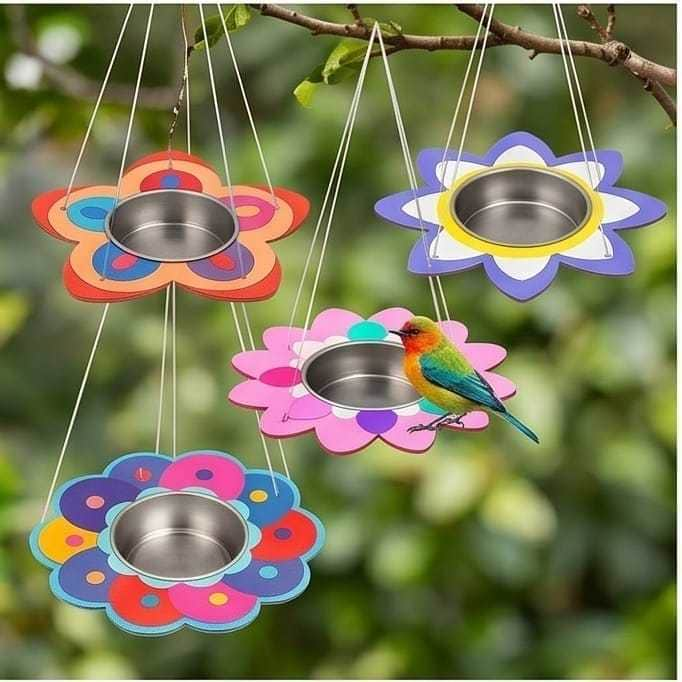
Clamp-On Stainless Steel Parrot Food & Water Dishes Set
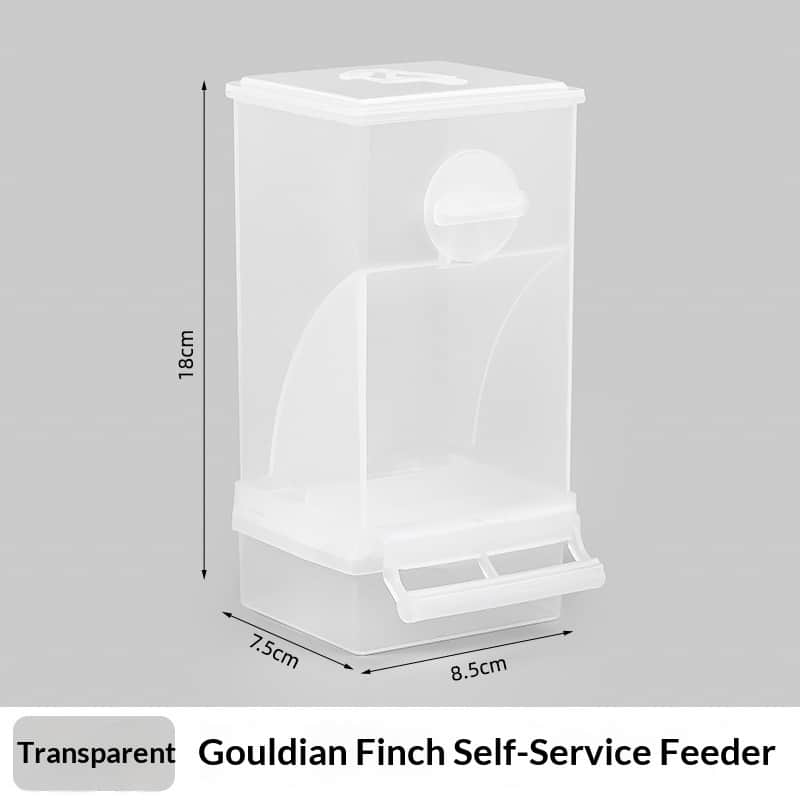
Automatic No-Mess Gravity Bird Feeder & Drinker for Cages
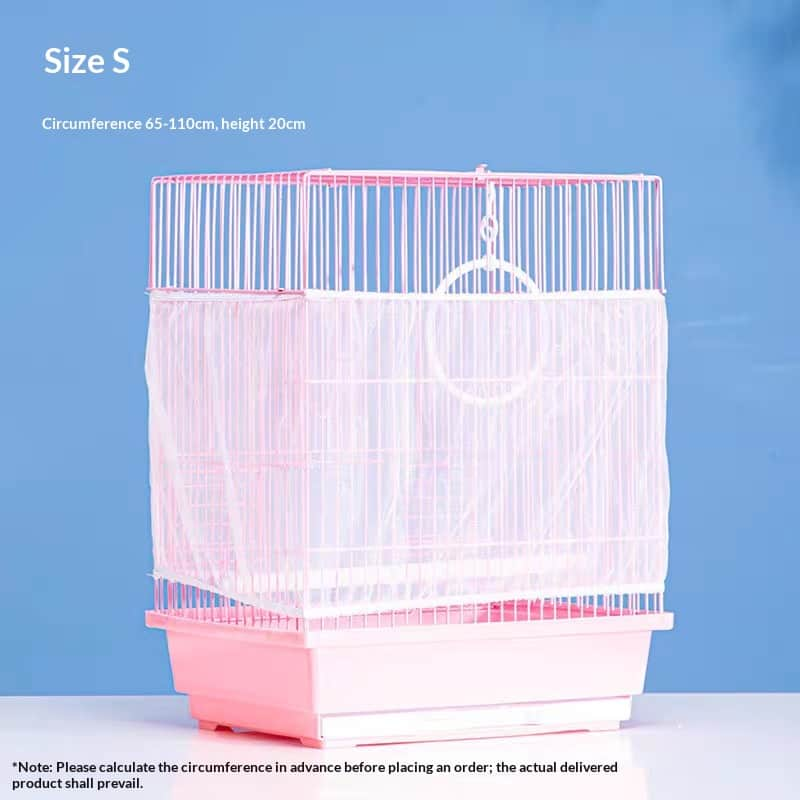
Universal Elastic Bird Cage Seed Catcher Net Skirt
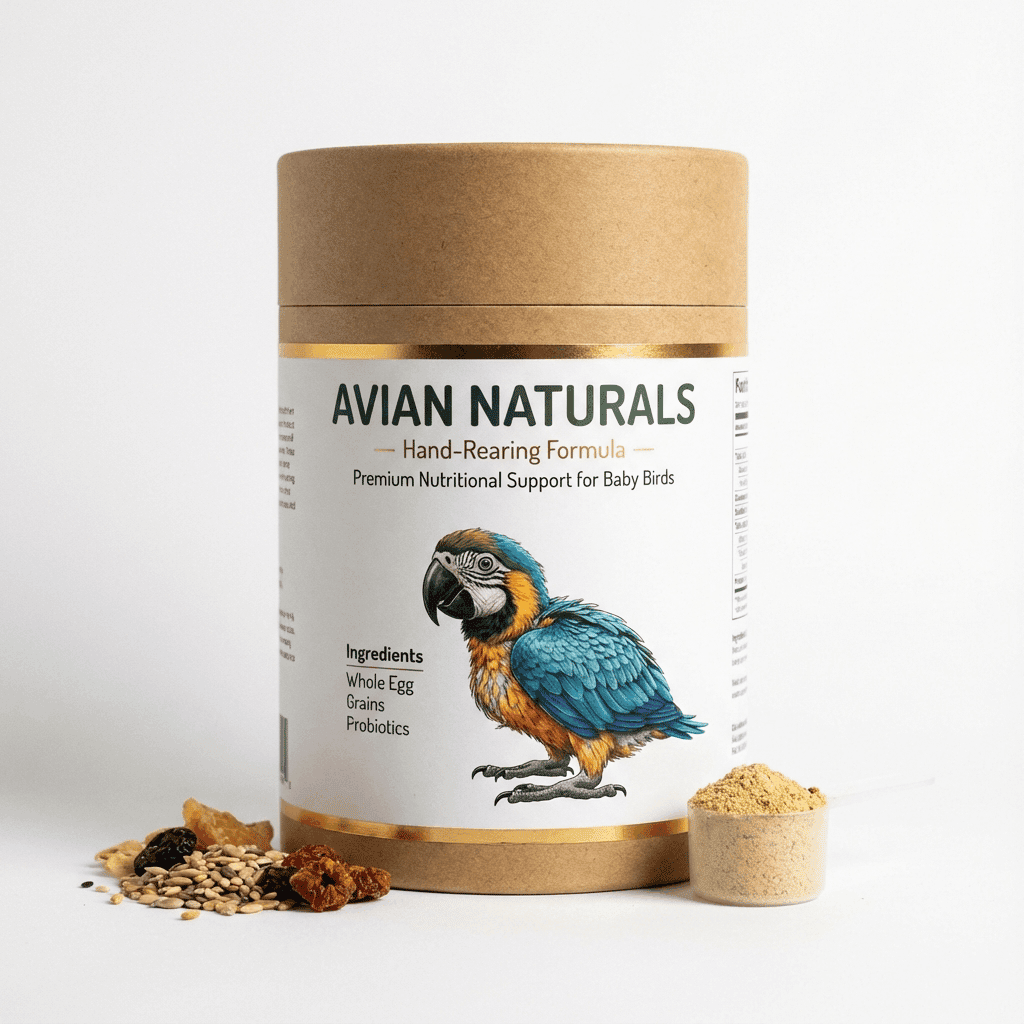
Hand-Rearing Formula for Parrot Chicks