Parrot Cages & Housing Guides
Compare parrot cages by bar spacing, interior flight space, non-toxic powder-coat finishes, and rolling stand mobility. Measure usable space for perches and foraging toys before selecting your bird's home.
Showing 40 results
Parrot Cage Size and Bar Spacing by Species
When comparing parrot cages, always measure interior width, depth, and usable flight height rather than exterior stand height. Horizontal width matters more than tall narrow towers because birds fly across the enclosure rather than straight up. Small species such as budgies, parrotlets, and lovebirds require 3/8-inch to 1/2-inch bar spacing so heads cannot slip between wires. Medium birds including cockatiels, green-cheeked conures, caiques, and senegals thrive in 1/2-inch to 5/8-inch spacing with at least 24 inches of horizontal span. Larger companions such as African greys, amazons, eclectus, cockatoos, and macaws need 3/4-inch to 1.5-inch heavy-gauge wrought iron with reinforced welds that resist strong beak pressure.
Safe Coatings, Escaping Prevention, and Daily Cleaning
Choose welded steel enclosures finished in lead-free, zinc-free baked powder coating or surgical-grade stainless steel. Avoid galvanized wire or chipped painted metal, since heavy-metal ingestion causes acute avian toxicity. Inspect swivel feeder doors, spring-loaded main latches, removable grates, and catch trays before finalizing a model. Intelligent birds learn simple flip latches quickly, so dual-step locks protect curious climbers when unsupervised. Deep pull-out trays and wide front doors shorten daily paper changes and weekly steam sanitization to a few minutes.
Room Placement, Lighting, and Sleep Routine
Position your enclosure against a solid wall in an active family room so your bird feels part of the flock without feeling exposed from all four sides. Keep housing away from drafty windows, air-conditioning vents, and kitchen fumes—overheated nonstick cookware releases PTFE vapors that are rapidly fatal to pet birds. Provide 10 to 12 hours of quiet, uninterrupted darkness each night using a breathable blackout cover or a calm sleeping cage to prevent hormonal stress and night frights.
Plan Perches, Bowls, and Enrichment Layout
Map out where natural wood branches, stainless steel water bowls, and chew toys will hang before assembling the frame. Place highest sleeping perches away from direct overhead droppings above food dishes, leave clear wing-stretch lanes in the center, and keep a lightweight travel carrier ready for routine avian vet checkups and emergency evacuations.
Frequently Asked Questions About Bird Housing
Can two birds share one enclosure? Only bonded pairs of matching size and temperament should share space, and you must double minimum width so each individual can retreat peacefully. How often should grates be scrubbed? Wipe soiled bars daily with avian-safe cleaner and wash trays with hot water every two to three days.
Product Catalog
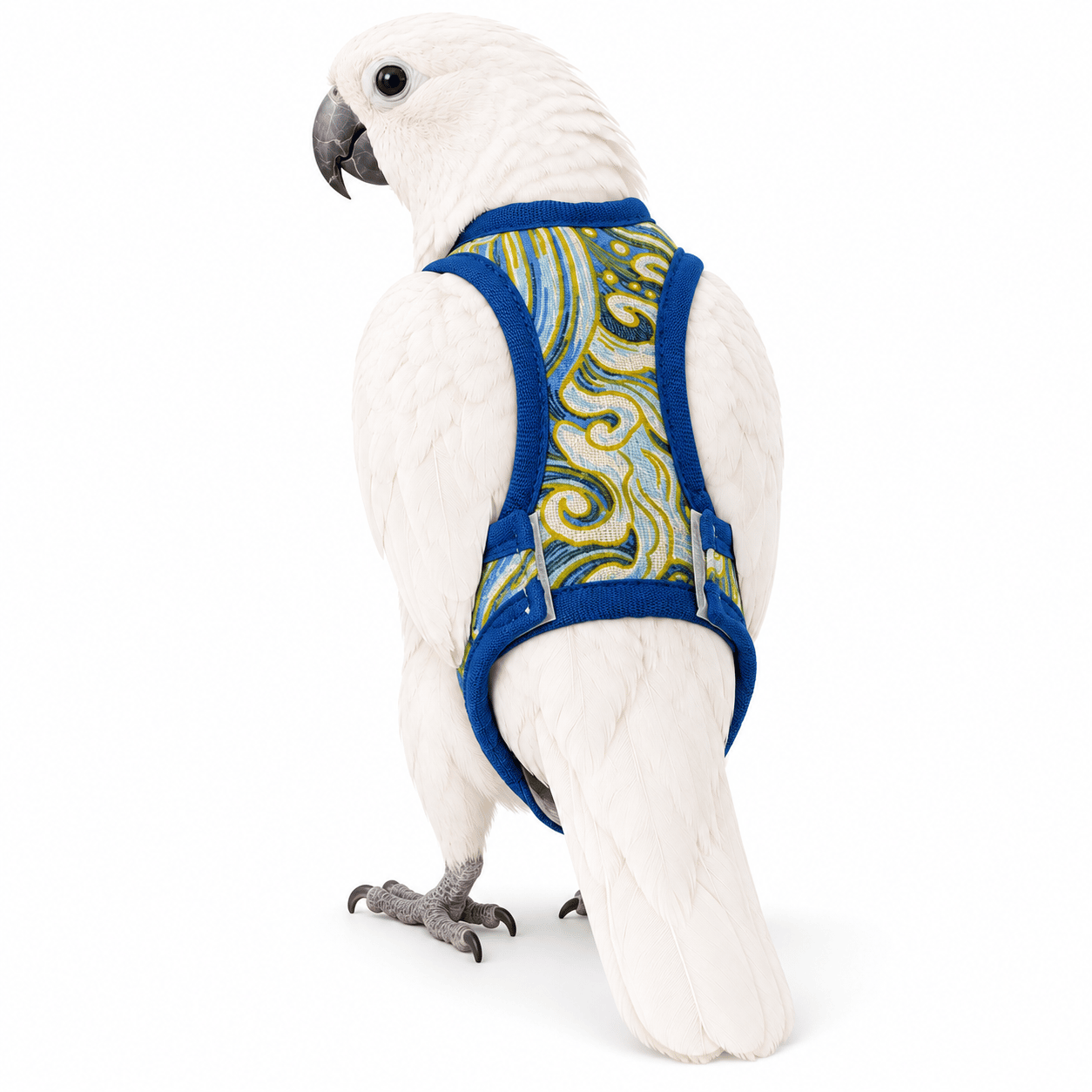
Washable Reusable Bird Diaper Flight Suit with Waterproof Pouch
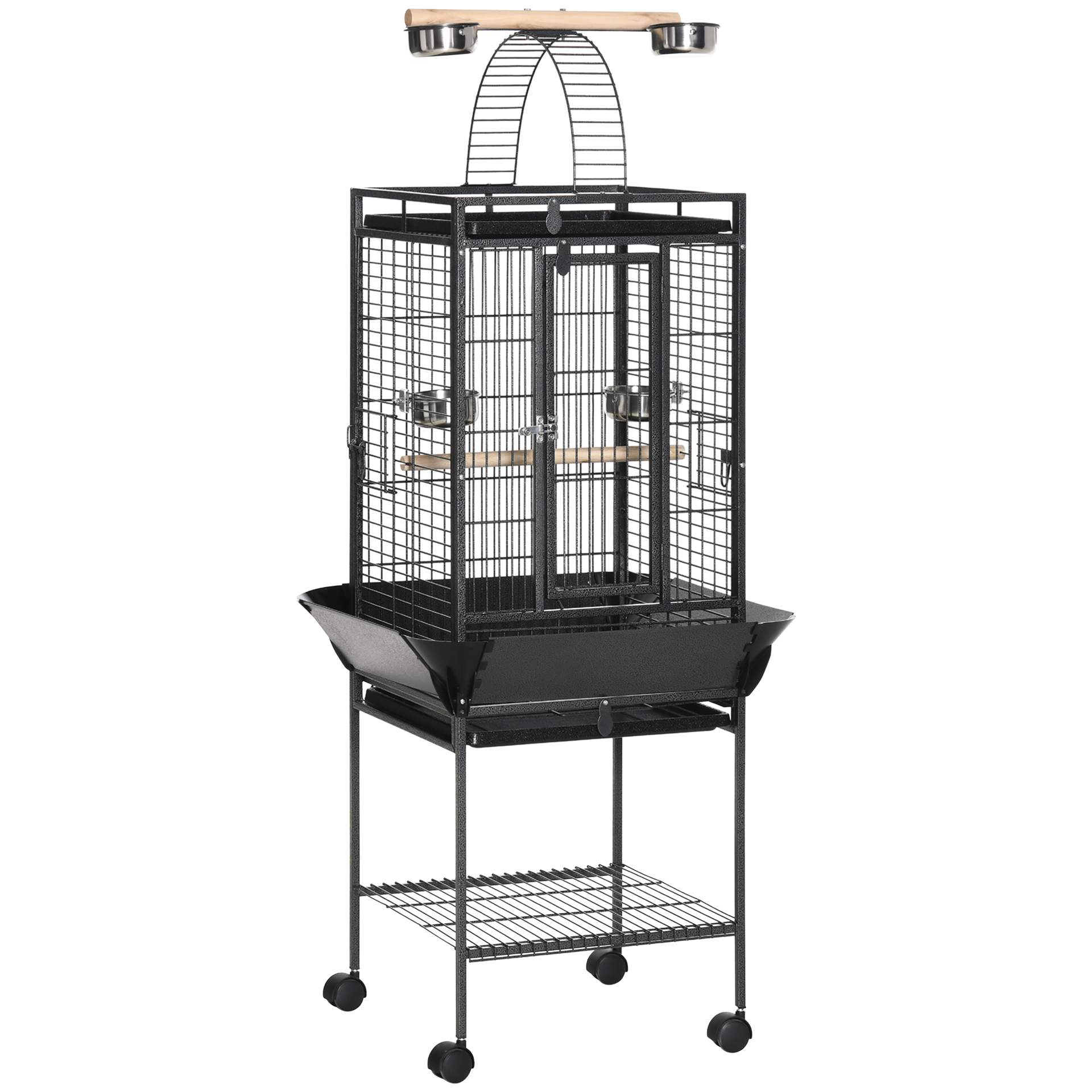
61-Inch Large Rolling Parrot Cage with Open Play Top & Seed Guard
Compact Portable Wire Travel Cage with Perch & Handle
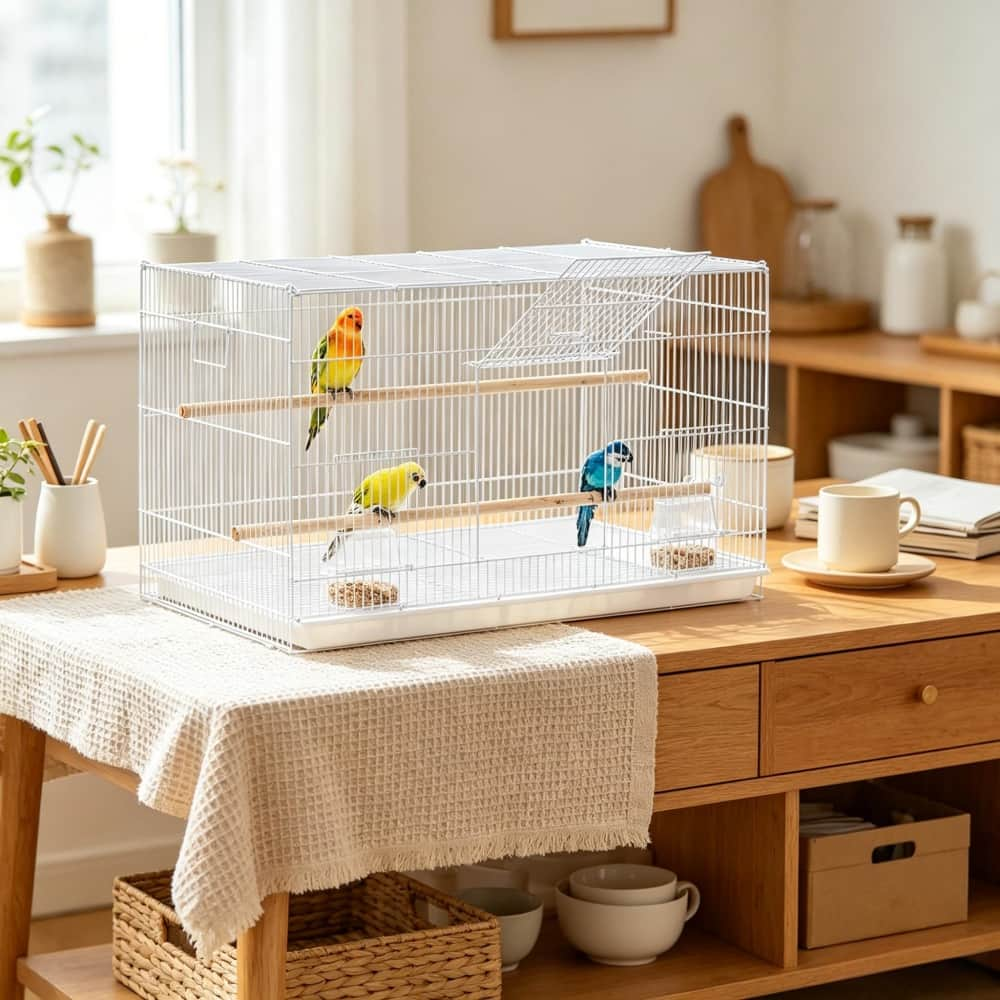
Heavy-Duty Indoor Metal Bird Cage with Wooden Perches
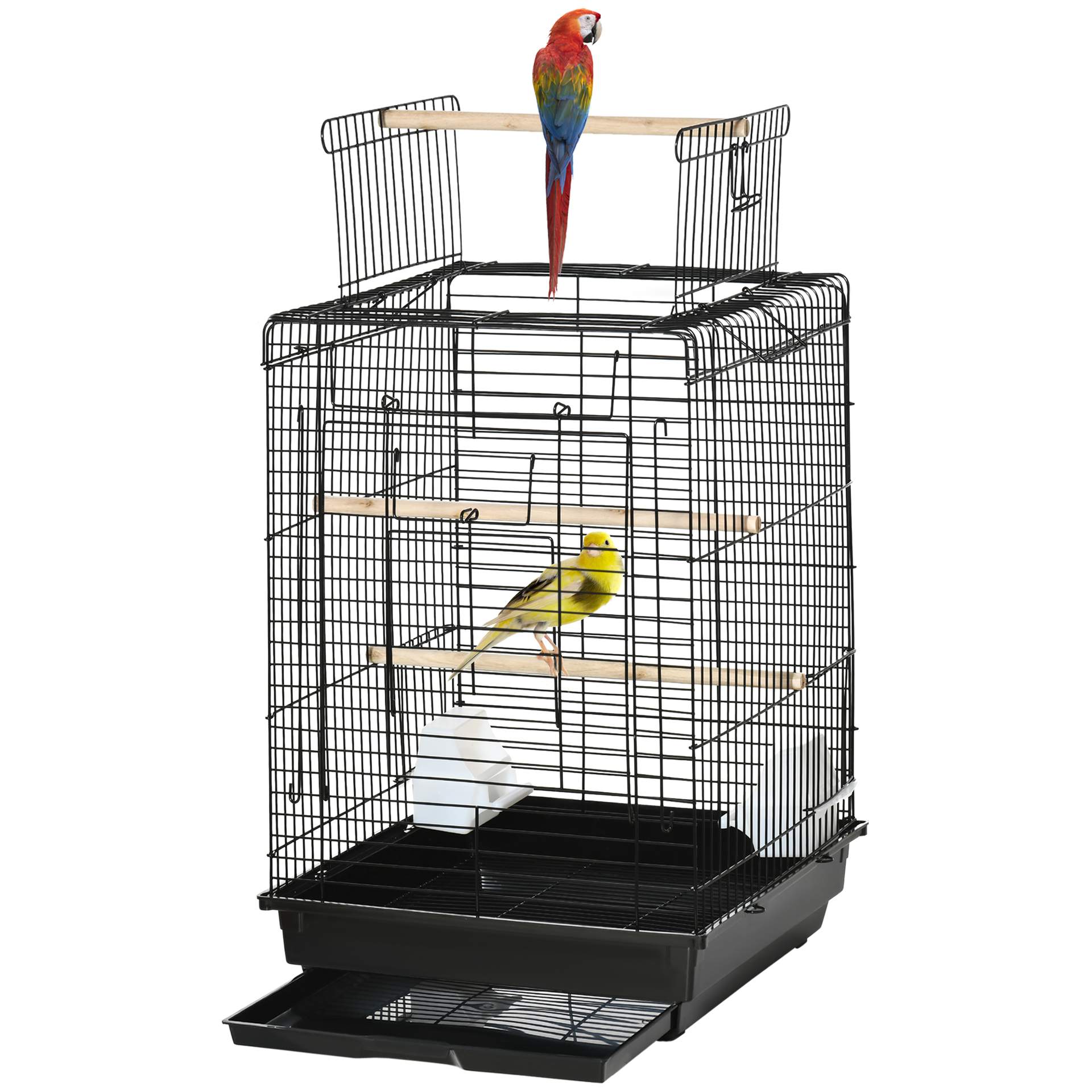
Open-Top Steel Bird Cage with Detachable Stand & Feeders
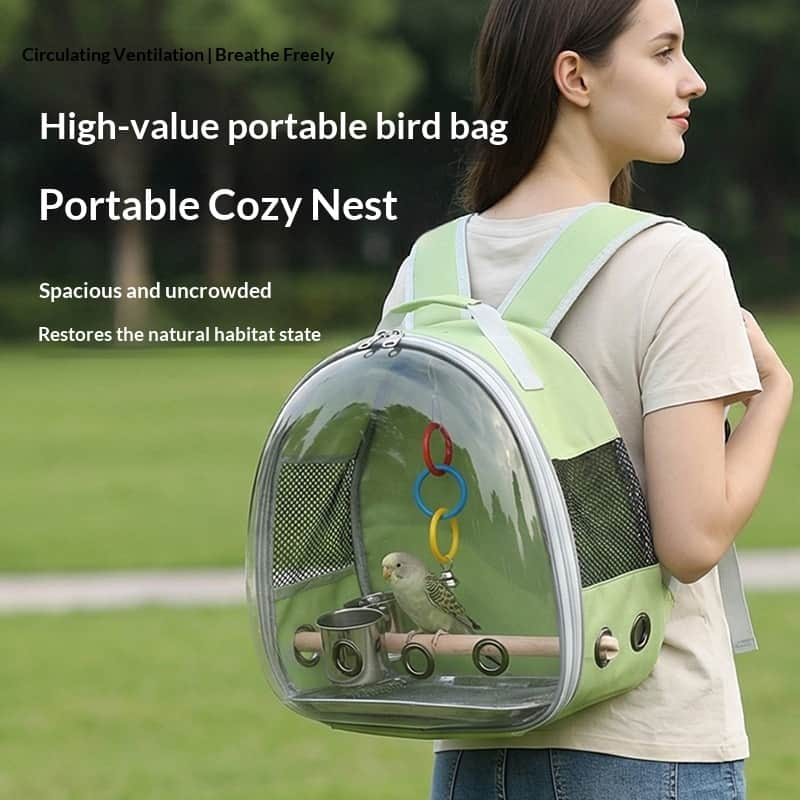
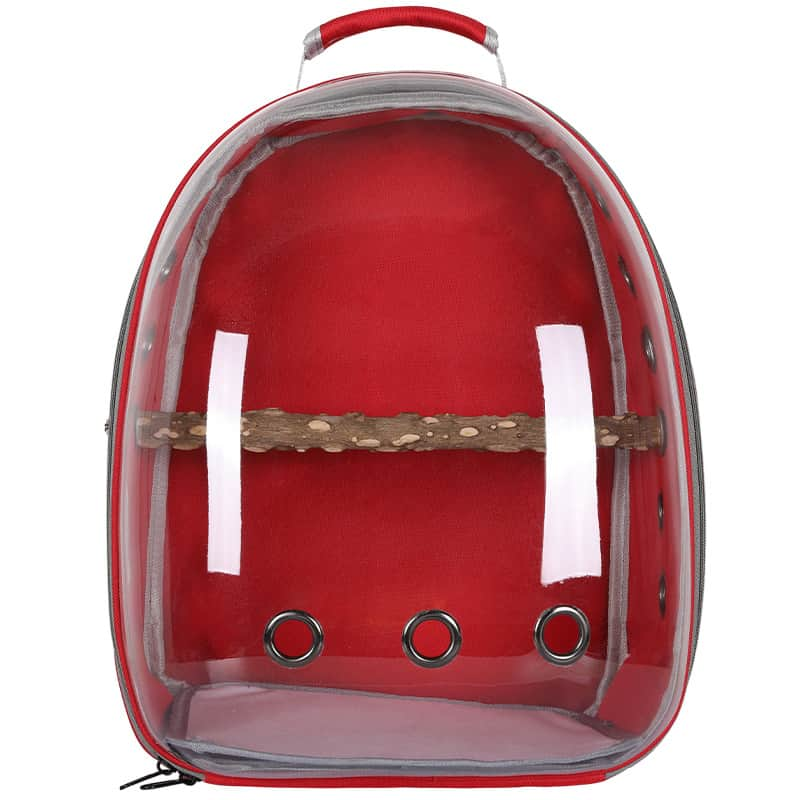
Foldable Transparent Panoramic Bird Travel Backpack
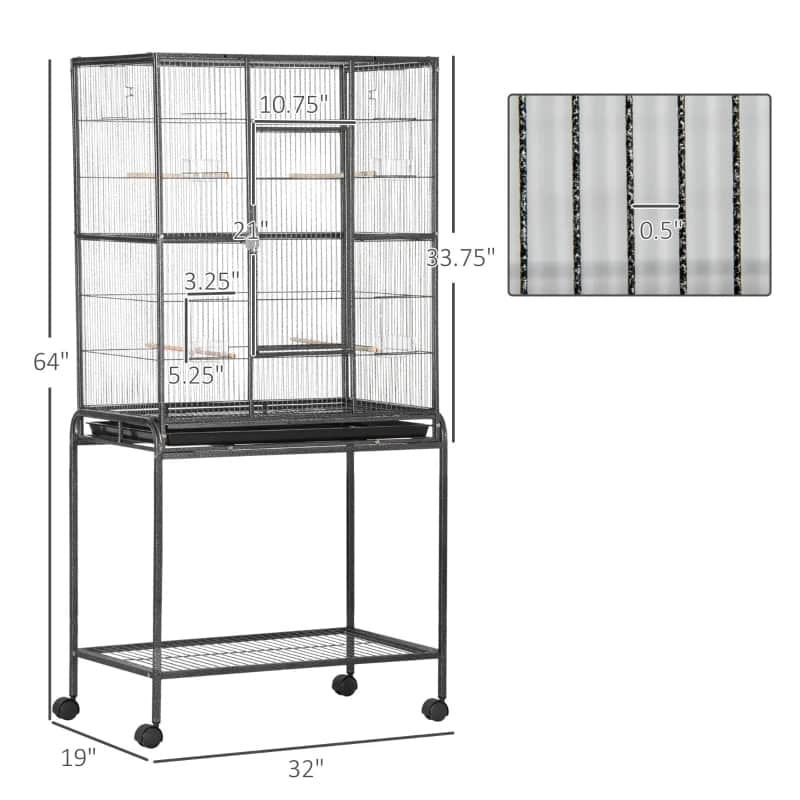
Rolling Metal Bird Cage with Detachable Stand
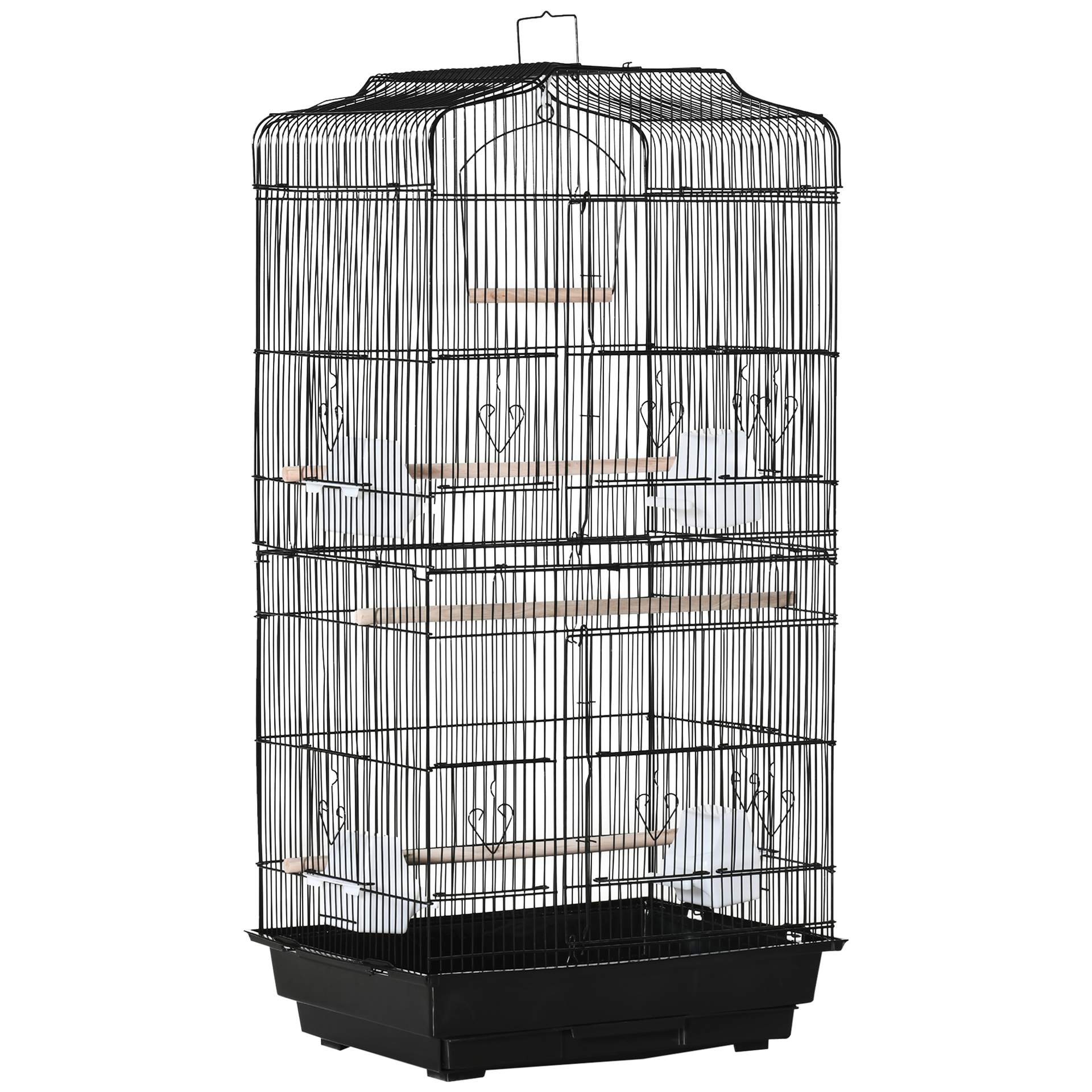
PawHut Metal Bird Cage with Stand for Small Parrots
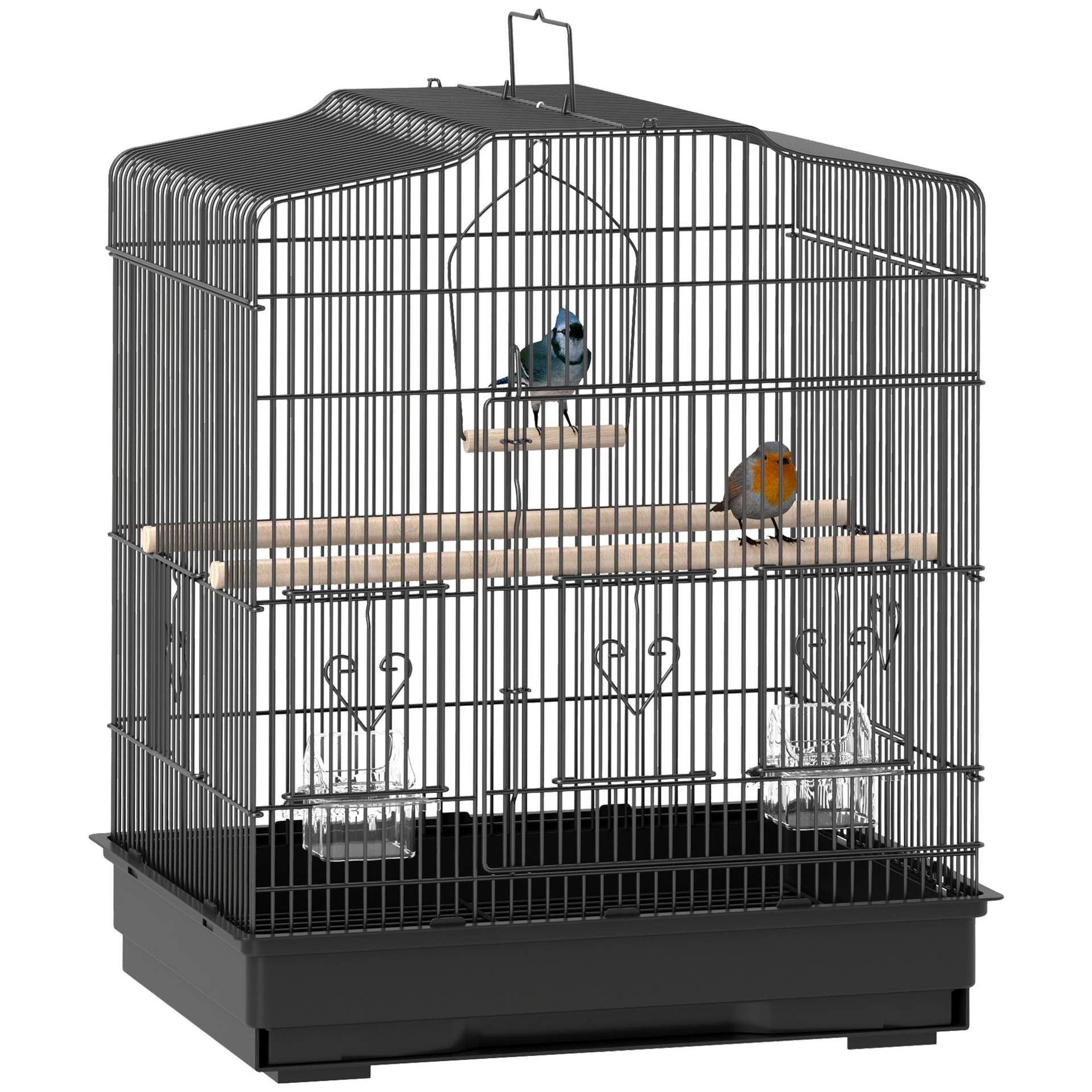
PawHut Metal Cage for Budgies and Small Parrots
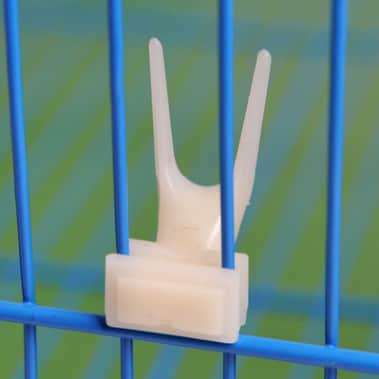
Clip-On Fruit and Vegetable Fork for Bird Cages
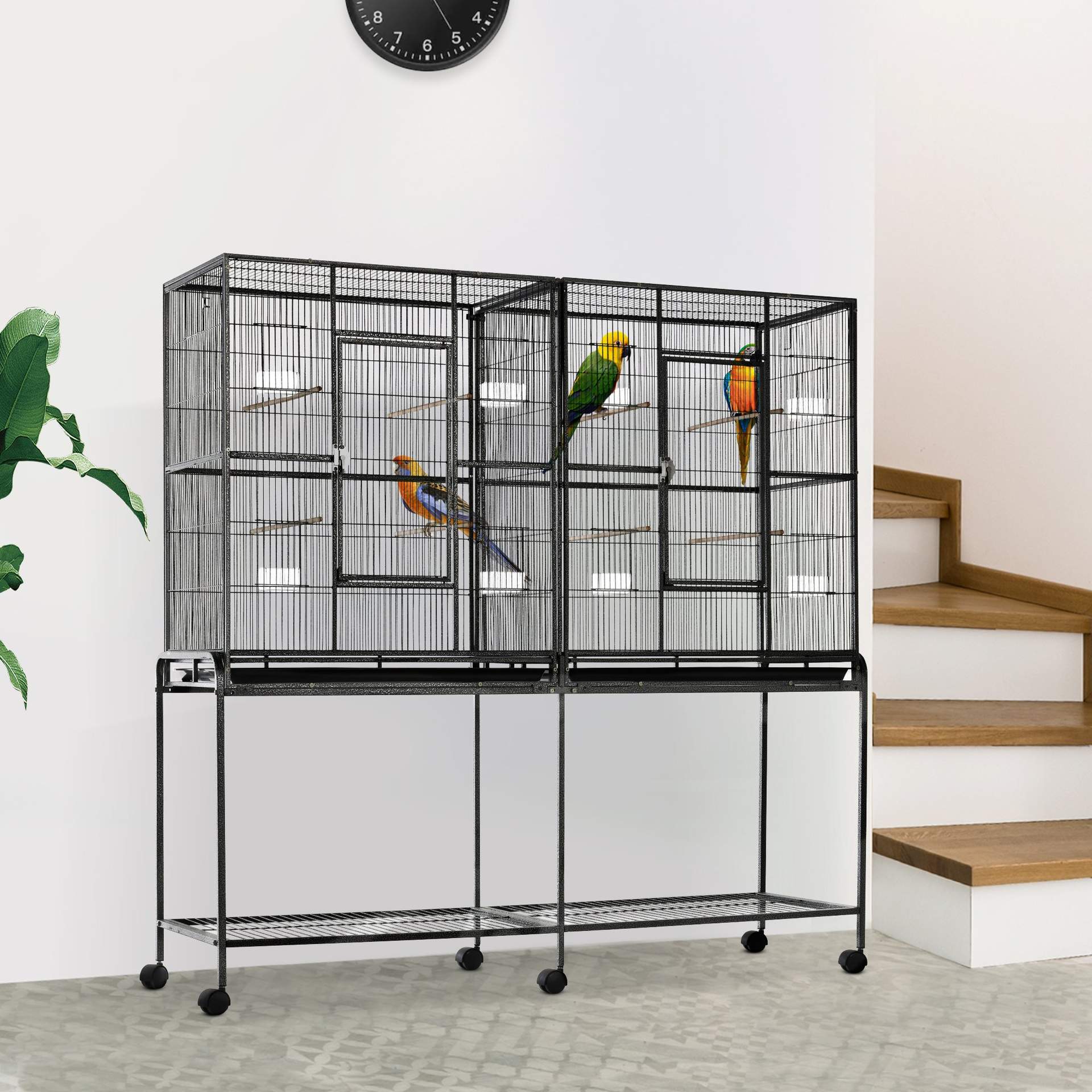
65-Inch Rolling Bird Cage with Storage Shelf
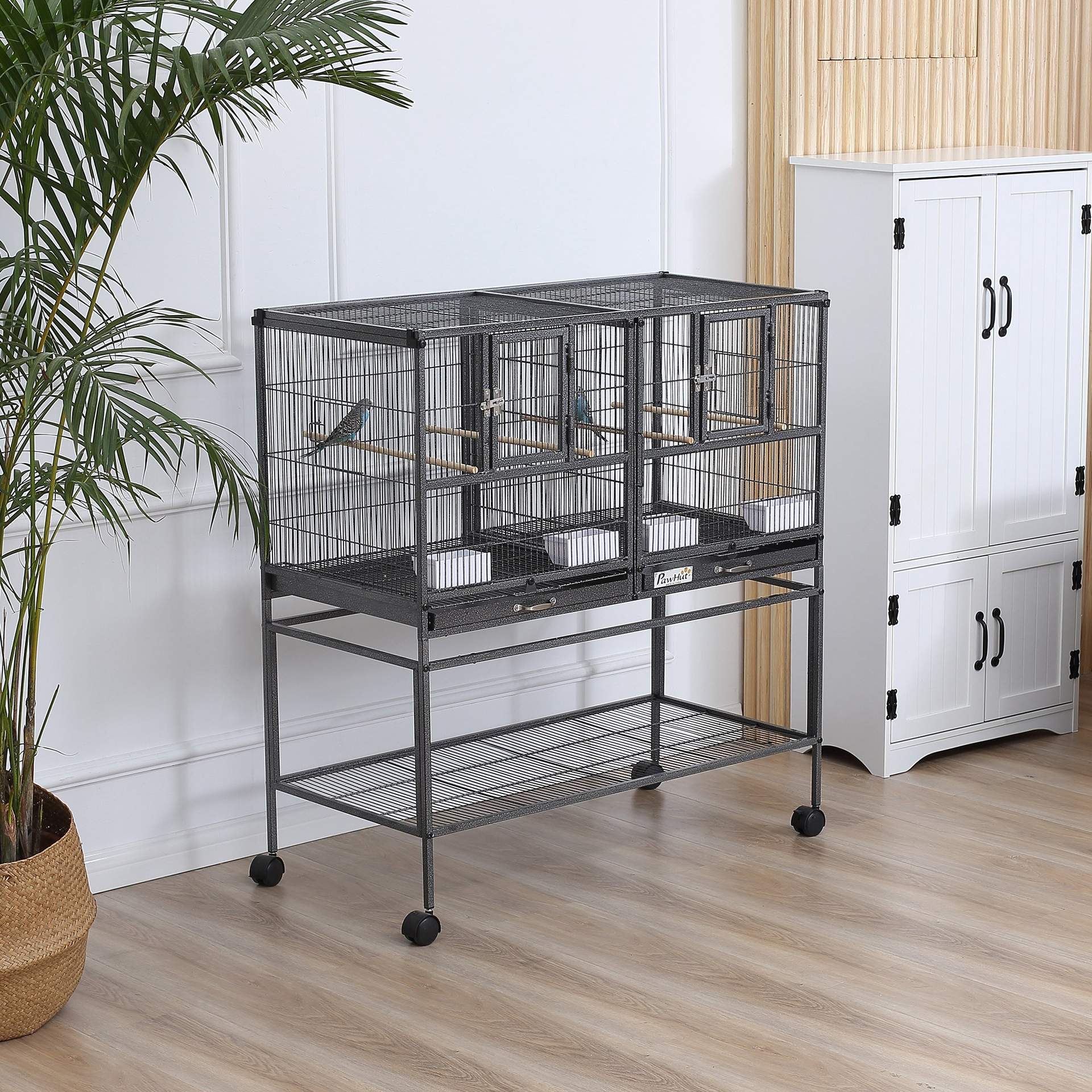
Divided Rolling Bird Cage for Small Parrots
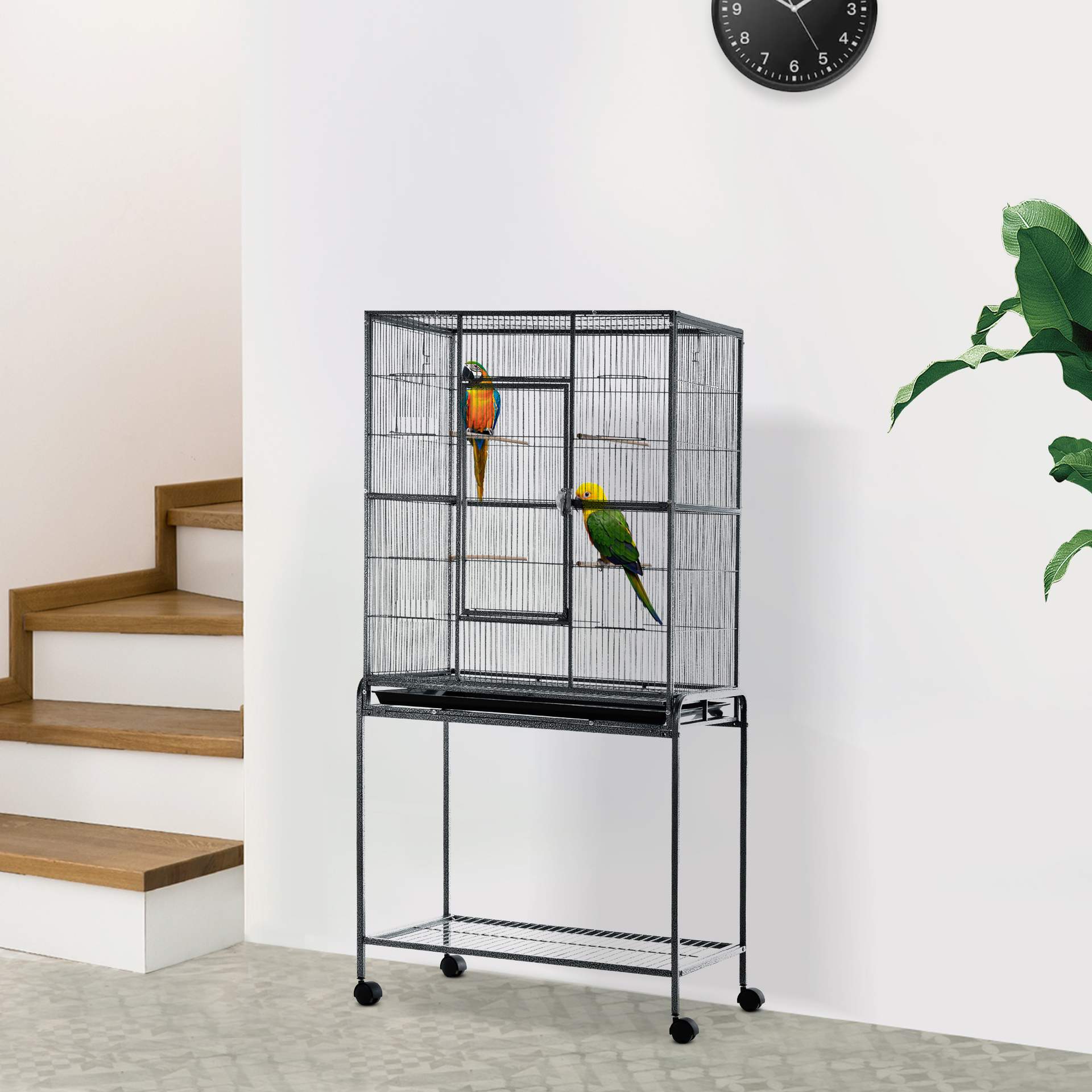
64-Inch Rolling Bird Cage with Storage Shelf
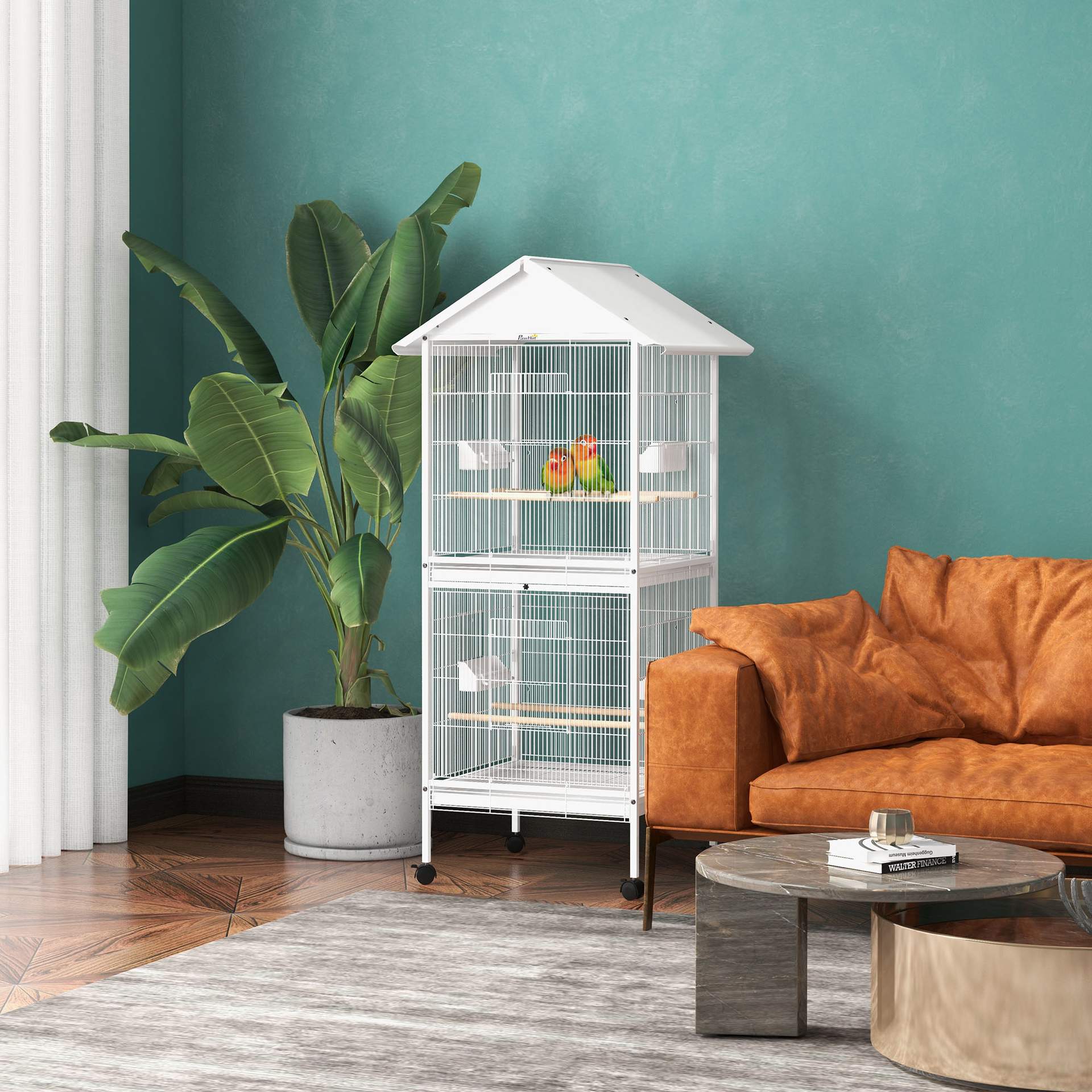
Wrought Metal Rolling Bird Cage with Perches
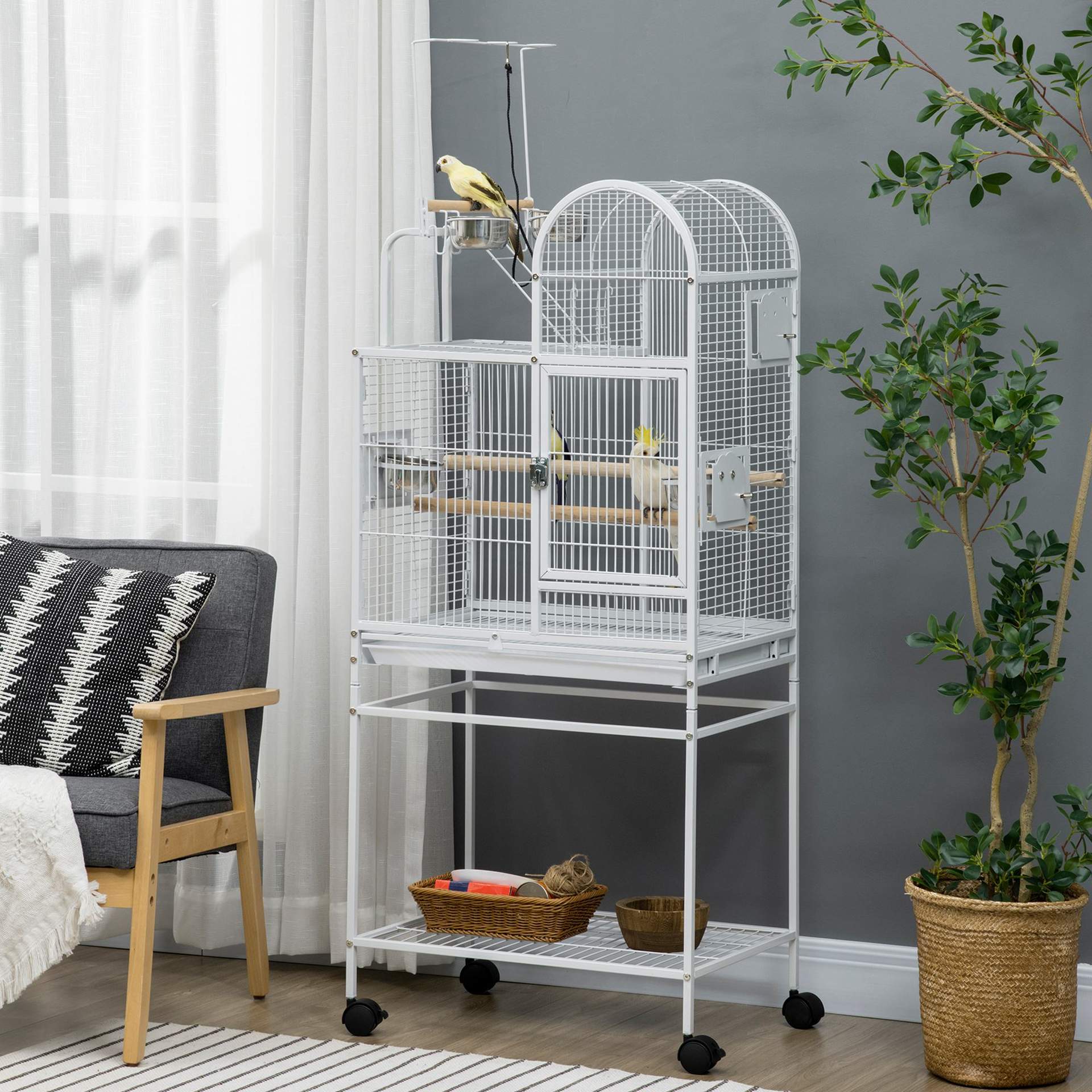
55-Inch Rolling Parrot Cage with Play Top
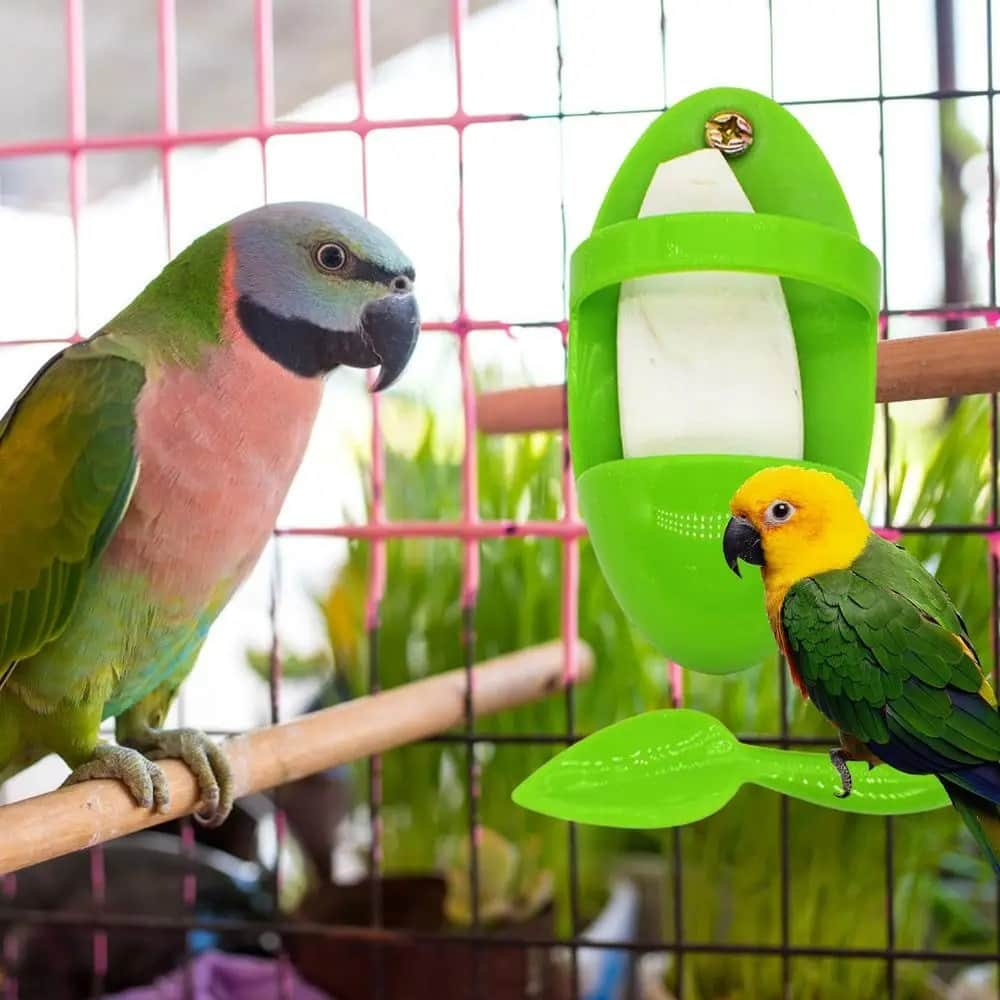
Cuttlebone and Food Holder for Parrot Cages
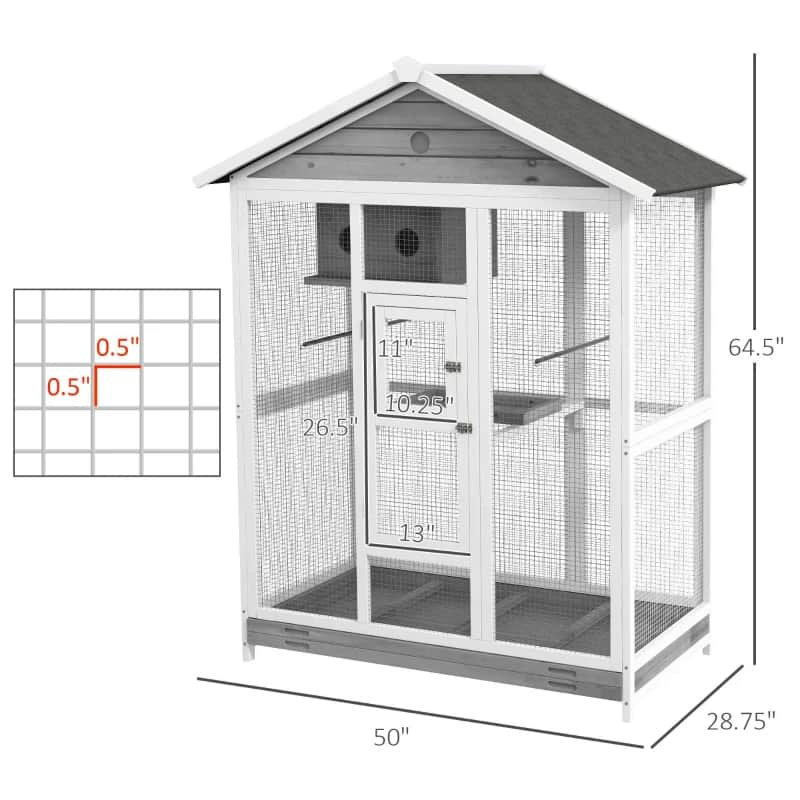
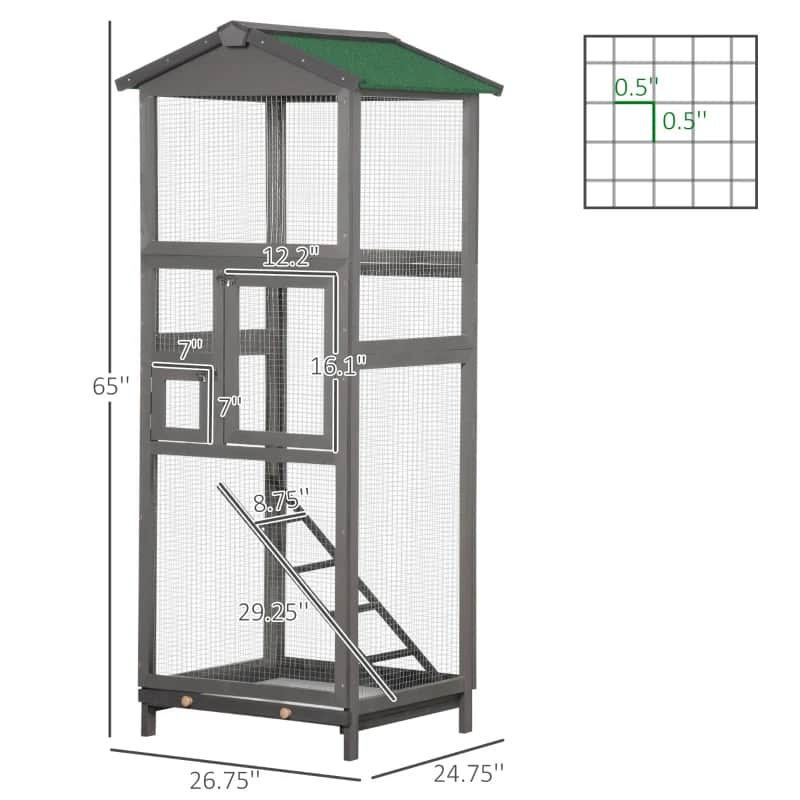
Wooden Outdoor Flight Cage with Perches and Tray