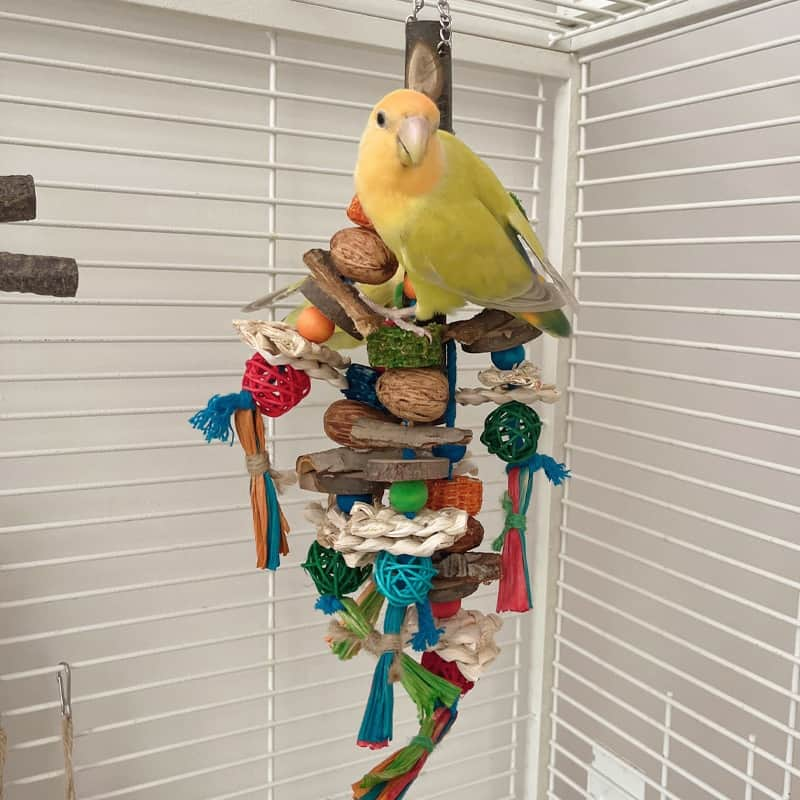
Parrot Toys & Enrichment
Choose parrot toys by how your bird plays: chewing, shredding, or searching for food. Compare the materials, attachment hardware, and size before choosing a toy.
Showing 46 results
Match Parrot Toys to Natural Play Instincts
Wild birds spend hours each day stripping bark, cracking pods, and searching for concealed seeds. Grouping parrot toys by core function—chewing, shredding, foraging, and foot manipulation—helps prevent cage boredom and repetitive feather plucking. Chew designs use untreated pine, balsa, mahogany pods, and hardwood blocks to keep beaks trimmed. Shreddable options offer woven palm leaf, crinkle paper, vine balls, and seagrass mats for satisfying tearing sessions. Foraging puzzles conceal dry pellets or nut pieces inside turning wheels and drawers so your bird works mentally for rewards.
Safety Check: Wood, Dye, Rope, and Hardware
Read every material specification before hanging an enrichment item. Safe woods include untreated kiln-dried pine, balsa, apple, java, and manzanita colored only with food-grade vegetable dyes. Always verify that clasps are stainless steel or nickel-free brass rather than cheap zinc-plated split rings. Trim frayed cotton ropes immediately so toes cannot catch, or switch to sisal, hemp, and vegetable-tanned leather.
Weekly Toy Rotation and Shy-Bird Introductions
Keep four to six distinct textures active inside the enclosure and swap two items every week so the environment feels fresh without overwhelming sensitive individuals. For cautious species like African greys or cockatiels, place bright new puzzles beside the enclosure for two days before clipping them inside.
Product Catalog
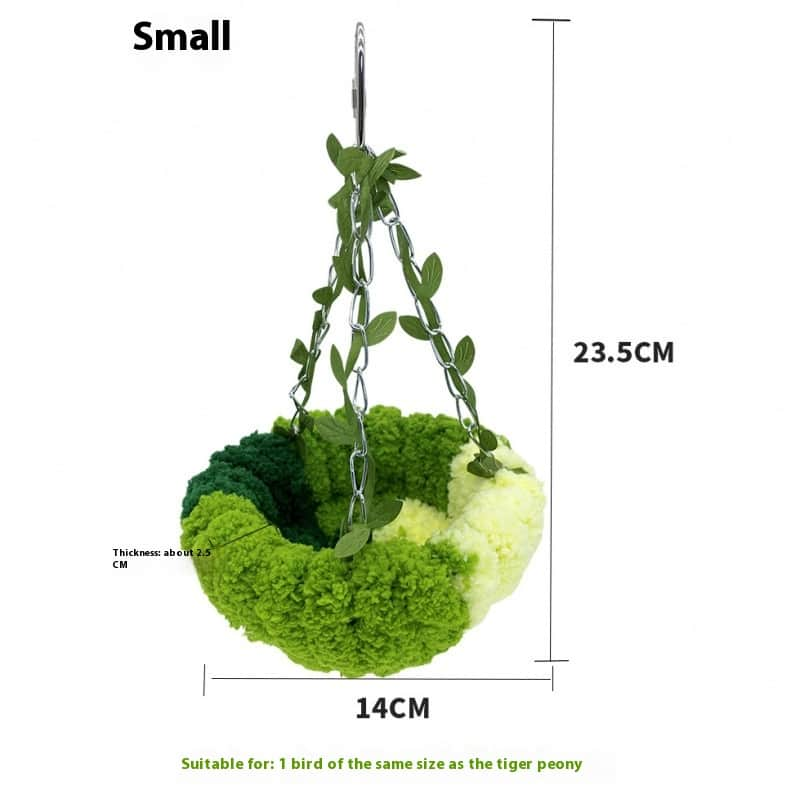
Winter Warm Plush Parrot Hammock & Snuggle Hut Bed
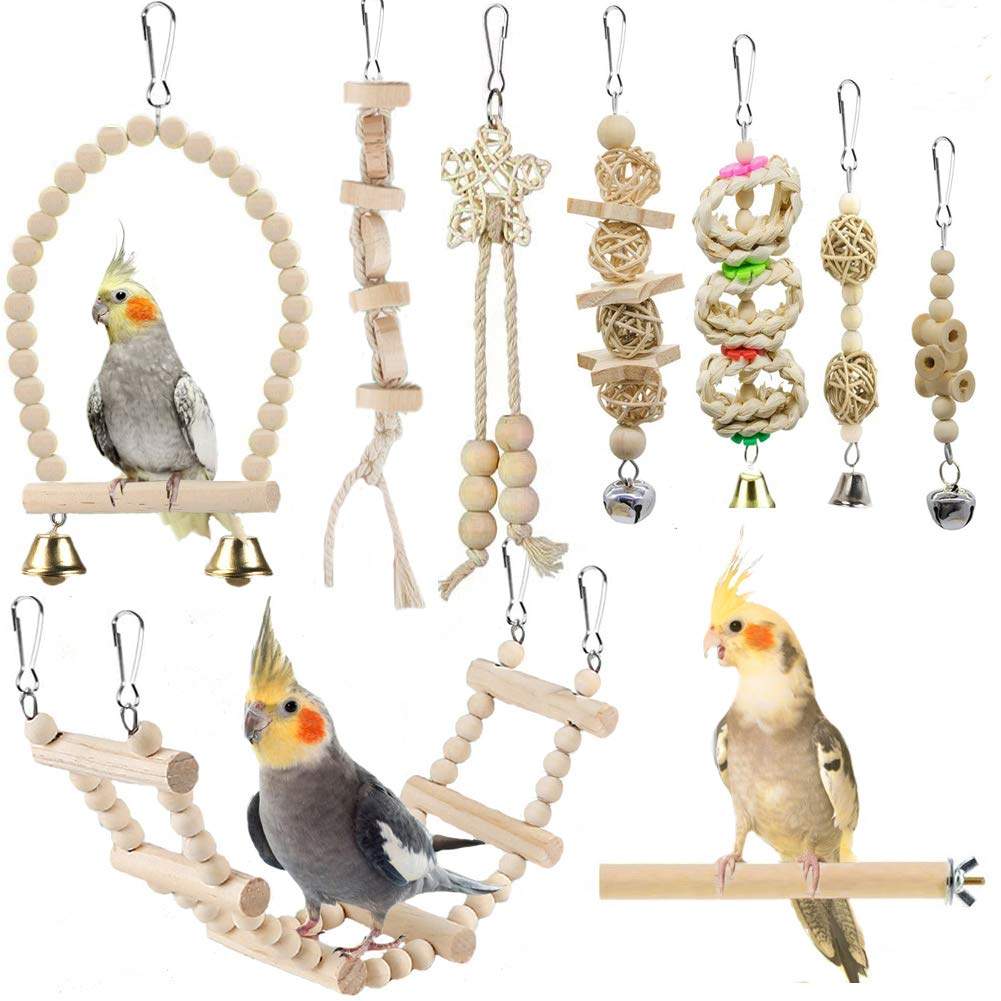
Multi-Piece Wooden Parrot Climbing Ladder & Hammock Swing Set
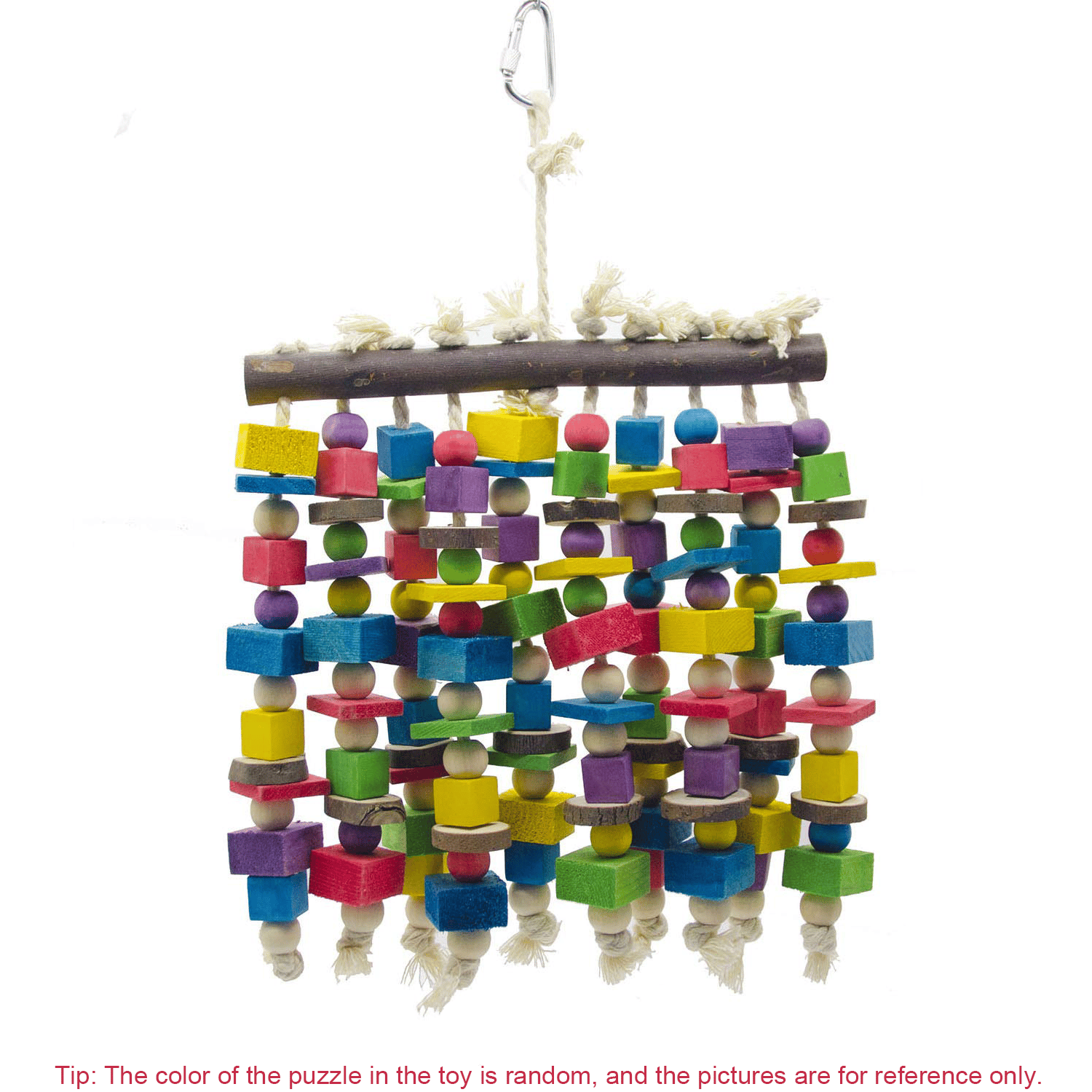
Heavy-Duty Natural Wooden Block Chewing & Foraging Toy for Large Parrots
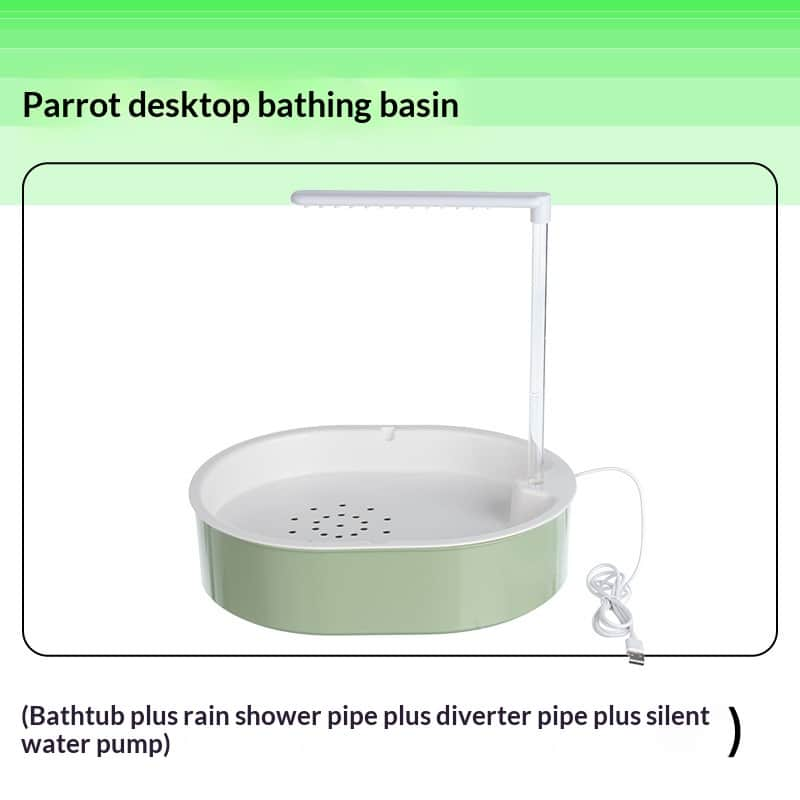
Automatic Circulation Water Fountain Bird Bath Tub
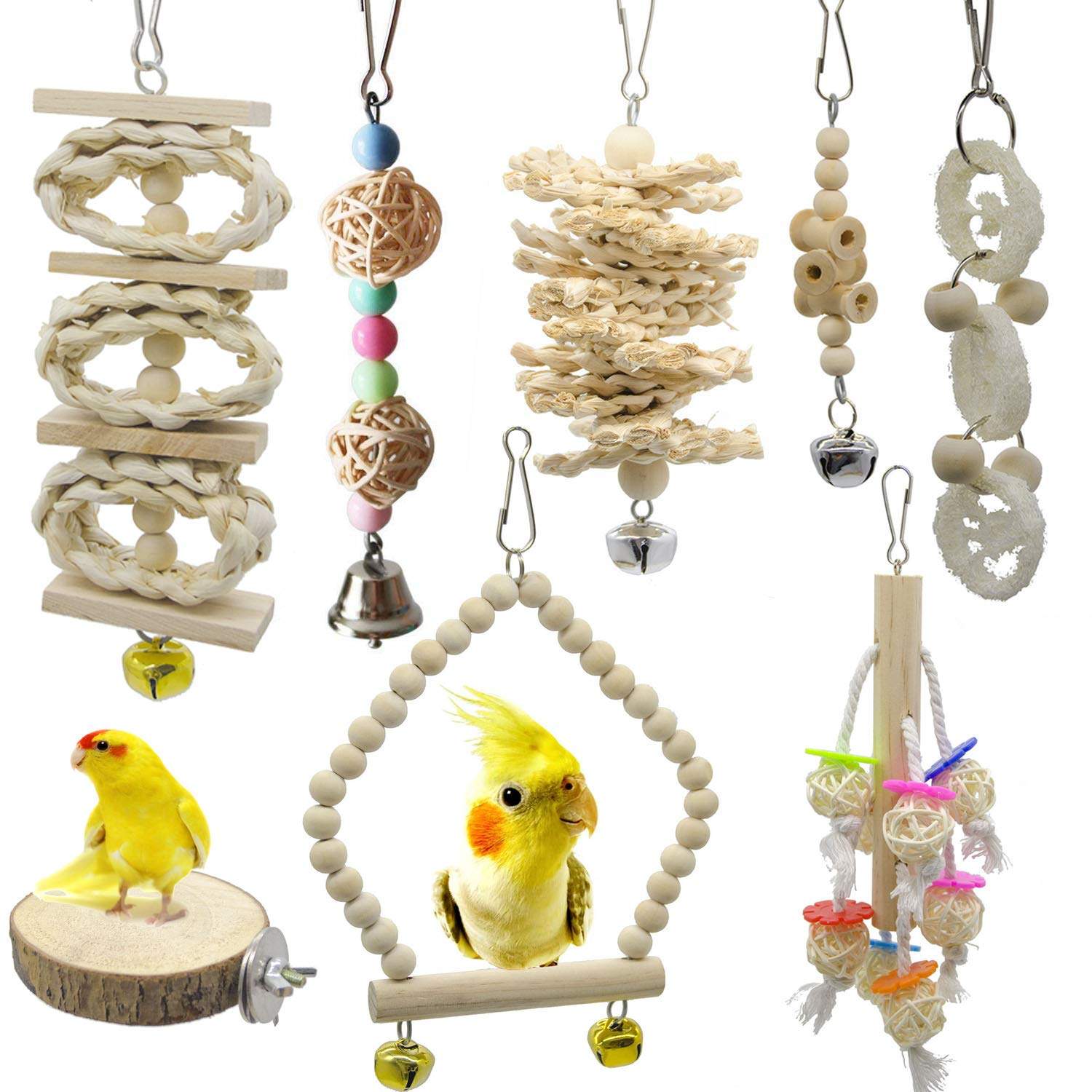
8-Piece Natural Wood Parrot Swing & Chew Toy Set
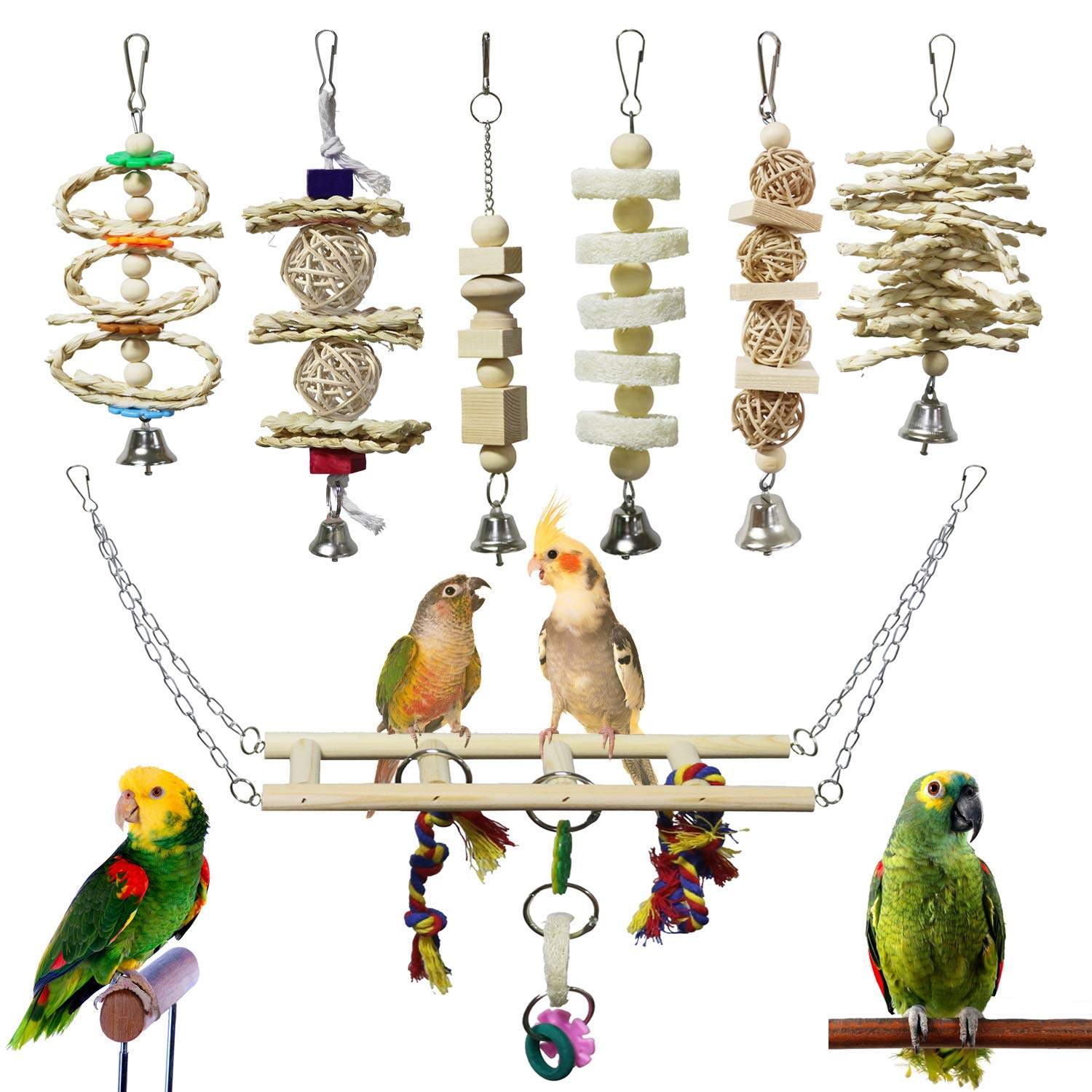
7-Piece Loofah & Corn Husk Foraging Toy Pack for Conures
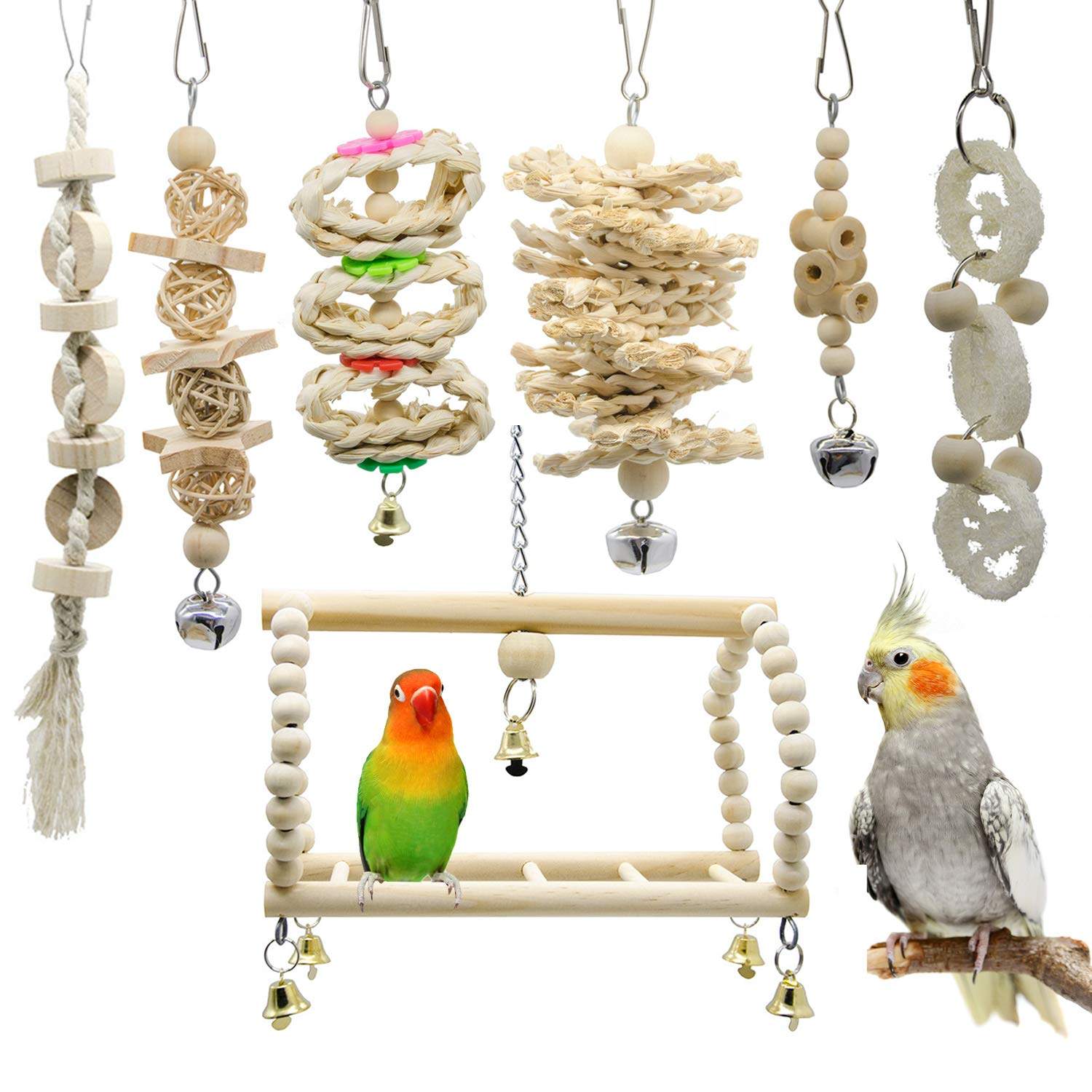
7-Piece Hanging Bell & Rope Parrot Chew Toy Pack
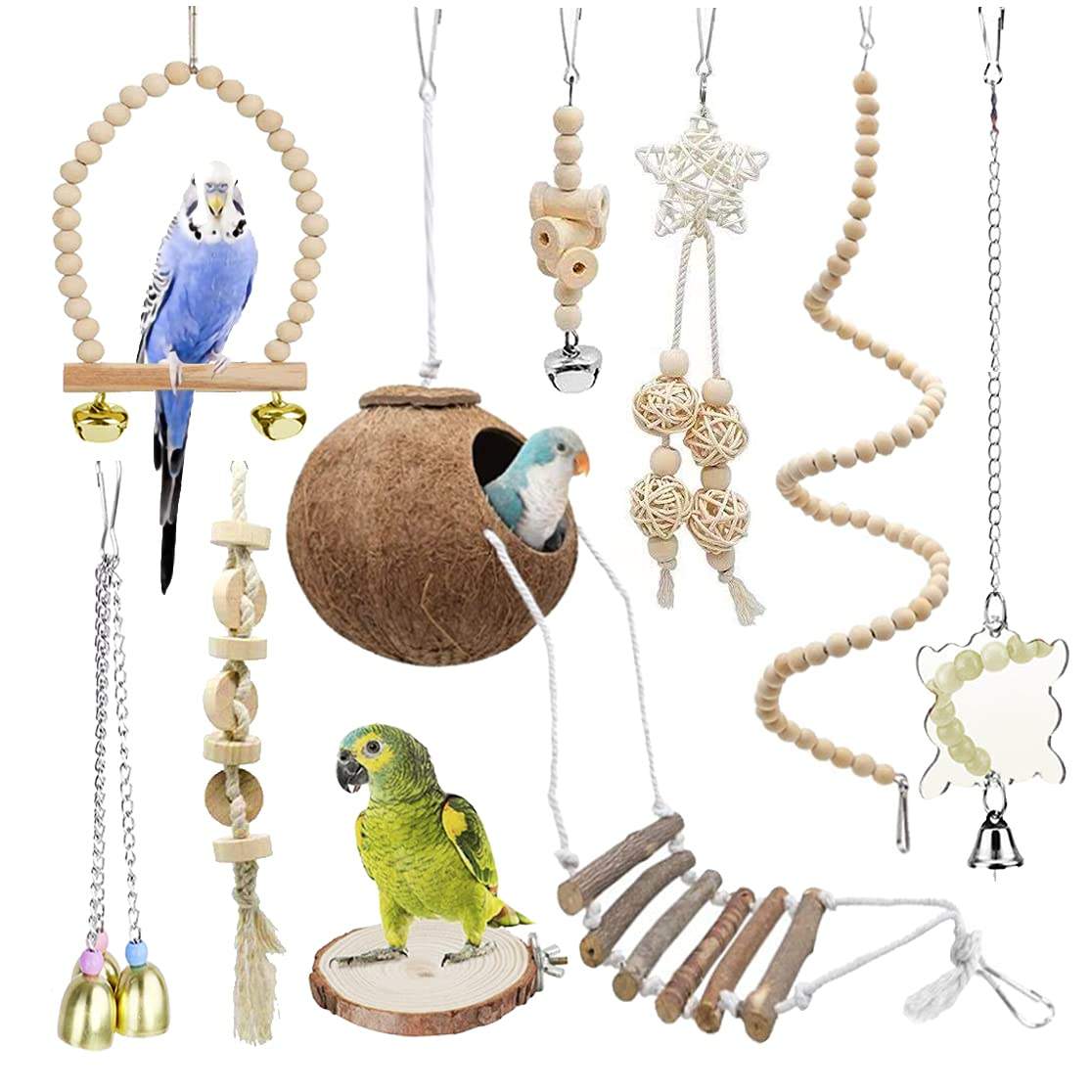
9-Piece Wooden Parrot Toys & Coconut Hideaway Set
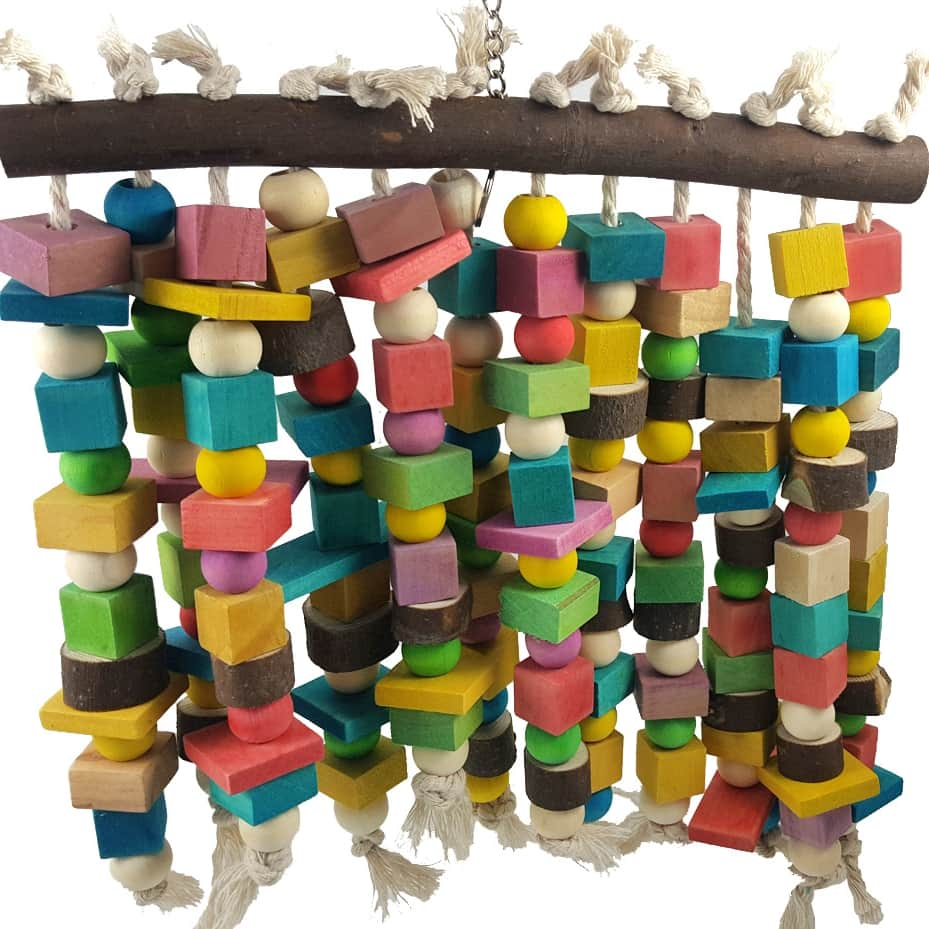
Wooden Parrot Chew Toy for Small and Medium Birds
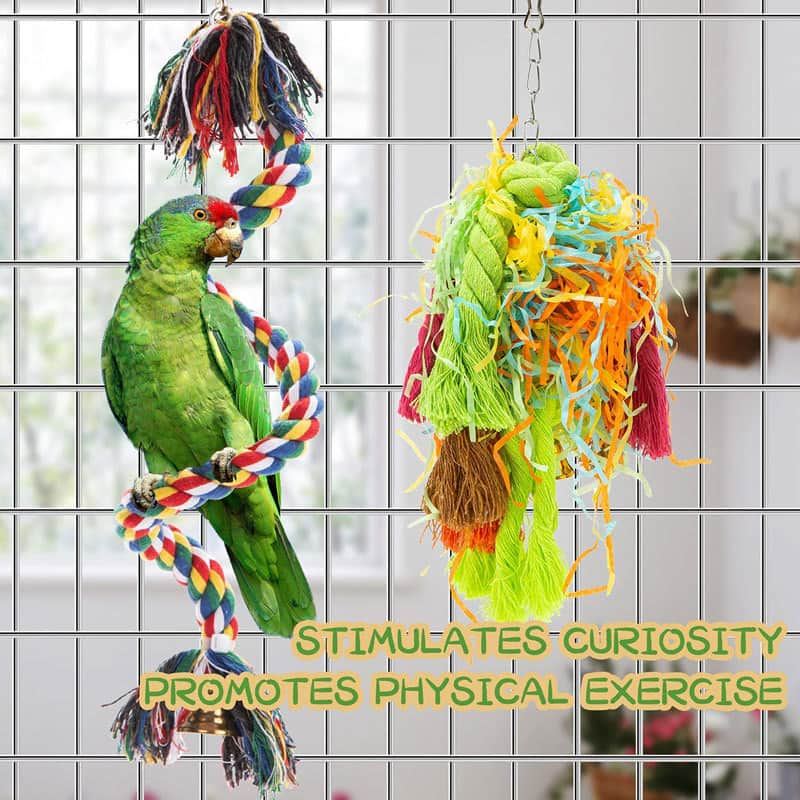
5-Piece Cotton Rope Parrot Chew Toy Set
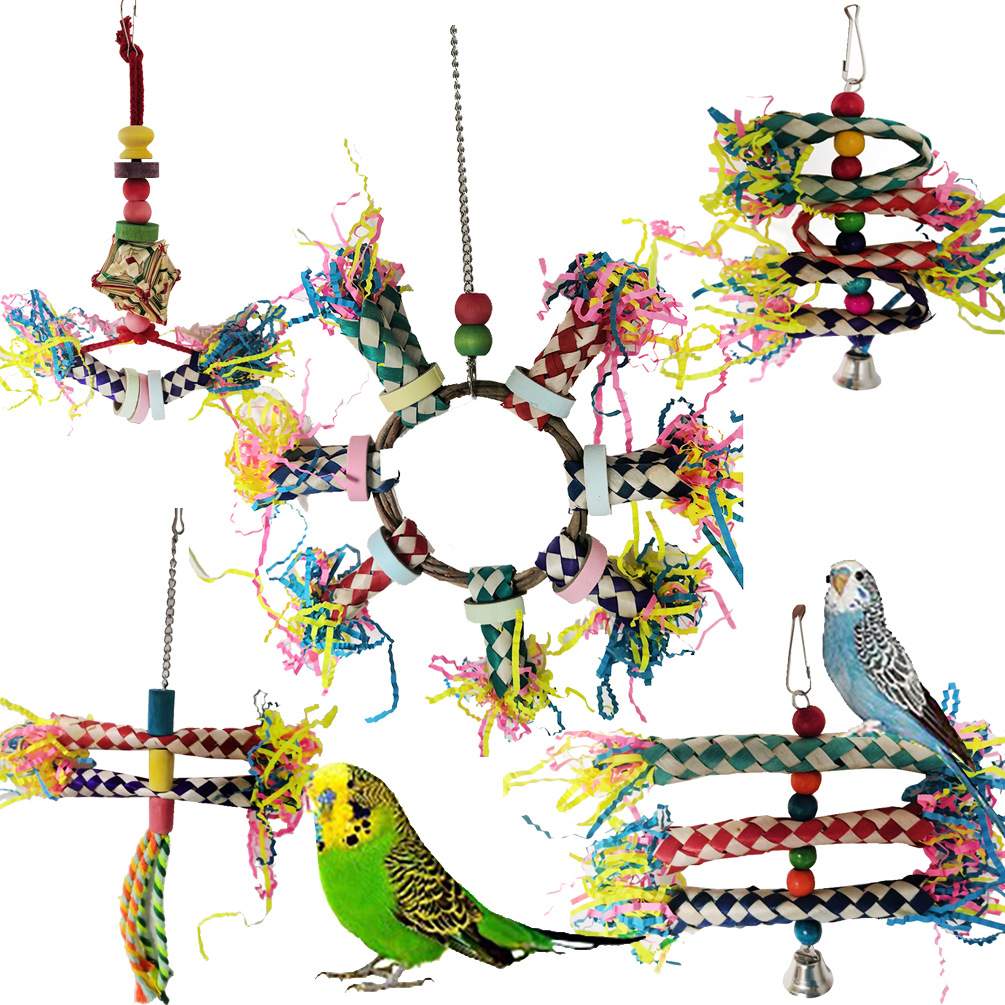
5-Piece Parrot Chew Toy Set
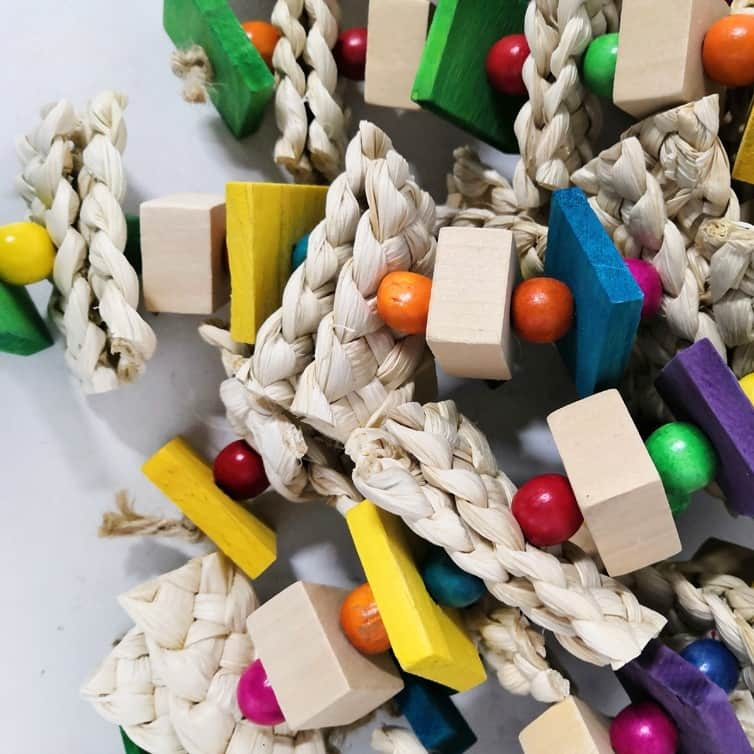
Corn Husk and Wood Shredding Toy for Parrots
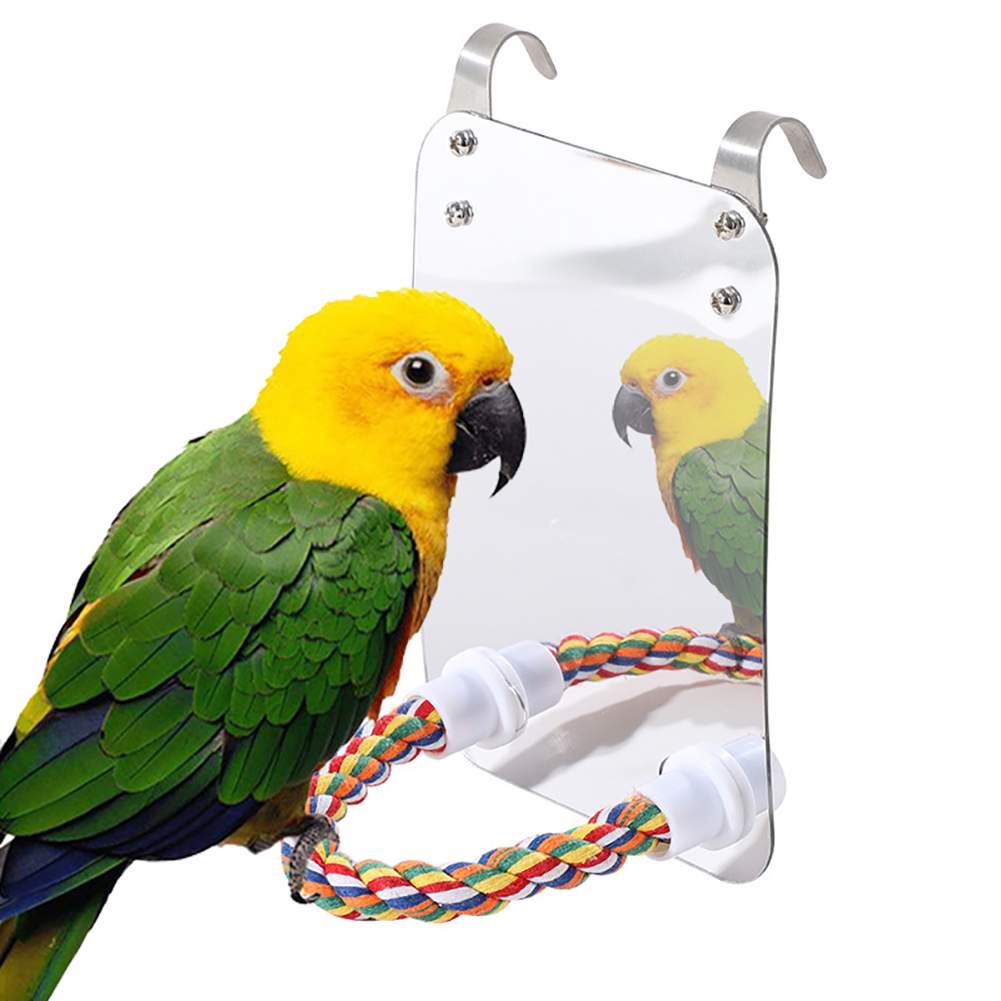
Acrylic Hanging Parrot Toy with Cotton Rope
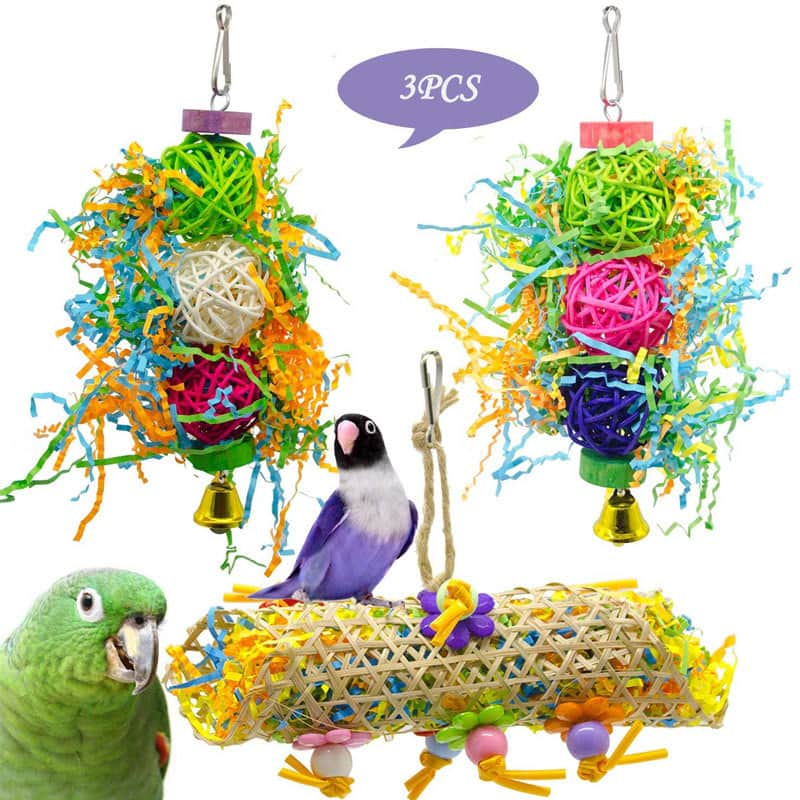
3-Piece Natural Rattan and Wood Parrot Chew Toy Set
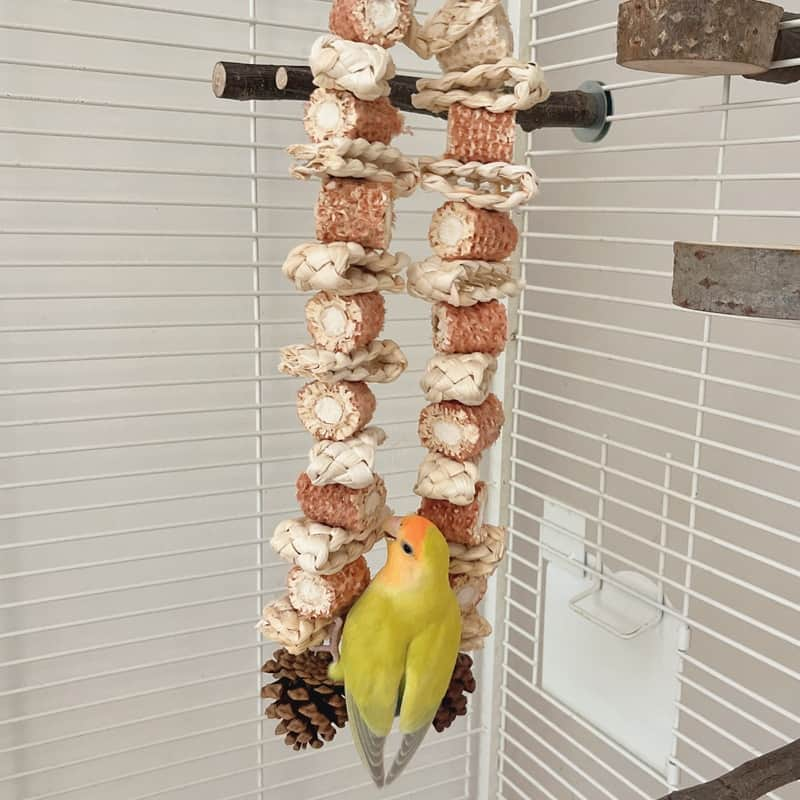
Medium and Large Parrot Wooden Chew Toy
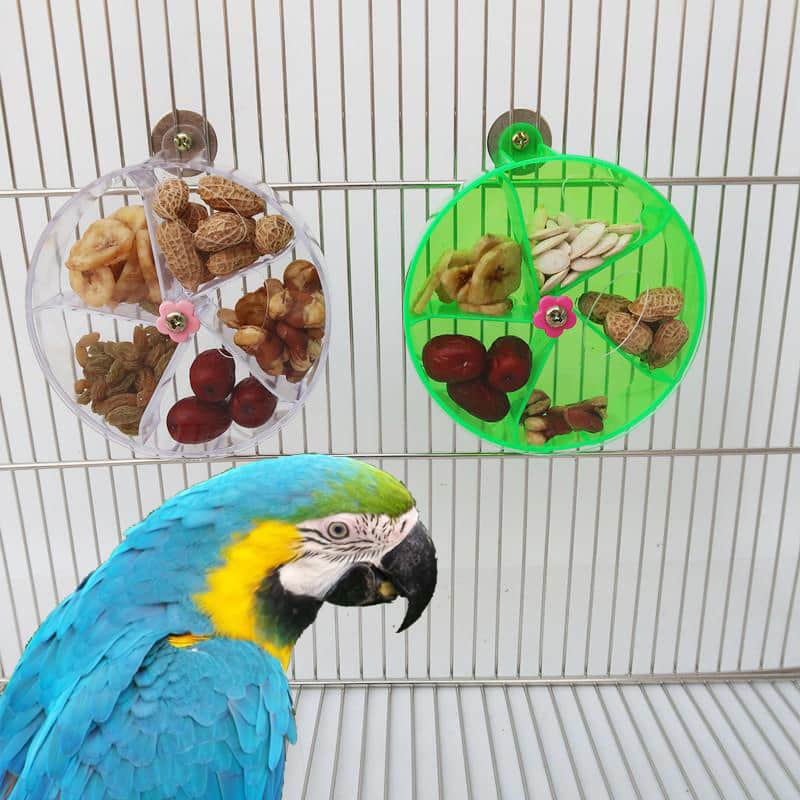
Acrylic Foraging Wind Wheel for Parrots
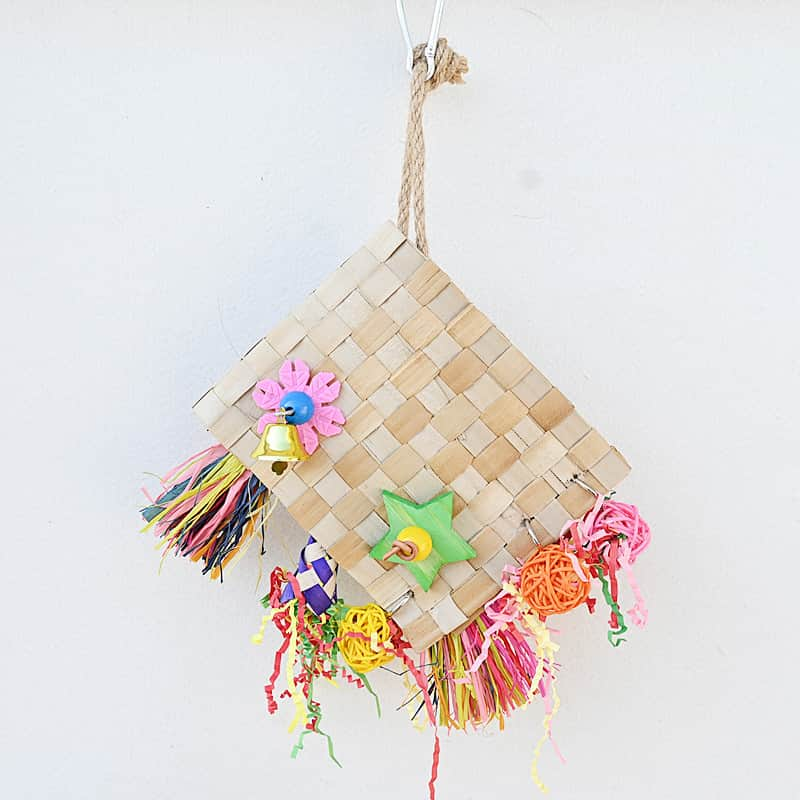
Palm Leaf Foraging Bag for Parrots