Best Bird Cage for Parrotlets
Parrotlets have the tiny body of a finch with the high intelligence and destructive beak strength of an Amazon parrot. They are fiercely energetic acrobats that require generous interior space for toys and foraging, paired with strictly 1/2-inch bar spacing to eliminate escape and head-trapping hazards.
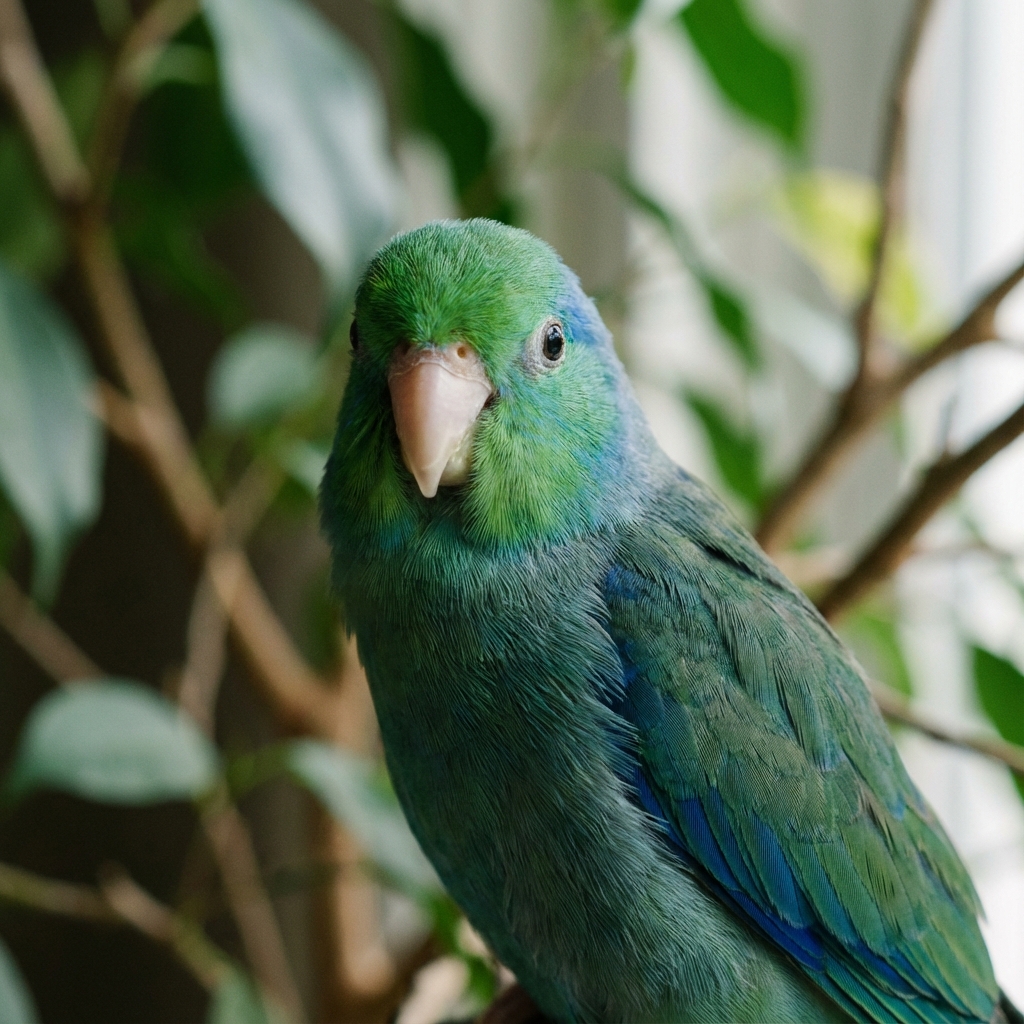
Parrotlet Cage Dimensions & Bar Spacing At-a-Glance
Avian veterinary recommended minimum standards
24"W x 24"D x 24"H
(61 x 61 x 61 cm)30"W x 20"D x 24"H
Optimal active wing flapping space1/2 inch (1.27 cm) strict maximum
Strict limit to prevent head entrapment2 mm to 2.5 mm
Resists species beak leverageKey Layout Requirement: Tight 1/2" bar spacing with sturdy horizontal climbing bars
Best Cages for Parrotlets
Curated for safe bar spacing, non-toxic finishes, easy cleaning, and durable locks.
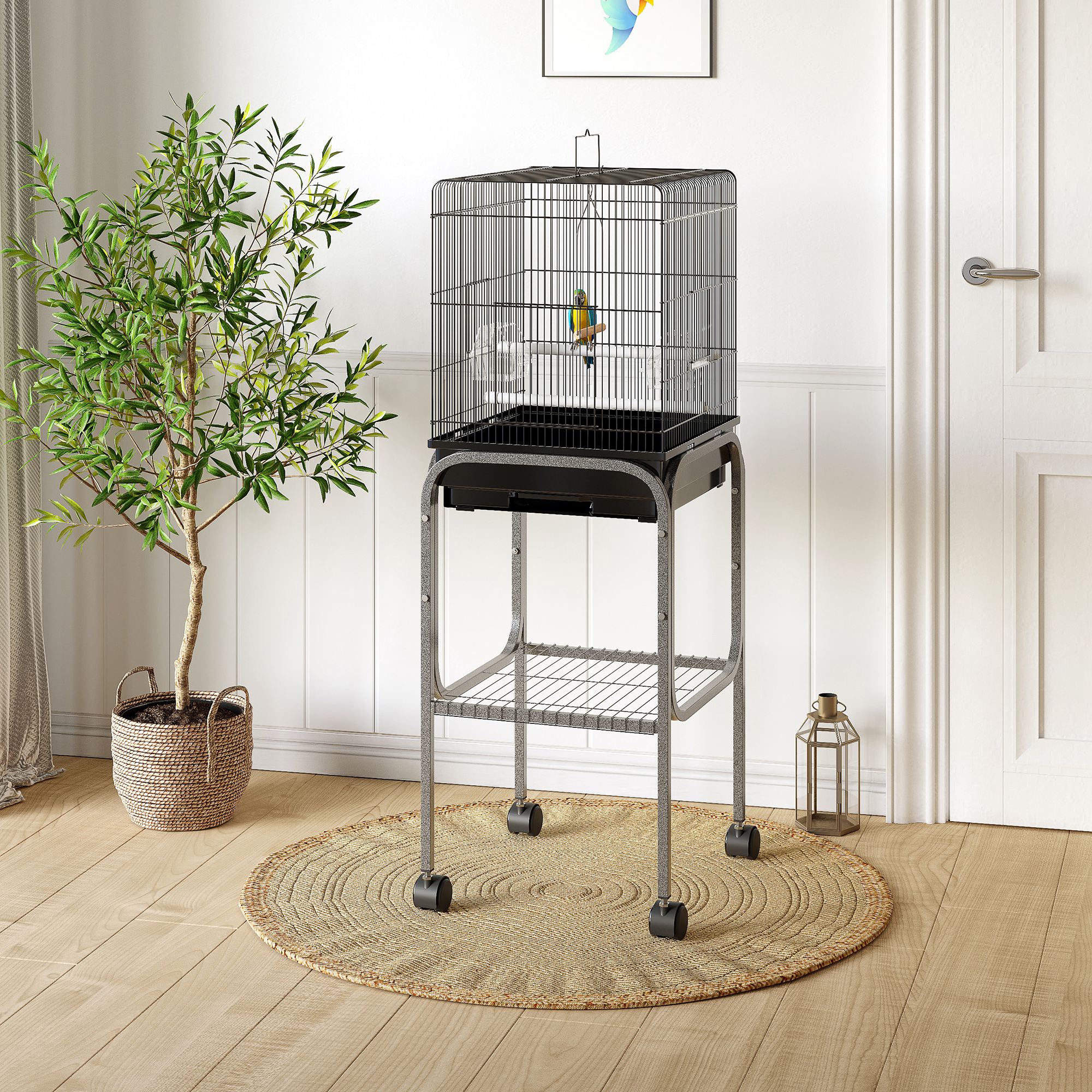 $135.93Top Pick for Parrotlets
45-Inch Metal Indoor Bird Cage with Rolling Stand
Heavy-duty steel construction with strict 1/2" bar spacing for active acrobats.
Key Benefits
- Tight 1/2" bar spacing throughout
- Escape-proof primary door latch
- Large swing-out door
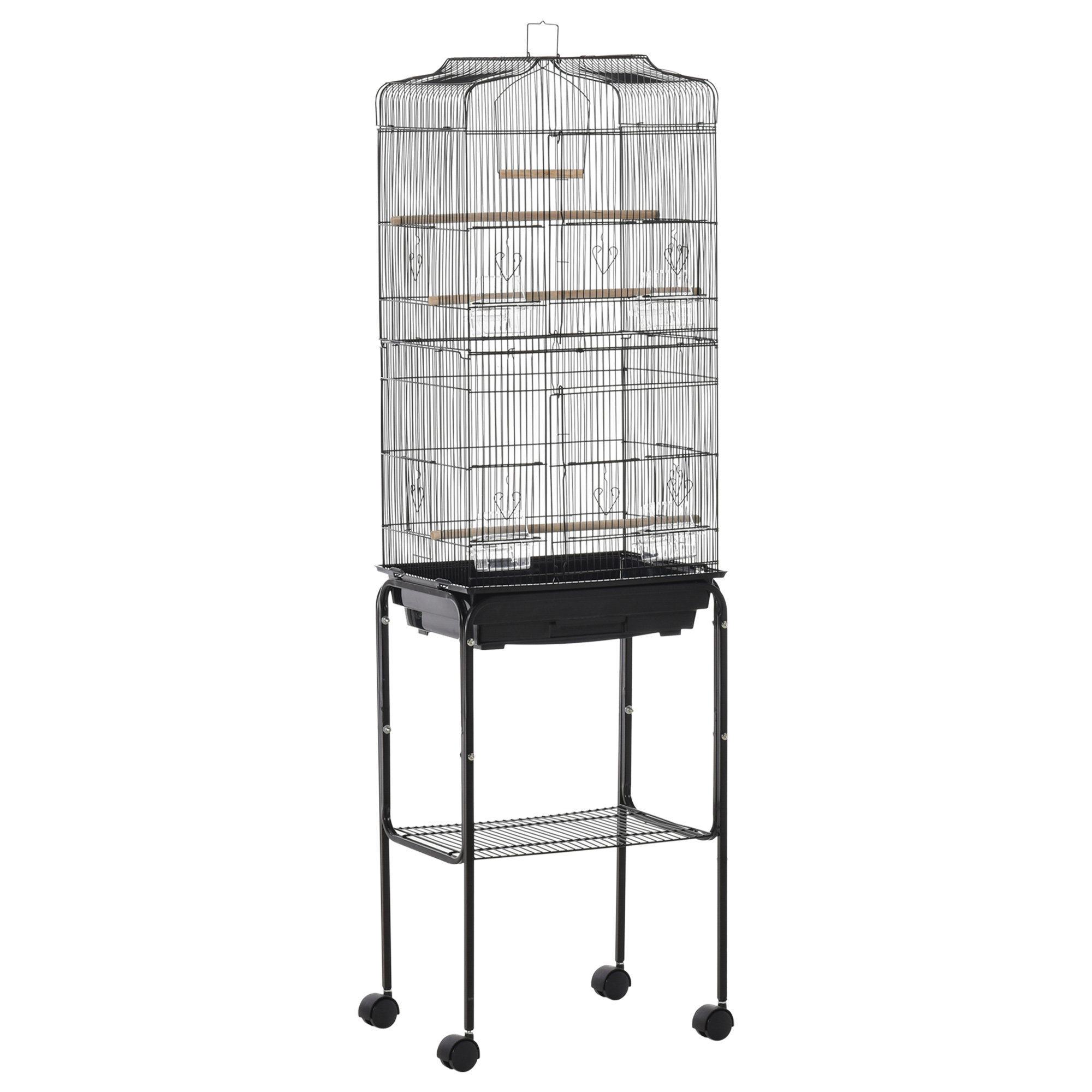 $103.28Best Value Stand Cage
PawHut Rolling Stand Habitat for Small Parrots
Spacious multi-level vertical height with storage shelf below.
Key Benefits
- Multi-level perching room
- Rolling casters for easy relocation
- Slide-out bottom tray
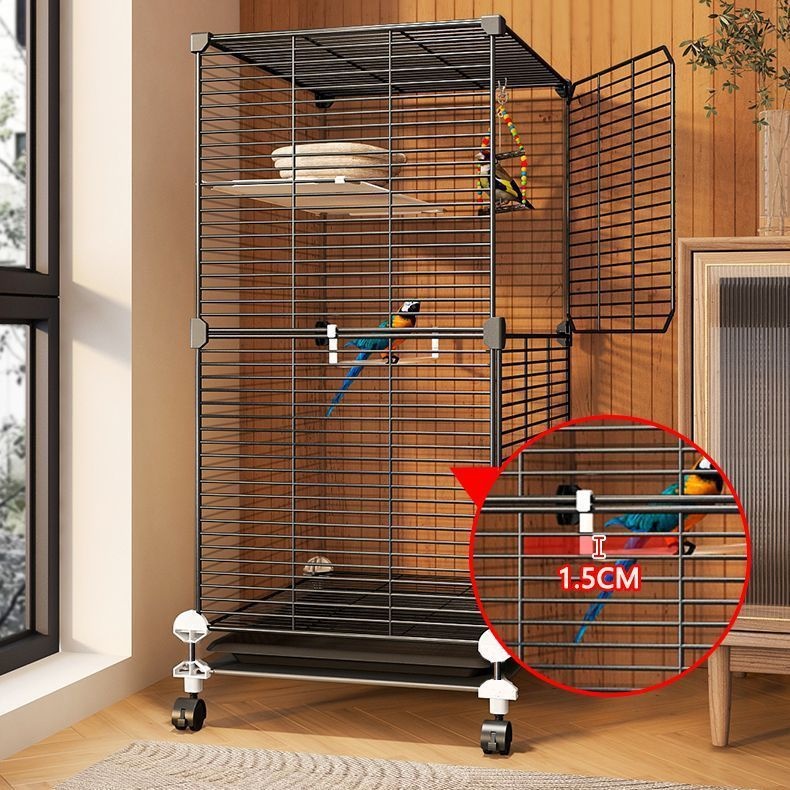 $47.02Best Value Starter
Splash-Proof Small Parrot Ecological Villa
Mess-free acrylic splash guards with easy-clean bottom tray.
Key Benefits
- Perfect dimensions for one bird
- Removable bottom tray
- Affordable entry price
How to Choose the Right Cage for a Parrotlet
Do Not Size Down Because the Bird Is Small
A parrotlet spends significant waking hours climbing, hanging upside down, and manipulating puzzle toys. Buying a small travel cage as a permanent home causes behavioral frustration, territorial aggression, and plucking.
Strict Bar Spacing of 1/2 Inch
Even though parrotlets are feisty, their skulls are fragile. Any bar gap over 1/2 inch (such as 5/8" or 3/4") allows a parrotlet to force its head through, which can cause sudden asphyxiation.
Durable Bird-Proof Door Latches
Parrotlets are notoriously clever problem-solvers. Simple gravity-drop doors are easily lifted from inside. Look for spring-loaded locks or heavy-duty latches.
Dangerous Cage Mistakes to Avoid
These common cage selection errors can cause physical trauma, behavioral disorders, or fatal head entrapment.
Using medium-parrot cages with 5/8" or 3/4" bar spacing
Owners often buy larger cages thinking more room is better, but overlook the bar spacing. Wide spacing is the #1 preventable cage hazard for parrotlets.
Plastic-coated wire cages
Parrotlets can chip off soft plastic coatings with their sharp beaks and ingest toxic vinyl particles.
Cramming perches so the bird cannot spread its wings
Leave an open diagonal path between high sleeping perches and lower feeding stations.
Frequently Asked Questions
Can a parrotlet live in a cockatiel cage?
Only if the cockatiel cage has 1/2-inch bar spacing. Many cockatiel cages use 5/8-inch spacing, which is unsafe for a parrotlet.
Where should the cage be placed in the house?
Against a solid wall at human eye level, away from drafts, direct heating vents, and the kitchen (where non-stick cookware fumes are lethal).