Tracked delivery30-day returns
Evidence-Based Avian Nutrition Standard

Best Parrotlet Food: Pellets, Chop & Daily Diet Guide

Weighing just 28 to 34 grams, Pacific parrotlets burn energy at one of the highest metabolic rates in the parrot family. An all-seed pet-store mix causes vitamin A deficiency and fatty liver disease, while abrupt food deprivation can trigger fatal energy crashes in under 24 hours.

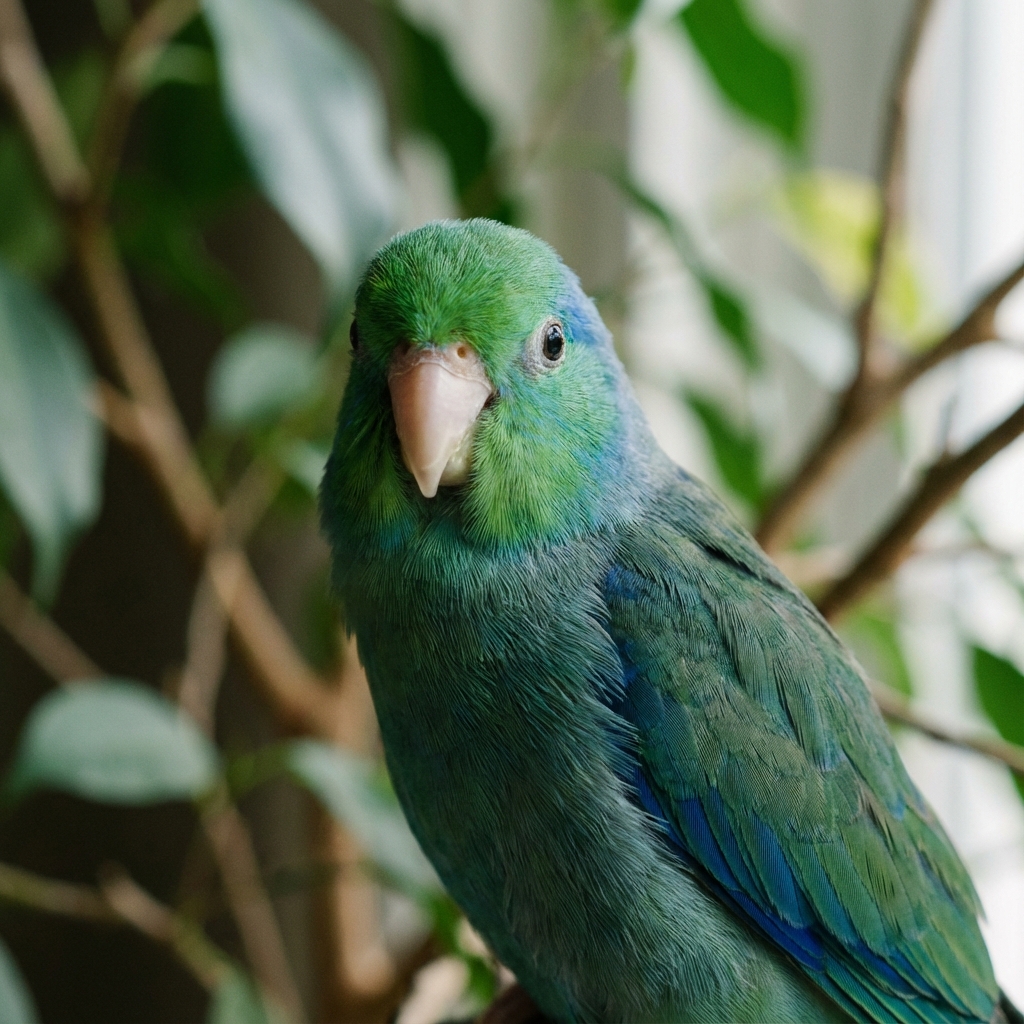
Parrotlet portrait

Parrotlet Daily Bowl Ratios At-a-Glance

Species-specific pellet, produce, and seed balance (Forpus coelestis (Pacific Parrotlet))

Base Pellets

60% – 65% Daily Intake

Dye-free formulated staple
Fresh Chop & Greens

25% – 30% Veggie Chop

Dark leafy & orange veggies
Seed & Nut Cap

10% Max (Training Only)

Reserved for foraging & training
Ideal Pellet Size

Super-Fine / Crumble (1–2 mm)

Matched to beak leverage

Critical Parrotlet Nutrition Rule: Never withhold food to force pellet conversion—parrotlets have ultra-fast metabolisms and risk hypoglycemia within hours.

Parrotlet Daily Diet Breakdown Table

Exact daily food-group proportions, safe whole-food examples, and bowl hygiene rules.

Daily diet composition and feeding schedule for Parrotlets
Food GroupDaily TargetSafe Top ChoicesServing & Safety Rule
Dye-Free Micro-Pellets60% – 65%Uncolored organic superfine crumbles or mini extruded pelletsKeep available in a clean dry dish all day; replace stale crumbles every 24 hours.
Finely Minced Veggie Chop25% – 30%Broccoli florets, dandelion greens, grated carrot, sweet bell pepper, cooked quinoaChop to rice-grain size; remove uneaten wet produce within 2–3 hours.
Dry Seeds & Sprouted Millet5% – 10%Sprouted spray millet, canary grass seed, hemp heartsReserve dry millet for step-up training and foraging puzzles rather than free-bowl feeding.
Fresh Fruit≤ 5%Blueberry, pomegranate aril, tiny papaya cubeOffer 2–3 times weekly as a low-portion antioxidant treat due to high sugar density.
Bird-Safe Feeding & Foraging Setup

Essential Feeding Dishes, Foraging Toys & Nutrition for Parrotlets

Non-porous stainless steel hardware and foraging feeders that turn daily meals into healthy mental enrichment.

Hygiene Essential

Clamp-On Stainless Steel Parrot Feeding Dishes

Non-porous, rust-proof bowls for separate dry pellets and wet morning chop.

Spec: Food-grade stainless steel with cage-bar bolt clamp
  • Prevents bacterial biofilm buildup common in scratched plastic bowls
  • Locks onto cage bars so strong beaks cannot flip wet produce onto floor grates
  • Dishwasher-safe for daily hot-water sanitization
Natural Foraging

Natural Loofah & Corn Husk Foraging Pack

Turn daily dry pellets and seed rewards into active beak work.

Spec: Untreated dried loofah slices, corn husk, and bird-safe fibers
  • Extends feeding time from 15 minutes to hours of healthy foraging
  • Ideal for hiding micro-pellets or training millet during diet conversion
  • Zero synthetic dyes, glues, or zinc hardware
Complete Catalog

Parrot Pellets, Seed Mixes & Feeding Accessories

Explore daily staple diets, sprouting mixes, and stainless feeding stations.

Spec: Curated companion parrot nutrition essentials
  • Covers small parakeets through large macaws and cockatoos
  • Supports gradual seed-to-pellet conversion routines
  • Backed by species-specific portion and chop checklists

Parrotlet Nutrition & Pellet Conversion Guide

Why All-Seed Mixes Shorten Parrotlet Lifespans

Commercial parakeet seed bags are dominated by millet and oat groats that lack vitamin A, calcium, and balanced amino acids. Chronic vitamin A deficiency blunts the respiratory epithelium inside the nares and choana, making parrotlets prone to recurrent sinus infections and dull, brittle feathers.

Safe Gradual Conversion Without Fasting

Because a 30-gram bird stores very little glycogen, never empty the seed bowl cold-turkey. Instead, mix superfine pellet crumbles with a tiny drop of warm water and press familiar millet seeds into the mash, weighing your parrotlet on a 0.1g digital gram scale every morning. Any weight drop ≥ 8% requires restoring familiar food immediately.

Molting & Egg-Laying Protein and Calcium Adjustments

During heavy molts or chronic egg-laying seasons in hens, support keratin and shell synthesis with dark leafy greens (bok choy, kale), a pinch of cooked egg white, and proper UVB exposure or veterinary-guided calcium supplementation.
Dangerous Parrotlet Feeding Mistakes & Toxic Foods

Universal avian toxins (avocado, chocolate, caffeine, alcohol, onion, garlic, xylitol, fruit pits) are strictly off-limits—alongside these common parrotlet feeding errors:

Assuming blown seed hulls mean a full bowl

Parrotlets hull seeds in place and drop empty husks back into the dish. A bowl that looks full at a glance can be 100% empty husks—blow off hulls or refresh measured portions daily.

Feeding artificial rainbow-dyed pellets

Synthetic FD&C food dyes stain droppings red, orange, or neon green, masking true gastrointestinal bleeding or biliverdinuria when your bird gets sick.

Offering avocado, onion, chocolate, or salty snacks

Even a single crumb of avocado (persin) or salted chip can cause acute cardiac or renal toxicity in a 30-gram parrotlet.

Parrotlet Diet Frequently Asked Questions

How much food does a parrotlet eat per day?

An adult parrotlet typically consumes 1.5 to 2.5 teaspoons (roughly 5–7 grams) of dry pellets plus 1 to 2 teaspoons of finely minced fresh vegetable chop daily, alongside constant clean water.

What if my parrotlet refuses to touch vegetables?

Clip wet broccoli florets—whose tiny buds resemble green millet seeds—near the highest perch, or mix minced greens with warm cooked quinoa and a light dusting of millet.

Can parrotlets eat sunflower seeds?

Avoid sunflower and safflower seeds as daily staples; they are far too high in fat for a miniature parrot. Save a single hulled sunflower kernel only for rare high-value recall rewards.

Complete Your Parrotlet Setup