Tracked delivery30-day returns
Back to Bird Hub
Pacific Parrotlet

Pacific Parrotlet Hub

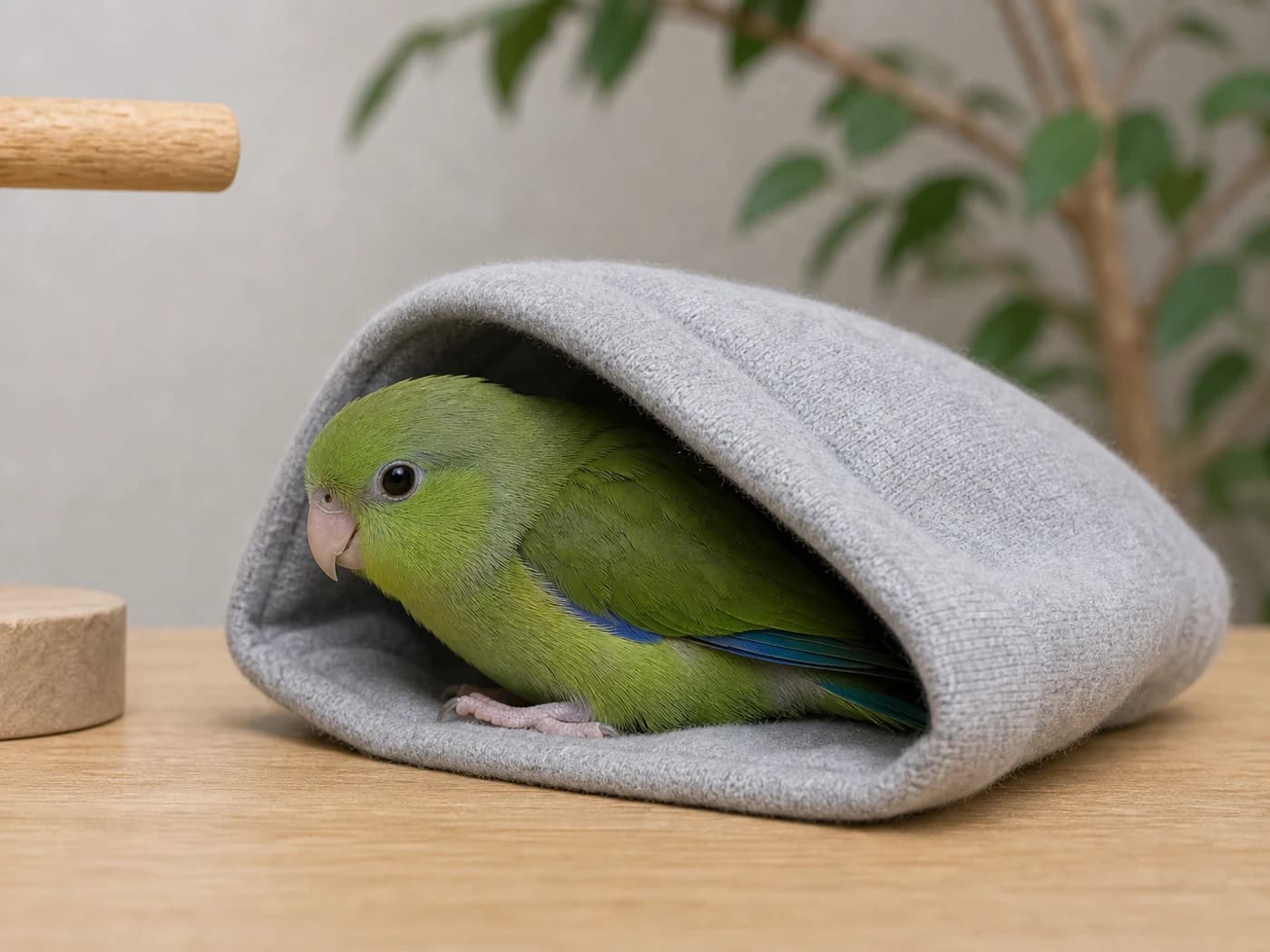
A Pacific parrotlet is palm-sized, but it is not a low-need bird. It may climb into pockets and sleeves, guard a cage or favorite person, and deliver a quick boundary nip before backing off. Owner nicknames such as “pocket parrot” or “mini macaw” refer to size, confidence, and attitude, not macaw ancestry. The biggest risks often come from being tiny: being crushed, stepped on, injured by larger birds, or underestimated by the owner. A good home trains it as a real parrot, not as a moving accessory.

At a Glance

Size

Small

Lifespan

15-20 years

Noise

Low

60-65 dB

Training

Moderate

Talking

Moderate

Best For

People wanting a tiny bird but serious training
Homes ready for big attitude and cage boundaries
Small spaces with high-quality interaction

Not For

People who think tiny birds need no training
Homes planning casual contact with larger birds
Owners who want unlimited pocket time without risk management

Noise Comparison

Where does a Pacific Parrotlet's call sit against familiar everyday sounds?

63 dB·Low
QuieterLouder

Whisper · 30 dB

Library · 40 dB

Conversation · 60 dB

Vacuum Cleaner · 75 dB

Measured level

63 dB

Quieter than

5 · Vacuum Cleaner, Lawnmower

Louder than

3 · Library, Conversation

Whisper

30 dB

Library

40 dB

Conversation

60 dB

Vacuum Cleaner

75 dB

Lawnmower

90 dB

Rock Concert

110 dB

Chainsaw

120 dB

Jet Engine (100ft)

140 dB

Care Commitment

What does it realistically take to live well with a Pacific Parrotlet?

Beginner fit

Mixed

Needs a steady routine.

Daily Time

2–4 hrs/day

Moderate

Noise

60-65 dB

Quiet

Lifespan

15-20 years

Short

Space

Small

Small

Experience

Moderate

Intermediate

Daily reality

Pacific Parrotlet fits into home life more easily, but still needs routine interaction and enrichment.

  • A steady routine makes noise easier to manage.
  • Enrichment beats punishment for most behavior issues.

Watch-outs

Multi-Bird Safety

Will bully and attack birds larger than themselves, including budgies

Next steps

If this species does not have a dedicated guide yet, this falls back to the full care manuals library.

About Pacific Parrotlets

Personality

A big bird in a tiny body. Parrotlets are fearless, spunky, and can be nippy if not handled regularly. They are not noisy.

Diet

High metabolism. They need food available constantly. Include pellets, seeds, and fresh food.

Behavior

They are cavity nesters and enjoy cozy huts (monitor for hormonal aggression).

Varieties & Colors

A Pacific parrotlet is palm-sized, but it is not a low-need bird. It may climb into pockets and sleeves, guard a cage or favorite person, and deliver a quick boundary nip before backing off. Owner nicknames such as “pocket parrot” or “mini macaw” refer to size, confidence, and attitude, not macaw ancestry. The biggest risks often come from being tiny: being crushed, stepped on, injured by larger birds, or underestimated by the owner. A good home trains it as a real parrot, not as a moving accessory.

5 entriesvisual ID

How They Differ

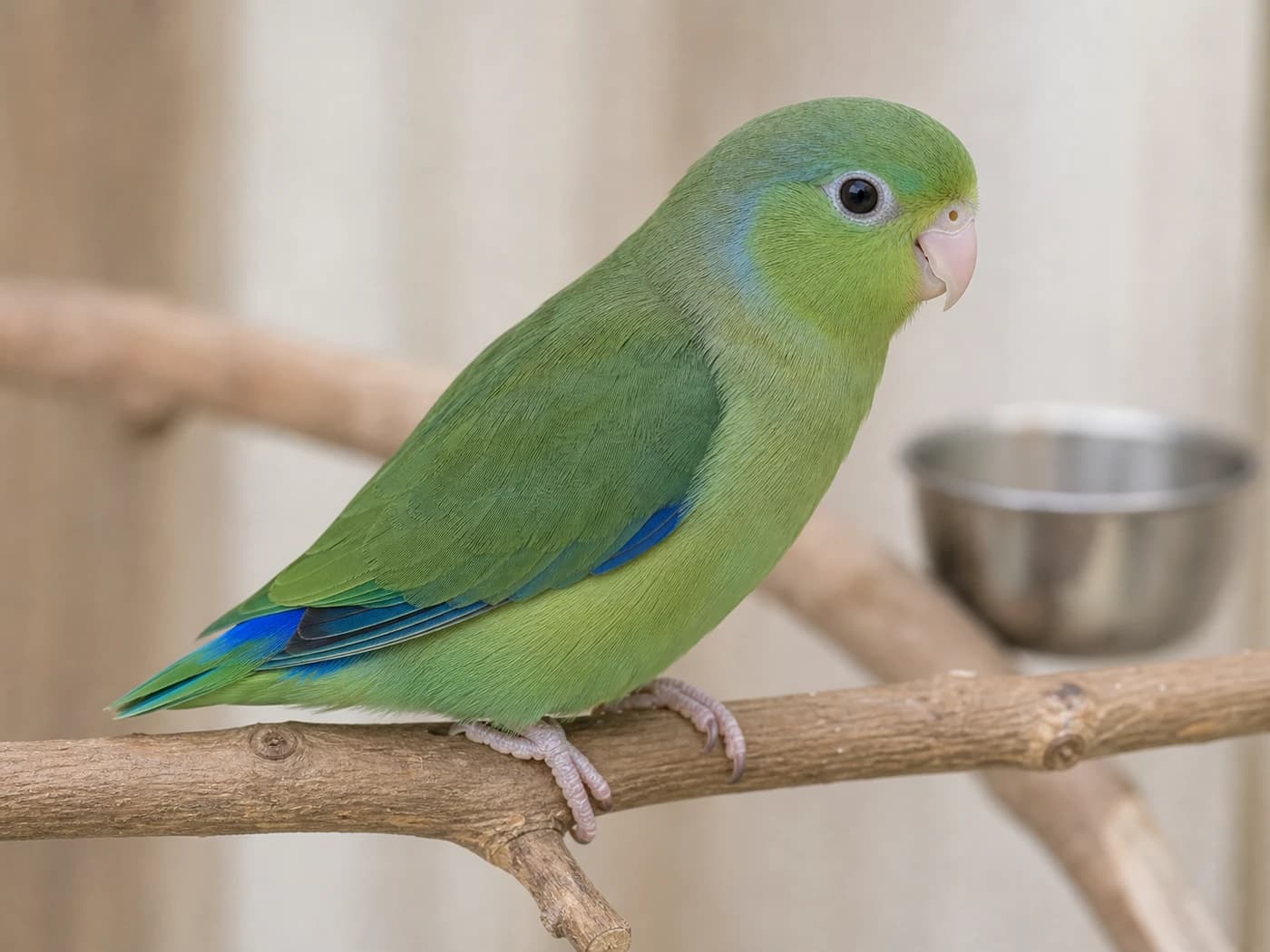
Pacific parrotlets can be sexed by color: males have blue markings on wings and rump; females are all green without blue. Extremely small, about 12 cm — among the smallest pet parrots. Multiple color mutations including blue, yellow, and white.

How These Varieties Happen

Pacific parrotlets (Forpus coelestis) have numerous known mutations producing green, blue, yellow, white, and other colors.

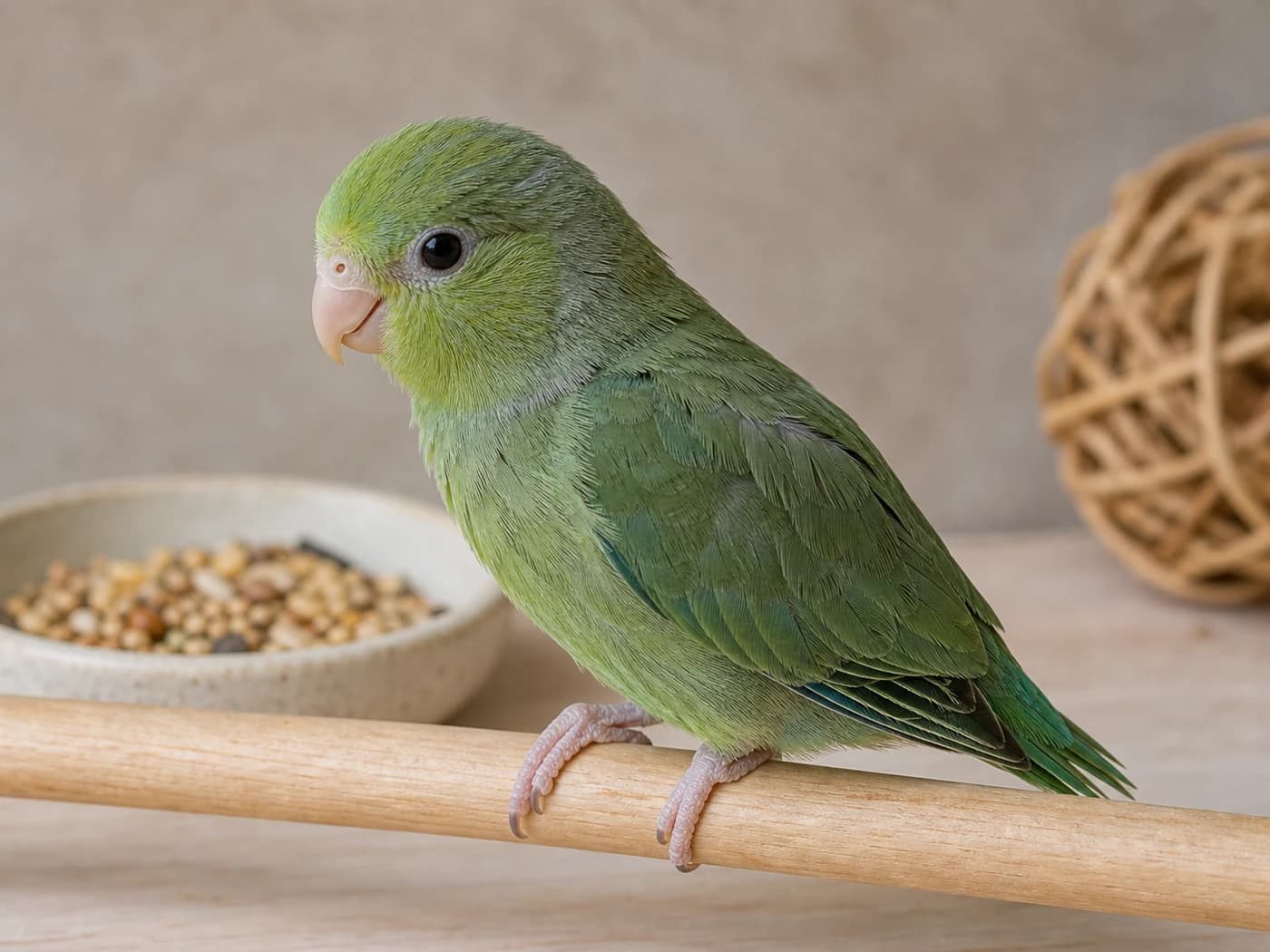
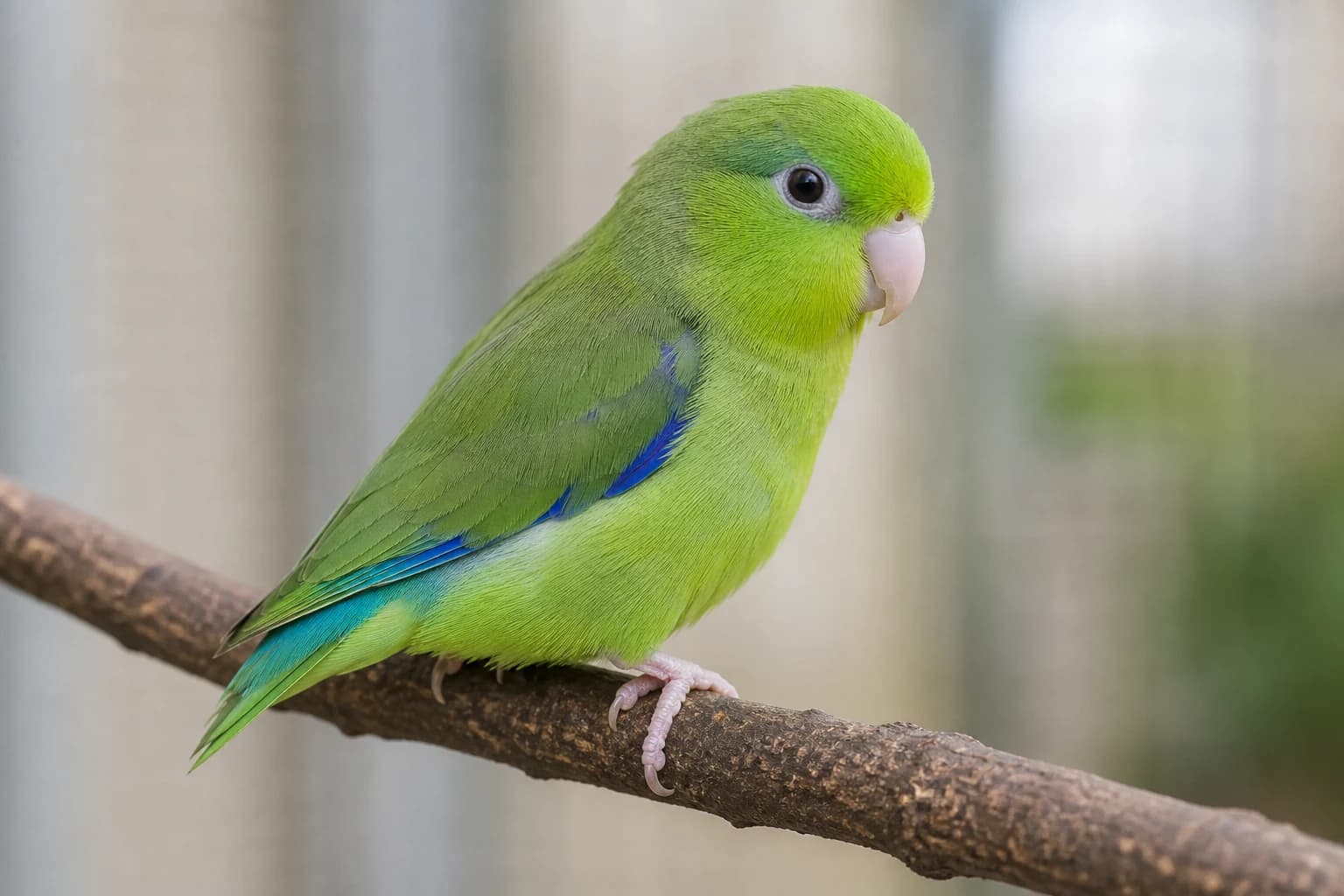
Wild Green Pacific Parrotlet realistic reference image

Standard label

Wild Green

Wild-type

Variety

Common names

Wild-typeNormal Green

Owner shorthand

Wild green parrotlet is the easiest to keep - best constitution

Look

Wild-type. Males are green with blue on wings and rump; females are all green without blue.

Genetics

No mutations; wild-type genotype.

Health & care

Wild green is the clearest base look, and male blue markings are often easier to see, but health still comes down to weight, feathers, activity, and breathing, not color alone.

Sexing tip

Males have blue on wings and rump; females are all green without blue - easy to distinguish.
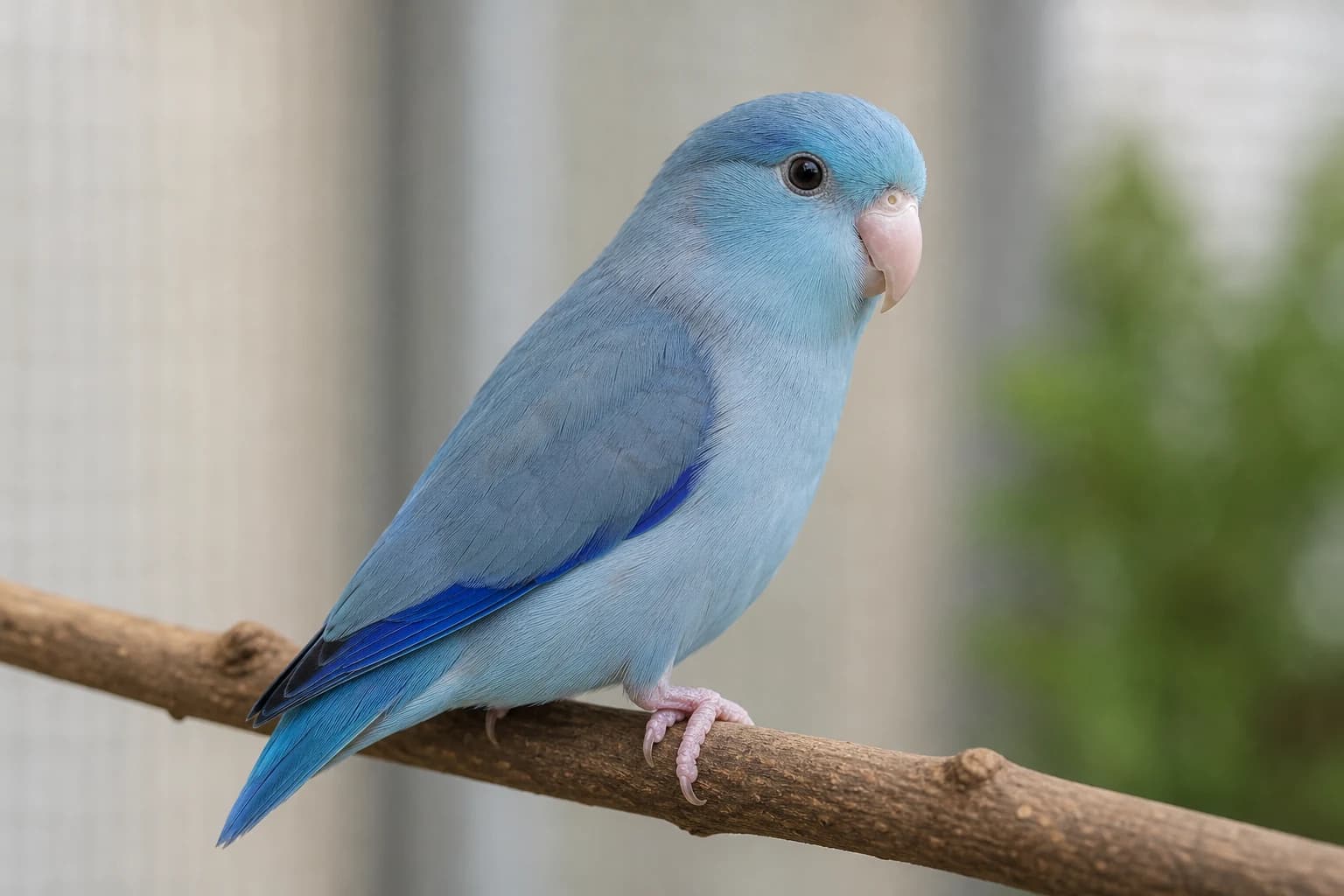
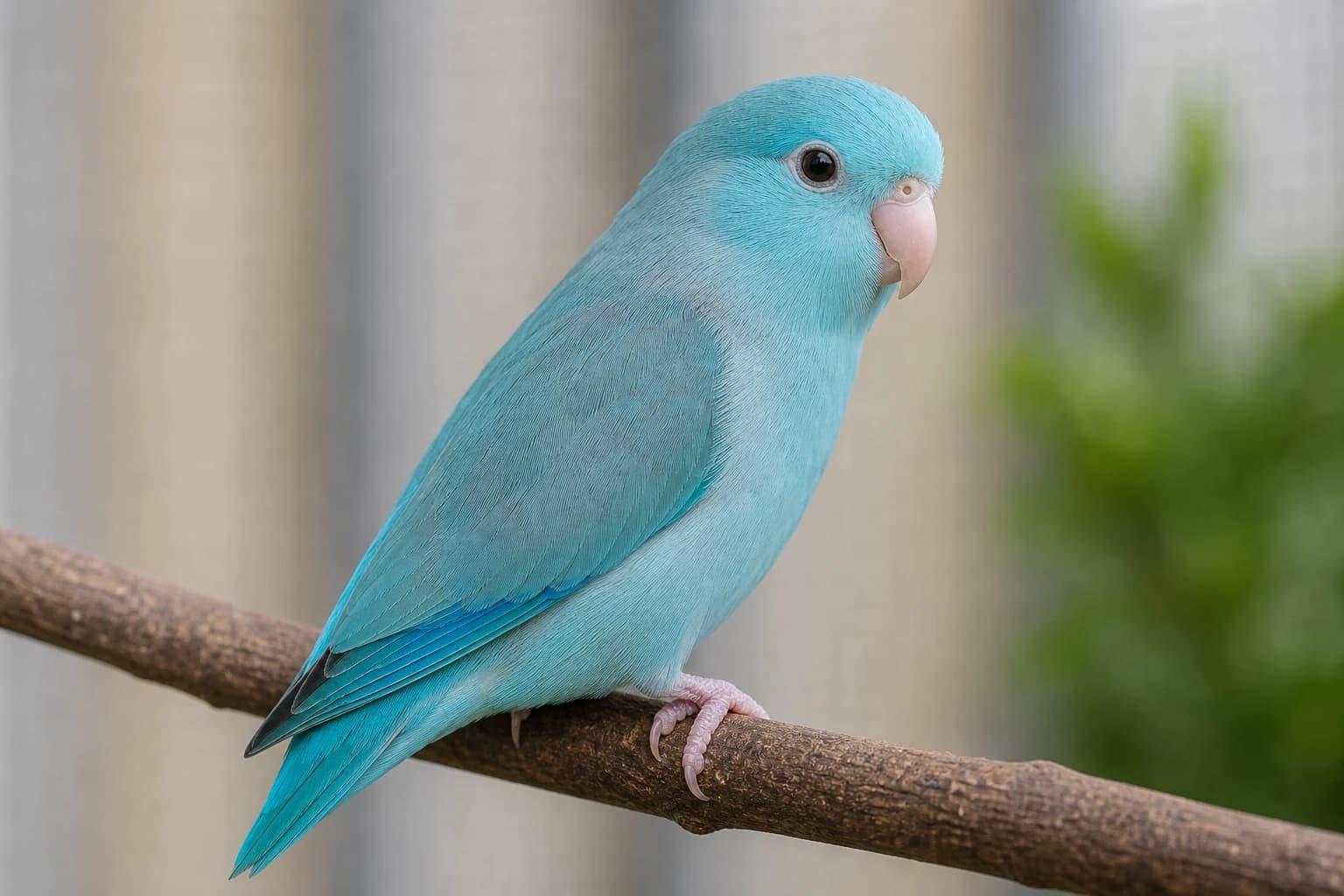
Blue Pacific Parrotlet realistic reference image

Standard label

Blue

Blue Parrotlet

Variety

Common names

Blue Parrotlet

Owner shorthand

Blue parrotlet is one of the most popular color mutations

Look

Blue body; males have darker blue on wings and rump; females are uniformly blue.

Genetics

Autosomal recessive. Eliminates yellow pigment, leaving only structural blue.

Health & care

Care is usually similar to wild green; do not judge health by color alone. Look at energy, weight, feather condition, and source quality.

Sexing tip

Males have darker blue wings and rump; females are uniformly blue.

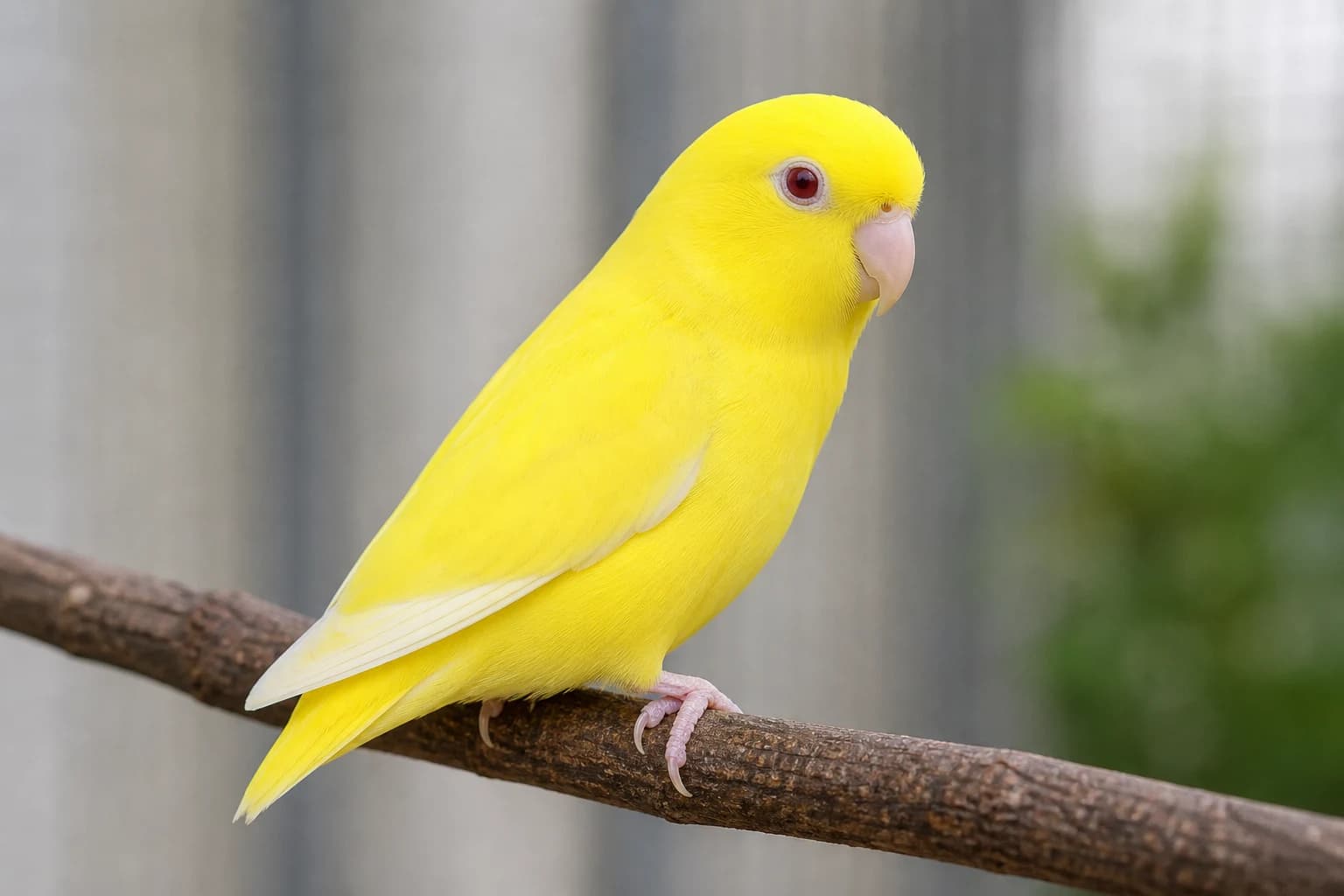
Lutino / Yellow Pacific Parrotlet realistic reference image

Standard label

Lutino / Yellow

Lutino

Variety

Common names

LutinoYellow Parrotlet

Owner shorthand

Lutino parrotlet is the tiniest yellow parrot - like a little sun

Look

Bright yellow body with red eyes; males have white or pale yellow on wings and rump.

Genetics

Sex-linked recessive. Eliminates melanin, leaving only yellow psittacin.

Health & care

Poor eyesight, slightly weaker constitution.

Sexing tip

Males have white or pale yellow wings and rump; females are uniformly yellow.

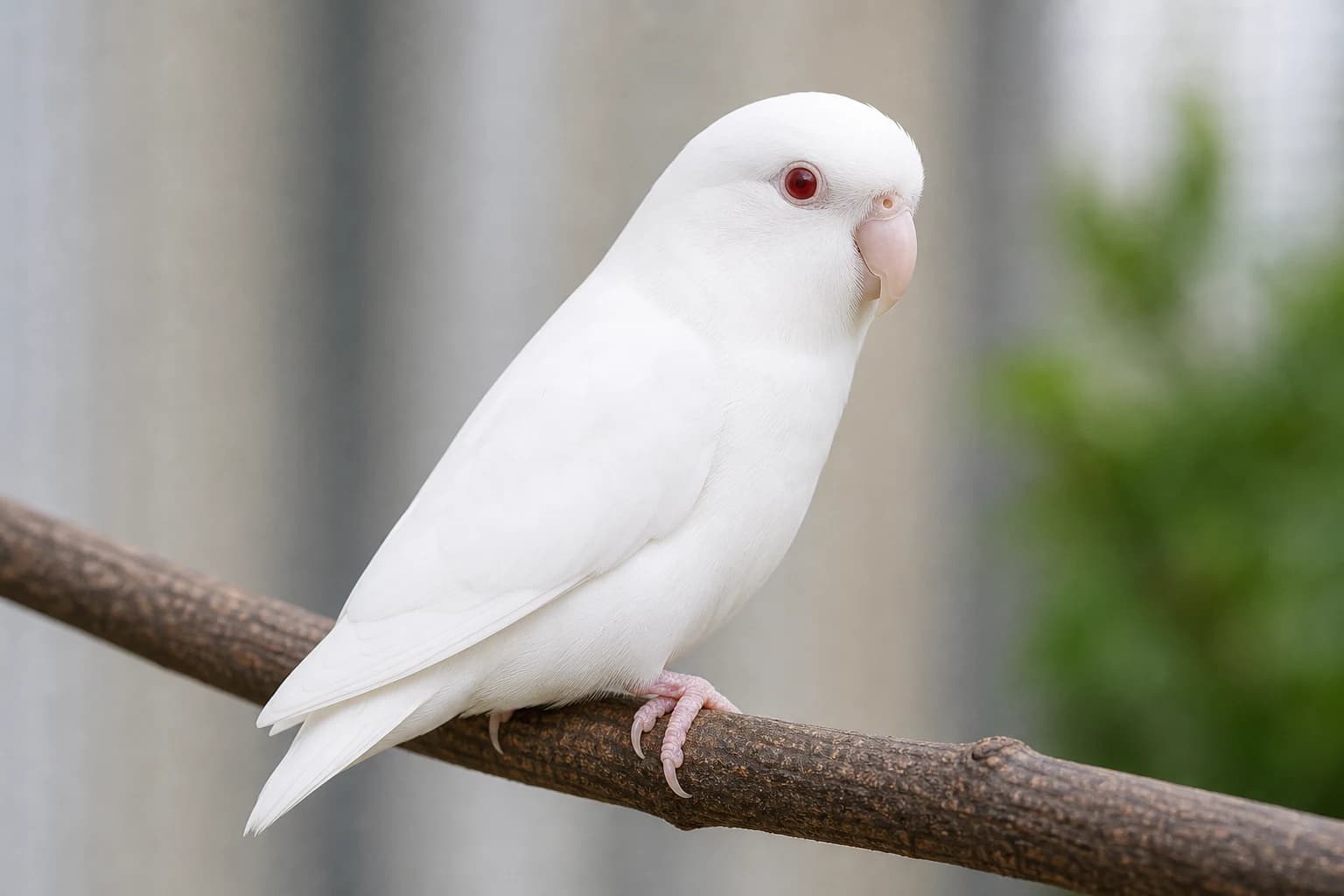
Albino / American White Pacific Parrotlet realistic reference image

Standard label

Albino / American White

Albino

Variety

Common names

AlbinoAmerican White Parrotlet

Owner shorthand

Albino parrotlet is the tiniest white parrot - like a little cotton candy

Look

Pure white body with red eyes. Result of blue + lutino double mutation.

Genetics

Double mutation: blue (autosomal recessive) + lutino (sex-linked recessive).

Health & care

Poor eyesight, slightly weaker constitution.

Sexing tip

Both sexes are white; DNA testing required.

Turquoise / American Turquoise Pacific Parrotlet realistic reference image

Standard label

Turquoise / American Turquoise

Turquoise Parrotlet

Variety

Common names

Turquoise ParrotletAmerican Turquoise

Owner shorthand

Turquoise parrotlet has refreshing ocean-blue coloring

Look

Turquoise (blue-green) body, bluer than wild green.

Genetics

Autosomal recessive. Reduces yellow pigment, increases structural blue proportion.

Health & care

Good constitution; no specific health concerns.

Sexing tip

Males have darker blue-green wings and rump; females are uniformly turquoise.

Naming Notes

Chinese owner phrases, English common names, and market labels often do not translate one-to-one, so the tricky parts are separated here.

Common aliases

parrotletPacific parrotletpocket parrot

Parrotlet should be explained as Pacific Parrotlet in pet context, not just little parrot.

Mini-macaw shorthand refers to attitude and beak confidence, not macaw ancestry.

Albino/American White and Turquoise/American Turquoise are market labels worth clarifying.

Detailed Field Notes

These notes isolate details that are easy to mistranslate, oversimplify, or overclaim. Each one separates the claim, why it matters, and what an owner should do.

6 notes

Pocket parrots face crushing risk

Safety-care experience

Careful claim

Pacific parrotlets may burrow into pockets, sleeves, and clothing folds, but their tiny size makes crushing, sitting, or stepping injuries serious.

Why it matters

True pocket parrot should not be written as cute only.

Owner action

Check the bird’s location before moving, sitting, putting on layers, or closing doors.

Mini macaw means attitude, not ancestry

Owner-common shorthand

Careful claim

Pacific parrotlets are called mini macaws because of cage guarding, boldness, fast beak use, and confidence around larger birds, not macaw ancestry.

Why it matters

This explains why a tiny bird is not automatically soft or easy.

Owner action

Treat cage guarding and quick nips as training signals, not trivial behavior because the bird is tiny.

Blue markings can help sexing

Species-profile supported

Careful claim

Male Pacific parrotlets often show clearer blue behind the eyes, on wings, or on the back; females usually lack it or show it faintly.

Why it matters

This is more useful than mutation name alone, though color mutations can complicate it.

Owner action

Use blue markings as a clue in wild-type birds, and use DNA for pale mutations or uncertainty.

Tiny body does not mean tiny life

Veterinary housing supported

Careful claim

A Pacific parrotlet is tiny, but still needs room to fly, turn, rotate toys, and forage.

Why it matters

Readers often buy too-small cages and too few toys because the bird is tiny.

Owner action

Choose housing by activity needs, not the minimum that fits the body length.

Do not let it challenge larger birds

Safety-care experience

Careful claim

Pacific parrotlets often act unaware of their size and may approach or drive off larger birds.

Why it matters

The size mismatch makes even one accident serious.

Owner action

Use separate out time for different species and keep cage spacing toe-safe.

Quick nips are boundary language

Training-experience supported

Careful claim

A parrotlet may nip quickly and retreat, often meaning do not come closer or this space is mine.

Why it matters

If small nips successfully drive hands away every time, they become a stable strategy.

Owner action

Review triggers and train target, cage-door routines, and replacement stationing.

Community Notes

These are the phrases owners commonly use when talking about Pacific Parrotlets in real communities.

true pocket parrot

Literal meaning

A genuinely tiny pocket-sized parrot.

Actual meaning

Pacific parrotlets are tiny and often close-contact birds.

Used when

Used when the bird burrows into pockets or clothing.

Care implication

Close contact still needs crushing and hormone-risk management.

mini macaw attitude

Literal meaning

Macaw-like confidence in a tiny body.

Actual meaning

Describes cage guarding, challenging larger birds, and quick beak use.

Used when

Used when it challenges bigger birds or guards space.

Care implication

Do not allow unprotected contact with larger birds.

twelve centimeters of attitude

Literal meaning

Tiny body with outsized attitude.

Actual meaning

A reminder that tiny size is not low need.

Used when

Used when beginners underestimate them.

Care implication

Training, boundaries, and interaction still matter.

Behavior Reading

Read posture, eyes, feathers, and beak use as a sequence: what you see, what it usually means, what not to assume, and what to do next.

Pacific Parrotlet Pocket burrowing behavior reference image

Pocket burrowing

What you see

Crawls into pockets, sleeves, or clothing folds.

Usually means

Affection and security, with crushing risk.

Do not misread

Do not leave it unsupervised in a pocket.

Owner action

Check location before moving and limit dark-pocket time.

Pacific Parrotlet Challenging big birds behavior reference image

Challenging big birds

What you see

Approaches larger birds, steals space, or threatens with beak.

Usually means

Often acts unaware of its size.

Do not misread

Do not assume larger birds will tolerate it safely.

Owner action

Separate out times and maintain distance.

Pacific Parrotlet Cage or person guarding behavior reference image

Cage or person guarding

What you see

Quick bite near cage door or favorite person.

Usually means

Mini-macaw attitude with strong boundaries.

Do not misread

Do not ignore small bites.

Owner action

Use target training and cage-door routines.

Pacific Parrotlet Tiny does not mean low need behavior reference image

Tiny does not mean low need

What you see

Energy, possessiveness, and training needs are still strong.

Usually means

Needs boundaries and enrichment.

Do not misread

Do not provide a tiny life because the bird is tiny.

Owner action

Provide flight, foraging, training, and appropriate toys.

Pacific Parrotlet Quick nip and retreat behavior reference image

Quick nip and retreat

What you see

Fast nip followed by retreat.

Usually means

Often a boundary warning.

Do not misread

Not random bad behavior.

Owner action

Review triggers and train replacement behavior.

Growth Stages

This timeline keeps the typical development from egg to adult in one place so you can compare looks, feather changes, and feeding milestones.

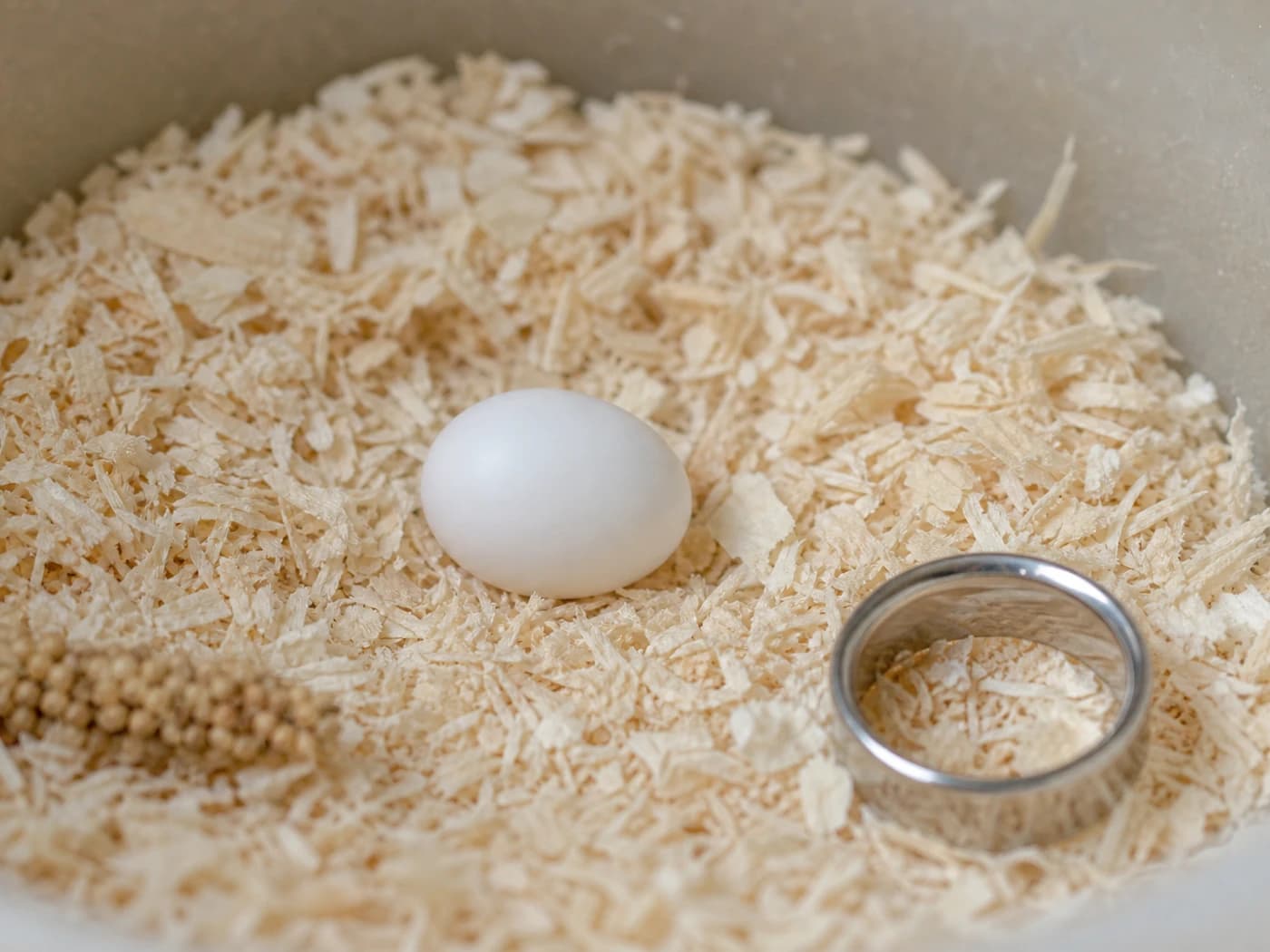
Pacific Parrotlet Egg growth-stage reference image

Egg

Incubation

Age range

Look

Pacific Parrotlet plumage is not visible yet; shell condition, parent behavior, and incubation stability matter most.

What people watch

Avoid unnecessary disturbance; focus on humidity, temperature, parent stress, and hygiene.

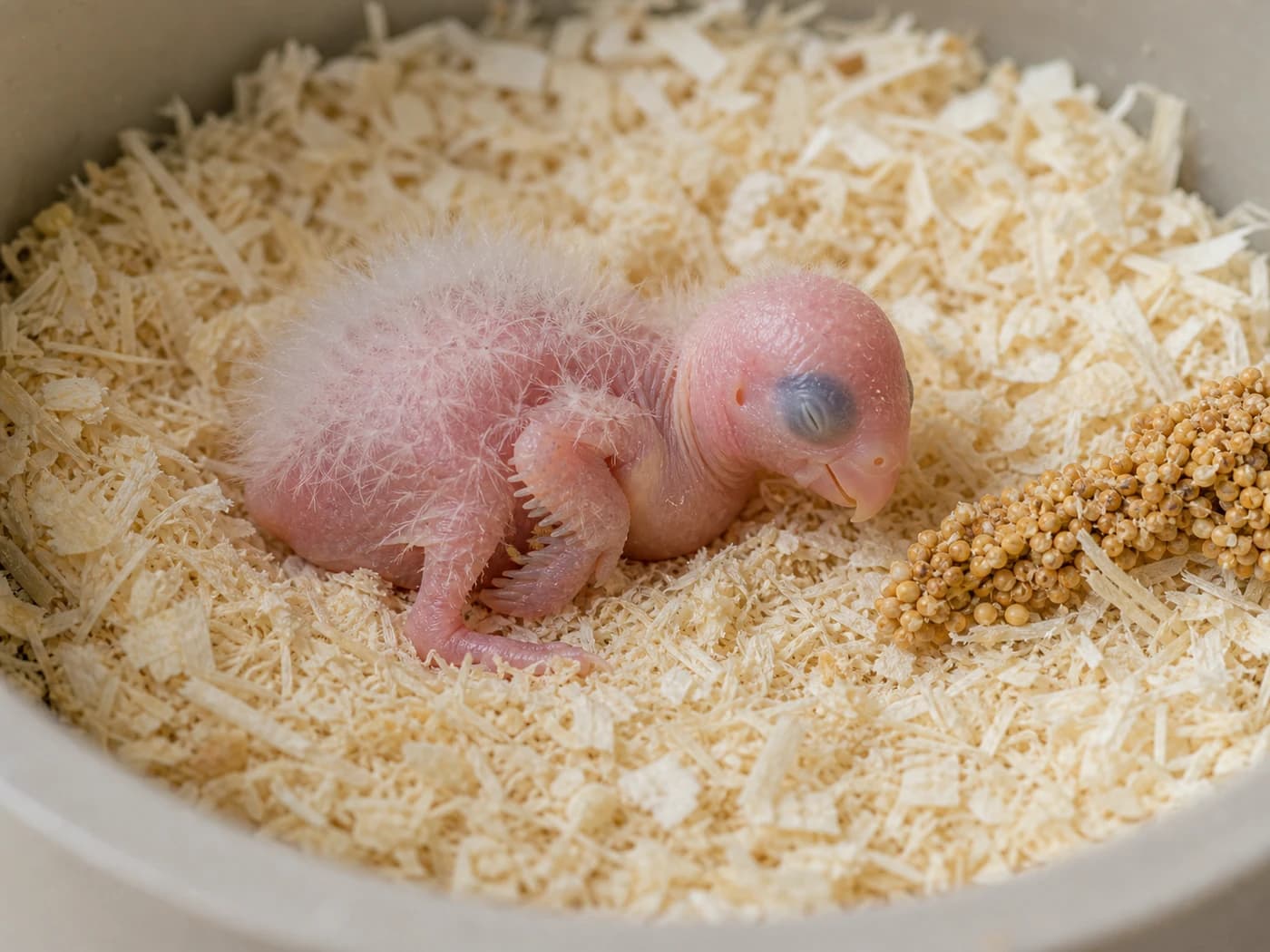
Pacific Parrotlet Hatchling growth-stage reference image

Hatchling

0-7 days after hatch

Age range

Look

Newly hatched Pacific Parrotlet chicks are delicate and mostly bare, so final color cannot be judged reliably yet.

What people watch

Watch warmth, crop filling, and feeding stability; visuals should be gentle, educational, and not graphic.

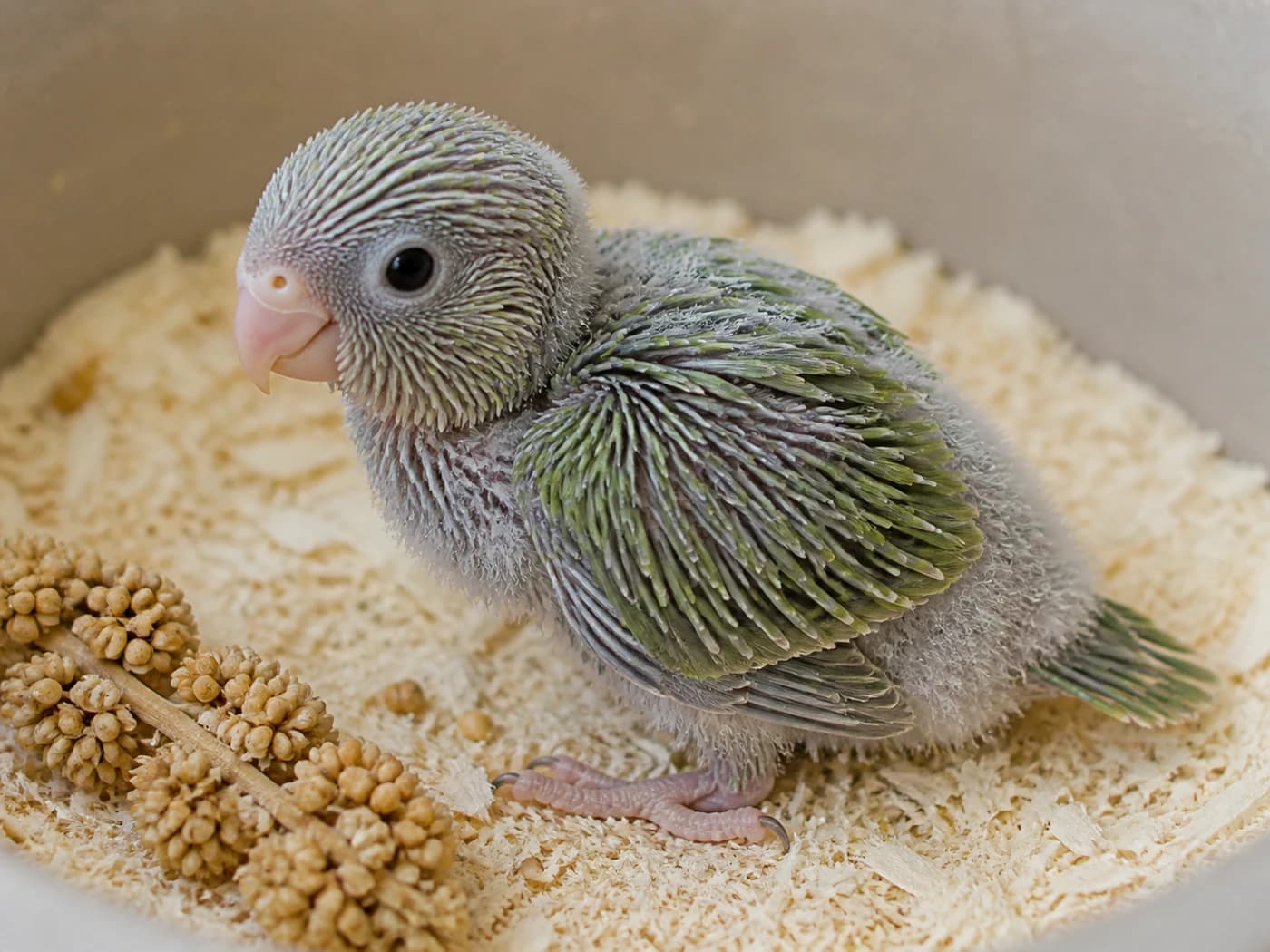
Pacific Parrotlet Pin feather stage growth-stage reference image

Pin feather stage

About 2-4 weeks, varying by species size

Age range

Look

Pacific Parrotlet chicks begin showing pin feathers, and early color direction or wing and face patterning starts to emerge.

What people watch

Do not force pin feathers open; monitor warmth, nutrition, and skin condition.

Pacific Parrotlet Young chick growth-stage reference image

Young chick

About 1-2 months, varying by species size

Age range

Look

Pacific Parrotlet now looks like a small bird, with clearer posture, plumage, eyes, and exploration behavior.

What people watch

Focus on socialization, gentle handling, safe movement, and gradual food variety.

Pacific Parrotlet Weaning / juvenile growth-stage reference image

Weaning / juvenile

Around weaning through juvenile molt

Age range

Look

Pacific Parrotlet looks closer to an adult, but coordination, bite control, and emotional regulation are still developing.

What people watch

Do not force early weaning; watch independent eating, weight stability, flight, and basic training.

Pacific Parrotlet Adult growth-stage reference image

Adult

After juvenile molt and maturity

Age range

Look

Pacific Parrotlet plumage and proportions are more stable, and long-term patterns in temperament, noise, hormones, and territory become clearer.

What people watch

Long-term care shifts toward diet, exercise, enrichment, hormone management, and annual health checks.

What to Know

Tiny body, higher accident risk

Crushing, stepping, doors, and clothing folds are serious risks.

Do not let it challenge big birds

Parrotlets are bold, but size mismatch can make accidents severe.

Quick nips are boundary signals

Small nips can become a learned way to drive hands away.

Pocket parrot is not a low-need toy

Training, flight, and enrichment are daily needs.

Apartment-friendly does not mean tiny-cage friendly

Pacific parrotlets are small and often easier to manage in apartments, but they still need flight time, training, toys, and safe space. They are small enough to be crushed and bold enough to challenge bigger birds; both facts matter.

First things owners notice

Pacific Parrotlet usually makes its first impression through Feisty, affectionate, and willful, Outgoing, curious, and at times, downright feisty, and Often compared to Amazon parrots due to their 'large bird personality' in a small body. Treat that as a starting point, not a full personality profile.

When you leave the room

If kept in pairs, they bond closely to each other to the exclusion of the owner. A single parrotlet can lose companionability if left alone for too long. They are social beings and may make contact calls when separated from their flock (owner).

Hand-raised vs parent-raised

Very friendly, especially with consistent handling. Not explicitly detailed, but implies less initial tameness compared to hand-raised if not handled consistently.

Common first mistakes

Underestimating their strong bite (much stronger than a budgie's). Keeping them in too small a cage; they are active birds needing spacious cages and plenty of toys. Keeping them in pairs if the owner desires a strong bond with a single bird, as pairs bond to each other.

Frequently Asked Questions

Listen to Pacific Parrotlet Call

Hear their distinctive vocalizations

Community Photos

Be the first to share a photo!

Species Comparison

Trait
Pacific Parrotlet
Pacific ParrotletSmall
Budgie
BudgieSmall
Lovebird
LovebirdSmall
Lifespan15-20 years5-15 years10-20 years
NoiseLowMediumMedium
TrainingModerateEasyModerate
TalkingModerate - Can learn 10-20 words with a tiny, adorable voice. Males are better talkers. Speech is quiet and may require close listening to understand.Surprisingly Good - Males can learn 100-500+ words! Speech is fast and high-pitched. Hold the world record for largest vocabulary (1,728 words).Rare - Most Lovebirds do not talk. A few may learn 5-10 words with unclear speech. They communicate through chirps, whistles, and chattering instead.
SizeSmallSmallSmall

Shop Pacific Parrotlet Products

Food, toys, cages & accessories for small birds

Browse Products