Tracked delivery30-day returns
Back to Bird Hub
Caique

Caique Hub

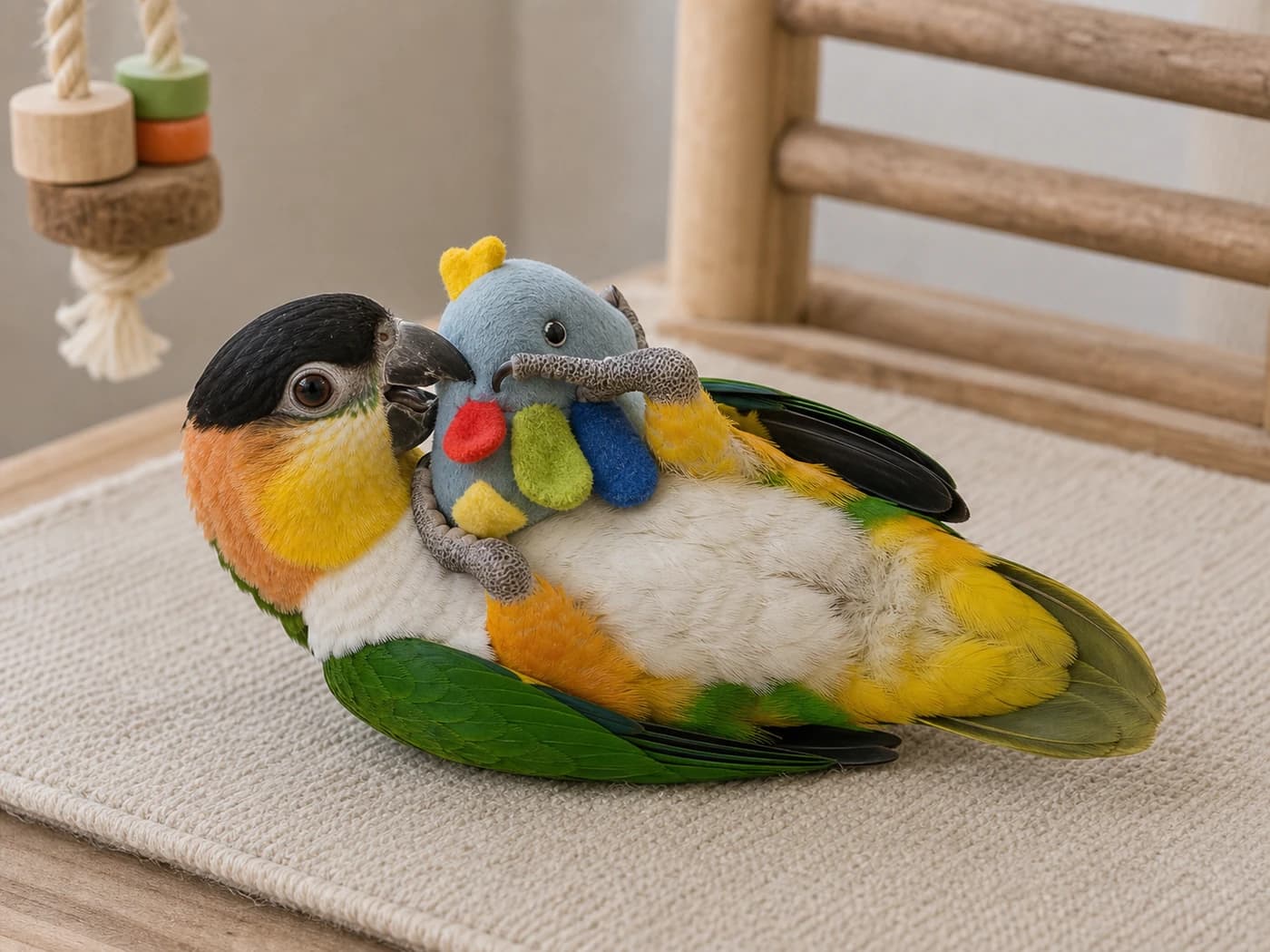
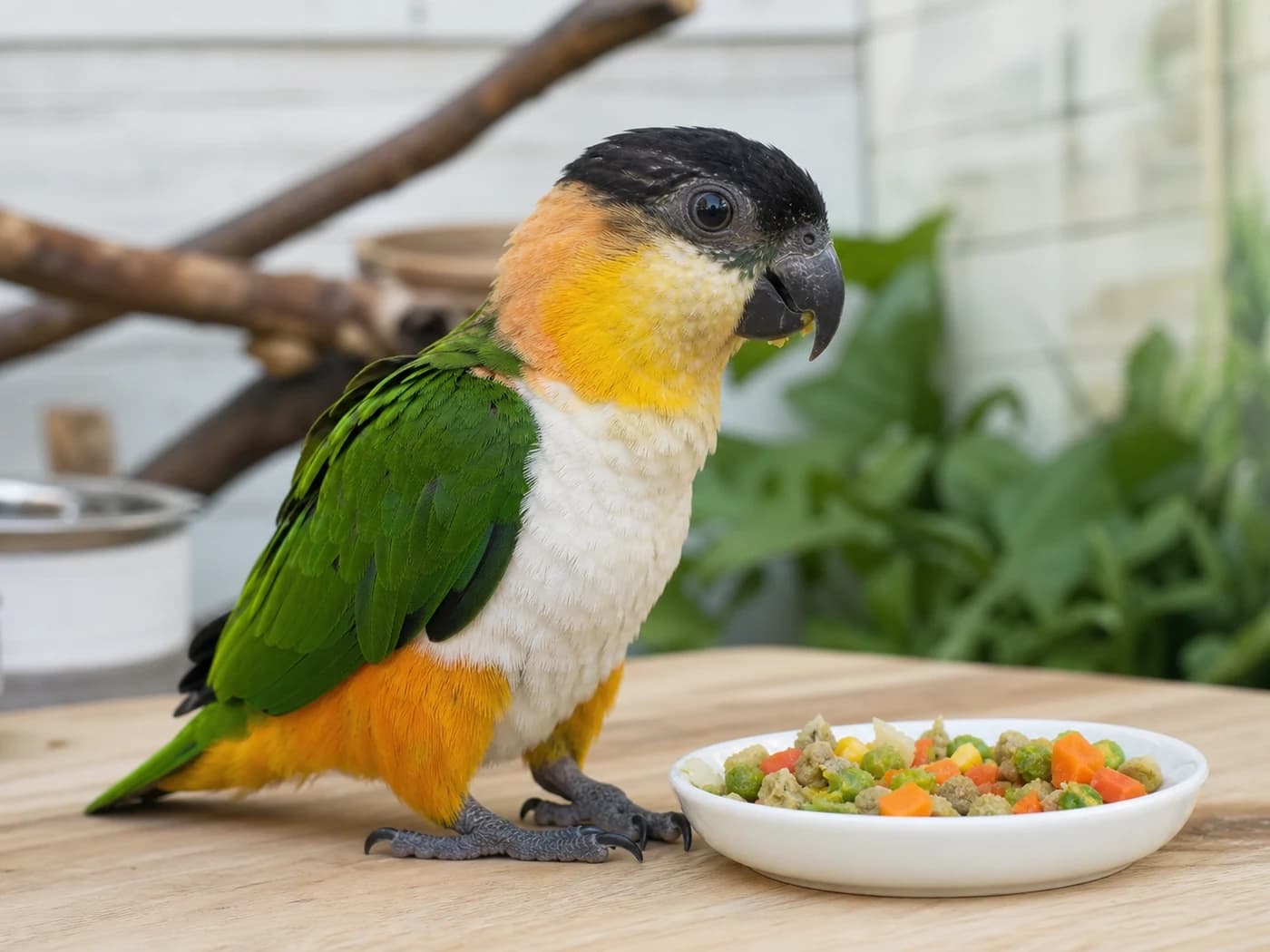
Caiques often feel as if they are stuck in high-energy mode. Black-headed and white-bellied caiques are common types with different looks, not a simple light-versus-dark label. They are known less for speech than for rolling, bouncing, wrestling-style play, and “surfing.” That play is funny until it runs too hot: bite pressure can climb, chasing another bird may not be harmless play, and rolling on high surfaces can end badly. A good caique home has safe floor-level play areas, short play sessions with pauses, and a plan for cooling down arousal.

At a Glance

Size

Medium

Lifespan

20-40 years

Noise

Medium

70-80 dB

Training

Moderate

Talking

Limited

Best For

People who enjoy high-energy, physical play
Owners who can manage wrestling play and arousal
Homes ready for foot toys and flat play areas

Not For

People wanting a quiet lap parrot
Homes planning casual mixed housing
Owners unable to manage over-arousal and chasing

Noise Comparison

Where does a Caique's call sit against familiar everyday sounds?

75 dB·Medium
QuieterLouder

Whisper · 30 dB

Library · 40 dB

Conversation · 60 dB

Vacuum Cleaner · 75 dB

Measured level

75 dB

Quieter than

4 · Lawnmower, Rock Concert

Louder than

3 · Library, Conversation

Whisper

30 dB

Library

40 dB

Conversation

60 dB

Vacuum Cleaner

75 dB

Lawnmower

90 dB

Rock Concert

110 dB

Chainsaw

120 dB

Jet Engine (100ft)

140 dB

Care Commitment

What does it realistically take to live well with a Caique?

Beginner fit

Mixed

Needs a steady routine.

Daily Time

2–4 hrs/day

Moderate

Noise

70-80 dB

Noticeable

Lifespan

20-40 years

Long

Space

Medium

Medium

Experience

Moderate

Intermediate

Daily reality

Caique fits into home life more easily, but still needs routine interaction and enrichment.

  • A steady routine makes noise easier to manage.
  • Enrichment beats punishment for most behavior issues.

Watch-outs

Multi-Bird Safety

Documented bird-killer — never unsupervised with other species

Next steps

If this species does not have a dedicated guide yet, this falls back to the full care manuals library.

About Caiques

Personality

The clowns of the bird world. Caiques prefer hopping and rolling over flying. They are incredibly high energy and playful.

Diet

High metabolism requires a calorie-rich diet including fruits, veggies, and high-quality pellets.

Behavior

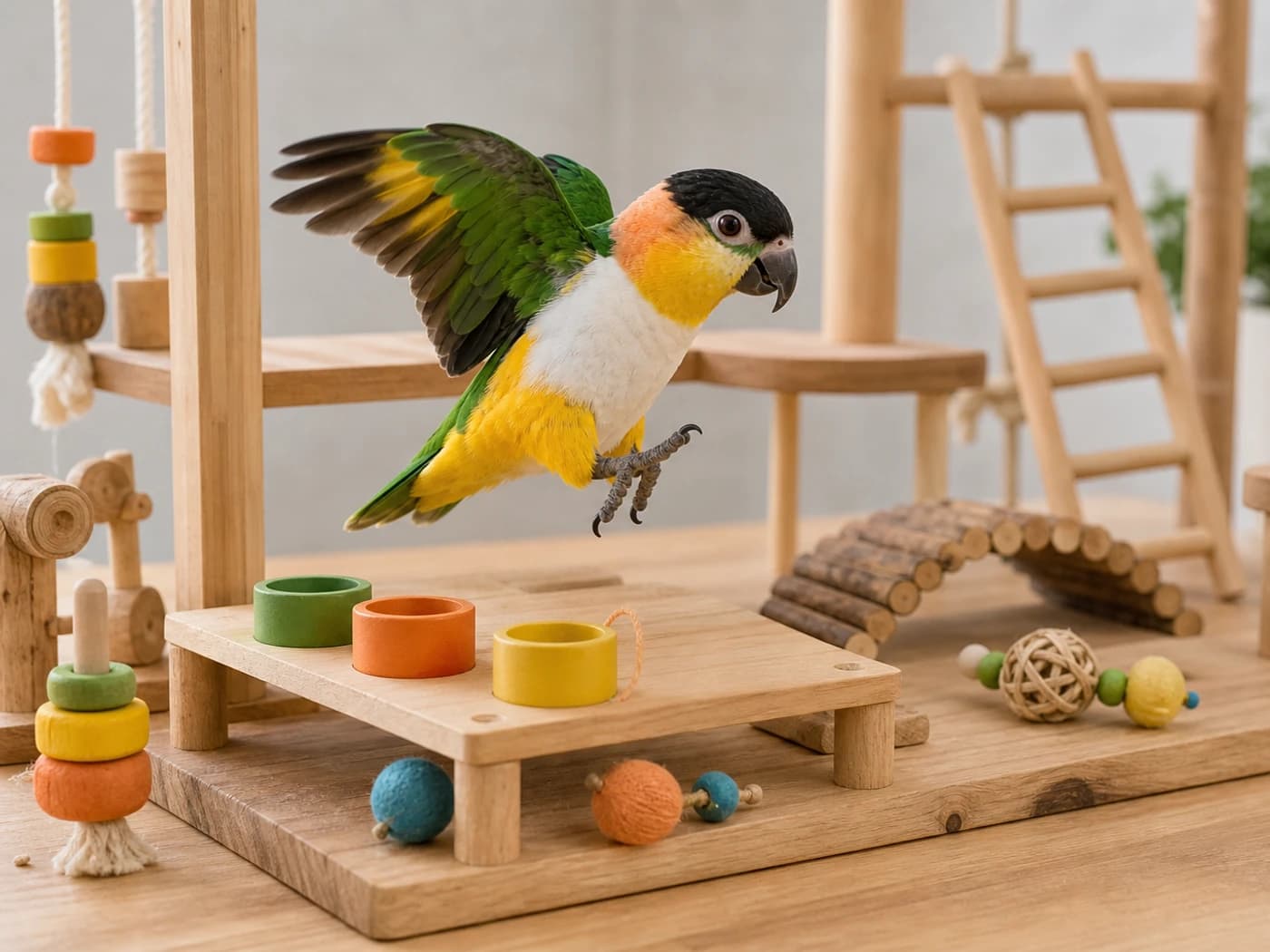
They need a "playground" more than a perch. Provide foot toys and flat surfaces for them to wrestle on.

Varieties & Colors

Caiques often feel as if they are stuck in high-energy mode. Black-headed and white-bellied caiques are common types with different looks, not a simple light-versus-dark label. They are known less for speech than for rolling, bouncing, wrestling-style play, and “surfing.” That play is funny until it runs too hot: bite pressure can climb, chasing another bird may not be harmless play, and rolling on high surfaces can end badly. A good caique home has safe floor-level play areas, short play sessions with pauses, and a plan for cooling down arousal.

2 entriesvisual ID

How They Differ

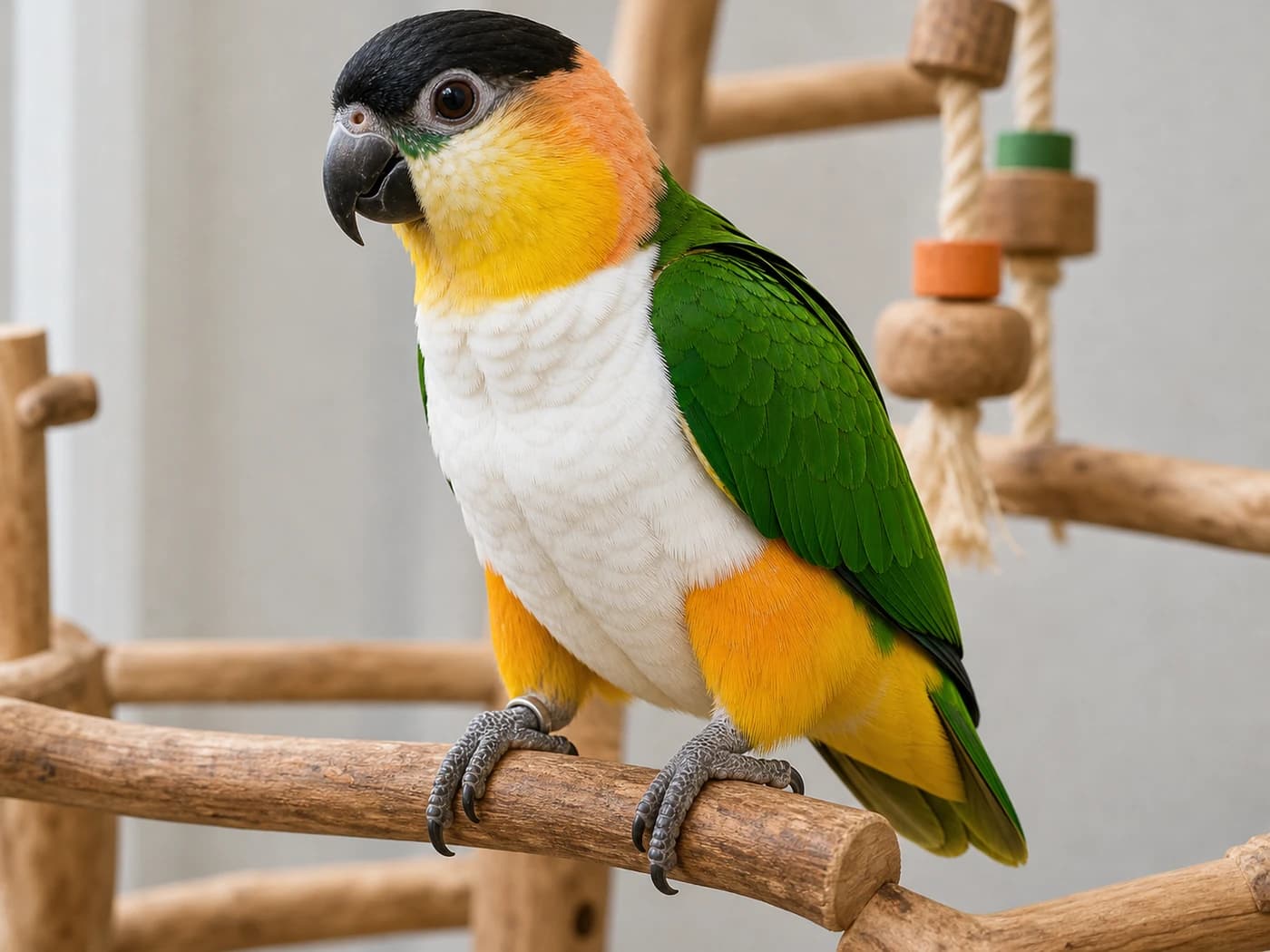
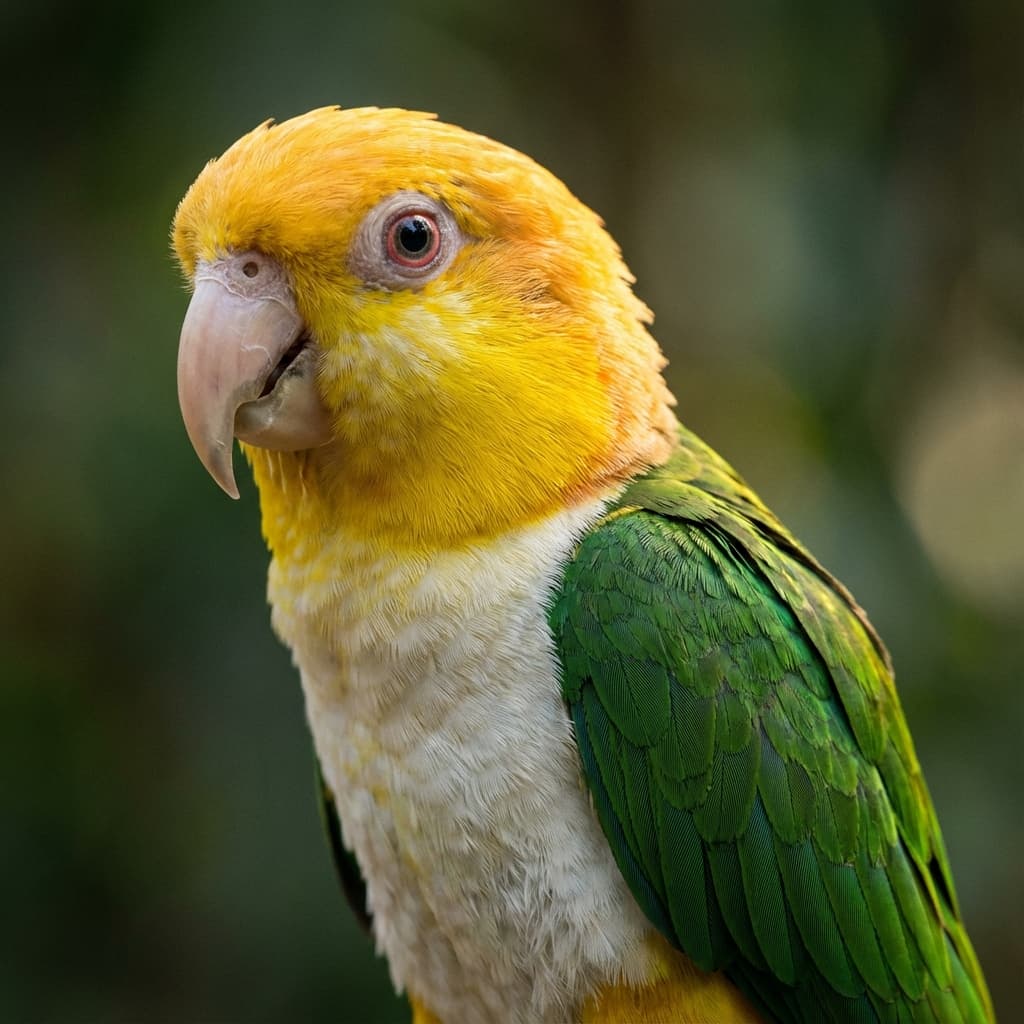
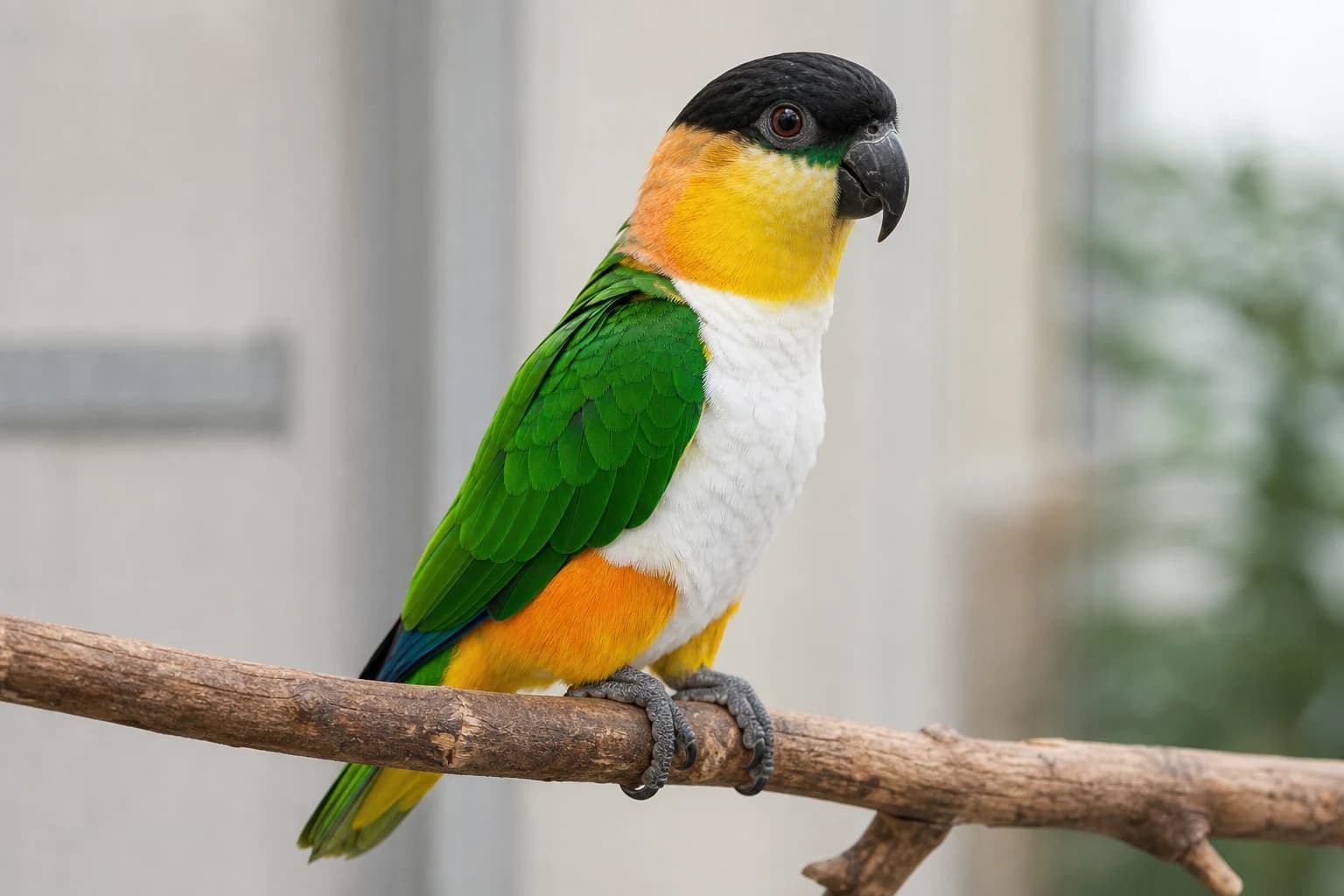
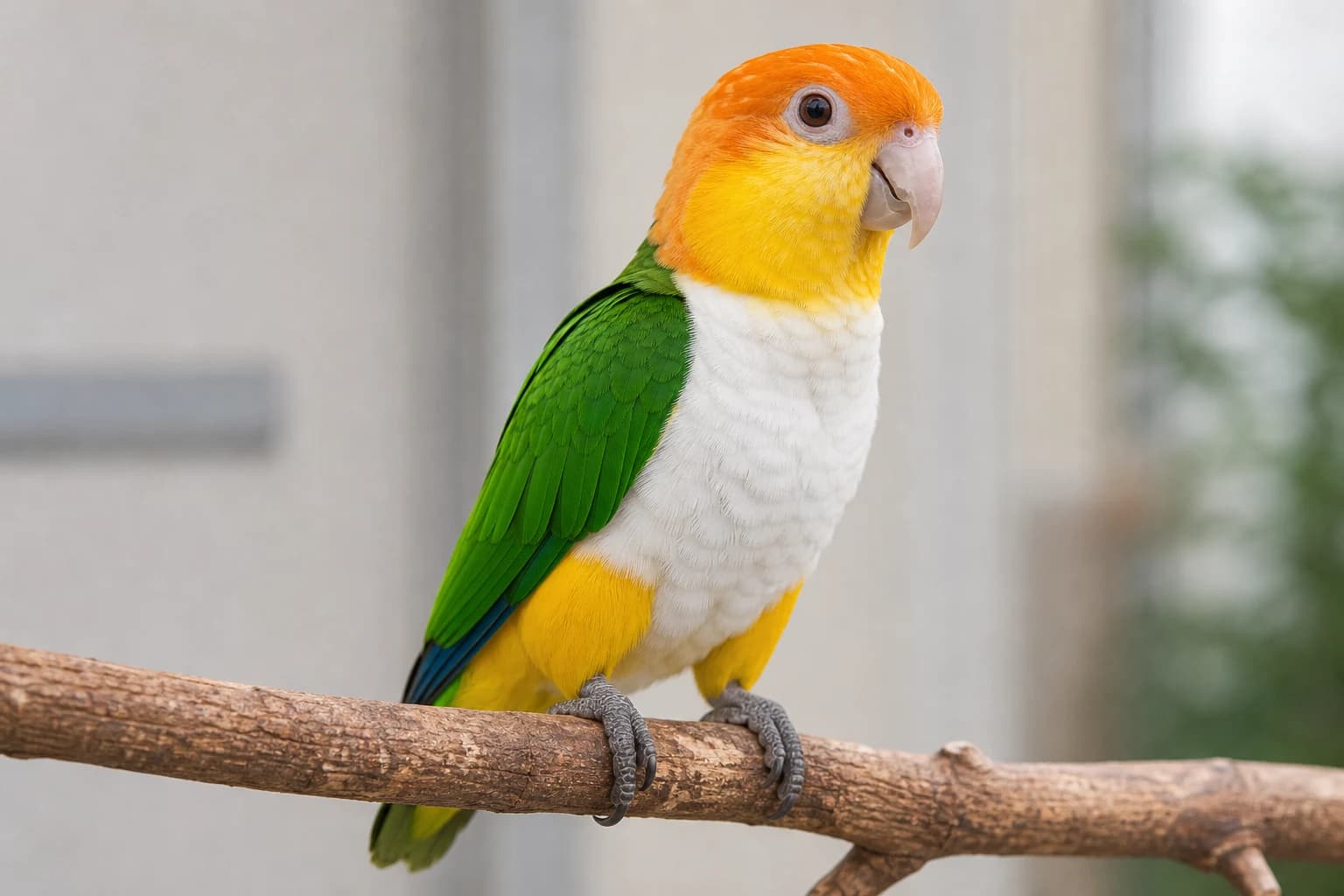
Two main caique species: black-headed caique (black head, white or yellow belly) and white-bellied caique (orange-yellow head, white belly). Similar size, approximately 23–25 cm, both vividly colored.

How These Varieties Happen

Caiques consist of two main species: Black-headed Caique and White-bellied Caique. The two have distinct appearances; artificially bred color mutations are extremely rare.

Black-headed Caique Caique realistic reference image

Standard label

Black-headed Caique

Variety

Common names

Black-headed CaiquePionites melanocephalus

Owner shorthand

Black-headed caique is the clown of parrots - always up to somethingCaique's surfing behavior (rolling on back) remains unexplained by science

Look

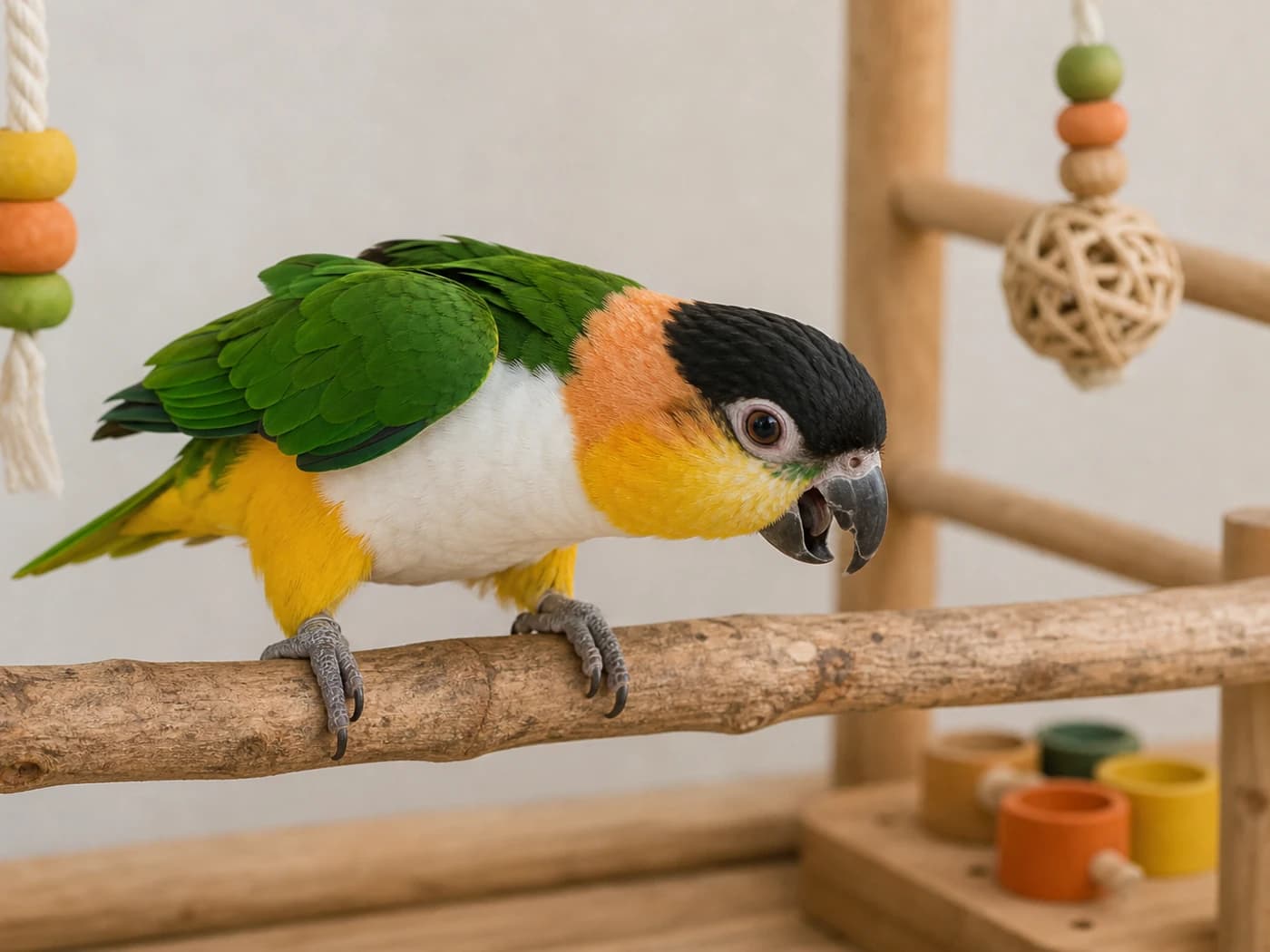
Black head, orange-yellow neck, green back and wings, white to cream abdomen.

Genetics

Natural species, not an artificially bred mutation.

Health & care

Lifespan 25-30 years. Robust constitution; extremely energetic; one of the most active parrots.

Sexing tip

Males and females look identical; DNA testing required.
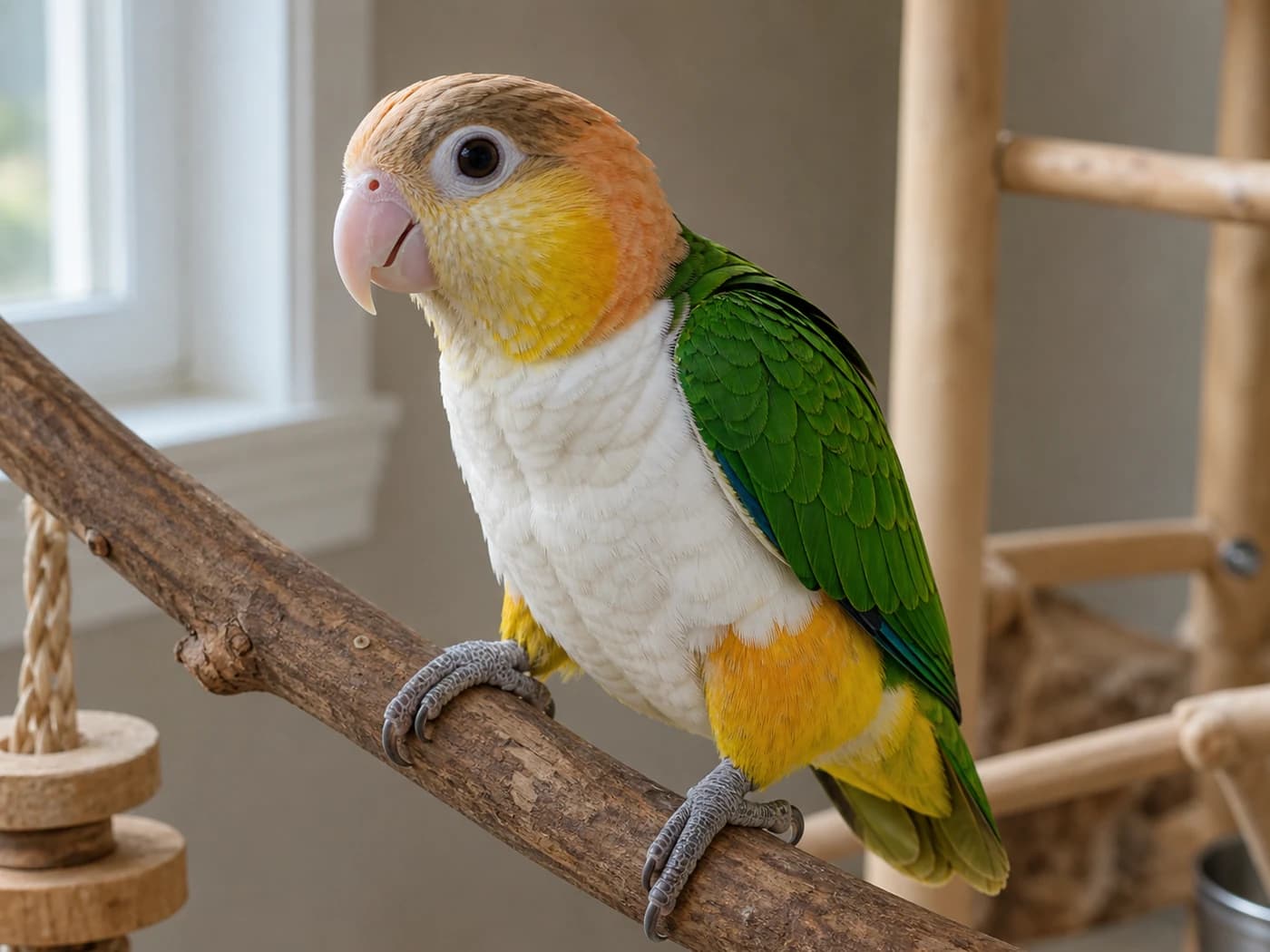
White-bellied Caique Caique realistic reference image

Standard label

White-bellied Caique

Variety

Common names

White-bellied CaiqueYellow-thighed CaiquePionites leucogaster

Owner shorthand

White-bellied caique is more colorful than black-headed but equally crazy

Look

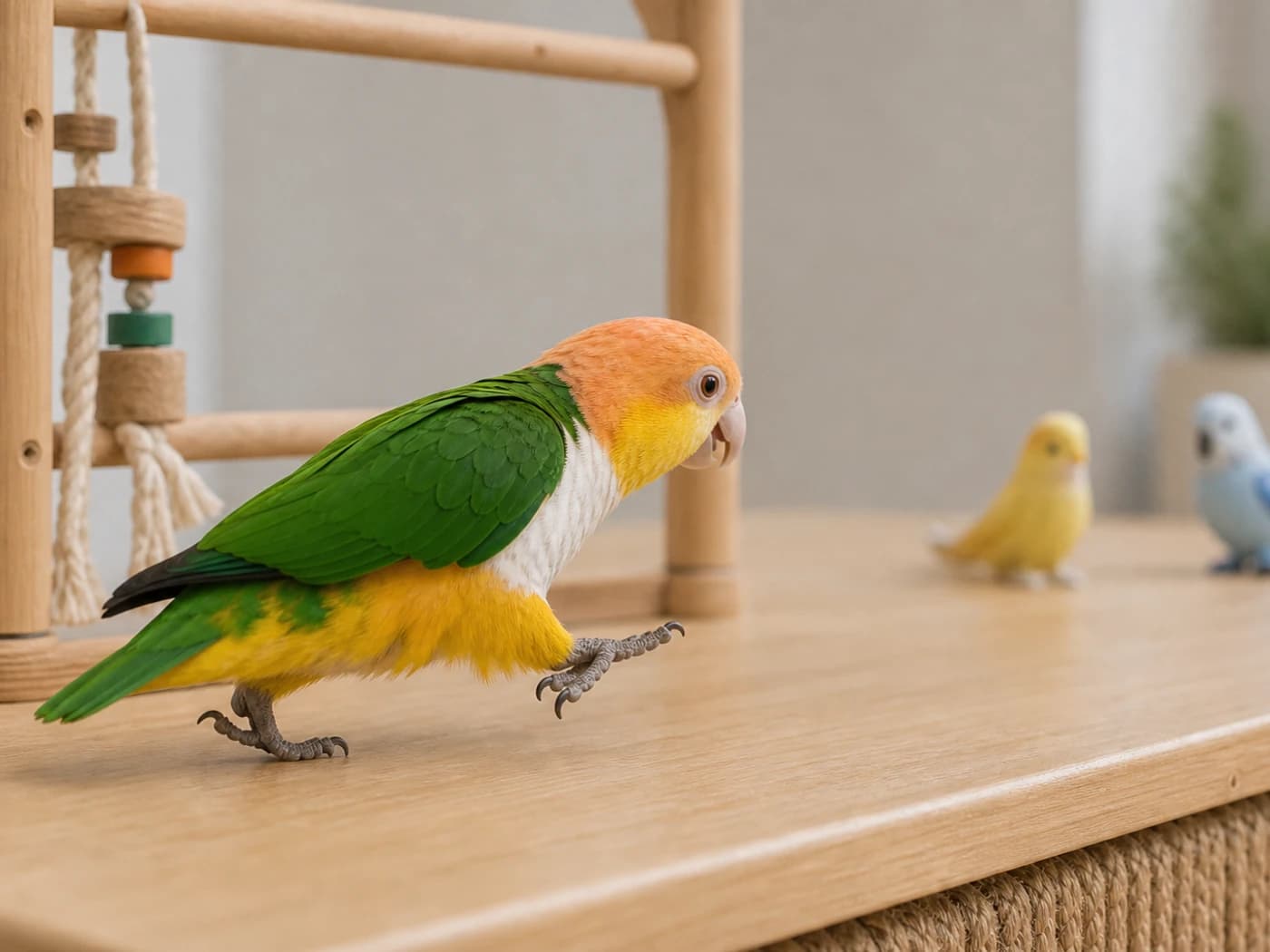
Orange-yellow head, green back and wings, white abdomen, yellow thighs. More colorful than black-headed caique.

Genetics

Natural species, not an artificially bred mutation.

Health & care

Lifespan 25-30 years. Robust constitution; similar to black-headed caique.

Sexing tip

Males and females look identical; DNA testing required.
Naming Notes

Chinese owner phrases, English common names, and market labels often do not translate one-to-one, so the tricky parts are separated here.

Common aliases

black-headed caiquewhite-bellied caique

Black-headed and white-bellied caiques are common types, not just darker or lighter colors.

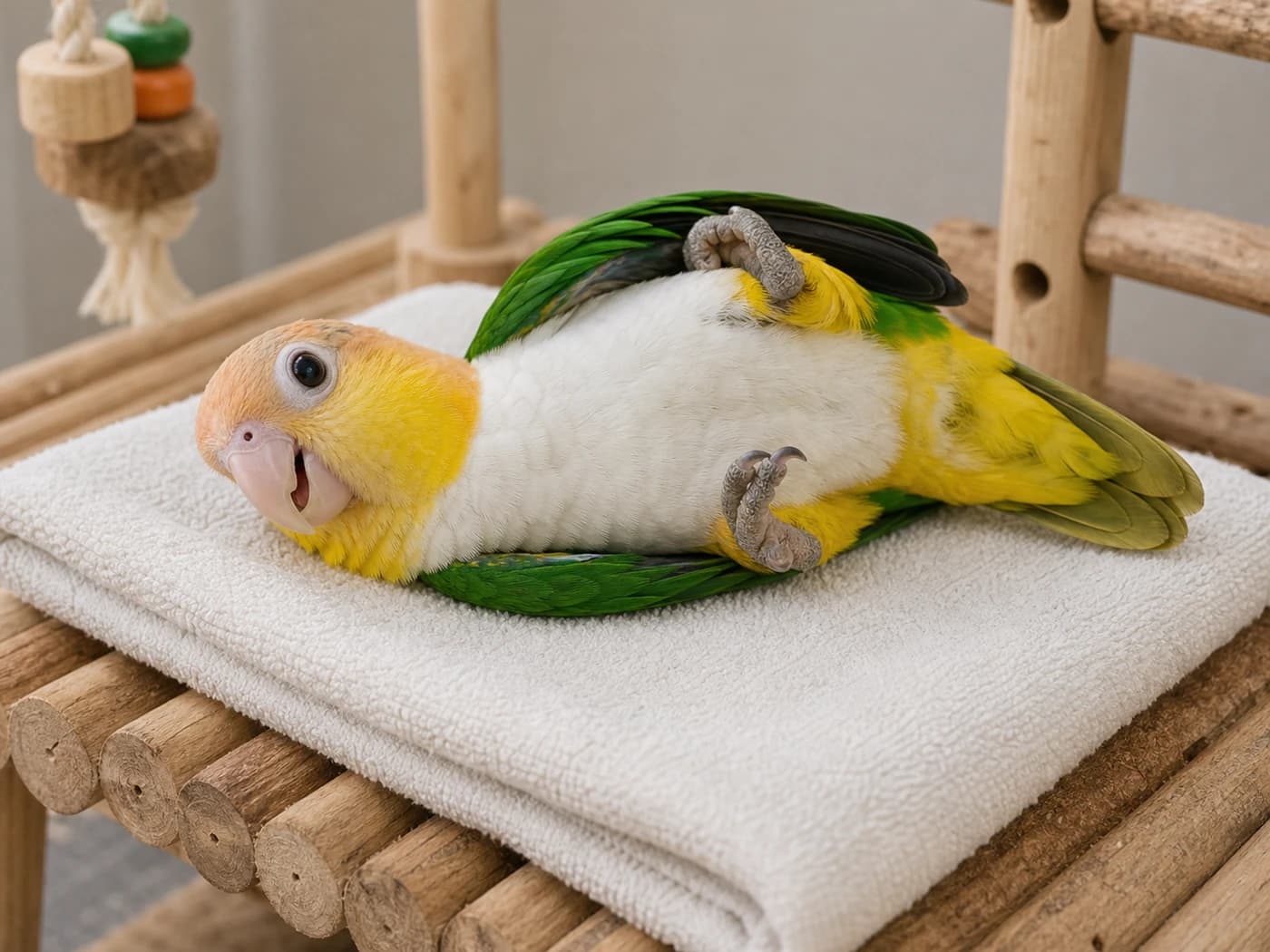
Caique surfing refers to rolling and rubbing play on surfaces, not water surfing.

Parrot clown describes high-energy play and the need to manage over-arousal.

Detailed Field Notes

These notes isolate details that are easy to mistranslate, oversimplify, or overclaim. Each one separates the claim, why it matters, and what an owner should do.

6 notes

Caique surfing is normal play

Owner-common + species-profile supported

Careful claim

Caiques may roll and rub on carpet, towels, hands, or soft objects, a behavior owners often call surfing.

Why it matters

The page should frame it as typical behavior, not automatically illness or aggression.

Owner action

Offer low safe flat surfaces away from heights, sharp items, and toe-catching fabric.

Wrestling play can tip over

Behavior-experience supported

Careful claim

Caiques often wrestle with beak, feet, and body, but bite pressure can rise when arousal gets too high.

Why it matters

The parrot clown reputation is fun, but it needs brakes.

Owner action

Use stop cues, short play bursts, and calm endings with foraging or stationing.

Not a casual mixed-housing bird

Care-guide supported

Careful claim

Caiques may chase, block, or nip other birds, and many care guides advise solo housing or very cautious pairing.

Why it matters

Its play style may not feel like play to another bird.

Owner action

Use separate out time, slow barrier observation, and do not excuse chasing as just play.

Caiques need flat play space

Care-experience supported

Careful claim

Many classic caique behaviors happen on tables, mats, low stands, and toy piles rather than high branches.

Why it matters

Only hanging cage toys underestimate their floor-level play style.

Owner action

Build a cleanable, low, fall-safe play area with toe-safe materials.

High energy needs structured release

Care-experience supported

Careful claim

A caique does not simply need endless play; too much hype can turn into biting, chasing, and inability to settle.

Why it matters

The key for a high-energy bird is rhythm, not all-day partying.

Owner action

Use several short activity sessions with calm foraging and rest between them.

Beak play needs boundaries

Training-experience supported

Careful claim

Caiques often involve the beak in games, and light nips, tugging, or toy grabbing can escalate quickly.

Why it matters

Without stop cues, cute chaos can become a learned biting strategy.

Owner action

Channel beak needs into toys instead of wrestling with bare hands.

Community Notes

These are the phrases owners commonly use when talking about Caiques in real communities.

parrot clown

Literal meaning

A clown-like performer.

Actual meaning

Caiques love rolling, bouncing, and wrestling-style play.

Used when

Used when the bird plays intensely.

Care implication

Fun still needs pauses to avoid over-arousal.

caique surfer

Literal meaning

Rolling and rubbing on surfaces.

Actual meaning

Describes classic caique rolling and rubbing play.

Used when

Used during surfing behavior.

Care implication

Provide safe flat surfaces, not high ledges.

toddler with endless batteries

Literal meaning

A toddler with no battery indicator.

Actual meaning

Caiques have high stamina and curiosity and can overdo play.

Used when

Used when energy feels endless.

Care implication

Rotate toys and build calm endings.

Behavior Reading

Read posture, eyes, feathers, and beak use as a sequence: what you see, what it usually means, what not to assume, and what to do next.

Caique Caique surfing behavior reference image

Caique surfing

What you see

Rolls or rubs back/side on floor or fabric.

Usually means

Caique surfing, normal play.

Do not misread

Do not assume seizure or aggression unless movement is uncontrolled or abnormal.

Owner action

Offer safe flat surfaces away from height and sharp edges.

Caique Wrestling play behavior reference image

Wrestling play

What you see

Uses feet, beak, and body to wrestle toys or hands.

Usually means

Not necessarily aggression, but can escalate.

Do not misread

If pressure hurts or escalates, end the game.

Owner action

Set stop cues and calm-down tasks.

Caique Chasing other birds behavior reference image

Chasing other birds

What you see

Chases, blocks, or nips feet.

Usually means

Not safe for casual mixed housing.

Do not misread

Do not excuse risky chasing as play.

Owner action

Separate out time and assess gradually.

Caique Energy overflow behavior reference image

Energy overflow

What you see

Runs, flips, throws toys, and seeks people.

Usually means

Needs flat play areas and foot toys.

Do not misread

One cage swing will not solve it.

Owner action

Plan multiple short, rich activity sessions.

Caique Over-arousal behavior reference image

Over-arousal

What you see

Movement speeds up, bite pressure rises, and the bird cannot settle.

Usually means

Needs stimulation reduction.

Do not misread

Do not keep hyping it up until bites happen.

Owner action

Redirect to foraging, calm stationing, or rest.

Growth Stages

This timeline keeps the typical development from egg to adult in one place so you can compare looks, feather changes, and feeding milestones.

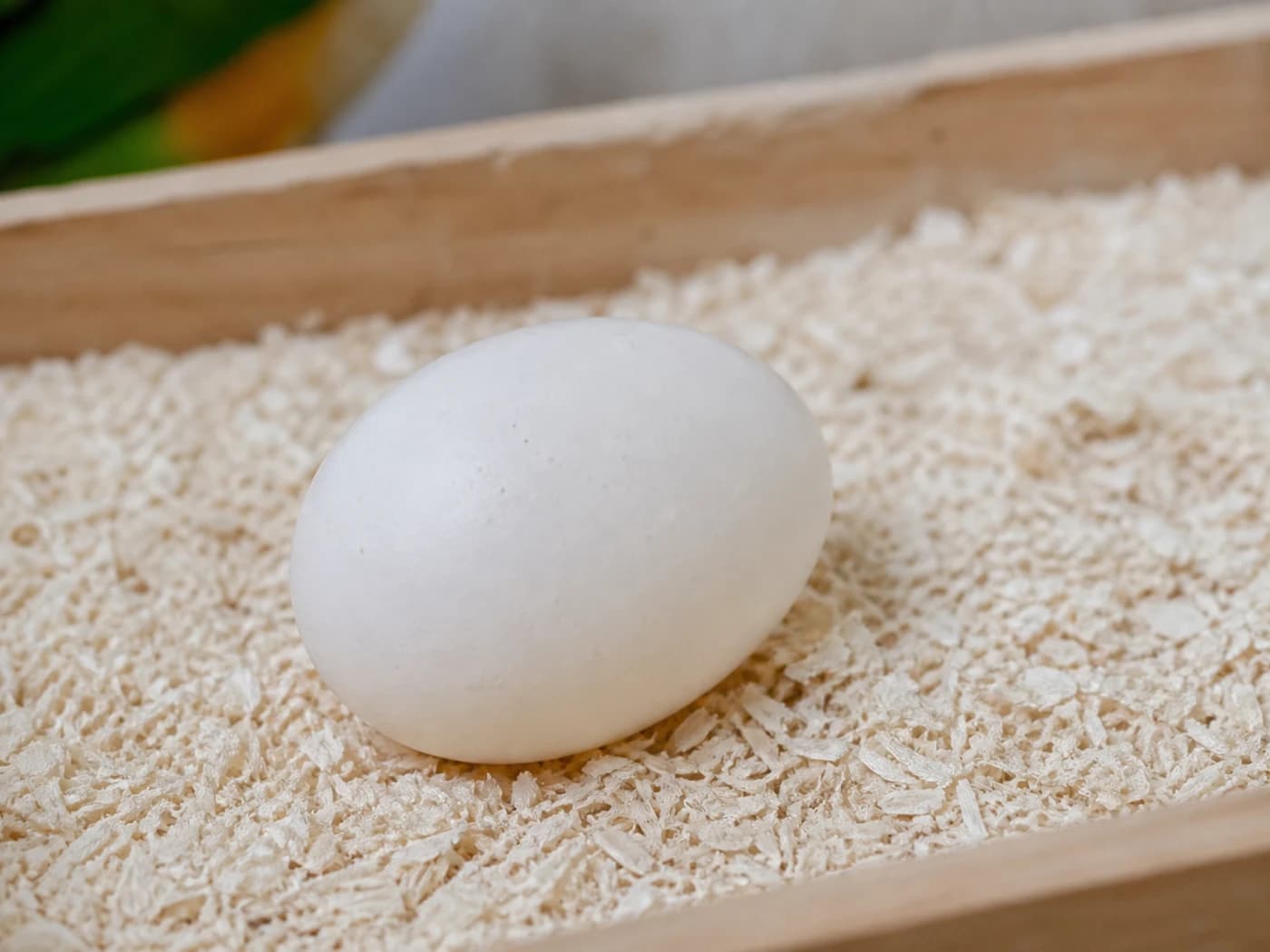
Caique Egg growth-stage reference image

Egg

Incubation

Age range

Look

Caique plumage is not visible yet; shell condition, parent behavior, and incubation stability matter most.

What people watch

Avoid unnecessary disturbance; focus on humidity, temperature, parent stress, and hygiene.

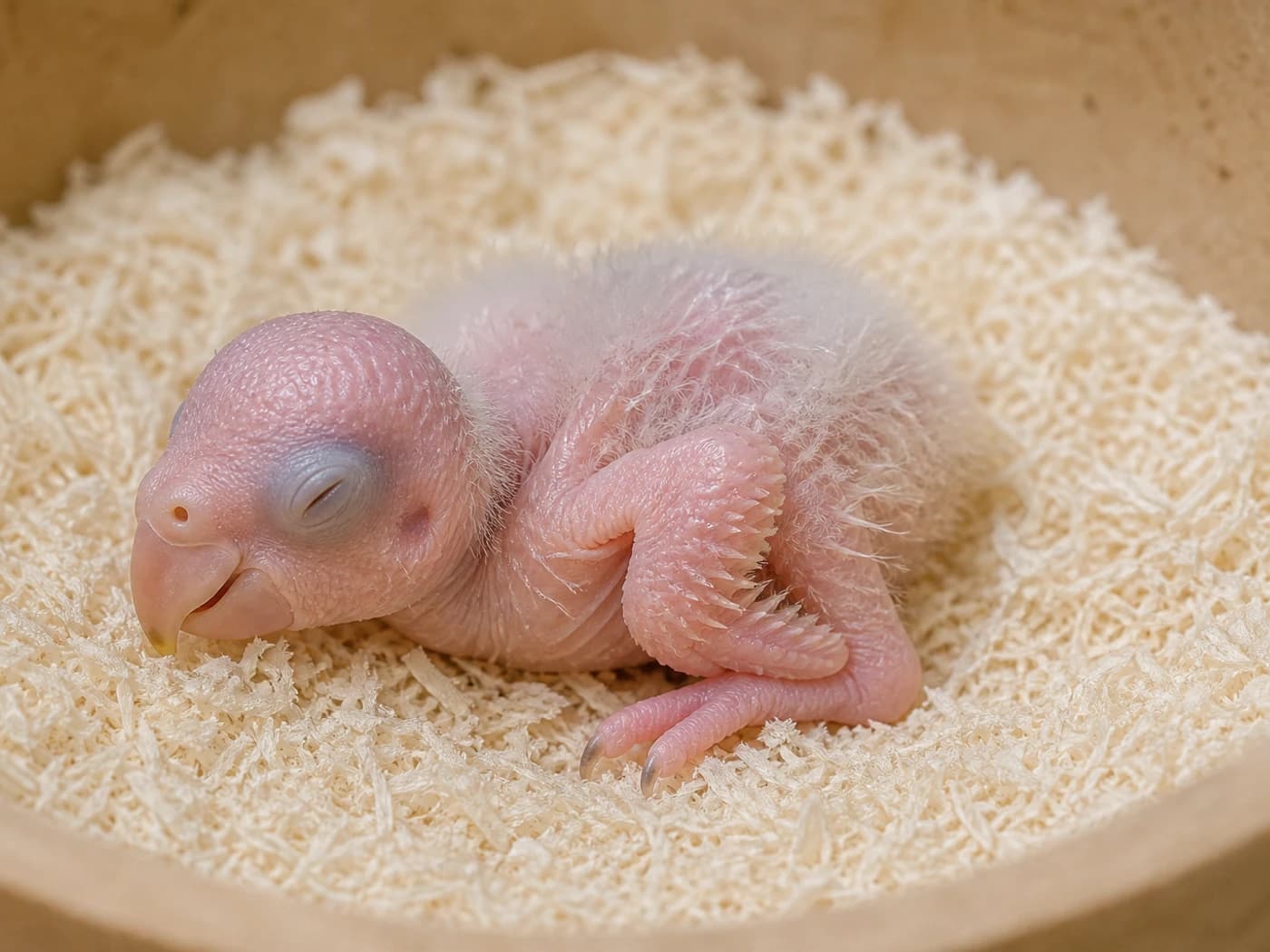
Caique Hatchling growth-stage reference image

Hatchling

0-7 days after hatch

Age range

Look

Newly hatched Caique chicks are delicate and mostly bare, so final color cannot be judged reliably yet.

What people watch

Watch warmth, crop filling, and feeding stability; visuals should be gentle, educational, and not graphic.

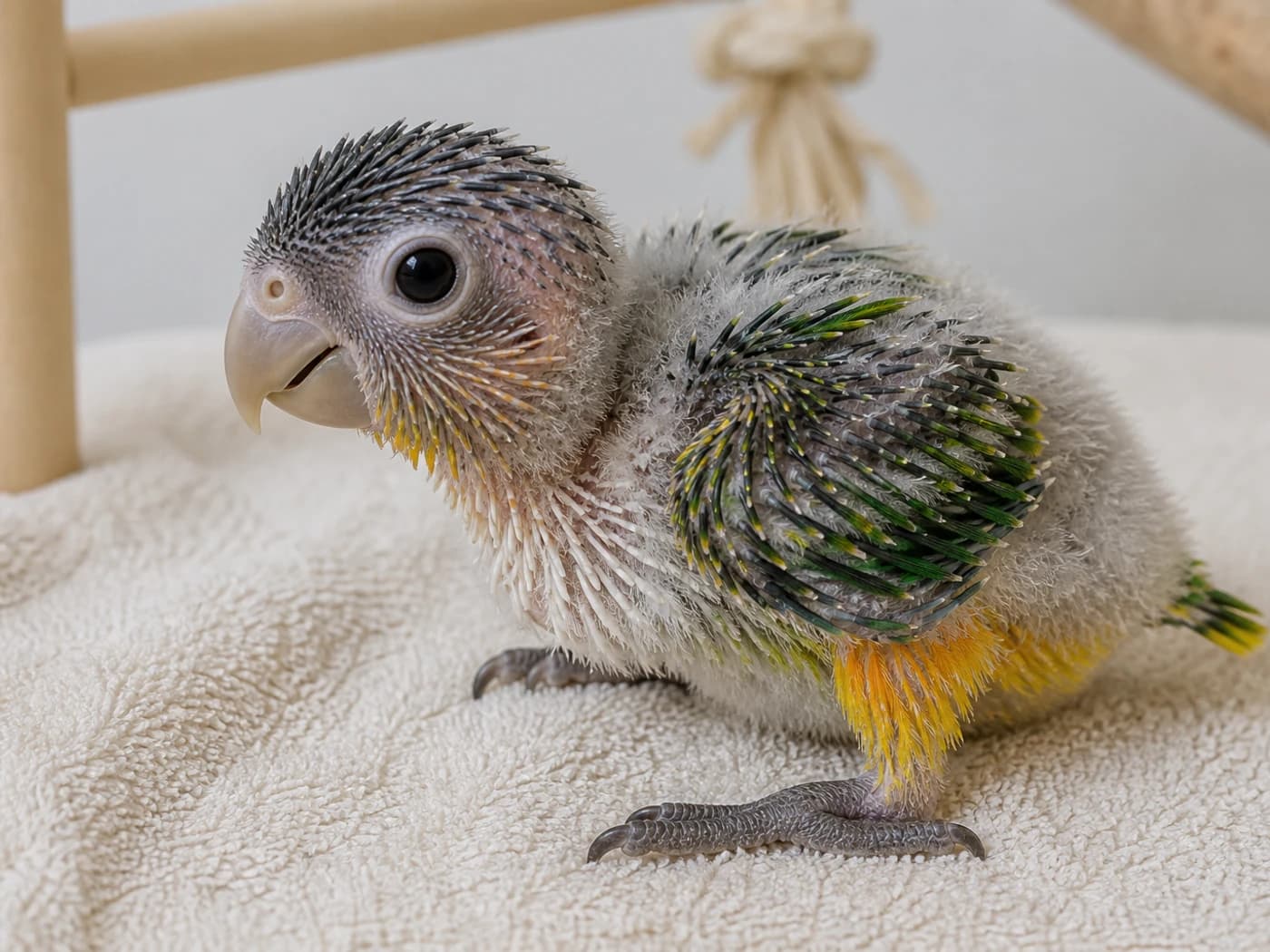
Caique Pin feather stage growth-stage reference image

Pin feather stage

About 2-4 weeks, varying by species size

Age range

Look

Caique chicks begin showing pin feathers, and early color direction or wing and face patterning starts to emerge.

What people watch

Do not force pin feathers open; monitor warmth, nutrition, and skin condition.

Caique Young chick growth-stage reference image

Young chick

About 1-2 months, varying by species size

Age range

Look

Caique now looks like a small bird, with clearer posture, plumage, eyes, and exploration behavior.

What people watch

Focus on socialization, gentle handling, safe movement, and gradual food variety.

Caique Weaning / juvenile growth-stage reference image

Weaning / juvenile

Around weaning through juvenile molt

Age range

Look

Caique looks closer to an adult, but coordination, bite control, and emotional regulation are still developing.

What people watch

Do not force early weaning; watch independent eating, weight stability, flight, and basic training.

Caique Adult growth-stage reference image

Adult

After juvenile molt and maturity

Age range

Look

Caique plumage and proportions are more stable, and long-term patterns in temperament, noise, hormones, and territory become clearer.

What people watch

Long-term care shifts toward diet, exercise, enrichment, hormone management, and annual health checks.

What to Know

High energy needs brakes

Caique play can shift from adorable to bite escalation.

Mixed-bird risk is high

Caiques may chase other birds and should not be casually housed together.

Needs flat play space

Many classic behaviors happen on flat surfaces, which must be safe.

Toy rotation matters

Caiques need foot toys, destroyables, and frequent rotation.

Caiques need a play setup they can actually use

Caiques need more than toys; they need safe, low play surfaces where rolling and wrestling will not end in a fall. Rotate wood, foot, and foraging toys, and pause sessions before excitement turns rough.

Do not excuse chasing as harmless play

Caique play can be too rough for smaller birds. Chasing, blocking, and toe nipping need real management. Separate out-of-cage time or start with protected, barrier-based introductions.

First things owners notice

Caique usually makes its first impression through Clowns of the bird world: high-energy, mischievous, playful antics., Surfing: love to roll on their backs and play with toys in a uniquely entertaining way, often on soft objects like towels or paper., and Hopping: an excited caique might hop.. Treat that as a starting point, not a full personality profile.

When you leave the room

Caiques bond strongly with human companions and thrive on interaction. Without adequate interaction, they can develop behavioral issues like biting, screaming, or feather plucking. They can be very clingy, showing more interest in their owner and kids.

Hand-raised vs parent-raised

Not explicitly detailed in the articles found, but generally, hand-raised birds are more socialized with humans and less fearful, while parent-raised birds may be more independent.

Common first mistakes

Underestimating their energy and need for stimulation: require daily out-of-cage time and plenty of toys. Lack of consistent training: can be stubborn and headstrong, requiring positive reinforcement and early boundary setting. Underestimating their social needs: can develop behavioral issues if not given adequate interaction.

Frequently Asked Questions

Listen to Caique Call

Hear their distinctive vocalizations

Community Photos

Be the first to share a photo!

Species Comparison

Trait
Caique
CaiqueMedium
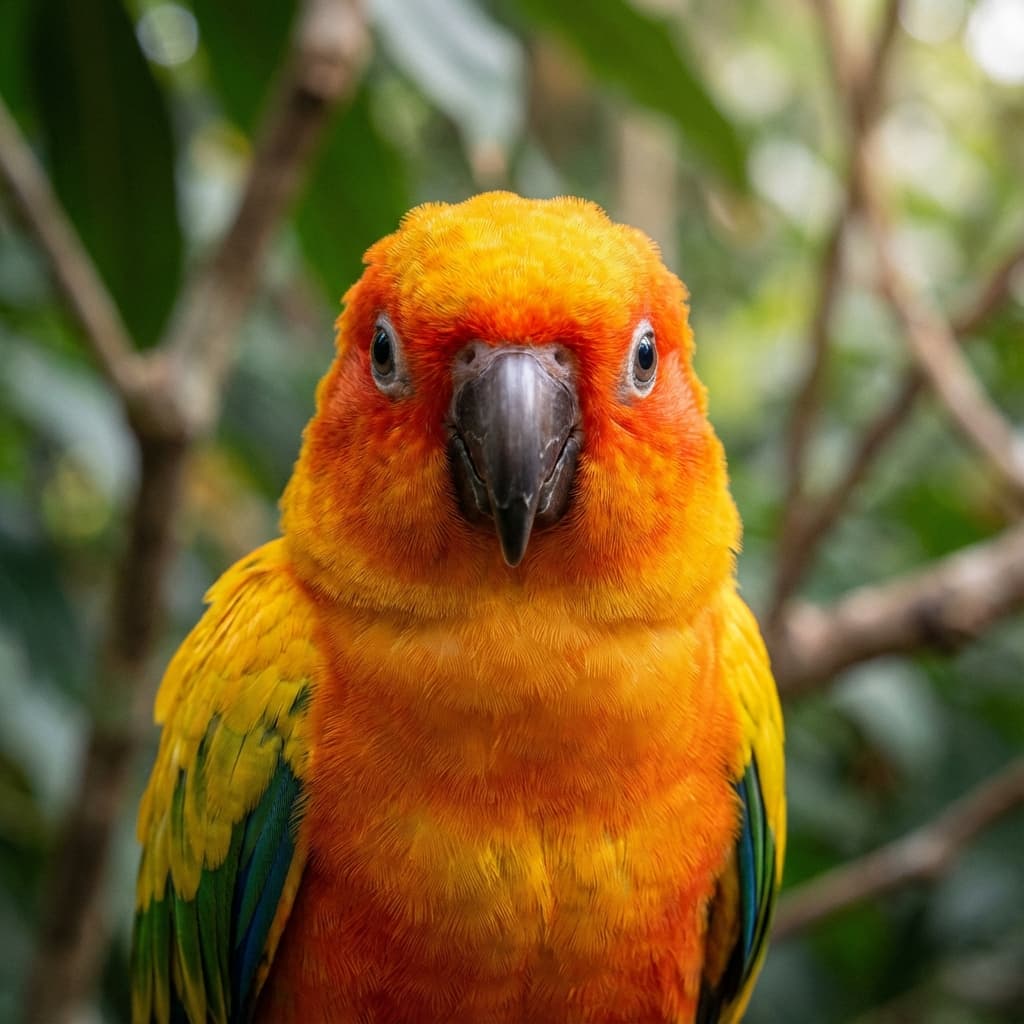
Conure
ConureMedium
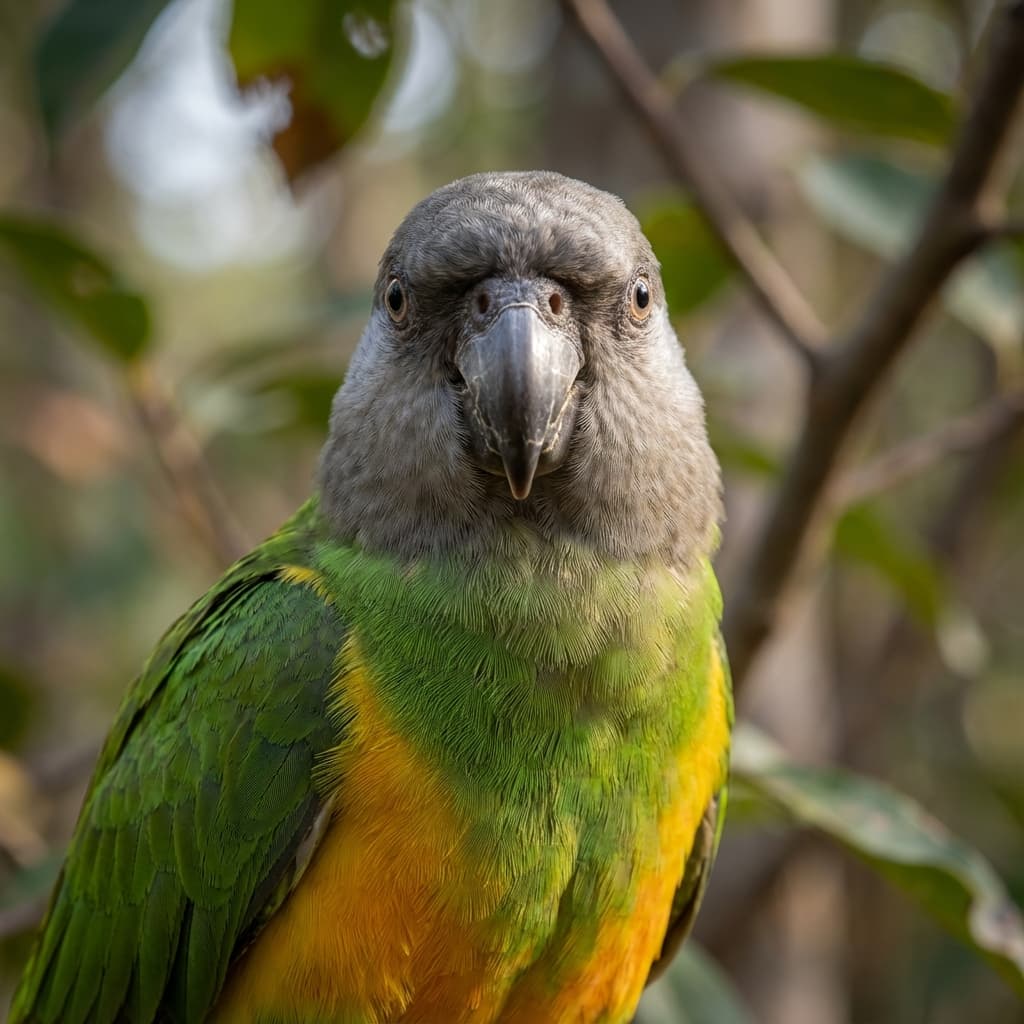
Senegal Parrot
Senegal ParrotMedium
Lifespan20-40 years20-30 years20-30 years
NoiseMediumHighLow
TrainingModerateModerateModerate
TalkingLimited - Can learn a few words (5-15) but speech is robotic and unclear. Excel at whistles, beeps, and environmental sounds instead.Limited - Can learn 10-20 words but speech is often unclear. Better at learning tricks than talking. Some species like Sun Conures rarely talk.Moderate - Can learn 20-50 words with decent clarity. Voice is often described as robotic or whisper-like. Better at whistles and clicks.
SizeMediumMediumMedium

Shop Caique Products

Food, toys, cages & accessories for medium birds

Browse Products