Tracked delivery30-day returns
Back to Bird Hub
Senegal Parrot

Senegal Parrot Hub

Senegal parrots look understated, and they are often easier to house than large parrots, but they are not quiet decorations. They are smart, observant, and sometimes strongly selective about people. A Senegal may choose one favorite person and become wary of partners, visitors, or other family members. Chinese owner shorthand about “one-person birds” and jealousy should be treated as a training warning, not a romantic trait. Good Senegal care brings multiple people into feeding, training, and cage routines from the beginning.

At a Glance

Size

Medium

Lifespan

20-30 years

Noise

Low

60-70 dB

Training

Moderate

Talking

Moderate

Best For

People wanting a relatively quieter medium-small parrot
Homes willing to do multi-person socialization
Owners who enjoy steady companionship and can manage guarding

Not For

Homes expecting instant friendliness to everyone
Busy visitor households without management
People romanticizing guarding as loyalty

Noise Comparison

Where does a Senegal Parrot's call sit against familiar everyday sounds?

65 dB·Low
QuieterLouder

Whisper · 30 dB

Library · 40 dB

Conversation · 60 dB

Vacuum Cleaner · 75 dB

Measured level

65 dB

Quieter than

5 · Vacuum Cleaner, Lawnmower

Louder than

3 · Library, Conversation

Whisper

30 dB

Library

40 dB

Conversation

60 dB

Vacuum Cleaner

75 dB

Lawnmower

90 dB

Rock Concert

110 dB

Chainsaw

120 dB

Jet Engine (100ft)

140 dB

Care Commitment

What does it realistically take to live well with a Senegal Parrot?

Beginner fit

Good

Easier everyday fit.

Daily Time

2–4 hrs/day

Moderate

Noise

60-70 dB

Quiet

Lifespan

20-30 years

Long

Space

Medium

Medium

Experience

Moderate

Intermediate

Daily reality

Senegal Parrot fits into home life more easily, but still needs routine interaction and enrichment.

  • A steady routine makes noise easier to manage.
  • Enrichment beats punishment for most behavior issues.

Watch-outs

One-Person Bonding

Bonds intensely to one person; may attack others. Bites with zero warning.

Next steps

If this species does not have a dedicated guide yet, this falls back to the full care manuals library.

About Senegal Parrots

Personality

Quiet, calm, and loyal. Senegals often bond intensely to one person and can be jealous. They are great apartment birds.

Diet

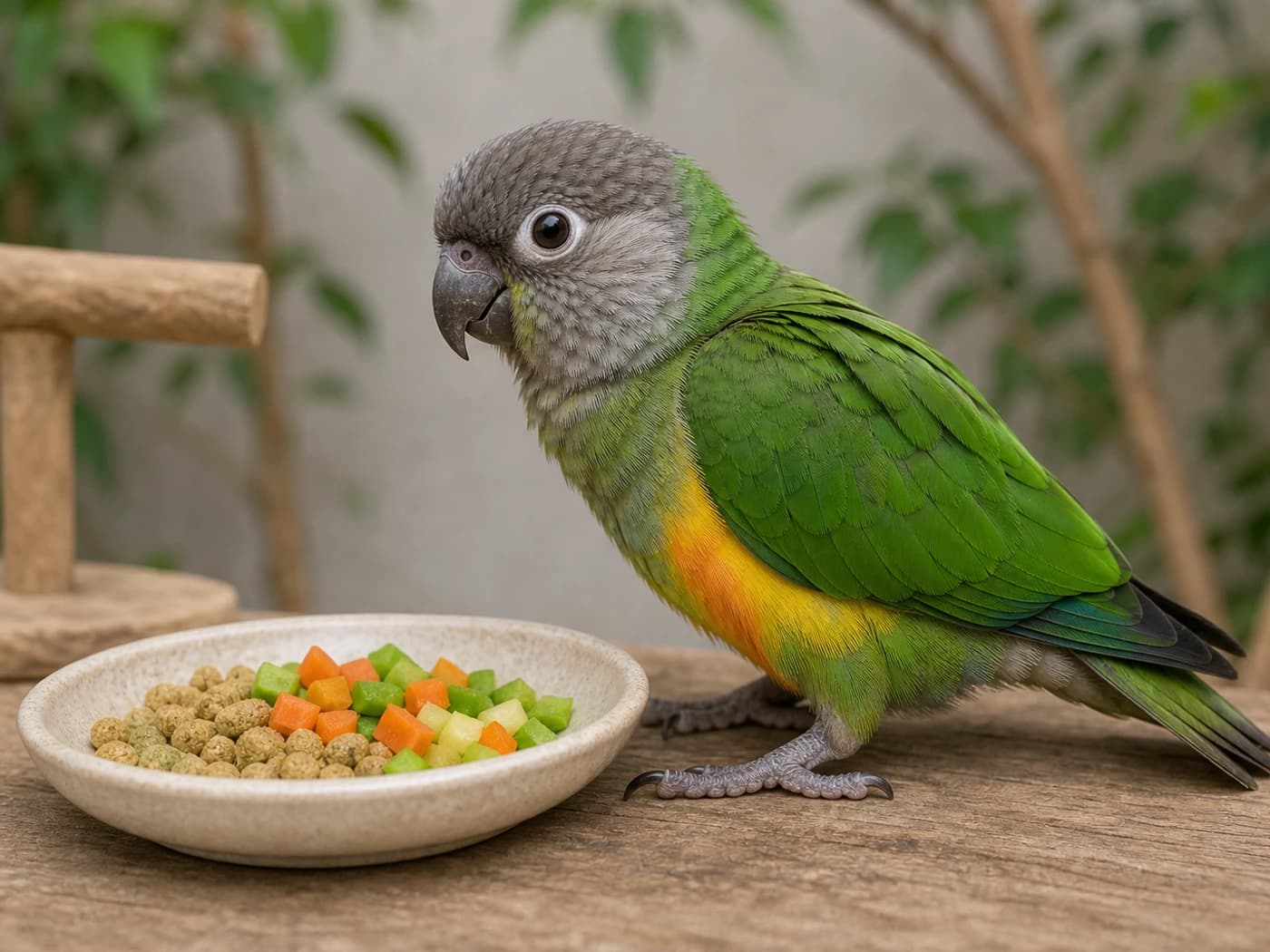
Standard parrot diet with a focus on fresh vegetables to prevent Vitamin A deficiency.

Behavior

They enjoy chewing wood and are generally less destructive than other species.

Varieties & Colors

Senegal parrots look understated, and they are often easier to house than large parrots, but they are not quiet decorations. They are smart, observant, and sometimes strongly selective about people. A Senegal may choose one favorite person and become wary of partners, visitors, or other family members. Chinese owner shorthand about “one-person birds” and jealousy should be treated as a training warning, not a romantic trait. Good Senegal care brings multiple people into feeding, training, and cage routines from the beginning.

3 entriesvisual ID

How They Differ

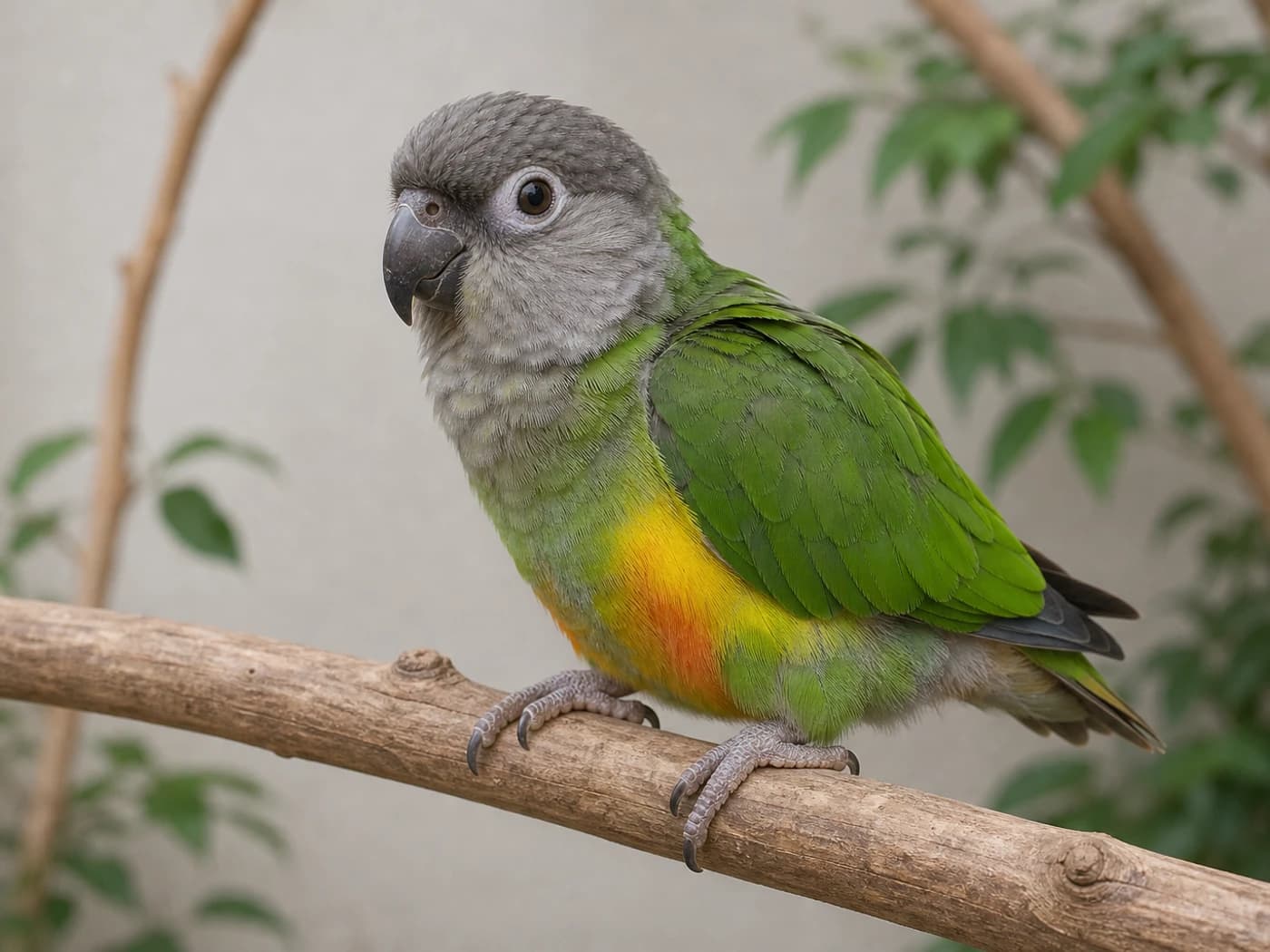
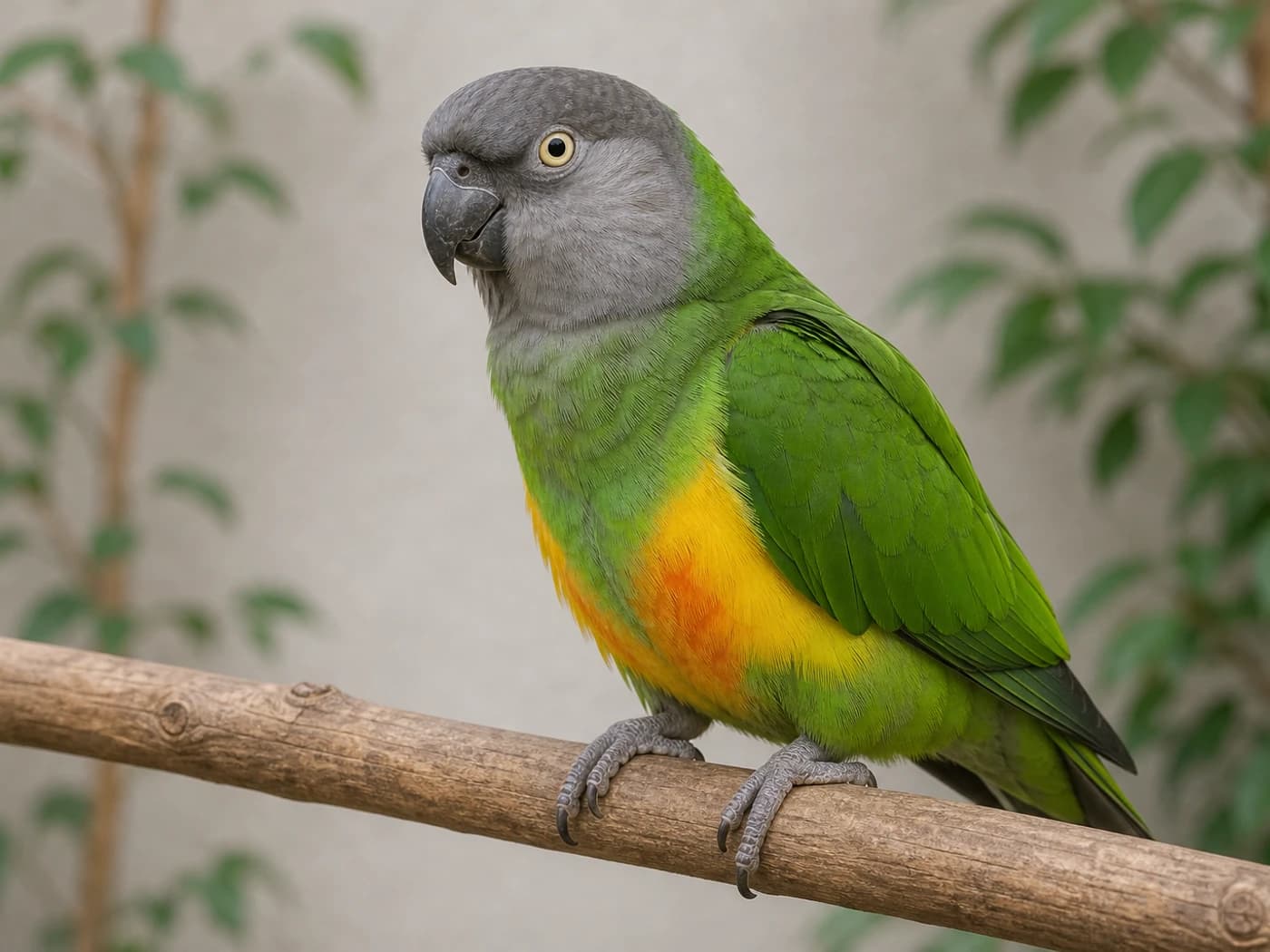
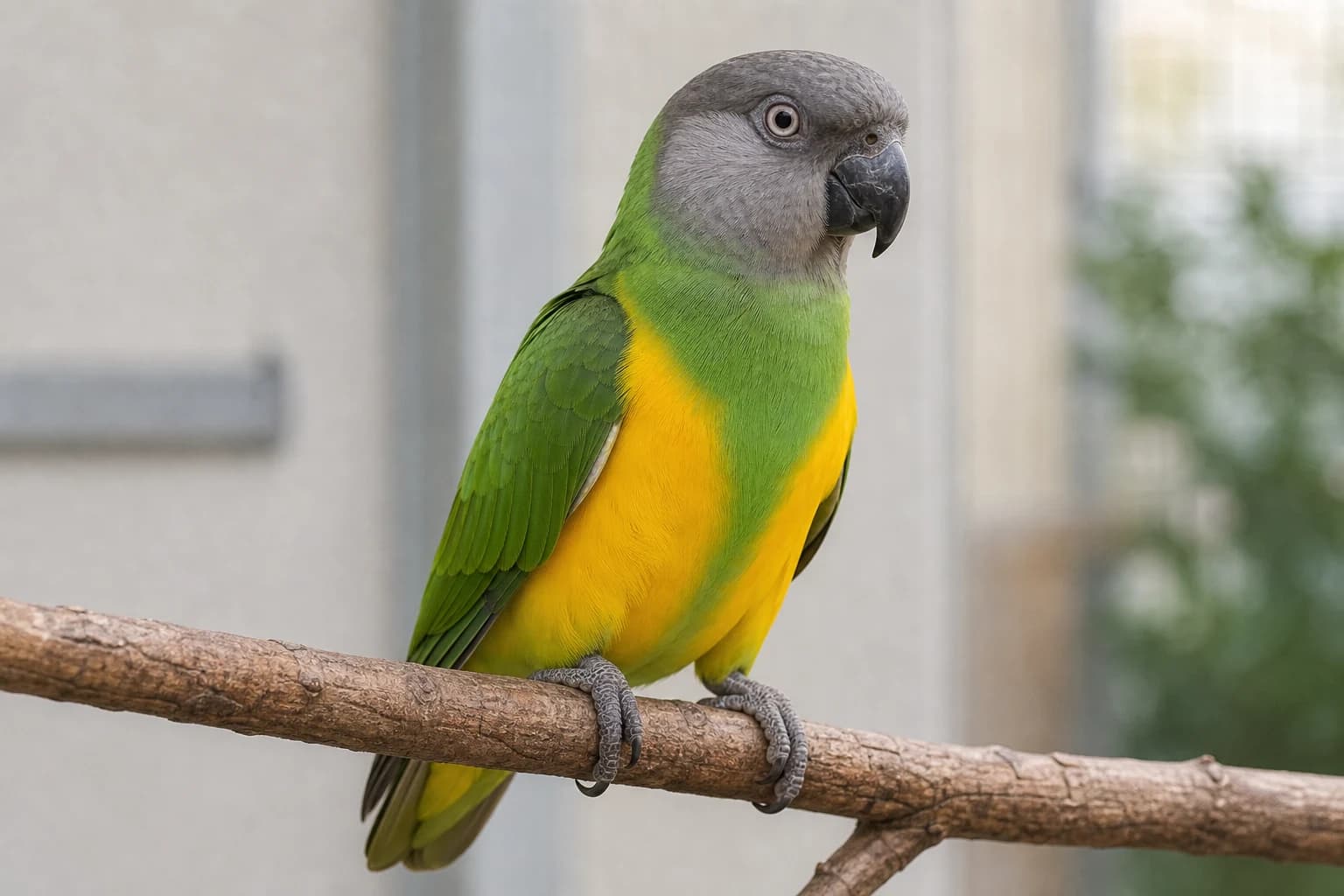
Small and compact, around 23 cm. Grey head, green back and wings, V-shaped orange-yellow belly patch (color varies by subspecies). Yellow eyes.

How These Varieties Happen

Senegal parrots (Poicephalus senegalus) have three subspecies differing mainly in belly color: yellow-bellied (nominate), orange-bellied, and red-bellied. Artificially bred color mutations are extremely rare.

Yellow-bellied Senegal (Nominate) Senegal Parrot realistic reference image

Standard label

Yellow-bellied Senegal (Nominate)

Yellow-bellied Senegal

Variety

Common names

Yellow-bellied SenegalNominate SenegalPoicephalus senegalus senegalus

Owner shorthand

Senegal is the most loyal parrot - bonds to one person onlySenegal may suddenly attack strangers - warn visitors in advance

Look

Gray head, green back and wings, bright yellow chest and abdomen forming a V-shaped yellow pattern.

Genetics

Natural subspecies, not an artificially bred mutation.

Health & care

Lifespan 25-30 years. Good constitution; most common pet senegal subspecies.

Sexing tip

Males and females look nearly identical; DNA testing required. Females typically have a wider yellow V-pattern on abdomen.
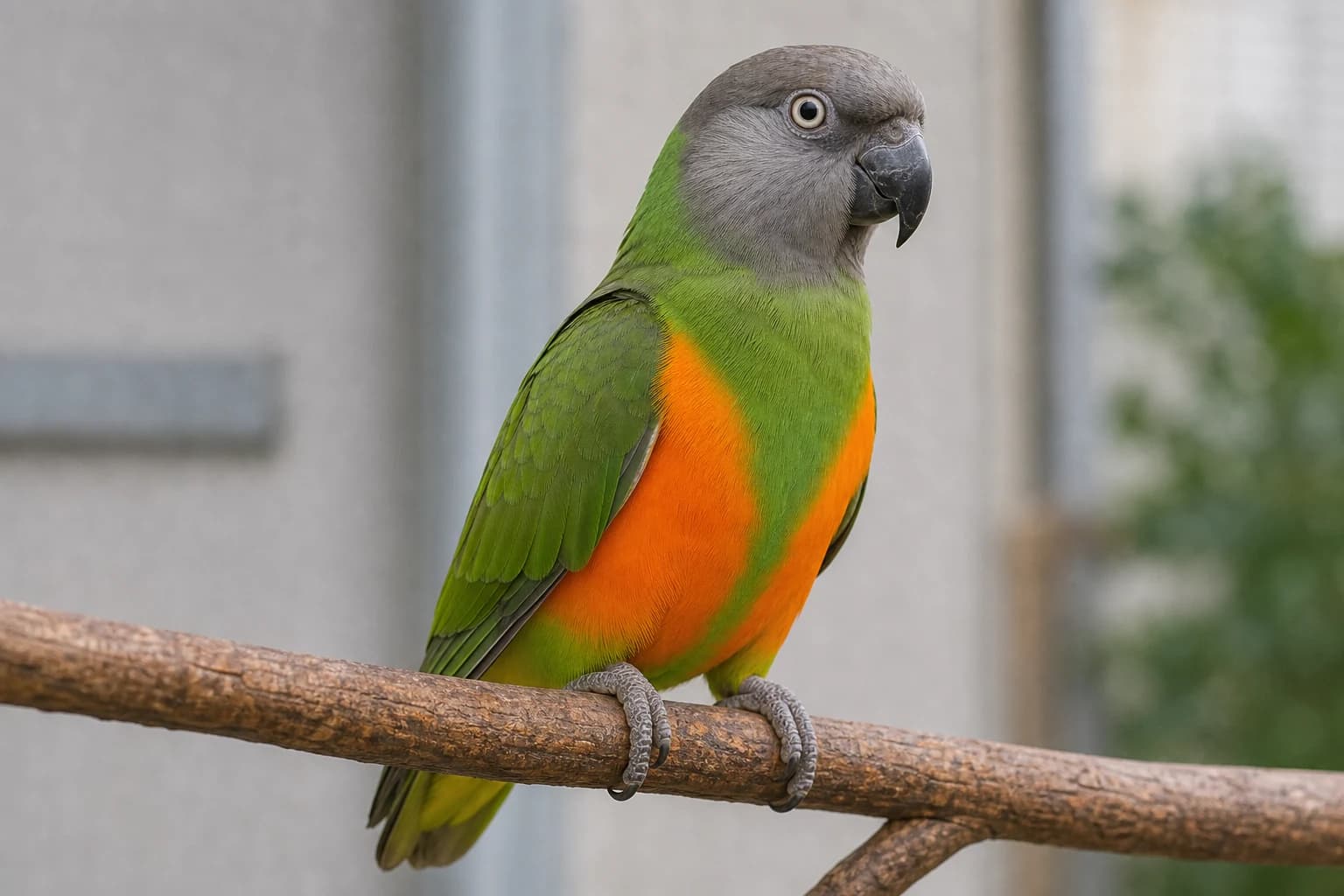
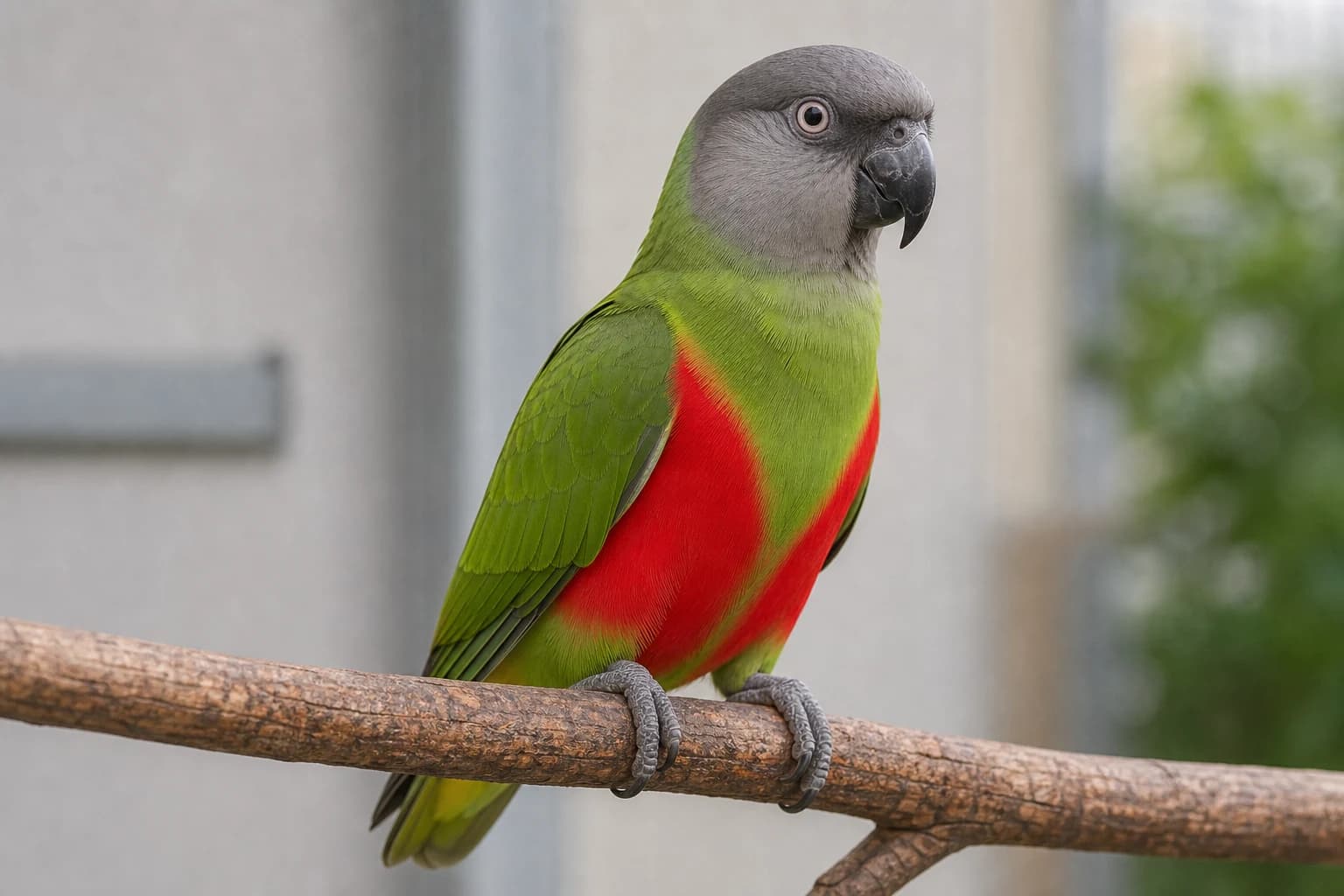
Orange-bellied Senegal Senegal Parrot realistic reference image

Standard label

Orange-bellied Senegal

Variety

Common names

Orange-bellied SenegalPoicephalus senegalus mesotypus

Owner shorthand

Orange-bellied senegal is rarer than yellow-bellied, slightly more expensive

Look

Similar to yellow-bellied subspecies but with orange rather than yellow abdomen.

Genetics

Natural subspecies, not an artificially bred mutation.

Health & care

Care is usually similar to yellow-bellied subspecies; do not judge health by color alone. Look at energy, weight, feather condition, and source quality.

Sexing tip

DNA testing required.

Red-bellied Senegal Senegal Parrot realistic reference image

Standard label

Red-bellied Senegal

Variety

Common names

Red-bellied SenegalPoicephalus senegalus versteri

Owner shorthand

Red-bellied senegal is the rarest subspecies and most expensive

Look

Similar to yellow-bellied subspecies but with red abdomen. The rarest of the three subspecies.

Genetics

Natural subspecies, not an artificially bred mutation.

Health & care

Care is usually similar to other subspecies; do not judge health by color alone. Look at energy, weight, feather condition, and source quality.

Sexing tip

DNA testing required.

Naming Notes

Chinese owner phrases, English common names, and market labels often do not translate one-to-one, so the tricky parts are separated here.

Common aliases

SenegalSennieyellow-bellied Senegal

Yellow-, orange-, and red-bellied labels reflect subspecies/regional belly color, not personality grades.

One-person bird should be explained as selective bonding and guarding risk.

Apartment-friendly refers to relative volume, not low interaction needs.

Detailed Field Notes

These notes isolate details that are easy to mistranslate, oversimplify, or overclaim. Each one separates the claim, why it matters, and what an owner should do.

6 notes

One-person bird is not just romantic

Owner-common experience

Careful claim

A Senegal may strongly favor one person while staying wary of partners, visitors, or other household members.

Why it matters

If loyalty is reinforced as driving others away, it can become guarding aggression.

Owner action

Have multiple people share treats, training, and cage-door routines instead of one favorite person doing everything.

Apartment-friendly is only relative

Care-experience supported

Careful claim

Senegals are often easier to manage than macaws or cockatoos for volume, but they are not silent decor.

Why it matters

Relatively quiet can make readers underestimate training, out time, and social needs.

Owner action

Still plan daily interaction, foraging, and predictable routines.

Belly color reflects regional/subspecies labels

Taxonomy-supported

Careful claim

Senegals are often labeled yellow-, orange-, or red-bellied, but these should not be written as temperament grades or age stages.

Why it matters

Market labels can make readers assume redder means rarer or friendlier.

Owner action

Separate look, English label, and origin in variety cards.

Staring at strangers can be vigilance

Behavior-experience supported

Careful claim

A Senegal quietly staring at a visitor, stiffening, or leaning forward may be assessing risk.

Why it matters

Quiet does not mean consent to touch.

Owner action

Visitors should toss treats from a distance, not test friendliness with fingers.

Read pupil changes with body lean

Behavior-guide supported

Careful claim

Senegals can also show pupil changes; paired with forward lean, person guarding, or cage-door tension, it may be a boundary signal.

Why it matters

Not every eye pinning moment should be read as happy excitement.

Owner action

Lower stimulation, add distance, and use stationing or target training to rebuild choice.

Jealous streak should become a training plan

Owner-common shorthand

Careful claim

Jealous third wheel wording should be explained as favorite-person bias, resource guarding, and insufficient multi-person socialization.

Why it matters

Treating it as cute can reward driving other people away.

Owner action

Let non-favorite people safely deliver rewards, and avoid soothing the bird right after it drives someone away.

Community Notes

These are the phrases owners commonly use when talking about Senegal Parrots in real communities.

jealous third wheel

Literal meaning

A jealous third-wheel shorthand.

Actual meaning

Senegals may guard a favorite person and challenge partners or visitors.

Used when

Used when it blocks or threatens others near the owner.

Care implication

Use multi-person interaction and boundary training.

one-person bird

Literal meaning

Strong preference for one person.

Actual meaning

Common, but should not be encouraged to extremes.

Used when

Used when the bird accepts only one handler.

Care implication

Let multiple family members do low-pressure training.

apartment-friendly, still protective

Literal meaning

Quieter does not mean behavior-proof.

Actual meaning

Senegals can be quieter, yet territorial or protective.

Used when

Used when assessing apartment fit.

Care implication

Do not skip socialization because it is quieter.

Behavior Reading

Read posture, eyes, feathers, and beak use as a sequence: what you see, what it usually means, what not to assume, and what to do next.

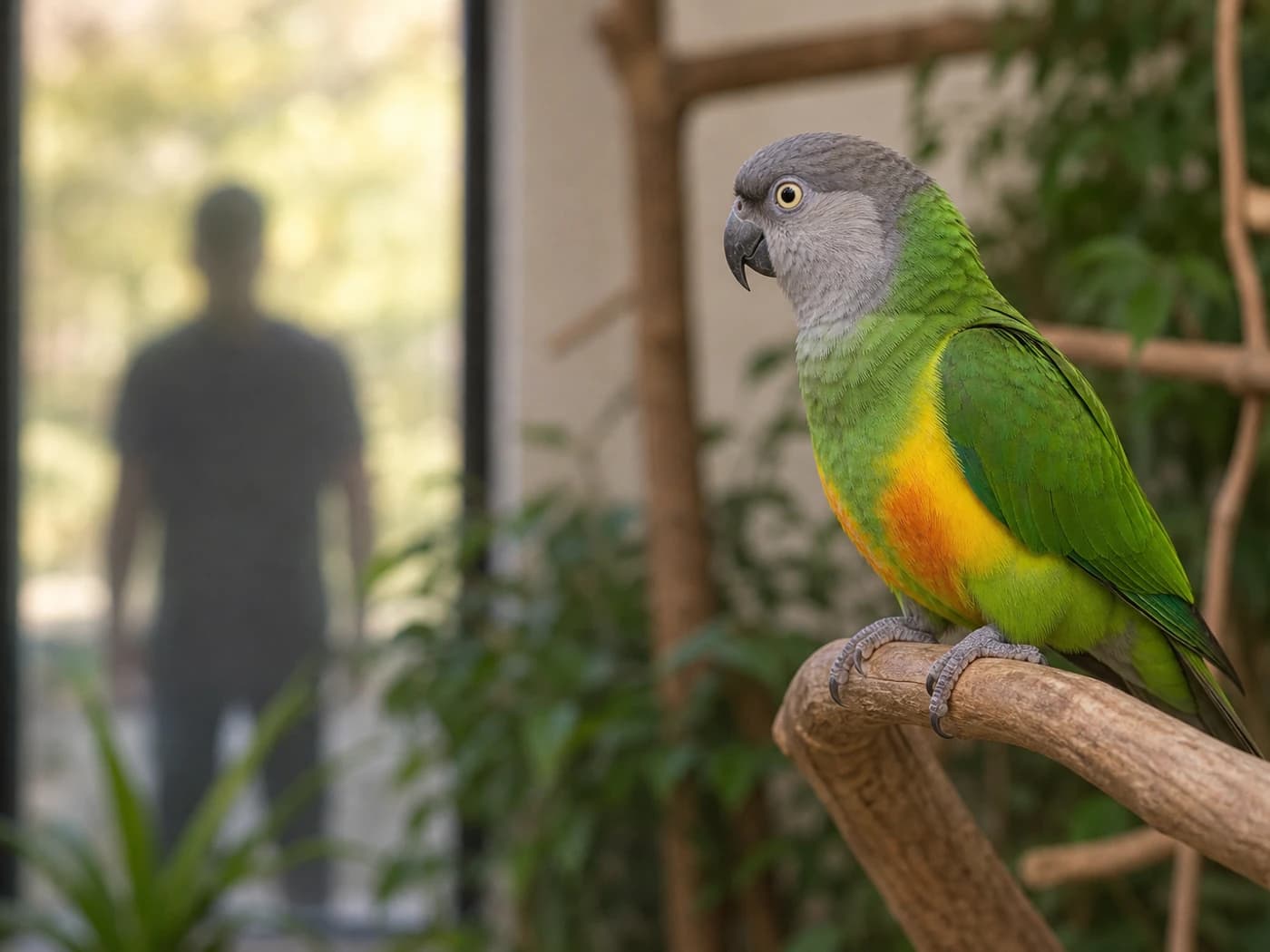
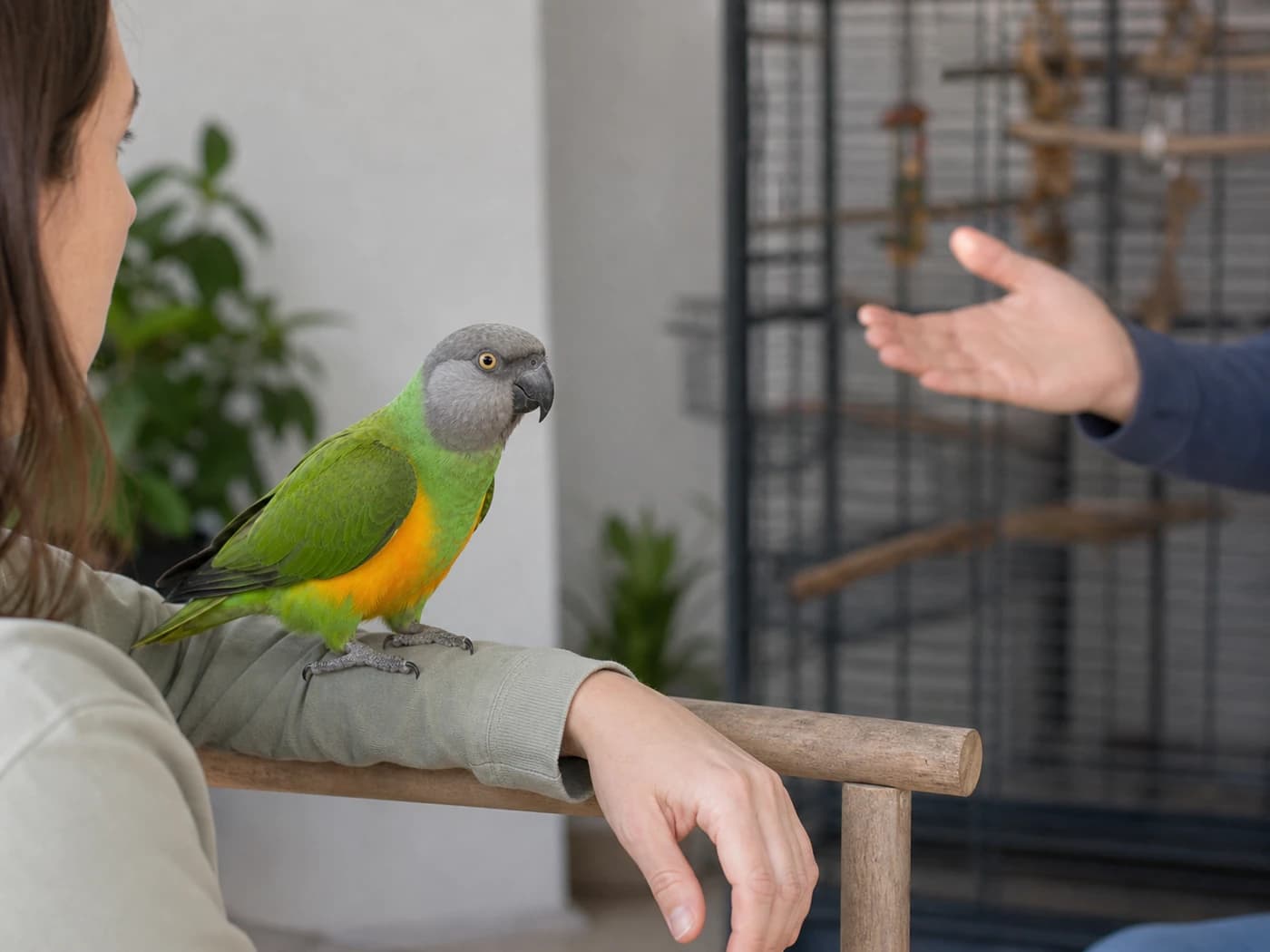
Senegal Parrot Staring at strangers behavior reference image

Staring at strangers

What you see

Stares at visitors, stiff or slightly leaning forward.

Usually means

May be alert or wary.

Do not misread

Do not let visitors reach in.

Owner action

Have visitors toss treats from a distance and build safety slowly.

Senegal Parrot Guarding owner behavior reference image

Guarding owner

What you see

Blocks, lunges, or bites when others approach the owner.

Usually means

Not just cute loyalty; it can become aggression.

Do not misread

Do not reward driving family away.

Owner action

Move the favorite person out of center and rotate rewards among people.

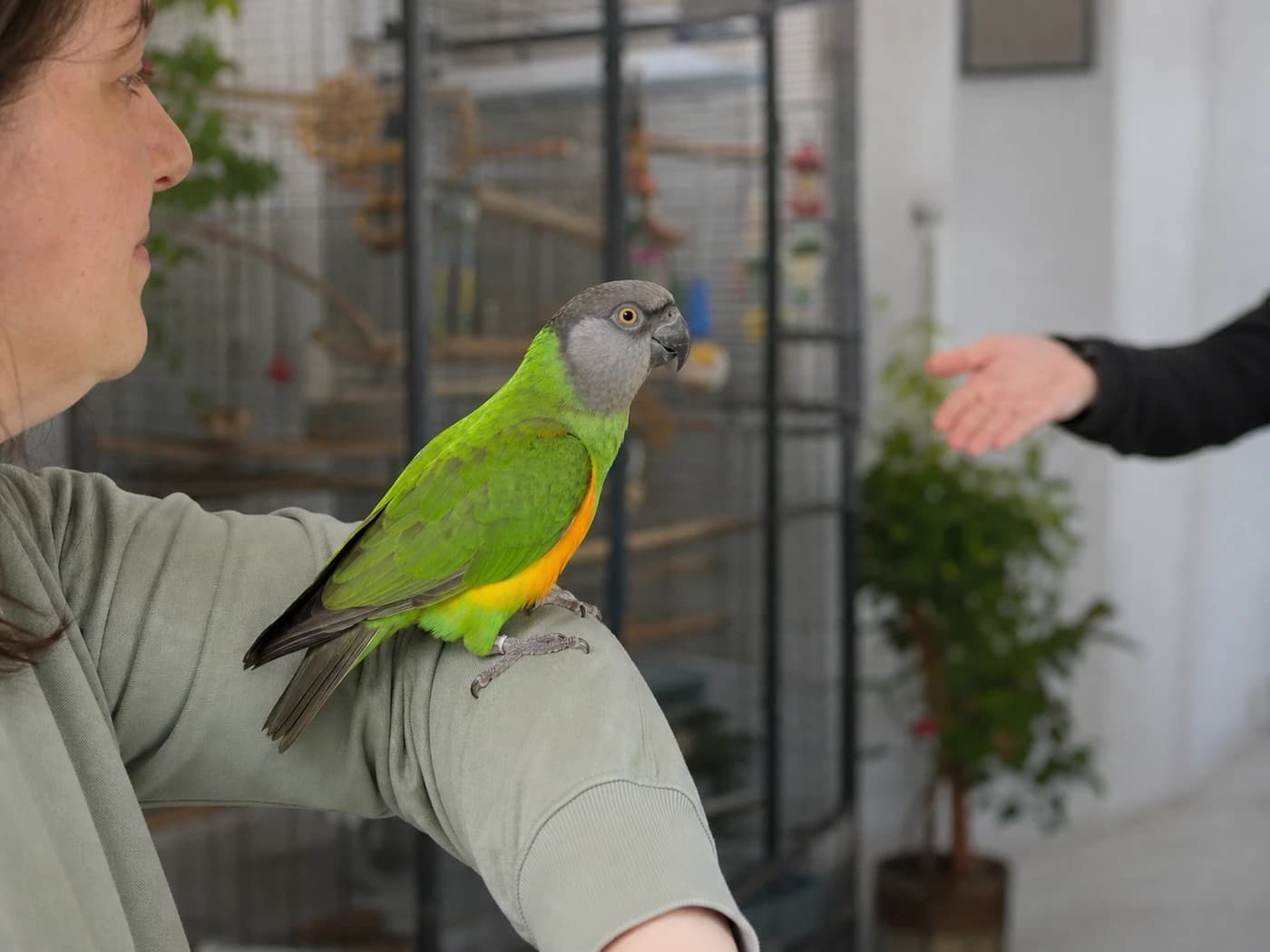
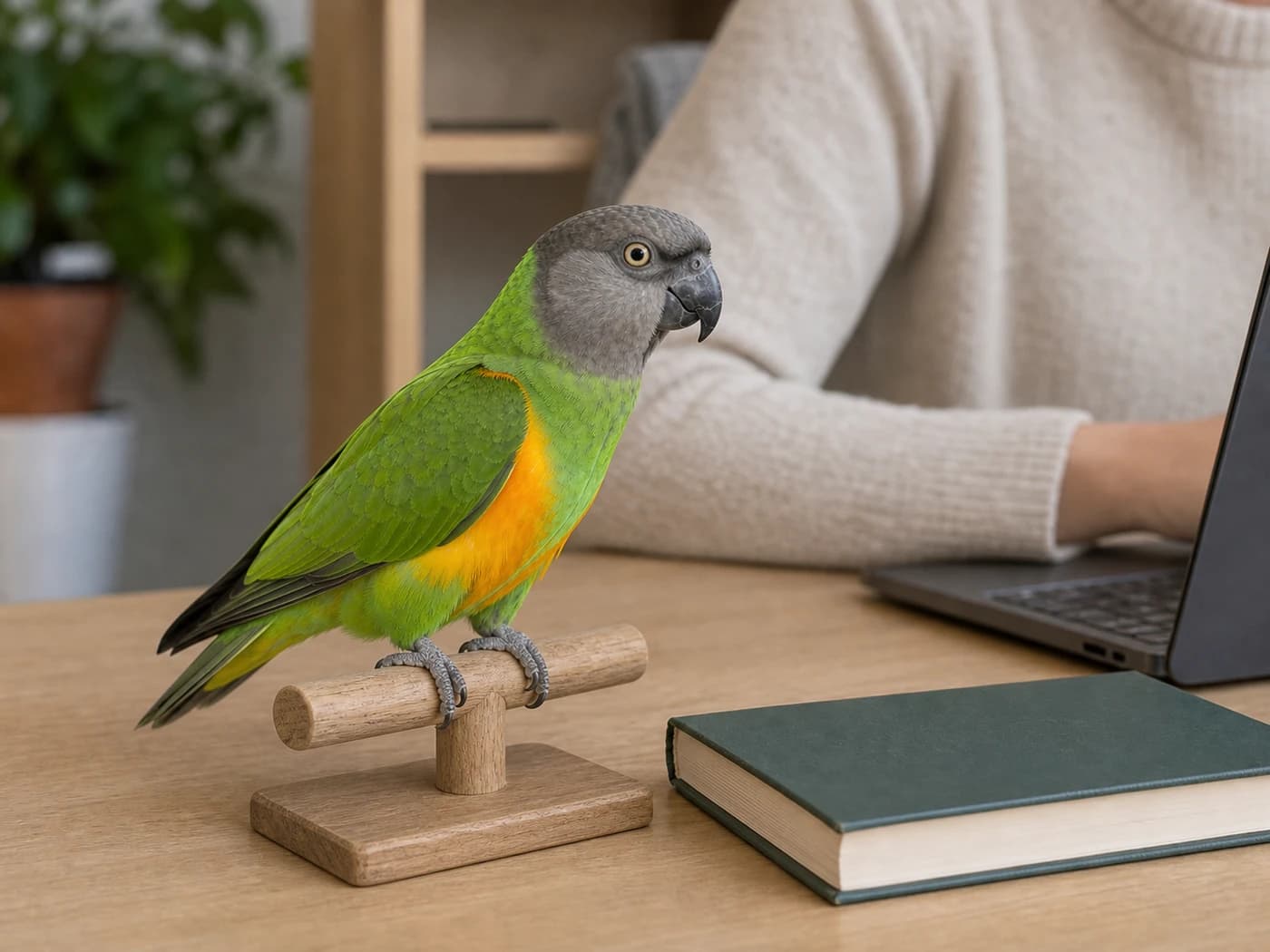
Senegal Parrot Quiet company behavior reference image

Quiet company

What you see

Quietly stays nearby or plays with toys.

Usually means

Apartment-friendly but still needs interaction.

Do not misread

Quiet does not mean neglectable.

Owner action

Use short training and foraging to keep engagement.

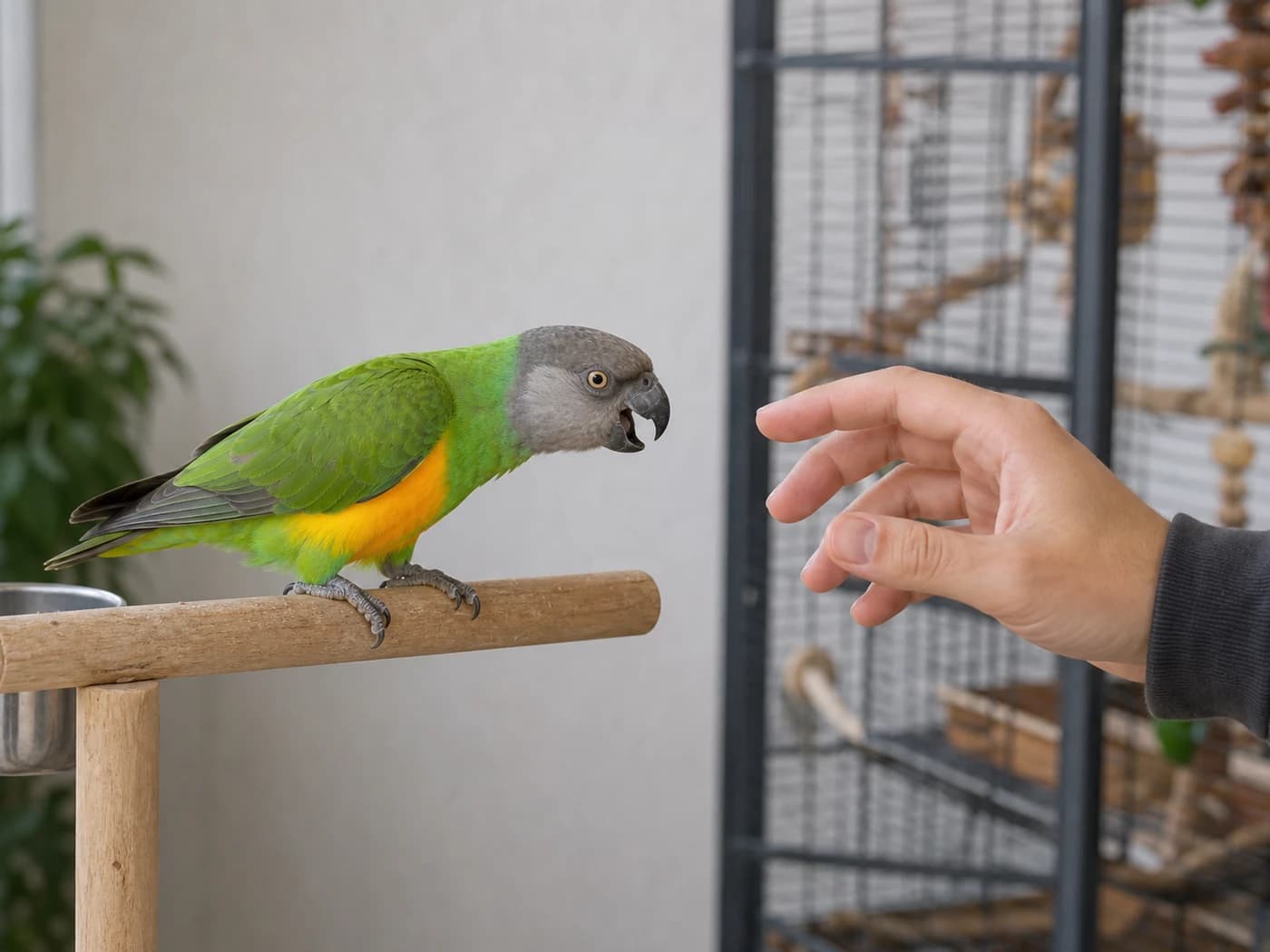
Senegal Parrot Sudden stranger bite behavior reference image

Sudden stranger bite

What you see

Bites when an unfamiliar hand approaches.

Usually means

Often boundary, territory, or person guarding.

Do not misread

Not random bad temper.

Owner action

Do not test friendliness with fingers.

Senegal Parrot Family favoritism behavior reference image

Family favoritism

What you see

Relaxed with one person, avoidant or nippy with another.

Usually means

Needs multi-person socialization.

Do not misread

Do not let the favorite person do everything.

Owner action

Share feeding, training, and cage-opening rewards.

Growth Stages

This timeline keeps the typical development from egg to adult in one place so you can compare looks, feather changes, and feeding milestones.

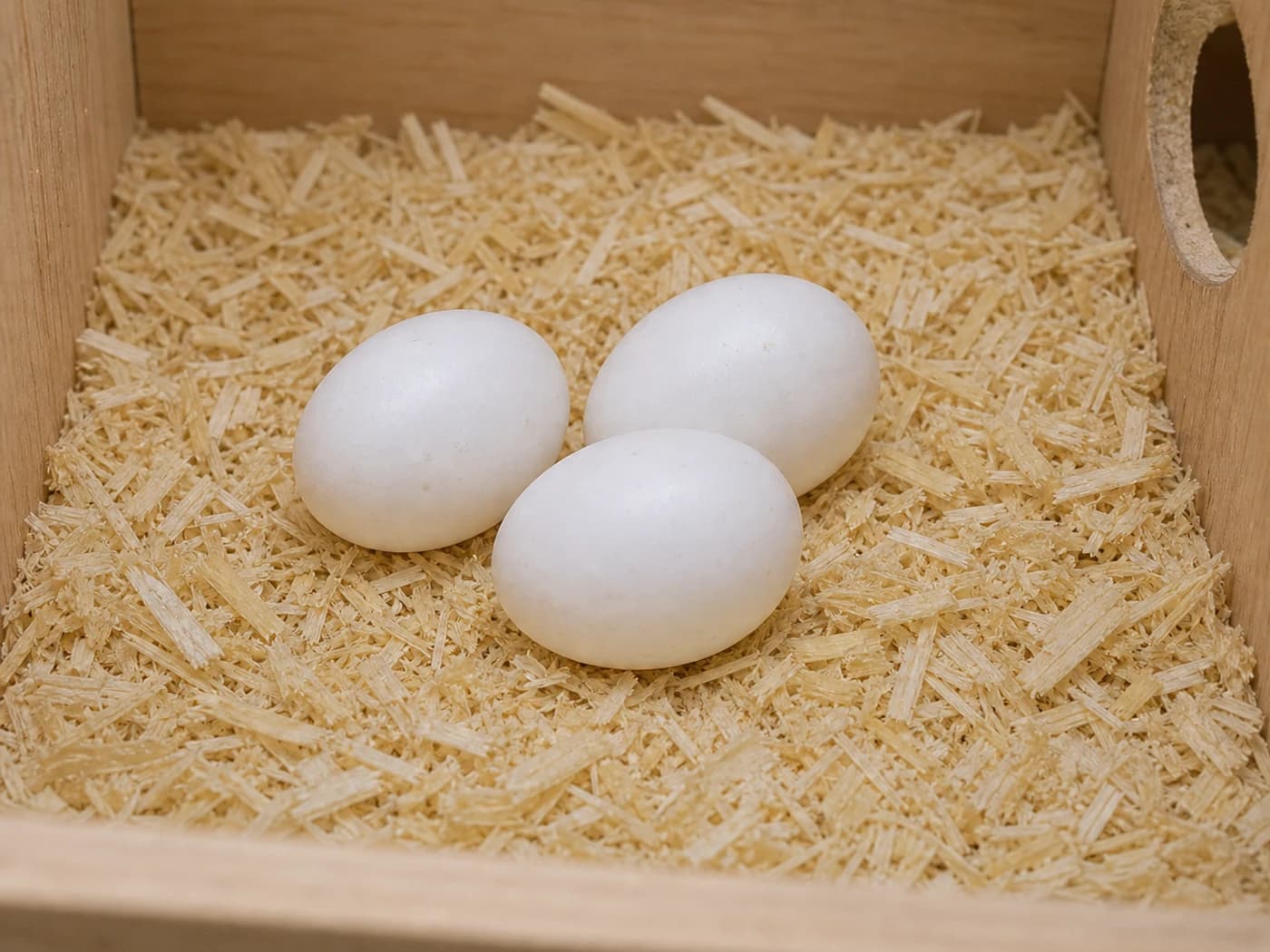
Senegal Parrot Egg growth-stage reference image

Egg

Incubation

Age range

Look

Senegal Parrot plumage is not visible yet; shell condition, parent behavior, and incubation stability matter most.

What people watch

Avoid unnecessary disturbance; focus on humidity, temperature, parent stress, and hygiene.

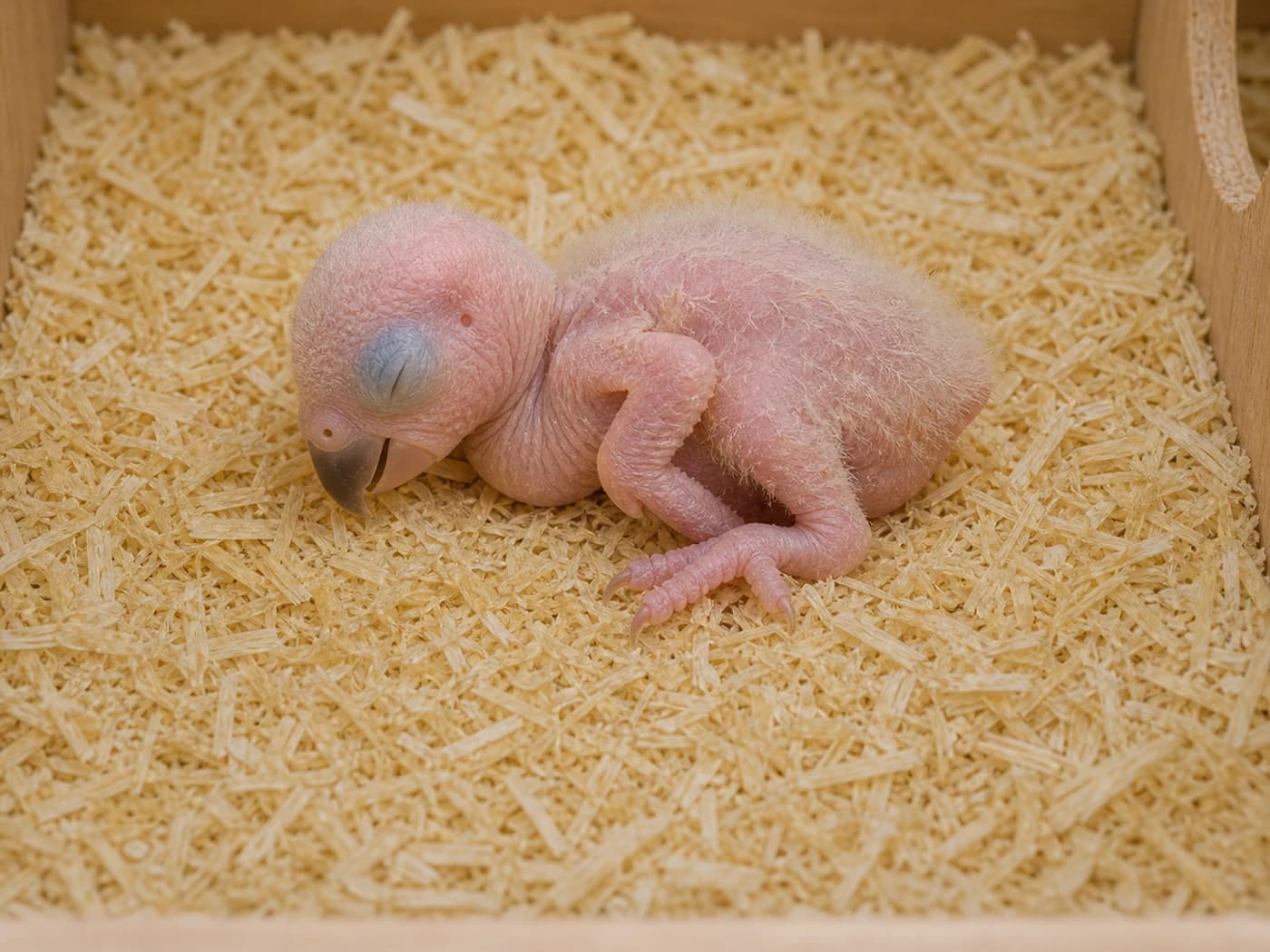
Senegal Parrot Hatchling growth-stage reference image

Hatchling

0-7 days after hatch

Age range

Look

Newly hatched Senegal Parrot chicks are delicate and mostly bare, so final color cannot be judged reliably yet.

What people watch

Watch warmth, crop filling, and feeding stability; visuals should be gentle, educational, and not graphic.

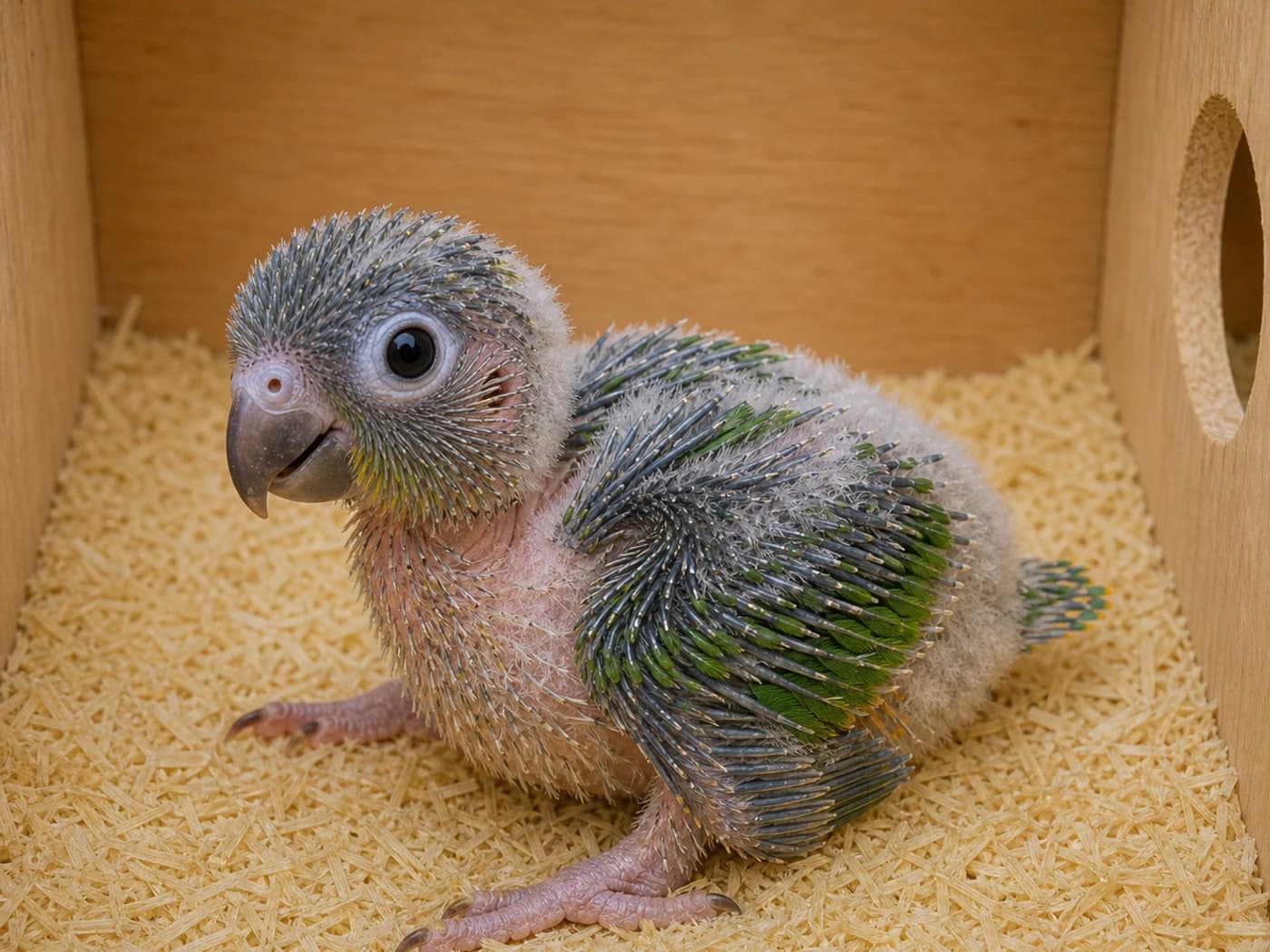
Senegal Parrot Pin feather stage growth-stage reference image

Pin feather stage

About 2-4 weeks, varying by species size

Age range

Look

Senegal Parrot chicks begin showing pin feathers, and early color direction or wing and face patterning starts to emerge.

What people watch

Do not force pin feathers open; monitor warmth, nutrition, and skin condition.

Senegal Parrot Young chick growth-stage reference image

Young chick

About 1-2 months, varying by species size

Age range

Look

Senegal Parrot now looks like a small bird, with clearer posture, plumage, eyes, and exploration behavior.

What people watch

Focus on socialization, gentle handling, safe movement, and gradual food variety.

Senegal Parrot Weaning / juvenile growth-stage reference image

Weaning / juvenile

Around weaning through juvenile molt

Age range

Look

Senegal Parrot looks closer to an adult, but coordination, bite control, and emotional regulation are still developing.

What people watch

Do not force early weaning; watch independent eating, weight stability, flight, and basic training.

Senegal Parrot Adult growth-stage reference image

Adult

After juvenile molt and maturity

Age range

Look

Senegal Parrot plumage and proportions are more stable, and long-term patterns in temperament, noise, hormones, and territory become clearer.

What people watch

Long-term care shifts toward diet, exercise, enrichment, hormone management, and annual health checks.

What to Know

Favorite-person bias can become guarding

If only one person interacts, guarding against others can grow.

Visitors need rules

Visitors should not reach in; use distance and treat tossing first.

Quieter is not low-care

Senegals are quieter, but training, foraging, and social time still matter.

Address guarding early

The more guarding is rewarded, the harder it becomes to change.

In a family home, do not let one person own all the good things

Senegals can strongly prefer one person. To reduce guarding, let multiple family members share feeding, training, cage routines, and rewards. A favorite person is fine; treating everyone else as a threat is not.

First things owners notice

Senegal Parrot usually makes its first impression through Sweet, outgoing, and playful disposition., Tendency to bond strongly with one person, potentially becoming defensive towards others., and Vocalizations often include whistles or clucks rather than screeches.. Treat that as a starting point, not a full personality profile.

When you leave the room

They form strong bonds with one person, which can lead to clinginess and potential separation anxiety if not managed. Owners need to provide meaningful interaction to build trust and confidence. They may scream for constant contact.

Hand-raised vs parent-raised

Hand-raised Senegal parrots are often more socialized to humans and can be more confident, but may be more prone to behavioral problems like separation anxiety if not properly managed. Parent-raised birds tend to be more stable and may develop fewer behavioral issues. Bonding with a parent-raised bird is possible but may differ from a hand-raised bird.

Common first mistakes

Misinterpreting biting as aggression rather than a fear or stress response. Not adequately socializing the bird to multiple people, leading to a \'one-person bird\' syndrome and defensiveness. Failing to build a strong, trusting relationship, which exacerbates fearful tendencies.

Frequently Asked Questions

Listen to Senegal Parrot Call

Hear their distinctive vocalizations

Community Photos

Be the first to share a photo!

Species Comparison

Trait
Senegal Parrot
Senegal ParrotMedium
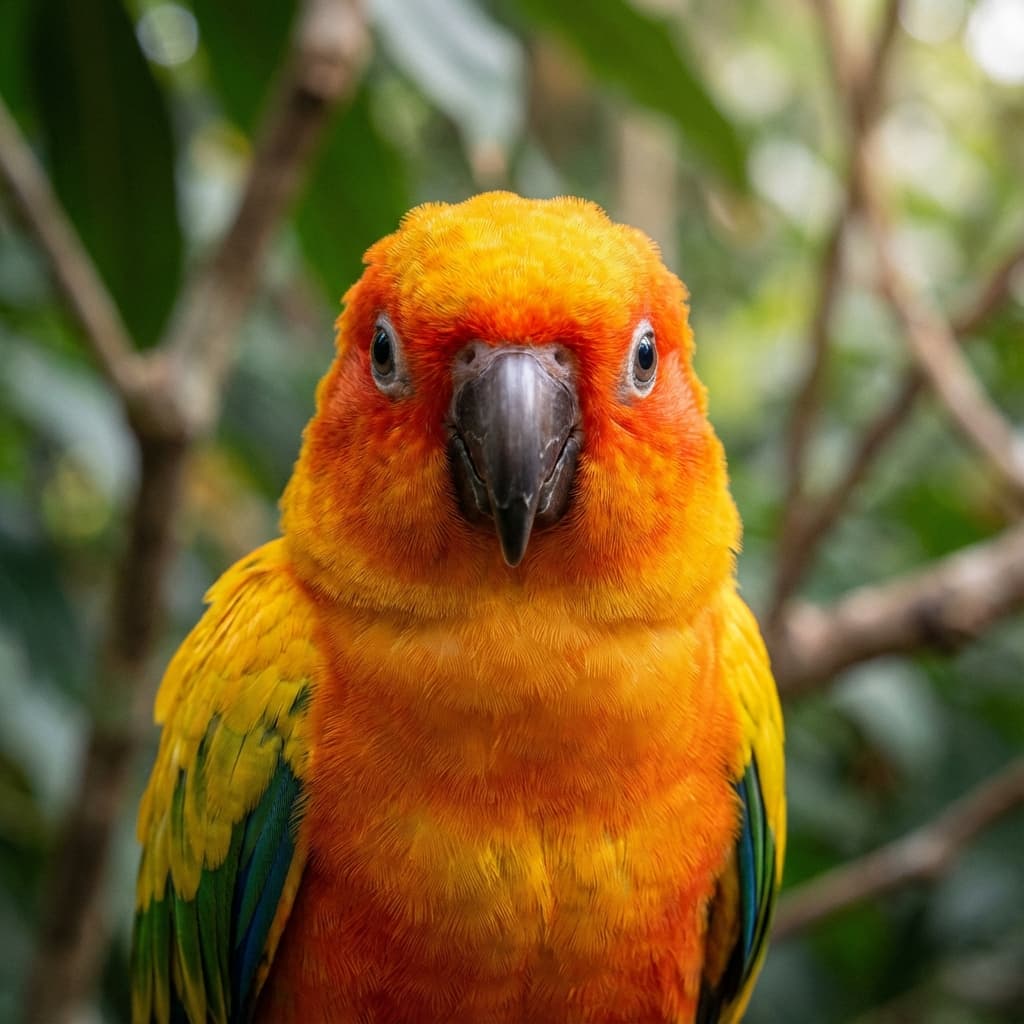
Conure
ConureMedium
Pacific Parrotlet
Pacific ParrotletSmall
Lifespan20-30 years20-30 years15-20 years
NoiseLowHighLow
TrainingModerateModerateModerate
TalkingModerate - Can learn 20-50 words with decent clarity. Voice is often described as robotic or whisper-like. Better at whistles and clicks.Limited - Can learn 10-20 words but speech is often unclear. Better at learning tricks than talking. Some species like Sun Conures rarely talk.Moderate - Can learn 10-20 words with a tiny, adorable voice. Males are better talkers. Speech is quiet and may require close listening to understand.
SizeMediumMediumSmall

Shop Senegal Parrot Products

Food, toys, cages & accessories for medium birds

Browse Products