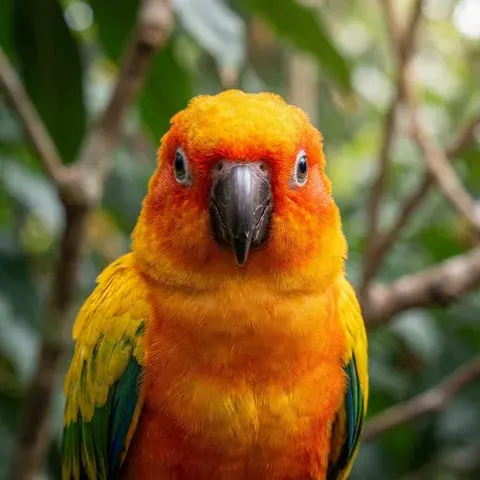
Yelling back, covering the cage, or rushing in with treats all accidentally reward screaming. Learn the 4 functional causes of parrot vocalizations and how behavioral science quiets chronic flock-calling.
In tropical canopies, loud vocalizations keep mates and flock members connected across kilometers of dense foliage. Indoors, however, chronic ear-splitting screaming strains families and neighbors alike. According to clinical avian behaviorist Liz Wilson (Veterinary Clinics of North America, 2001), every persistent vocalization serves a specific behavioral function—and the most common human reactions unintentionally train parrots to scream louder and longer.
1. The Punishment Paradox: Why Yelling "Quiet!" Rewards Screaming
When a parrot screams from another room and you rush over—whether to let it out, hand it a nut so it stops, spray water, or shout "Stop screaming!"—you have just delivered high-drama social attention on cue. To a dramatic, social flock bird, an animated human yelling across the living room looks like an exciting flock duet.
Even worse is intermittent reinforcement: ignoring 19 screams and finally caving on scream #20 teaches your bird the slot-machine rule—never give up, just scream 25 times tomorrow.
2. Four Functional Types of Parrot Screaming
| Vocalization Type | When It Happens | Correct Response |
|---|---|---|
| Natural Dawn & Dusk Flock Chorus | 10–20 minutes morning & sunset | Normal healthy biology—never try to extinguish completely; schedule play or fresh chop right before |
| Alarm / Fear Call | Sudden hawk outside window, vacuum, bright unfamiliar object | Calmly close blinds or move frightening object farther away; do not force confrontation |
| Isolation Contact Call | Owner walks out of visual line of sight | Answer BEFORE panic escalates using a soft, pleasant "replacement whistle" |
| Learned Demand Screaming | Nonstop shrieking whenever locked in cage or ignored | Zero eye contact during screams; reward the first 3 seconds of quiet or soft chatter immediately |
3. Step-by-Step Differential Reinforcement Plan (DRI)
- Pick a quiet "bridge whistle" or spoken phrase: Decide on one pleasant sound (a soft two-note whistle or "Hello!") that CAN summon your voice from the kitchen.
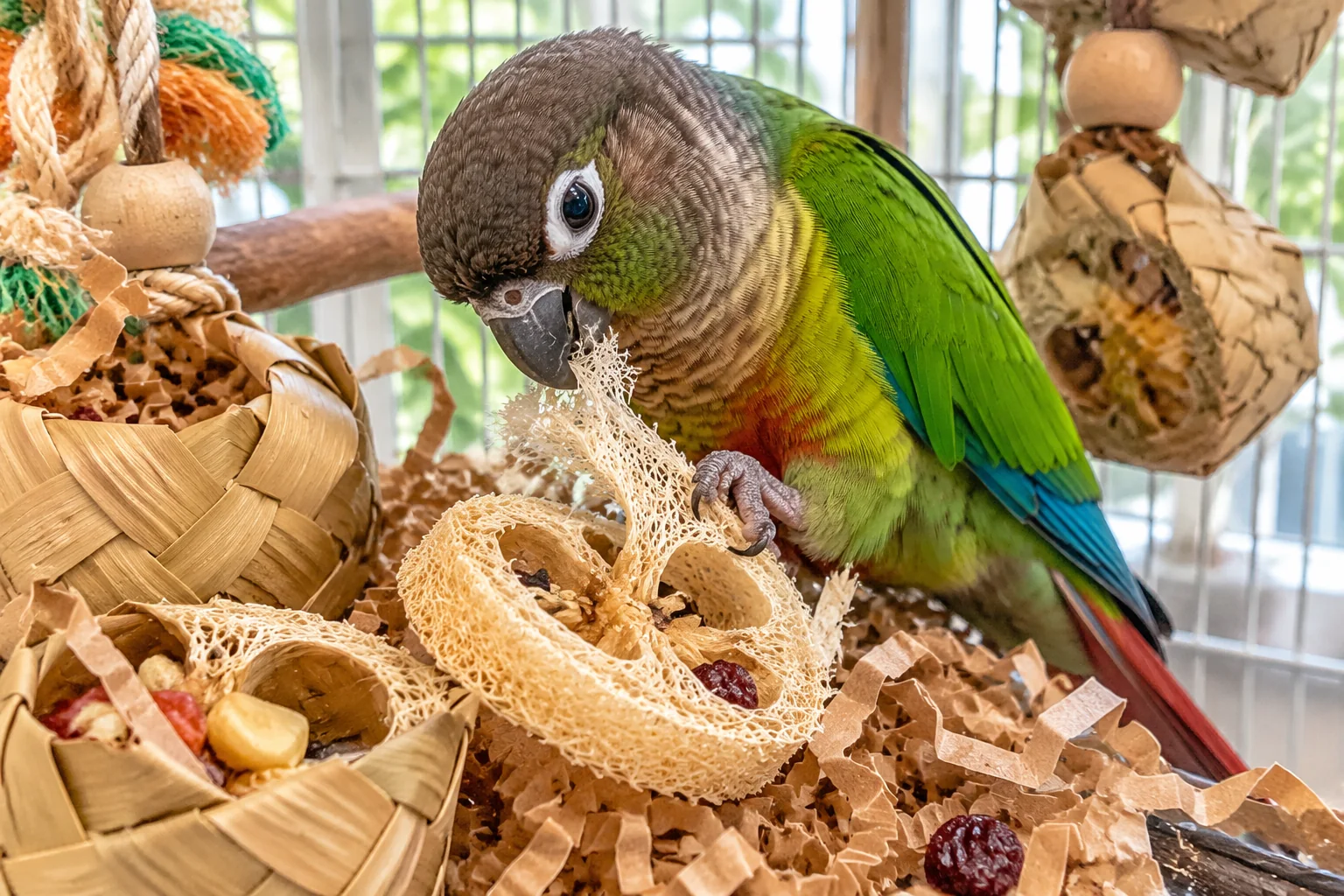
- Catch your parrot being quiet: Most owners ignore silent, independent play and only look up when screaming starts. Flip that ratio—drop a pine nut slice into the bowl whenever your bird quietly shreds foraging toys for parrots.
- Wait for a 3-second pause before entering: If screaming starts while you're out of sight, pause outside the doorway until a 3-second breath of silence occurs, whistle softly, and walk in during the quiet gap.
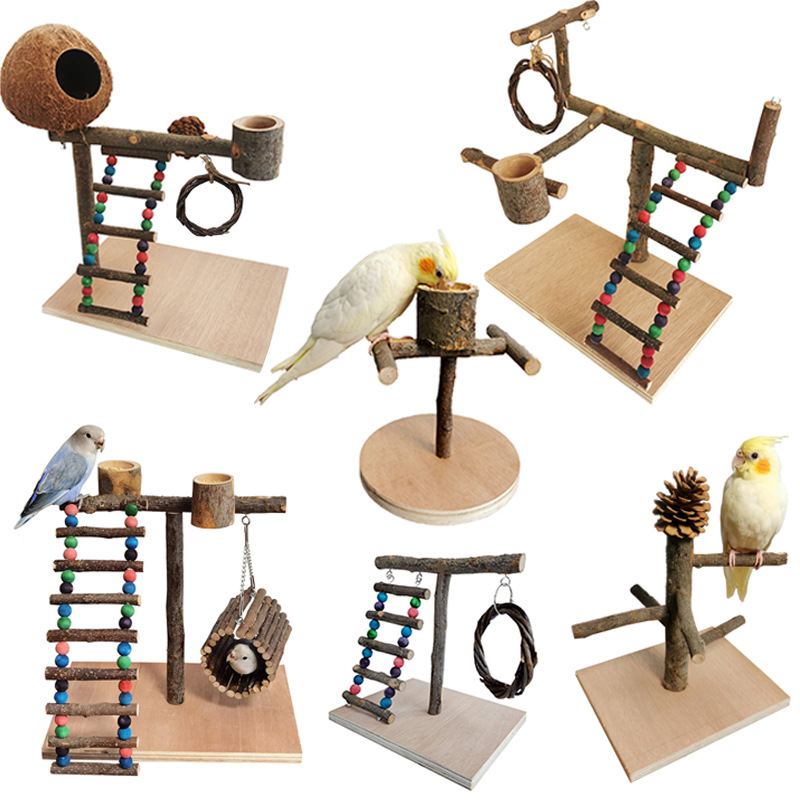
- Expand daily foraging work to 3–4 hours: Rotate loofah and corn-husk foraging packs and station your bird on a wooden tabletop training stand nearby while you work.
Frequently Asked Questions
What is an "extinction burst" when stopping parrot screaming?
During days 3–5 of consistently ignoring demand screams, vocal volume often spikes briefly as the bird tests whether screaming is truly "broken." Stay 100% consistent and frequency drops sharply afterward.
Does covering the cage during the day stop screaming?
Daytime blackout covers disrupt circadian light cycles and can trigger feather-plucking stress or hormonal cavity-seeking without teaching calm alternative behaviors.