Tracked delivery30-day returns
Evidence-Based Avian Nutrition Standard

Best African Grey Food: Pellets, Chop & Daily Diet Guide

Clinical avian medicine consistently flags African Grey Parrots for three diet-driven conditions: hypocalcemic tetany, atherosclerosis from sunflower/peanut diets, and hepatic iron storage disease (O’Connor et al., 2018). Precision nutrition is the single strongest lever for helping a Grey reach its 50+ year potential.

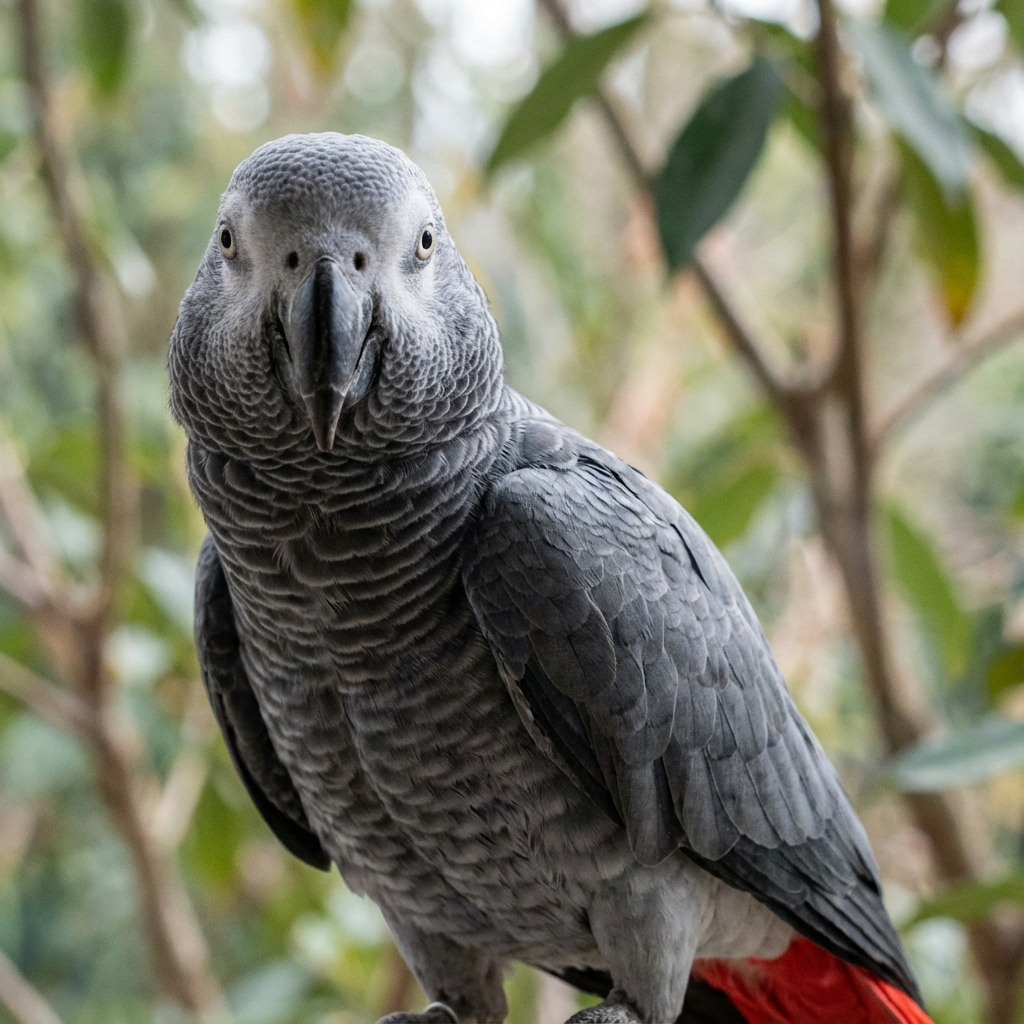
African Grey portrait

African Grey Daily Bowl Ratios At-a-Glance

Species-specific pellet, produce, and seed balance (Psittacus erithacus & Psittacus timneh)

Base Pellets

65% – 70% Calcium-Rich Pellets

Dye-free formulated staple
Fresh Chop & Greens

25% Calcium & Beta-Carotene Chop

Dark leafy & orange veggies
Seed & Nut Cap

5% – 8% Almonds/Walnuts

Reserved for foraging & training
Ideal Pellet Size

Medium / Coarse (6–8 mm)

Matched to beak leverage

Critical African Grey Nutrition Rule: African Greys are uniquely prone to adult hypocalcemia seizures and vitamin A deficiency—pair calcium-balanced pellets with dark greens and UVB light while avoiding excess iron + vitamin C combinations.

African Grey Daily Diet Breakdown Table

Exact daily food-group proportions, safe whole-food examples, and bowl hygiene rules.

Daily diet composition and feeding schedule for African Greys
Food GroupDaily TargetSafe Top ChoicesServing & Safety Rule
Formulated High-Potency / Maintenance Pellets65% – 70%Organic or dye-free medium pellets with balanced Ca:P (~2:1) and controlled iron (<100 ppm)Deliver at least half the daily pellet ration inside mechanical or destructible foraging puzzles.
Calcium & Beta-Carotene Vegetables25%Collard greens, bok choy, dandelion, steamed sweet potato, carrots, red chili peppersPrioritize low-oxalate calciferous greens over spinach so calcium remains bioavailable.
Healthy Omega-3 & Calcium Nuts5% – 8%1–2 raw unsalted almonds in shell, walnut halves, or a drop of organic red palm fruit oilReplace mold-prone in-shell peanuts completely with raw almonds and walnuts.
Bird-Safe Feeding & Foraging Setup

Essential Feeding Dishes, Foraging Toys & Nutrition for African Greys

Non-porous stainless steel hardware and foraging feeders that turn daily meals into healthy mental enrichment.

Cognitive Feeder

Interactive Acrylic Foraging Wind Wheel Feeder

Multi-chamber puzzle feeder that prevents bowl boredom and overeating.

Spec: Wipe-clean clear acrylic chambers with cage-mount hardware
  • Lets birds see high-value seeds or nuts while rotating chambers to earn them
  • Slows down rapid seed consumption and stimulates problem-solving
  • Easy to disassemble and rinse between dry meal rotations
Hygiene Essential

Clamp-On Stainless Steel Parrot Feeding Dishes

Non-porous, rust-proof bowls for separate dry pellets and wet morning chop.

Spec: Food-grade stainless steel with cage-bar bolt clamp
  • Prevents bacterial biofilm buildup common in scratched plastic bowls
  • Locks onto cage bars so strong beaks cannot flip wet produce onto floor grates
  • Dishwasher-safe for daily hot-water sanitization
Complete Catalog

Parrot Pellets, Seed Mixes & Feeding Accessories

Explore daily staple diets, sprouting mixes, and stainless feeding stations.

Spec: Curated companion parrot nutrition essentials
  • Covers small parakeets through large macaws and cockatoos
  • Supports gradual seed-to-pellet conversion routines
  • Backed by species-specific portion and chop checklists

African Grey Nutrition & Pellet Conversion Guide

Preventing Hypocalcemia & Vitamin D3 Deficiency

Unlike many South American parrots, African Greys cannot efficiently mobilize skeletal calcium when dietary calcium or vitamin D3 drops, leading to tremors, clumsiness, or seizures. Combine formulated pellets with bok choy, kale, almonds, and dedicated avian UVB exposure.

Why In-Shell Peanuts Are Unsafe for African Greys

Subterranean peanut shells frequently harbor microscopic Aspergillus flavus spores and aflatoxins—a leading cause of fatal fungal air-sacculitis (aspergillosis) in African Greys—while adding saturated fats linked to severe arterial plaque.

Controlling Iron Storage Risk (O’Connor et al., 2018)

Peer-reviewed pathology studies note susceptibility to hemosiderosis in captive Greys fed high-iron fortified rations alongside citrus fruits. Avoid pairing citrus/kiwi (high vitamin C boosts gut iron uptake) with iron-rich foods or human breakfast cereals.

Dangerous African Grey Feeding Mistakes & Toxic Foods

Universal avian toxins (avocado, chocolate, caffeine, alcohol, onion, garlic, xylitol, fruit pits) are strictly off-limits—alongside these common african grey feeding errors:

Feeding sunflower-and-peanut "large parrot" bags

African Greys selectively eat only sunflower seeds and peanuts, triggering fatal atherosclerosis and severe calcium/vitamin A deficits.

Offering dairy cheese or milk for calcium

Parrots lack lactase enzymes to digest lactose; use plant calcium (collards, almonds) and formulated pellets instead.

Serving food only in an open dish

With cognitive abilities rivaling a young child, Greys need puzzle feeders to prevent psychogenic feather plucking.

African Grey Diet Frequently Asked Questions

How many almonds or walnuts can an African Grey have per day?

Limit healthy nuts to 2–3 raw unsalted almonds or 1 whole walnut broken into small training pieces per day so rich fats do not crowd out balanced pellets and greens.

Is red palm oil good for African Greys?

Wild Greys feed heavily on oil-palm fruits rich in natural beta-carotene and vitamin E. A tiny 1/8-teaspoon drizzle mixed into warm veggie chop 2–3 times per week supports plumage and skin health without overdoing fat.

Why shouldn’t African Greys eat peanuts in the shell?

Peanut shells grow underground and commonly carry heat-stable aflatoxins and Aspergillus mold spores, which attack an African Grey’s sensitive air sacs.

Complete Your African Grey Setup