Tracked delivery30-day returns
Evidence-Based Avian Nutrition Standard

Best Cockatoo Food: Pellets, Chop & Daily Diet Guide

Emotionally intense and prone to over-bonding, captive cockatoos face two diet-linked crises: obesity/fatty tumors on nut-and-seed mixes (particularly in Galahs) and hormonal screaming/feather mutilation triggered by warm mushy comfort feedings.

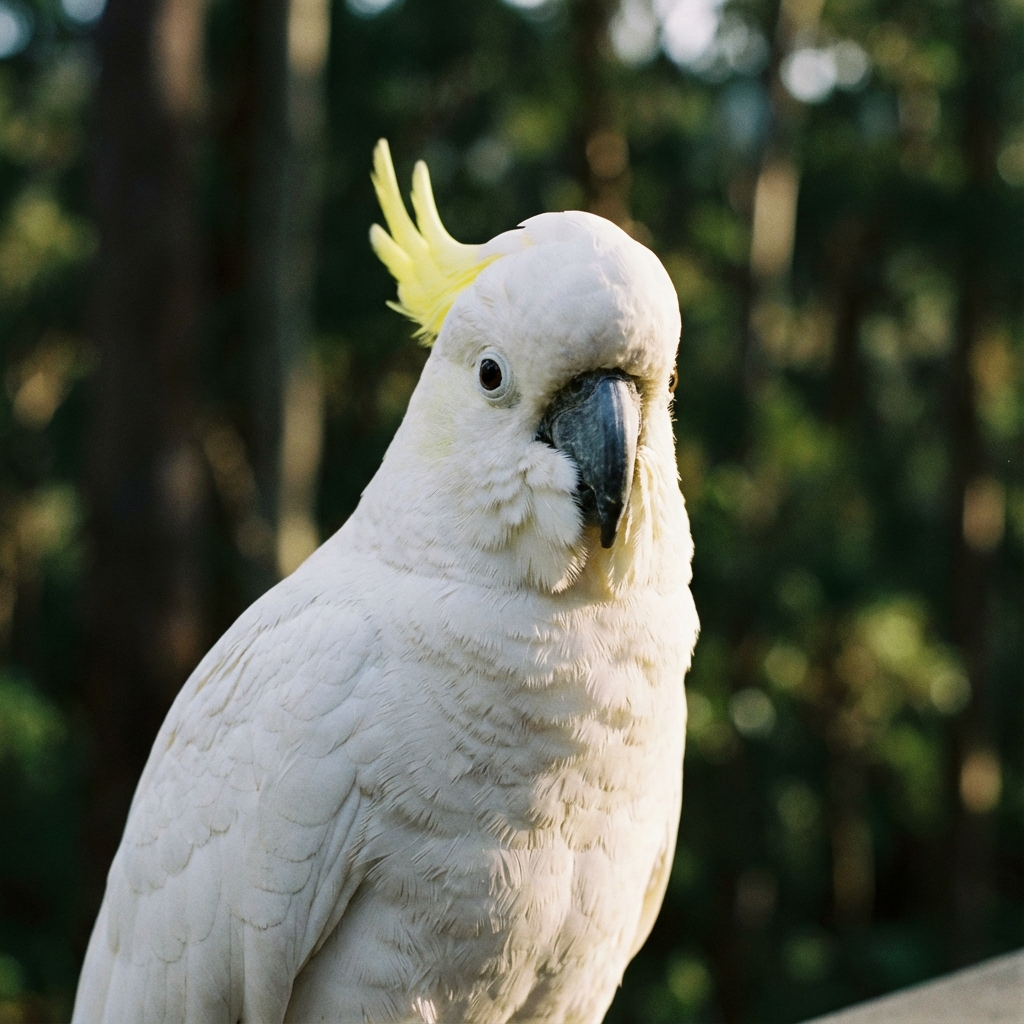
Cockatoo portrait

Cockatoo Daily Bowl Ratios At-a-Glance

Species-specific pellet, produce, and seed balance (Cacatua alba, galerita, moluccensis & Eolophus roseicapilla (Galah))

Base Pellets

65% – 70% Low-Fat Maintenance Pellets

Dye-free formulated staple
Fresh Chop & Greens

25% – 30% Fibrous Veggie Chop

Dark leafy & orange veggies
Seed & Nut Cap

≤ 5% Strict Limit

Reserved for foraging & training
Ideal Pellet Size

Medium / Large Maintenance (6–10 mm)

Matched to beak leverage

Critical Cockatoo Nutrition Rule: Cockatoos—especially Rose-Breasted (Galahs) and Sulphur-Crested—develop lipomas and atherosclerosis rapidly on high-fat nuts and seeds; enforce lean maintenance pellets + 100% foraging delivery.

Cockatoo Daily Diet Breakdown Table

Exact daily food-group proportions, safe whole-food examples, and bowl hygiene rules.

Daily diet composition and feeding schedule for Cockatoos
Food GroupDaily TargetSafe Top ChoicesServing & Safety Rule
Low-Fat Maintenance Pellets65% – 70%Uncolored low-fat adult maintenance pellets (avoid high-fat breeder/macaw formulas)Distribute across 3–4 foraging puzzles rather than a single open bowl.
High-Fiber Vegetables & Greens25% – 30%Cauliflower, broccoli stems, green beans, dandelion, zucchini, cooked chickpeas (chilled)Always serve at cool room temperature—never warm or mushy.
Training Rewards≤ 5%Puffed unsalted millet/kamut, tiny almond slivers, diced bell pepperReserve strictly for independent play-stand stationing rewards.
Bird-Safe Feeding & Foraging Setup

Essential Feeding Dishes, Foraging Toys & Nutrition for Cockatoos

Non-porous stainless steel hardware and foraging feeders that turn daily meals into healthy mental enrichment.

Cognitive Feeder

Interactive Acrylic Foraging Wind Wheel Feeder

Multi-chamber puzzle feeder that prevents bowl boredom and overeating.

Spec: Wipe-clean clear acrylic chambers with cage-mount hardware
  • Lets birds see high-value seeds or nuts while rotating chambers to earn them
  • Slows down rapid seed consumption and stimulates problem-solving
  • Easy to disassemble and rinse between dry meal rotations
Hygiene Essential

Clamp-On Stainless Steel Parrot Feeding Dishes

Non-porous, rust-proof bowls for separate dry pellets and wet morning chop.

Spec: Food-grade stainless steel with cage-bar bolt clamp
  • Prevents bacterial biofilm buildup common in scratched plastic bowls
  • Locks onto cage bars so strong beaks cannot flip wet produce onto floor grates
  • Dishwasher-safe for daily hot-water sanitization
Complete Catalog

Parrot Pellets, Seed Mixes & Feeding Accessories

Explore daily staple diets, sprouting mixes, and stainless feeding stations.

Spec: Curated companion parrot nutrition essentials
  • Covers small parakeets through large macaws and cockatoos
  • Supports gradual seed-to-pellet conversion routines
  • Backed by species-specific portion and chop checklists

Cockatoo Nutrition & Pellet Conversion Guide

Special Alert for Rose-Breasted Cockatoos (Galahs)

Wild Galahs travel huge distances foraging on low-calorie grass seeds and roots. In homes, feeding macaw-style nut mixes causes severe chest and abdominal lipomas. Keep Galahs on a strict low-fat pellet and fibrous green diet.

Why Warm Soft Foods Trigger Cockatoo Behavioral Breakdowns

Hand-spooning warm oatmeal, mashed sweet potato, or soaked pellets mimics mate courtship feeding, intensifying velcro-bird separation anxiety, cloacal prolapse, and chest plucking. Serve all chop crisp and cool.

Foraging-Only Bowl Elimination Strategy

Cockatoos possess extraordinary mechanical curiosity. Replacing open food dishes with acrylic puzzle wheels, paper-wrapped parcels, and stainless skewers channels destructive energy away from feathers.
Dangerous Cockatoo Feeding Mistakes & Toxic Foods

Universal avian toxins (avocado, chocolate, caffeine, alcohol, onion, garlic, xylitol, fruit pits) are strictly off-limits—alongside these common cockatoo feeding errors:

Feeding "Macaw & Cockatoo" nut-heavy commercial bags

Grouping macaws and cockatoos in the same high-fat nut bag is a classic retail mistake—cockatoos need far leaner fat percentages.

Hand-feeding warm mash from spoons to adult birds

Directly reinforces juvenile begging whining and mate-bond frustration.

Offering salty crackers, pasta, or buttered toast

Empty refined carbohydrates and sodium accelerate vascular plaque and kidney strain.

Cockatoo Diet Frequently Asked Questions

Can Umbrella or Moluccan Cockatoos eat walnuts and almonds?

Yes, in tiny training amounts—break 1 almond or half a walnut into 10 tiny training crumbs for the entire day rather than handing over whole nuts.

Why is my Rose-Breasted Cockatoo developing soft lumps on its chest?

Subcutaneous lipomas (fatty tumors) are classic in Galahs fed sunflower seeds, peanuts, or high-fat pellets. Schedule an avian vet exam and transition gradually to low-fat maintenance pellets and leafy veggies.

What foods help keep a cockatoo’s beak healthy?

Vitamin A-rich orange/dark-green vegetables and balanced dietary amino acids build smooth keratin, paired with untreated wood blocks for mechanical conditioning.

Complete Your Cockatoo Setup