Tracked delivery30-day returns
Evidence-Based Avian Nutrition Standard

Best Conure Food: Pellets, Chop & Daily Diet Guide

Many owners assume conures are tropical fruit-eaters and fill bowls with grapes, bananas, and apples. Yet cultivated grocery fruits contain several times the sucrose and fructose of bitter wild rainforest figs, driving blood lipid elevation, sticky wet droppings, and sugar-fueled screaming spikes.

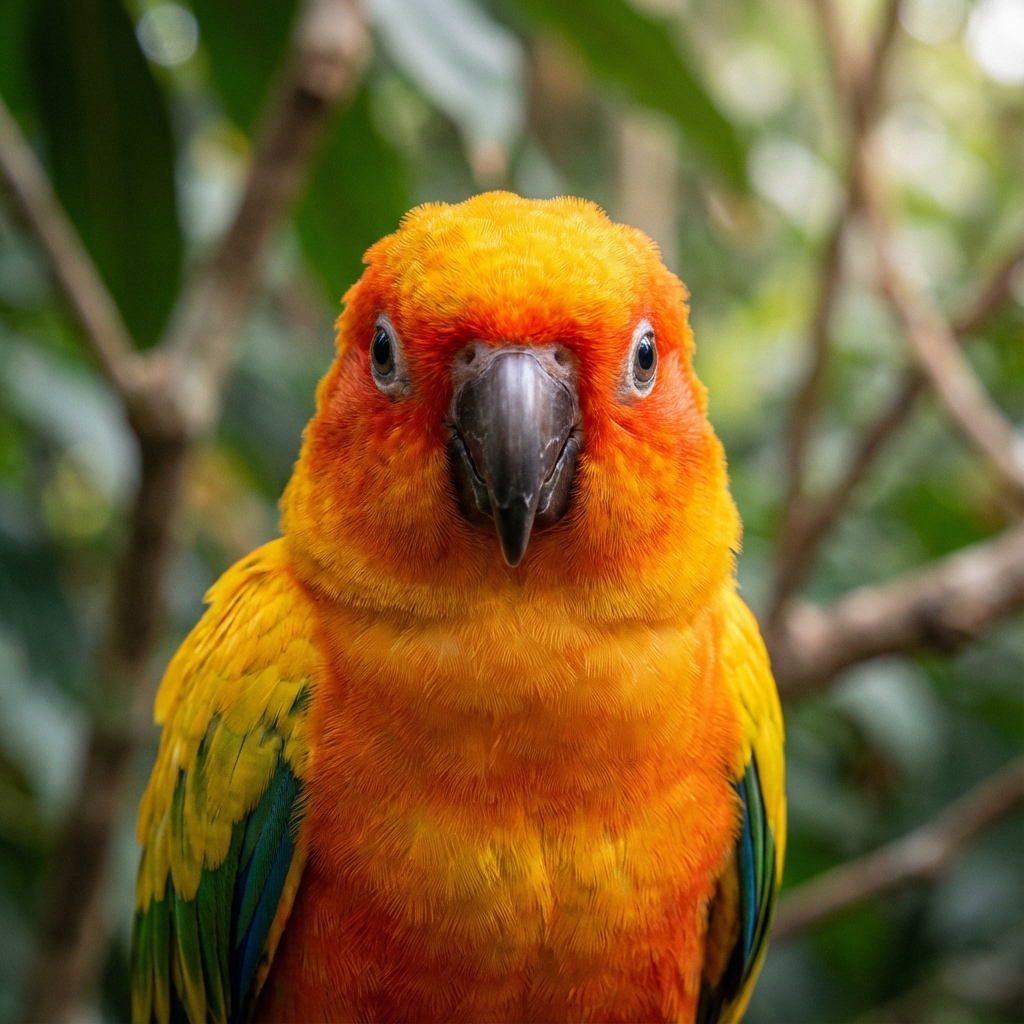
Conure portrait

Conure Daily Bowl Ratios At-a-Glance

Species-specific pellet, produce, and seed balance (Pyrrhura & Aratinga (Green Cheek, Sun & Jenday Conures))

Base Pellets

60% – 70% Small/Medium Pellets

Dye-free formulated staple
Fresh Chop & Greens

20% – 25% Savory Veggie Chop

Dark leafy & orange veggies
Seed & Nut Cap

≤ 5% Fruit + ≤ 5% Nuts/Seeds

Reserved for foraging & training
Ideal Pellet Size

Small Maintenance (3–4 mm)

Matched to beak leverage

Critical Conure Nutrition Rule: Cap sweet orchard fruits at ≤ 5%—cultivated supermarket fruit spikes plasma triglycerides in conures compared to fibrous vegetables (Béland et al., 2021).

Conure Daily Diet Breakdown Table

Exact daily food-group proportions, safe whole-food examples, and bowl hygiene rules.

Daily diet composition and feeding schedule for Conures
Food GroupDaily TargetSafe Top ChoicesServing & Safety Rule
Formulated Maintenance Pellets60% – 70%Natural dye-free small/conure pellets (non-sweetened)Serve dry in stainless dishes or wrap inside palm-leaf and paper foraging parcels.
Beta-Carotene & Vitamin K Veggie Chop20% – 25%Chili peppers, roasted squash, kale, mustard greens, broccoli, snap peasDark leafy greens supply vitamin K1—critical for conures prone to Conure Bleeding Syndrome.
Low-Glycemic Berries≤ 5%Blackberries, raspberries, cranberries, pomegranate seedsChoose tart berries over sugary grapes, mango, or banana.
Training Nuts & Seeds≤ 5%Slivered almond, walnut crumb, safflower/hemp seedHand-feed exclusively during target, step-up, and harness desensitization sessions.
Bird-Safe Feeding & Foraging Setup

Essential Feeding Dishes, Foraging Toys & Nutrition for Conures

Non-porous stainless steel hardware and foraging feeders that turn daily meals into healthy mental enrichment.

Hygiene Essential

Clamp-On Stainless Steel Parrot Feeding Dishes

Non-porous, rust-proof bowls for separate dry pellets and wet morning chop.

Spec: Food-grade stainless steel with cage-bar bolt clamp
  • Prevents bacterial biofilm buildup common in scratched plastic bowls
  • Locks onto cage bars so strong beaks cannot flip wet produce onto floor grates
  • Dishwasher-safe for daily hot-water sanitization
Natural Foraging

Natural Loofah & Corn Husk Foraging Pack

Turn daily dry pellets and seed rewards into active beak work.

Spec: Untreated dried loofah slices, corn husk, and bird-safe fibers
  • Extends feeding time from 15 minutes to hours of healthy foraging
  • Ideal for hiding micro-pellets or training millet during diet conversion
  • Zero synthetic dyes, glues, or zinc hardware
Cognitive Feeder

Interactive Acrylic Foraging Wind Wheel Feeder

Multi-chamber puzzle feeder that prevents bowl boredom and overeating.

Spec: Wipe-clean clear acrylic chambers with cage-mount hardware
  • Lets birds see high-value seeds or nuts while rotating chambers to earn them
  • Slows down rapid seed consumption and stimulates problem-solving
  • Easy to disassemble and rinse between dry meal rotations

Conure Nutrition & Pellet Conversion Guide

Why Cultivated Fruit Is Not Equivalent to Wild Conure Diets

In a controlled trial on green-cheeked conures (Béland et al., 2021), fruit-heavy rations reduced overall nutrient density and altered lipid profiles without improving body condition. Replace sweet orchard fruits with vibrant orange/red vegetables (chili peppers, butternut squash, bell peppers) that birds love just as much.

Vitamin K1 & Calcium Protection Against Conure Bleeding Syndrome

Pyrrhura conures (especially Green Cheeks and Maroon-bellied conures) are susceptible to spontaneous coagulopathies linked to vitamin K and calcium deficits on seed-only diets. Daily formulated pellets plus dark cruciferous greens (kale, dandelion, broccoli) keep clotting factors robust.

Preventing "Soup Maker" Bacterial Growth

Conures famously dunk dry pellets into their water bowl ("making pellet soup"). Within two hours at room temperature, dunked pellet water grows heavy bacterial counts—mount food and water bowls at opposite ends of the cage and refresh water twice daily.

Dangerous Conure Feeding Mistakes & Toxic Foods

Universal avian toxins (avocado, chocolate, caffeine, alcohol, onion, garlic, xylitol, fruit pits) are strictly off-limits—alongside these common conure feeding errors:

Leaving pellet-dunked water bowls uncleaned all day

Dissolved carbohydrate mash in drinking water breeds Gram-negative bacteria and yeast within hours.

Feeding fruit-shaped sugary colored pellets

Sweetened rainbow pellets train conures to reject savory vegetables and stain cage walls and droppings with artificial dyes.

Sharing coffee, tea, chocolate, or avocado toast

Curious conures dive straight onto human plates; avocado persin and methylxanthines are rapidly lethal.

Conure Diet Frequently Asked Questions

Can conures eat spicy chili peppers?

Yes! Parrots lack capsaicin pain receptors, so jalapeños, Thai chilies, and cayenne peppers taste mildly tangy to conures while delivering rich vitamin A precursors.

Why does my green-cheek conure dip every pellet in water?

Pellet dunking is normal natural softening behavior. Simply place the water dish farther from the food cup to reduce mess and change the water morning and evening.

How much food does a conure eat daily?

A Green Cheek Conure (65–80g) eats roughly 2 tablespoons of pellets plus 1.5 tablespoons of chop daily; larger Sun Conures (110–130g) eat about 2.5–3 tablespoons of pellets plus 2 tablespoons of chop.

Complete Your Conure Setup