Tracked delivery30-day returns
Evidence-Based Avian Nutrition Standard

Best Senegal Parrot Food: Pellets, Chop & Daily Diet Guide

Stocky, muscular Senegal Parrots possess oversized beaks for their compact 125–155g bodies. On sunflower-and-peanut mixes, Senegals quickly develop dull bronzed green feathers, chronic sinus infections from low vitamin A, and fungal air-sac disease.

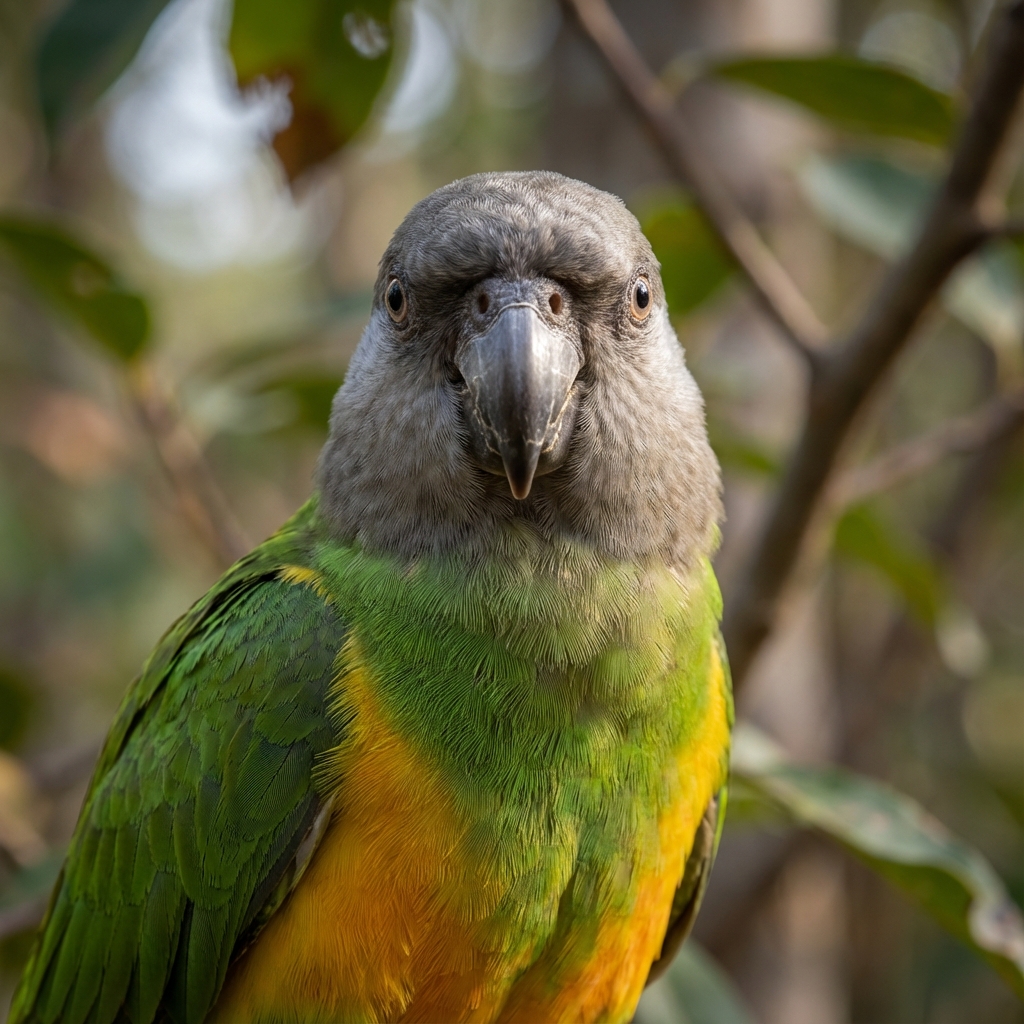
Senegal Parrot portrait

Senegal Parrot Daily Bowl Ratios At-a-Glance

Species-specific pellet, produce, and seed balance (Poicephalus senegalus)

Base Pellets

65% – 70% Medium Pellets

Dye-free formulated staple
Fresh Chop & Greens

25% Dark Greens & Savory Chop

Dark leafy & orange veggies
Seed & Nut Cap

5% – 8% Safe Tree Nuts/Seeds

Reserved for foraging & training
Ideal Pellet Size

Small / Medium (4–6 mm)

Matched to beak leverage

Critical Senegal Parrot Nutrition Rule: Ban all in-shell peanuts—like African Greys, Poicephalus parrots are African species highly vulnerable to Aspergillus fungal spores and vitamin A/calcium deficits.

Senegal Parrot Daily Diet Breakdown Table

Exact daily food-group proportions, safe whole-food examples, and bowl hygiene rules.

Daily diet composition and feeding schedule for Senegal Parrots
Food GroupDaily TargetSafe Top ChoicesServing & Safety Rule
Formulated Maintenance Pellets65% – 70%Natural dye-free medium maintenance pelletsServe half in stainless bowls and half inside chewable wood/loofah foraging toys.
Calcium & Vitamin A Veggie Chop25%Kale, collard greens, carrots, butternut squash, green beans, hot peppersSupports glossy emerald back feathers and bright yellow/orange vest pigmentation.
Peanut-Free Nuts & Fig/Berry Treats5% – 8%Almond slivers, pumpkin seeds, tiny bit of fresh fig or berryDeliver exclusively during step-up and anti-one-person-aggression socialization.
Bird-Safe Feeding & Foraging Setup

Essential Feeding Dishes, Foraging Toys & Nutrition for Senegal Parrots

Non-porous stainless steel hardware and foraging feeders that turn daily meals into healthy mental enrichment.

Hygiene Essential

Clamp-On Stainless Steel Parrot Feeding Dishes

Non-porous, rust-proof bowls for separate dry pellets and wet morning chop.

Spec: Food-grade stainless steel with cage-bar bolt clamp
  • Prevents bacterial biofilm buildup common in scratched plastic bowls
  • Locks onto cage bars so strong beaks cannot flip wet produce onto floor grates
  • Dishwasher-safe for daily hot-water sanitization
Cognitive Feeder

Interactive Acrylic Foraging Wind Wheel Feeder

Multi-chamber puzzle feeder that prevents bowl boredom and overeating.

Spec: Wipe-clean clear acrylic chambers with cage-mount hardware
  • Lets birds see high-value seeds or nuts while rotating chambers to earn them
  • Slows down rapid seed consumption and stimulates problem-solving
  • Easy to disassemble and rinse between dry meal rotations
Natural Foraging

Natural Loofah & Corn Husk Foraging Pack

Turn daily dry pellets and seed rewards into active beak work.

Spec: Untreated dried loofah slices, corn husk, and bird-safe fibers
  • Extends feeding time from 15 minutes to hours of healthy foraging
  • Ideal for hiding micro-pellets or training millet during diet conversion
  • Zero synthetic dyes, glues, or zinc hardware

Senegal Parrot Nutrition & Pellet Conversion Guide

Calcium & UVB Synergy in African Poicephalus Parrots

Just like their larger African Grey cousins, Senegal, Meyer’s, and Red-Bellied parrots require dependable dietary calcium and vitamin D3. Pair quality pellets with low-oxalate dark greens (bok choy, dandelion, mustard greens) and safe UVB lighting.

Replacing Mold-Risk Peanuts With Almonds & Pumpkin Seeds

Retail "African parrot" mixes often include whole peanuts in shells—a major vector for Aspergillus mold spores. Swap peanuts out completely for clean raw almond pieces and hulled pepitas (pumpkin seeds).

Using High-Value Treats to Prevent One-Person Territoriality

Senegals famously bond intensely to one human and nip other family members. Reserve every favorite nut sliver so non-preferred household members drop rewards into a special treat cup whenever walking past the cage.

Dangerous Senegal Parrot Feeding Mistakes & Toxic Foods

Universal avian toxins (avocado, chocolate, caffeine, alcohol, onion, garlic, xylitol, fruit pits) are strictly off-limits—alongside these common senegal parrot feeding errors:

Feeding in-shell or bulk-bin peanuts

Carries high risk of aflatoxin liver damage and fatal respiratory aspergillosis in African parrots.

Ignoring dull brown/black feather edges ("bronzing")

Widespread feather bronzing and stress bars often point to amino-acid/vitamin A malnutrition or underlying liver strain alongside mechanical wear.

Free-feeding safflower and sunflower seeds

Senegals will pick out oilseeds and ignore every vegetable in the bowl.

Senegal Parrot Diet Frequently Asked Questions

How much food does a Senegal parrot need per day?

An adult Senegal parrot (125–155g) typically eats 2.5 to 3 tablespoons of medium pellets plus 2 tablespoons of fresh vegetable chop daily.

Why are my Senegal parrot’s green feathers turning muddy brown?

While slight wear before a molt is normal, heavy black/brown feather bronzing warrants checking for seed-diet malnutrition (vitamin A / amino acid deficits), liver health, and over-preening from dry air.

What are safe treats for training a Senegal parrot?

Tiny pieces of raw almond, hulled pumpkin seed, pine nuts, or a small piece of chili pepper motivate Senegals without adding peanut mold risk.

Complete Your Senegal Parrot Setup