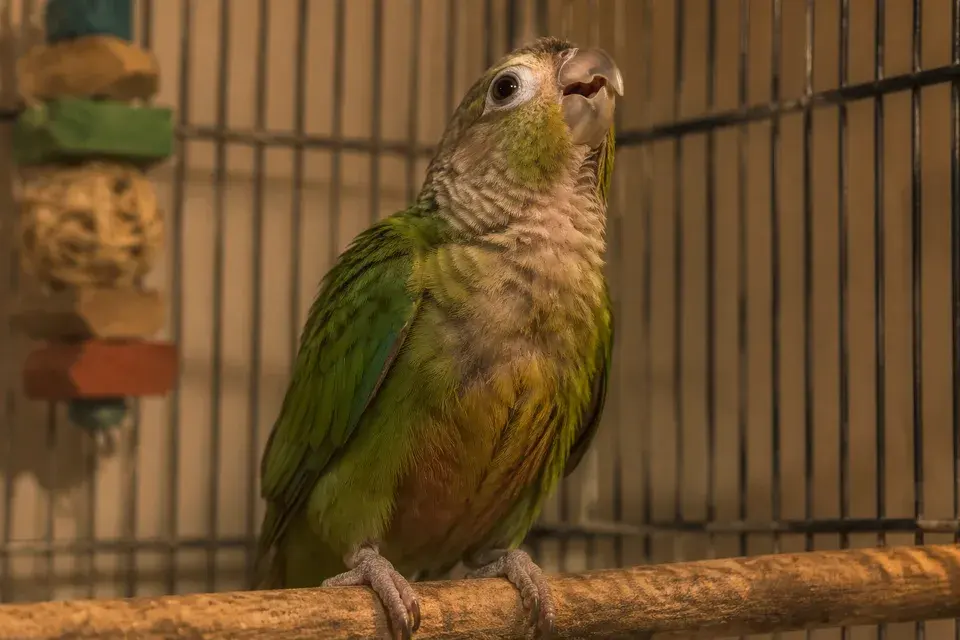
Hearing soft nighttime clicking, lip-smacking, or dry-heaving motions with zero runny nose? Learn how Sternostoma tracheacolum air sac mites differ from bacterial pneumonia in finches, canaries, and budgies.
When a small bird starts making faint clicking, lip-smacking, or stuffy-nose popping sounds that grow noticeably louder after lights-out, experienced avian keepers immediately check for two possibilities: lower bacterial/fungal respiratory infection or air sac mites in birds (Sternostoma tracheacolum). Knowing the classic clinical differences prevents weeks of ineffective antibiotic courses—and prevents toxic overdoses of antiparasitic drops.
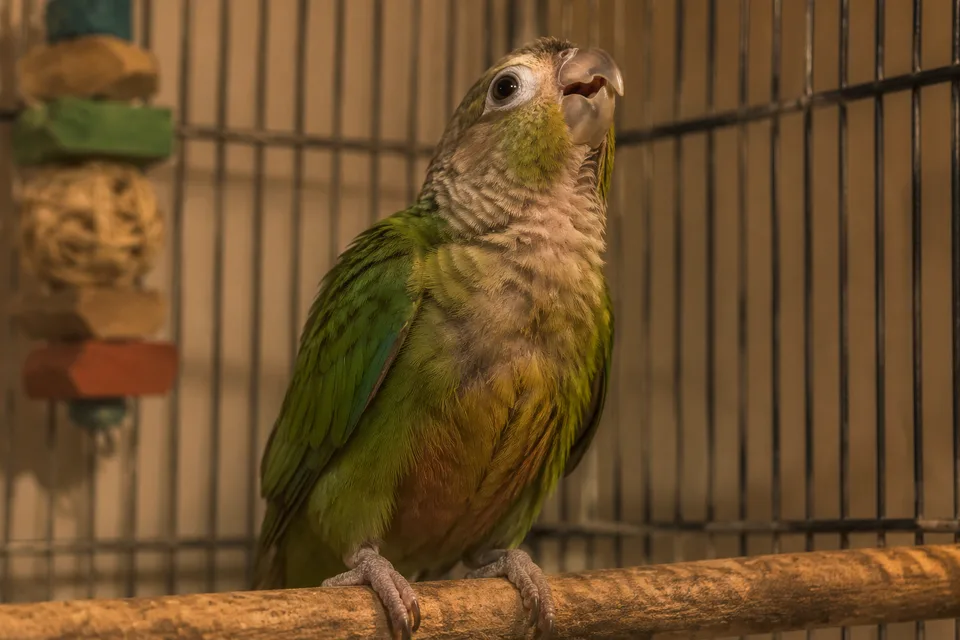
1. Which Birds Actually Get Air Sac Mites—and How They Spread
Sternostoma tracheacolum is an internal mite that colonizes the trachea, syrinx (voice box), bronchi, and air sacs. While rampant in Gouldian finches and canaries, it also infects budgerigars, cockatiels, and lovebirds—especially birds housed near finches or acquired from high-density multi-species aviaries without proper 30-day quarantine.
Mites spread directly through courtship regurgitation, parent-to-chick feeding, and shared open water dishes contaminated by coughed-up nymphs.
2. Air Sac Mites vs Bacterial Pneumonia vs Seed Husk Irritation
| Feature | Air Sac Mites (Sternostoma) | Bacterial / Chlamydial Infection | Trapped Millet Husk |
|---|---|---|---|
| Time-of-Day Pattern | Markedly worse in quiet dark nights | Constant day and night | Sudden onset right after eating |
| Characteristic Sound | Dry clicking, lip-smacking, squeaky voice loss, dry gagging | Wet rales, sneezing, plugged or crusty yellow nostrils | Repeated sharp head-shaking cough |
| Response to Antibiotics | Zero improvement on antibiotics alone | Improves with targeted doxycycline/enrofloxacin + warmth | Clears once husk is dislodged |
3. Safe Veterinary Diagnosis & Multi-Cycle Treatment Rules
- Tracheal transillumination check: In thin-skinned small birds, an avian vet wets and parts the neck feathers in a darkened room, shining a cool focal transilluminator across the windpipe to spot tiny dark pinpoints moving inside the lumen.
- Precision weight-based ivermectin or moxidectin: Because budgies weigh only 30–40 grams, undiluted cattle ivermectin can cause fatal neurotoxicity. Avian vets dilute topical or oral antiparasitics precisely by gram weight and repeat across 10- to 14-day intervals (typically 2–3 cycles) to catch newly hatched mite eggs.
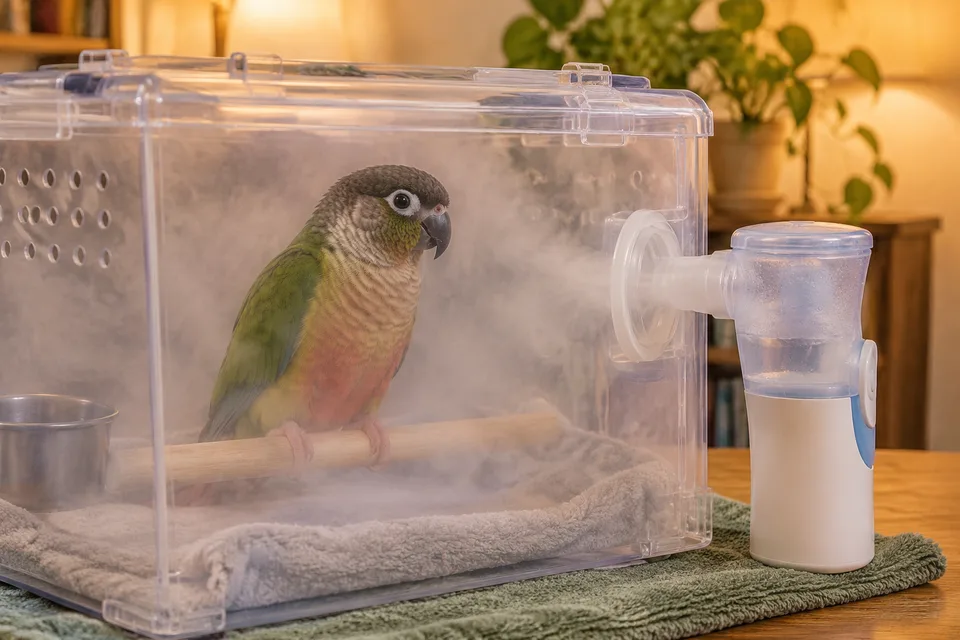
- Watch for die-off airway inflammation: In heavy infestations, killing hundreds of tracheal mites all at once leaves tiny dead bodies irritating the airway! Keep recovering birds in a 30–32°C warm recovery cage and use gentle saline nebulization if advised by your vet to soothe airway mucosa.
- Switch open water bowls to clean tube drinkers temporarily: Changing drinking water twice daily breaks reinfection across flockmates.
Unsure whether your bird's clicking sound points to mites or respiratory infection? Run our Avian Symptom Checker and review Bird Breathing Heavy & Tail Bobbing Triage.
Frequently Asked Questions
Can humans or dogs catch air sac mites from a pet bird?
No—Sternostoma tracheacolum is strictly avian-specific and cannot infest mammals, though it spreads readily to other cage birds.
Do cage mite sprays sold in pet stores cure air sac mites?
Never spray pyrethrin/permethrin lice sprays toward a bird with respiratory distress; external feather sprays do not clear internal air-sac mites and irritate fragile lungs.