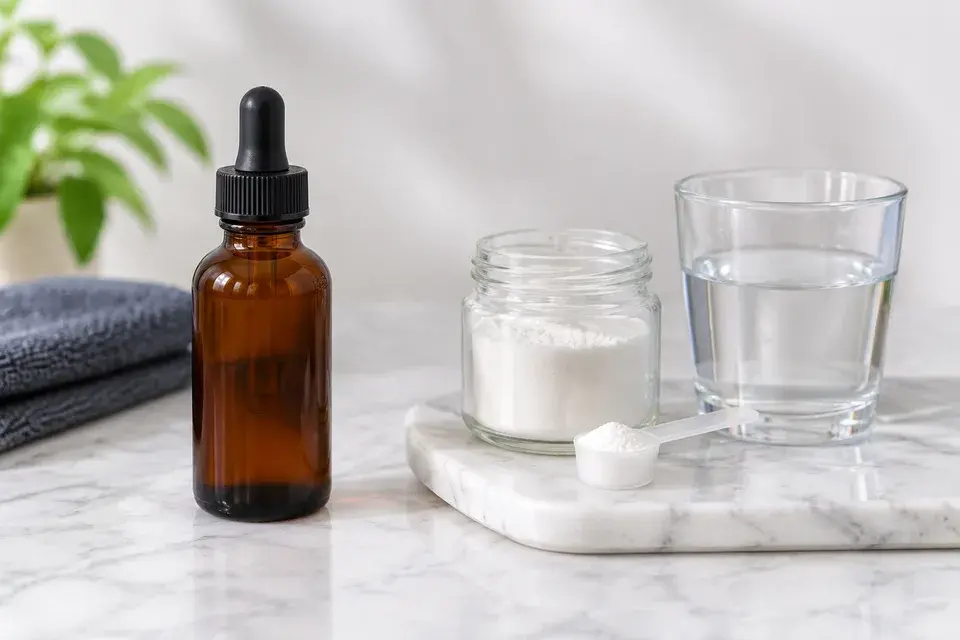
Most owners kill bird probiotics before the bird even takes a sip—by using hot formula water or mixing them straight with antibiotics. Learn exact temperature limits, timing rules, and safe usage.
Stress, diet shifts, weaning, and prescription antibiotics all disrupt the delicate bacterial balance inside a parrot's crop and intestinal tract. While bird probiotics are among the safest supportive supplements in avian care, three common mistakes render them completely useless—or worse, allow secondary yeast infections to flare.
1. The #1 Mistake: Mixing Probiotics Into Hot Water or Hot Formula
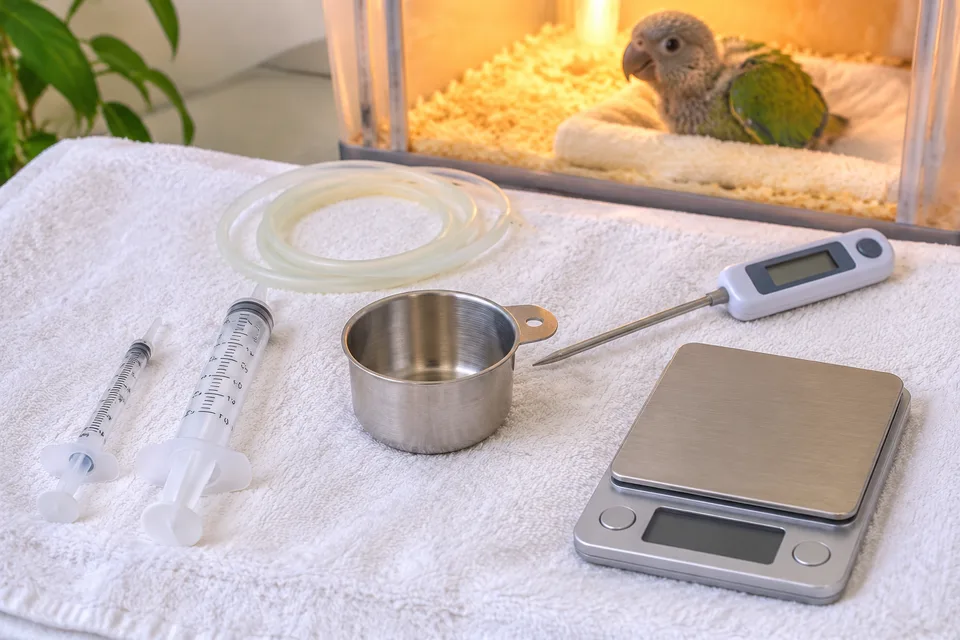
Beneficial avian bacteria (such as avian-adapted Lactobacillus and Enterococcus strains) are living microorganisms. Hand-feeding formula is typically mixed with 50–60°C hot water first and then cooled to 38–40°C for feeding. If you sprinkle probiotics into the hot mixing cup early, heat kills the live cultures instantly.
- Always mix probiotics below 40°C (104°F): Wait until formula cools to feeding temperature, or stir into cool/room-temperature drinking water.
- Refresh water mixtures every 4–6 hours: Warm room temperatures turn probiotic water cloudy and encourage unwanted bacterial growth if left all day.
2. How to Space Probiotics Around Antibiotics
Broad-spectrum antibiotics prescribed for respiratory infections or bacterial enteritis do not distinguish helpful gut bacteria from pathogens. Giving probiotics at the exact same moment as an oral antibiotic wastes the dose because the antibiotic kills the probiotic bacteria immediately.
| Scenario | Recommended Timing Rule | Why It Matters |
|---|---|---|
| During oral antibiotic course | Give probiotics 2–3 hours after (or before) the antibiotic dose | Prevents antibiotic deactivation while replenishing gut flora between doses |
| Post-antibiotic recovery | Continue daily for 5–7 days after finishing prescriptions | Helps crowd out opportunistic Candida yeast |
| New bird arrival / travel stress | Offer for 3–5 days alongside quiet warmth | Buffers stress-induced watery droppings |
3. Choose Avian-Specific Formulas—Not Human Dairy Yogurt
Birds lack lactase enzymes and cannot digest cow's milk dairy. Human yogurt or kefir frequently triggers diarrhea rather than helping. Choose dry, shelf-stable avian-formulated probiotics (or veterinarian-approved avian digestive blends) designed specifically for psittacine gut pH.
4. When Probiotics Are NOT Enough (Red Flags)
Probiotics support normal flora; they do not cure active bacterial infection, sour crop yeast, or parasites. Seek avian veterinary diagnostics immediately if you observe:
- Sour-smelling regurgitation, slow crop emptying, or thick mucus inside the crop (review sour crop signs).
- Lime-green urates, dark tarry droppings, or undigested seeds in poop (check our droppings color chart).
- Lethargy, fluffed feathers, or heavy breathing / tail bobbing.
Preparing an emergency supply shelf? Add avian probiotics to your Bird First Aid Kit Checklist and review safe feeding hygiene rules.