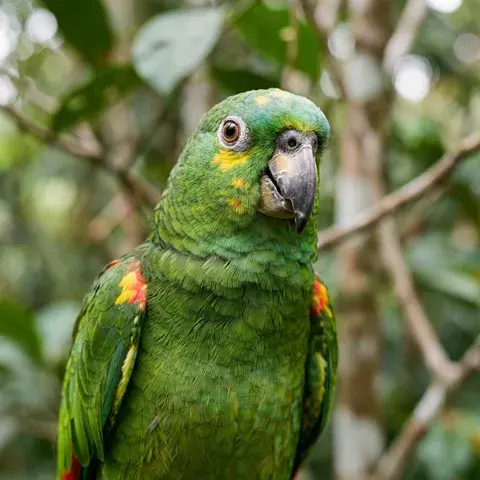
Why wobbling perches, low hand angles, back-petting, and 'earthquake' hand shakes teach parrots to bite harder—and how to read pre-bite micro-signals before the beak ever lands.
In wild parrot flocks, beaks settle territorial disputes in half a second through ritualized bluff displays—almost never drawing blood, because the other bird reads the warning and flies three branches over. In living rooms, however, clipped wings, cornered cages, and misread body language turn mild warnings into painful bites. If you want to learn how to stop a parrot from biting, the golden rule of applied behavior analysis is simple: the only bite that cannot be reinforced is the bite that never happens (Wilson, 2001).
1. First Separate "Balance Grabs" From True Aggression
Roughly a third of "bites" reported by new owners are not aggression at all—they are panicked balance grabs. Parrots use their curved upper mandible as a third climbing foot. When you hold your finger below perch height or too far away, stepping down feels unstable, so your parrot clamps onto skin to test whether your hand will wobble!
Immediate fix: Always offer your hand slightly higher than the bird's feet, close enough for a single effortless upward step, holding your forearm rock-steady.
2. Five Pre-Bite Micro-Signals Most Owners Miss
Because small parrots move 3–4 times faster than humans process visually, try filming one problematic interaction in slow-motion on your phone. You will spot clear polite warnings before every lunge:
- Sudden lowered head tuck: Many owners mistake a suddenly tucked chin during a step-up request for "scratch my head!" In reality, tucking the chin shields vulnerable toes and chest—saying "Do not touch my feet right now."
- Rapid pupil pinning ("flashing") + raised nape feathers: High arousal—especially in Amazons, macaws, and ringnecks—signals overstimulation; pause hands-on handling immediately.
- Slicked-tight body lean away or one lifted foot: Polite request for space; respect it and your bird never learns it needs to draw blood to be heard.
3. Six Practical Rules to End Learned & Hormonal Biting
- Remove dark nesting caves & stop back-petting: Stroking down the back, wings, or tail mimics avian courtship, turning sweet birds into fierce mate-guarders that attack spouses and children. Restrict scritches strictly to head and cheeks, and keep sleep setups free of fabric huts.
- Never pull away yelping or "wobble" your hand: Dramatic yelling entertains bored birds, while intentionally dropping your hand destroys physical trust.
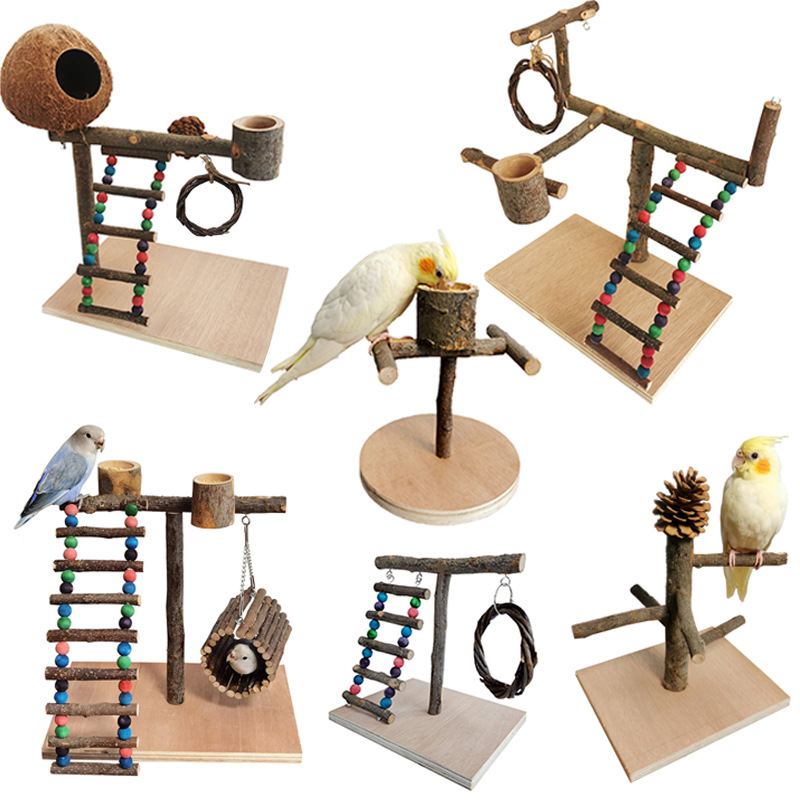
- Switch cage-door exits to a hand-held perch or target stick: Let territorial birds walk out onto a mounted wooden platform perch before asking for a step-up.
- Check treat value by fixing base diet: If your bird's bowl overflows 24/7 with sunflower seeds, rewards hold zero motivation. Base daily meals on pellets and fresh chop, reserving tiny nut slivers strictly for polite step-ups.
- Watch reward timing: If a bird nips your thumb right after stepping up and you still praise and hand over millet 2 seconds later, you just paid for the nip!
- Channel beak energy into shreddables: Hang loofah and corn-husk chew toys where busy beaks belong—see our Foraging Toys Behavior Guide.
Frequently Asked Questions
Why does my parrot love me one minute and bite my neck when my partner walks in?
That is classic redirected displacement aggression: frustrated that it cannot chase the "intruder" away from its chosen mate, your bird bites the nearest skin—yours! Step away from shoulder privileges until station training is solid.
Do dog-style dominance alpha rules work on parrots?
Never—parrots are egalitarian prey flock animals with zero pack-alpha hierarchy. Intimidation only creates fearful, unpredictable biters.