Tracked delivery30-day returns
Evidence-Based Avian Nutrition Standard

Best Lovebird Food: Pellets, Chop & Daily Diet Guide

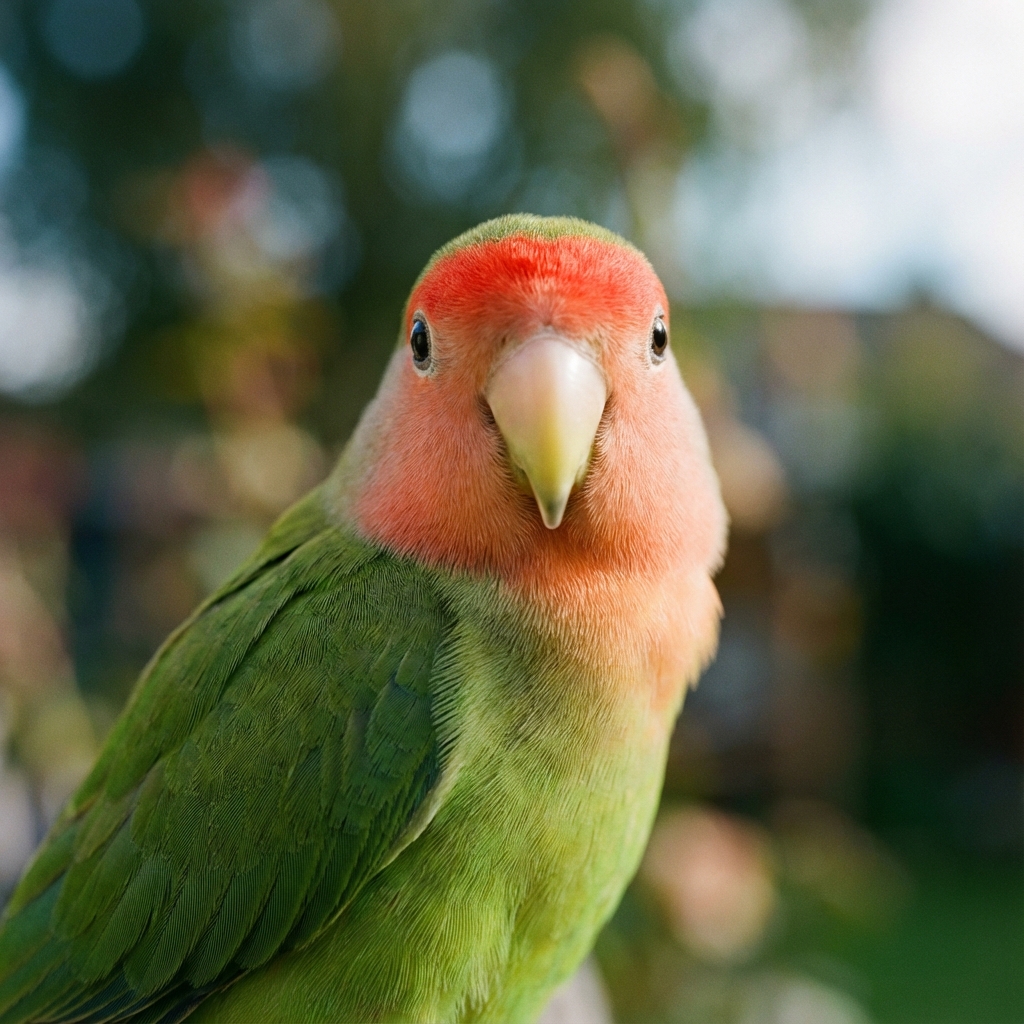
Lovebirds pack fierce jaw strength and strong seasonal breeding instincts into a 50-gram frame. High-fat seed mixes not only cause hepatic lipidosis, they push female lovebirds into relentless paper-shredding, cage aggression, and life-threatening egg binding.

Lovebird portrait

Lovebird Daily Bowl Ratios At-a-Glance

Species-specific pellet, produce, and seed balance (Agapornis roseicollis, fischeri & personatus)

Base Pellets

60% – 65% Small Pellets

Dye-free formulated staple
Fresh Chop & Greens

25% Chop & Sprouted Legumes

Dark leafy & orange veggies
Seed & Nut Cap

10% Max Dry Seed

Reserved for foraging & training
Ideal Pellet Size

Mini / Small (2–3 mm)

Matched to beak leverage

Critical Lovebird Nutrition Rule: Avoid warm mushy mashes and high-fat sunflower mixes—excess energy triggers territorial biting and chronic egg-laying in lovebird hens.

Lovebird Daily Diet Breakdown Table

Exact daily food-group proportions, safe whole-food examples, and bowl hygiene rules.

Daily diet composition and feeding schedule for Lovebirds
Food GroupDaily TargetSafe Top ChoicesServing & Safety Rule
Small Dye-Free Pellets60% – 65%Uncolored mini/small maintenance pelletsFeed crisp and dry to avoid mimicking regurgitated courtship mash.
Crisp Greens & Veggie Chop25%Endive, watercress, broccoli, shredded carrot, radish greens, bell pepperServe raw and crunchy; thread chunks onto stainless skewers for active shredding.
Foraging Seeds10%Millet, canary seed, flaxseed hidden inside paper/loofah foraging toysMake lovebirds chew through natural fibers to earn every seed.
Bird-Safe Feeding & Foraging Setup

Essential Feeding Dishes, Foraging Toys & Nutrition for Lovebirds

Non-porous stainless steel hardware and foraging feeders that turn daily meals into healthy mental enrichment.

Hygiene Essential

Clamp-On Stainless Steel Parrot Feeding Dishes

Non-porous, rust-proof bowls for separate dry pellets and wet morning chop.

Spec: Food-grade stainless steel with cage-bar bolt clamp
  • Prevents bacterial biofilm buildup common in scratched plastic bowls
  • Locks onto cage bars so strong beaks cannot flip wet produce onto floor grates
  • Dishwasher-safe for daily hot-water sanitization
Natural Foraging

Natural Loofah & Corn Husk Foraging Pack

Turn daily dry pellets and seed rewards into active beak work.

Spec: Untreated dried loofah slices, corn husk, and bird-safe fibers
  • Extends feeding time from 15 minutes to hours of healthy foraging
  • Ideal for hiding micro-pellets or training millet during diet conversion
  • Zero synthetic dyes, glues, or zinc hardware
Cognitive Feeder

Interactive Acrylic Foraging Wind Wheel Feeder

Multi-chamber puzzle feeder that prevents bowl boredom and overeating.

Spec: Wipe-clean clear acrylic chambers with cage-mount hardware
  • Lets birds see high-value seeds or nuts while rotating chambers to earn them
  • Slows down rapid seed consumption and stimulates problem-solving
  • Easy to disassemble and rinse between dry meal rotations

Lovebird Nutrition & Pellet Conversion Guide

Using Diet to Curb Hormonal Nesting & Cage Aggression

In wild Agapornis flocks, abundant oily seeds and soft wet foods signal peak breeding conditions. Keeping indoor lovebirds on a crisp 65% maintenance pellet + raw leafy green regimen—paired with zero cozy huts—dramatically reduces territorial lunging and unwanted clutches.

Channeling Shredding Instincts Into Edible Foraging

Lovebirds spend hours stripping bark and grass blades. Threading raw bell pepper rings, kale ribs, and broccoli stems through cage bars or stainless skewers satisfies both micronutrient needs and beak destruction.

Calcium & Vitamin D3 Reserves for Hens

Even single female lovebirds can lay infertile eggs. Ensure steady calcium intake via formulated pellets, dark low-oxalate greens (bok choy, dandelion, collards), and avian UVB lighting.
Dangerous Lovebird Feeding Mistakes & Toxic Foods

Universal avian toxins (avocado, chocolate, caffeine, alcohol, onion, garlic, xylitol, fruit pits) are strictly off-limits—alongside these common lovebird feeding errors:

Feeding warm oatmeal or soft hand-feeding mash to healthy adults

Warm soft textures directly mimic mate regurgitation and trigger immediate hormonal bonding and egg production.

Using open lightweight plastic hooks for food bowls

Clever lovebirds unhook light plastic dishes and dump their meals—use screw-clamp stainless steel bowls.

Offering fruit pits or apple seeds

Apple, pear, cherry, and peach seeds/pits contain cyanogenic compounds toxic to small parrots.

Lovebird Diet Frequently Asked Questions

Can lovebirds eat the same parakeet seed mix as budgies?

Standard parakeet mixes are nutritionally incomplete for both species. Base your lovebird’s diet on small formulated pellets (60%–65%) plus fresh vegetables, using clean grass seeds only as a 10% foraging component.

What vegetables are best for picky lovebirds?

Start with crunchy green vegetables like broccoli florets, snap peas, bok choy stems, and hot chili peppers clipped near their favorite chewing perch.

How much water and food should a lovebird consume daily?

An adult lovebird (45–60g) eats roughly 1.5 to 2 tablespoons of pellets plus 1 tablespoon of chopped greens daily. Refresh water twice a day as lovebirds frequently drop shredded paper into bowls.

Complete Your Lovebird Setup