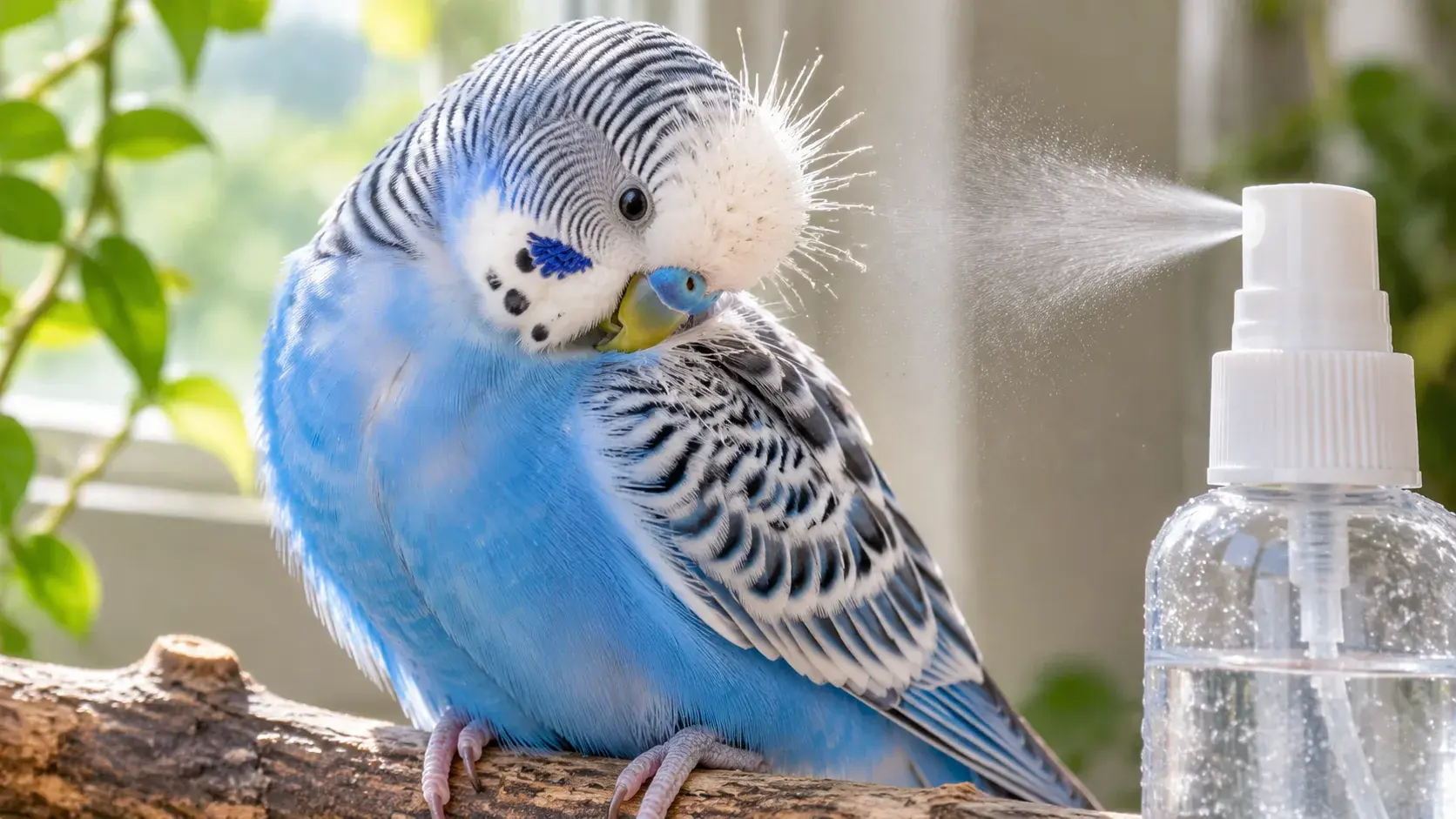
Feathers snowing across the living room and a grumpy, spiky-headed parakeet? Learn how healthy symmetrical budgie molting differs from plucking or PBFD, plus why molting birds need steady warmth and extra amino acids.
Walk up to your cage one morning to find dozens of downy plumes covering the floor and white spiky quills sprouting across your parakeet's forehead, and it is easy to fear disease. Fortunately, budgie molting is a vital, lifelong renewal process. Because feathers are non-living keratin structures that fray with every flight, parrots replace their entire plumage once or twice a year—a metabolic marathon that demands smart nutritional and thermal support.
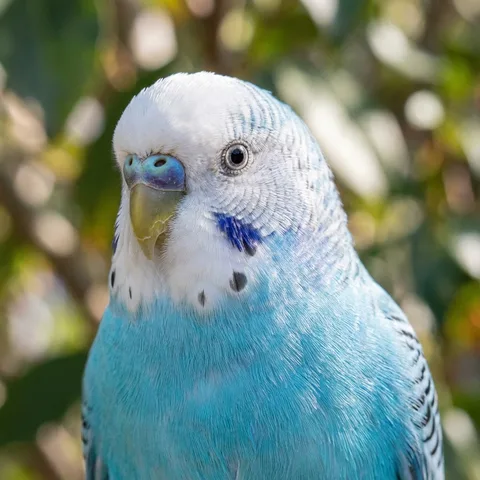
1. Normal Budgie Molt vs Feather Plucking vs PBFD
| Check Point | Healthy Natural Molt | Feather Plucking or Viral Disease |
|---|---|---|
| Bare Skin Patches | Never leaves bald pink skin; thin areas fill immediately with white pin feathers | Exposed bald chest, legs, or underwings; head remains fully feathered in behavioral pluckers |
| Dropped Feather Shafts | Clean, hollow, dry white calamus tip | Chewed, crimped, bloody, or pinched necrotic shaft bases (PBFD screen) |
| Flight Pattern | Symmetrical pair shedding; retains full lift | Sudden inability to fly or mass drop of all tail feathers ("fright molt") |
2. Why Indoor Parrots Sometimes Molt Year-Round ("Chronic Soft Molt")
In nature, seasonal shifts in daylight and temperature trigger thyroid hormone (TSH/T4) and post-breeding prolactin surges that start and finish a crisp 4- to 6-week molt. Indoors, when artificial lights stay on until midnight, sleep schedules drift, and room heaters run nonstop, endocrine cues blur—trapping many pet budgies in exhausting, erratic mini-molts all year long.
3. Four Essential Care Adjustments During an Active Molt
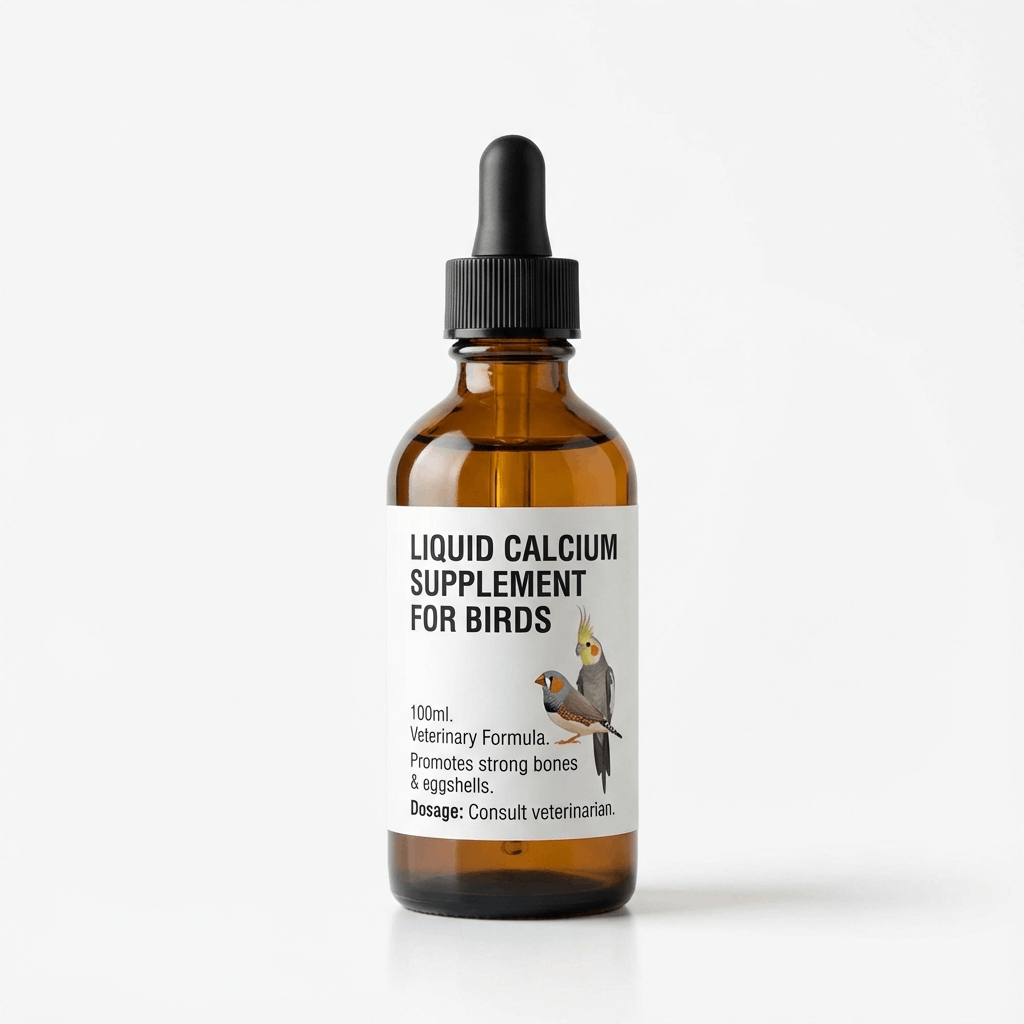
- Upgrade sulfur amino acids, pro-vitamin A & calcium: Feathers are over 85% beta-keratin protein rich in cysteine, methionine, and glycine. Studies show captive budgies build new feathers partly at night by drawing on muscle reserves if evening protein falls short. Pair Organic High-Potency Pellets with dark leafy parrot chop and Liquid Calcium Supplement.
- Protect suppressed immunity with steady temperatures: Active feather synthesis temporarily suppresses avian immune defenses. While healthy non-molting parrots tolerate mild seasonal temperature swings, keep molting budgies in a draft-free, steady 22–26°C (72–79°F) room.
- Offer warm misting or shallow baths every 2–3 days: Lukewarm misting softens stiff keratin sheaths and relieves skin itch without alkaline bird shampoos (which strip natural preen-gland vitamin D3 oils!).
- Hands off tender blood feathers: Growing pin feathers contain live blood vessels and nerve endings—bumping them hurts! Let your budgie rub against natural bark perches at its own pace.
Raising a parakeet flock? Explore our complete Budgie Care & Supplies Hub and pair indoor nutrition with proper UVA/UVB avian lighting.
Frequently Asked Questions
Why is my budgie extra cranky and nippy while molting?
Hundreds of emerging pin feathers prickle whenever feathers shift, and metabolic energy runs low—give extra quiet rest and avoid forced handling until sheaths flake open.
What do I do if a growing blood feather breaks and bleeds?
Apply firm gentle cornstarch or styptic powder pressure (never near eyes/nostrils) and contact an avian vet immediately if active bleeding does not clot within 2–3 minutes—keep supplies ready in your Bird First Aid Kit.