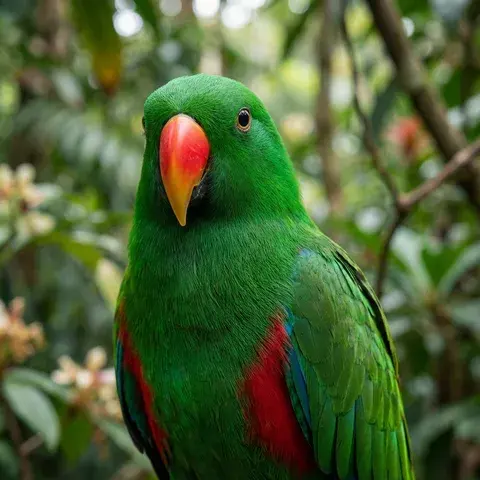
Squeezing a dark pink pin feather hurts like pinching a bruised fingernail! Learn the visual color rule for telling live blood feathers from dry flaky sheaths—and how steam, baths, and bark perches help single birds.
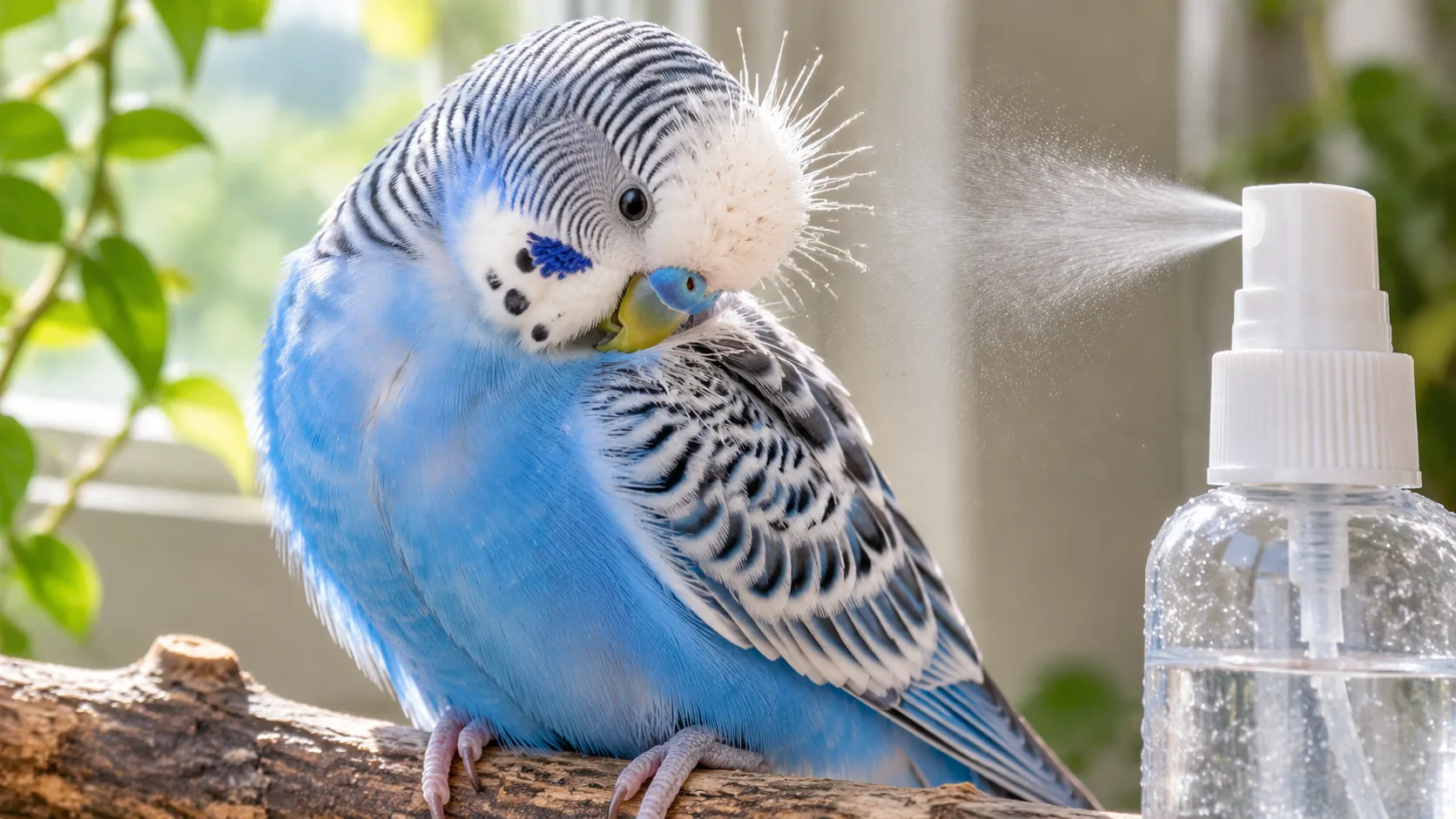
Every new feather your bird grows arrives wrapped inside a protective waxy keratin tube—looking like tiny white or dark porcupine quills across the crown, cheeks, and wings. In wild flocks, bonded companions gently roll dry sheaths off each other's heads during mutual allopreening. For single indoor birds that cannot reach the back of their own neck, understanding parrot pin feathers lets you relieve itchiness without accidentally pinching a painful live blood supply.
1. The Color Rule: Live Blood Feather vs Ready Keratin Sheath
Every developing feather begins as a vascularized blood feather fed by an active artery and nerve pulp rising up from the follicle. Touching it too early causes sharp pain and teaches your bird to snap at your fingers.
| Stage | What the Shaft Looks Like | Safe Action |
|---|---|---|
| Stage 1 — Active Blood Quill | Dark purple, red, or translucent pink base; plump smooth wax coating | Hands off completely! Offer warm mist baths only |
| Stage 2 — Half-Receded Tip | Top 3–4 mm chalky opaque white & feathery tuft peeking out; base still pink | Lightly roll only the very top 2 mm white tip—never pull downward or pinch the base |
| Stage 3 — Fully Matured Dry Pin | Entire visible tube chalky white, brittle, flaking like dandruff | Roll gently between thumb and index fingernail; crumbles effortlessly into white dust |
2. How Single Parrots Open Head Pins Naturally
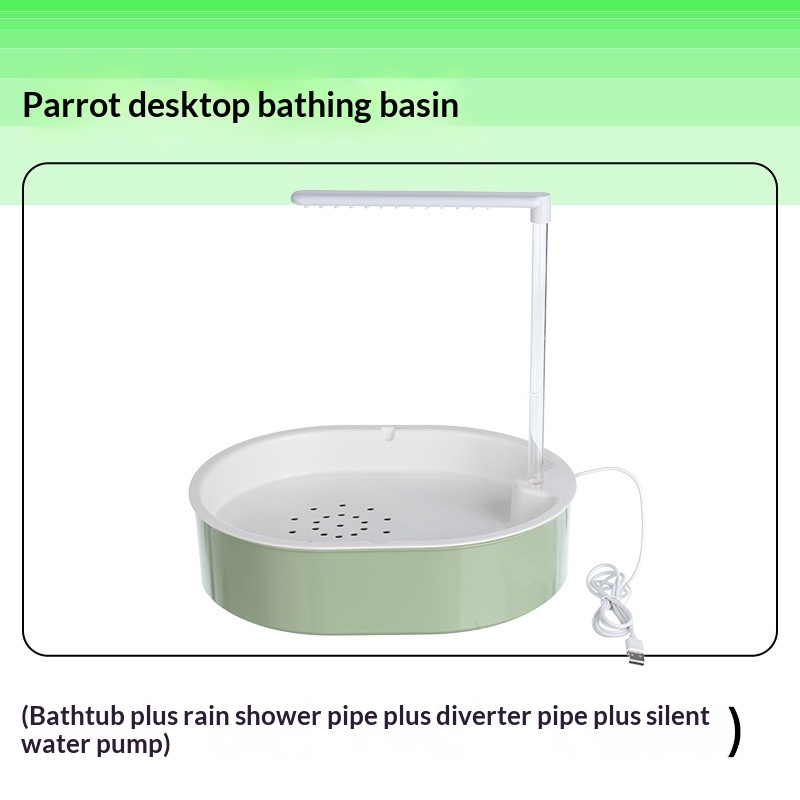
- Lukewarm water misting or circulating fountains: Moisture hydrates brittle beta-keratin sheaths so they split cleanly. Many small and medium parrots love stepping into an Automatic Circulation Fountain Bird Bath during sunny mornings.
- Textured natural bark perches: Rough, non-toxic bark on natural prickly ash branch perches gives single birds a safe scratching post for itchy cheeks—unlike sandpaper perch covers, which abrade delicate foot pads.
- Complete molting nutrition: Slow-opening or malformed sheaths ("retained sheaths") frequently signal low dietary vitamin A or low humidity. Pair orange & dark-green chop with proper UVB exposure and review our Budgie & Parrot Molting Guide.
Frequently Asked Questions
Should I preen pin feathers on my parrot's wings, chest, or back?
No! Leave body and wing pins 100% to your bird—petting down the back or under the wings stimulates reproductive hormones. Only assist with head, cheek, and nape pins your bird cannot reach itself.
Why is white flaky dust covering the bottom of the cage?
That fine white powder is completely normal shed keratin casing (plus powder-down in cockatiels, cockatoos, and African Greys)—wipe surfaces damp daily to keep indoor air clean.