Tracked delivery30-day returns
Evidence-Based Avian Nutrition Standard

Best Budgie Food: Pellets, Chop & Daily Diet Guide

Budgies fed classic supermarket "parakeet seed" routinely develop xanthomas, fatty liver disease, and benign or compressive lipomas across the chest by age four. Transitioning to a superfine formulated pellet base paired with wet leafy herbs routinely doubles healthy active longevity.

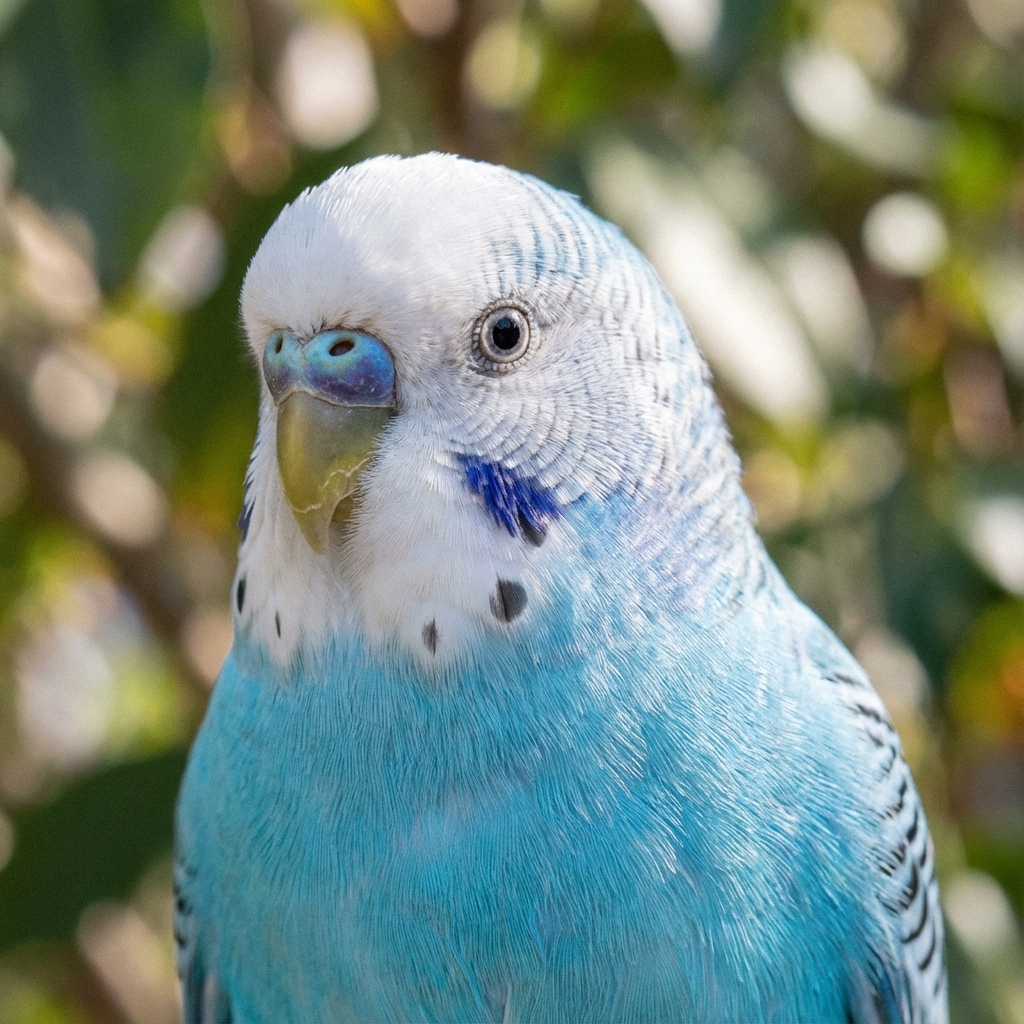
Budgie portrait

Budgie Daily Bowl Ratios At-a-Glance

Species-specific pellet, produce, and seed balance (Melopsittacus undulatus (Parakeet))

Base Pellets

60% Superfine Pellets

Dye-free formulated staple
Fresh Chop & Greens

25% – 30% Leafy Herbs & Chop

Dark leafy & orange veggies
Seed & Nut Cap

10% – 15% Lean Grass Seed

Reserved for foraging & training
Ideal Pellet Size

Micro / Superfine (1–1.5 mm)

Matched to beak leverage

Critical Budgie Nutrition Rule: Pure millet-and-oat seed bags cause lipomas (fatty tumors) and iodine/vitamin A deficiencies—transition gradually using moistened mash.

Budgie Daily Diet Breakdown Table

Exact daily food-group proportions, safe whole-food examples, and bowl hygiene rules.

Daily diet composition and feeding schedule for Budgies
Food GroupDaily TargetSafe Top ChoicesServing & Safety Rule
Superfine Uncolored Pellets60%Cold-milled or extruded micro-pellets free of artificial dyes and added sugarMeasure 1.5–2 teaspoons daily so you can verify actual consumption vs. spilled powder.
Wet Leafy Greens & Veggie Chop25% – 30%Cilantro, parsley, carrot tops, baby spinach (moderation), broccoli buds, grated zucchiniHang wet leafy stems on a stainless clip—budgies bathe on and nibble wet leaves simultaneously.
Sprouted or Dry Grass Seeds10% – 15%Sprouted canary/millet mix, dry training milletSprouting consumes stored seed fat and boosts bioavailable vitamins for easier pellet conversion.
Bird-Safe Feeding & Foraging Setup

Essential Feeding Dishes, Foraging Toys & Nutrition for Budgies

Non-porous stainless steel hardware and foraging feeders that turn daily meals into healthy mental enrichment.

Hygiene Essential

Clamp-On Stainless Steel Parrot Feeding Dishes

Non-porous, rust-proof bowls for separate dry pellets and wet morning chop.

Spec: Food-grade stainless steel with cage-bar bolt clamp
  • Prevents bacterial biofilm buildup common in scratched plastic bowls
  • Locks onto cage bars so strong beaks cannot flip wet produce onto floor grates
  • Dishwasher-safe for daily hot-water sanitization
Natural Foraging

Natural Loofah & Corn Husk Foraging Pack

Turn daily dry pellets and seed rewards into active beak work.

Spec: Untreated dried loofah slices, corn husk, and bird-safe fibers
  • Extends feeding time from 15 minutes to hours of healthy foraging
  • Ideal for hiding micro-pellets or training millet during diet conversion
  • Zero synthetic dyes, glues, or zinc hardware
Complete Catalog

Parrot Pellets, Seed Mixes & Feeding Accessories

Explore daily staple diets, sprouting mixes, and stainless feeding stations.

Spec: Curated companion parrot nutrition essentials
  • Covers small parakeets through large macaws and cockatoos
  • Supports gradual seed-to-pellet conversion routines
  • Backed by species-specific portion and chop checklists

Budgie Nutrition & Pellet Conversion Guide

Peer-Reviewed Budgie Pellet Conversion (Cummings et al., 2022)

Controlled conversion trials in budgerigars show that wetting micro-pellets into a soft cake mixed with familiar seeds—while weighing birds daily—achieves far higher acceptance and safer body-mass stability than simply placing dry pellets beside dry seeds.

Using Wet Herb Bundles to Unlock Vegetable Acceptance

Wild budgies hydrate on morning dew clinging to eucalyptus and grass blades. Clipping dripping-wet cilantro, basil, or dandelion leaves near a favorite perch taps into that instinct, turning vegetablephobic budgies into enthusiastic green eaters within days.

Preventing Lipomas & Hypothyroidism (Iodine Balance)

Unfortified seed mixes are severely deficient in iodine, predisposing budgies to thyroid hyperplasia (goiter—heard as a squeaky wheeze with every breath). Formulated pellets automatically supply safe trace iodine, vitamin D3, and vitamin A.
Dangerous Budgie Feeding Mistakes & Toxic Foods

Universal avian toxins (avocado, chocolate, caffeine, alcohol, onion, garlic, xylitol, fruit pits) are strictly off-limits—alongside these common budgie feeding errors:

Starving a budgie into eating dry pellets overnight

Budgies will literally starve in front of a full bowl of unfamiliar pellets because they do not recognize hard extruded granules as food. Always verify black-and-white coiled droppings and stable gram weights.

Using sandpaper perch covers or gravel grit

Budgies hull seeds cleanly and never need grit; ingested sand causes crop and gizzard blockages.

Allowing unlimited fruit instead of leafy greens

Sugary apples and grapes displace nutrient-dense greens and encourage megabacteria (Macrorhabdus ornithogaster) flare-ups.

Budgie Diet Frequently Asked Questions

How can I tell if my budgie is actually eating its new pellets?

Check the cage paper: a fed budgie passes firm dark green/brown fecal coils with white urates every 15–20 minutes. Dark emerald-liquid or scant black droppings signal fasting—restore familiar food immediately.

Can budgies eat spinach and parsley every day?

Fresh herbs like cilantro, dandelion, and carrot tops can be offered daily; rotate spinach and swiss chard to 1–2 times per week because higher oxalic acid weakly binds dietary calcium.

Should budgies eat pellets, seeds, or both?

Avian nutritionists recommend ~60% dye-free micro-pellets, 25%–30% fresh vegetables/sprouts, and 10%–15% clean grass seeds used for foraging enrichment.

Complete Your Budgie Setup