Why parrots hold grudges after forced grabs—and how cognitive neuroscience, choice-based step-ups, and 5-minute daily 'promise loops' turn a wary bird into a confident companion without creating mate-bonding problems.
Parrots pack primate-like neuron densities into their forebrains (Olkowicz et al., 2016, PNAS), live 15 to 60+ years, and remember individual human faces, voices, and past handling experiences with remarkable precision. Learning how to bond with a parrot means shifting away from dog-style obedience toward an egalitarian "Trust Bank" where every calm promise adds a deposit—and every forced grab makes a costly withdrawal.
1. Friendship Bond vs Unhealthy Mate Pair-Bond
One of the biggest traps in parrot keeping is mistaking hormonal mate obsession for healthy love. When an owner strokes a bird's back, lets it regurgitate onto fingers, or shares warm mushy human food mouth-to-beak, the parrot forms an exclusive sexual pair-bond—leading to frantic separation screaming whenever you leave the room and vicious attacks on every other family member.
| Healthy Flock Friendship | Unhealthy Hormonal Pair-Bond |
|---|---|
| Steps up politely for multiple family members | Lunges at partners, kids, or guests who approach you |
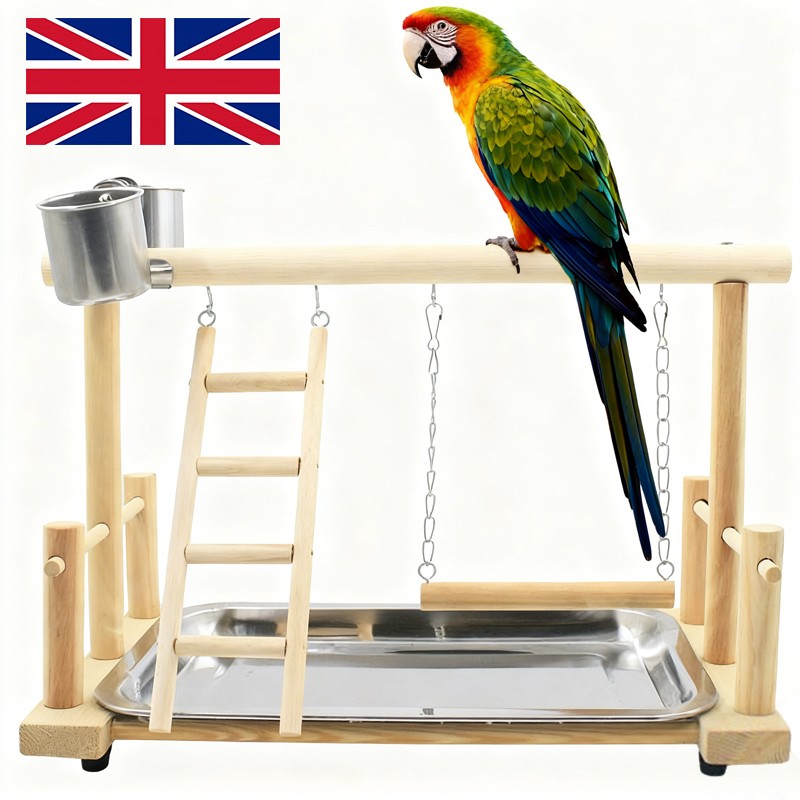
| Plays independently on a desktop playgym with foraging toys | Clings velcro-like to your shirt collar, panting or regurgitating |
| Affection limited to head/cheek scritches & shared games | Full-body cuddling under blankets, shirts, or dark couches |
2. The 10 Core Laws of Human-Parrot Trust
- Never strip away the choice to walk away: Real training only happens when your bird can say "no" without being cornered or toweled (outside urgent medical care).
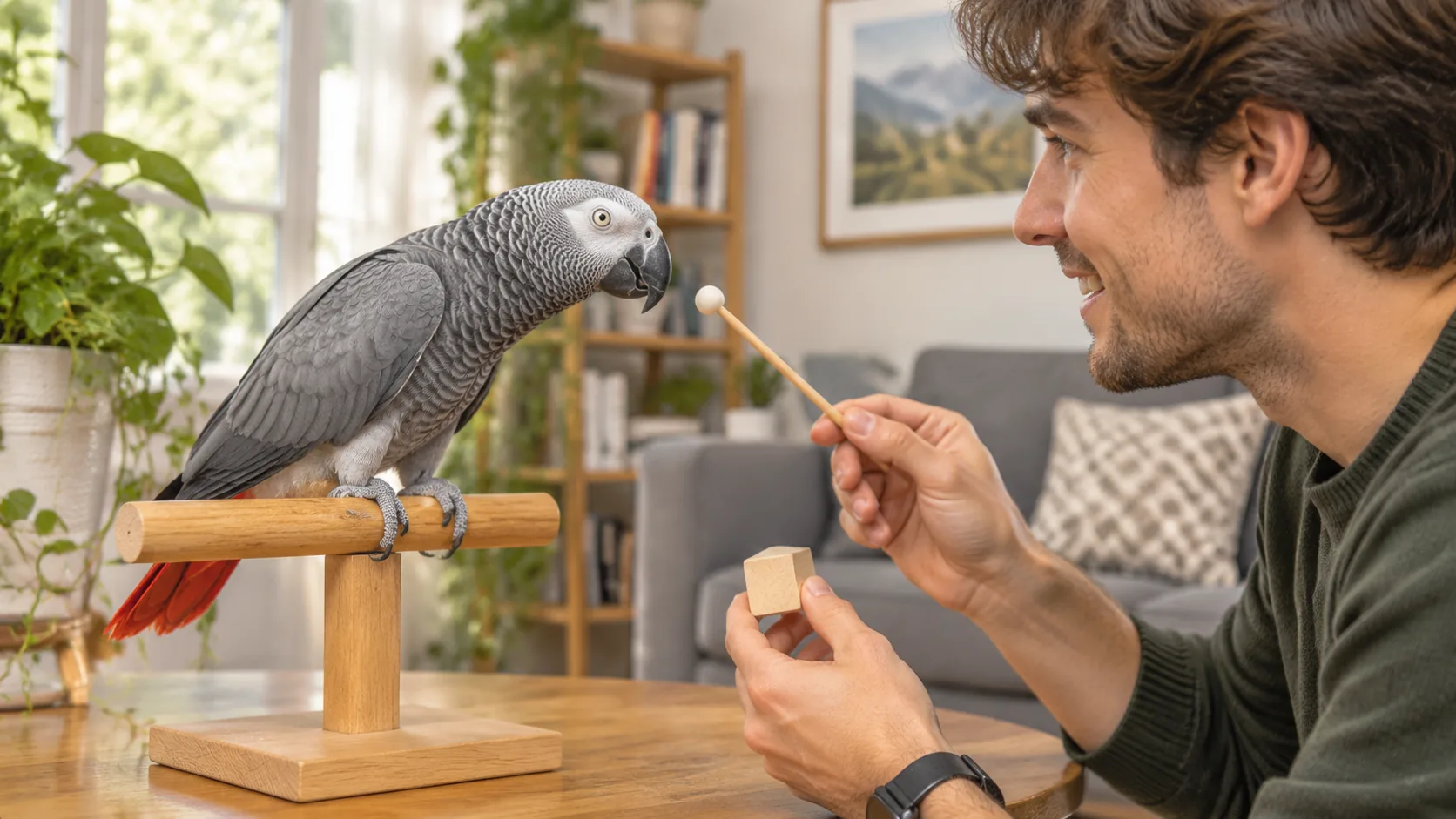
- Keep the 5-minute daily "Promise Loop": Show a small treat, offer your hand slightly above foot height, and deliver the reward the instant your bird steps up—teaching your parrot your hands always keep their word.
- Respect ambient Parallel Time: Shy or newly adopted birds bond fastest when you simply read, type, or eat crisp safe veggies near their cage without staring predator-style straight into their eyes.
- Involve the whole household in high-value treats: Have partners or kids drop favorite almond slivers into a dedicated treat cup while walking past so your bird associates every human face with good news.
- Learn micro-body language before touching: Read feather tension and chin tucks early (see How to Stop a Parrot From Biting).
- Upgrade diet so training rewards actually shine: A bird on balanced pellets and fresh chop lights up for training millet.
- Encourage natural parrot behaviors, not stuffed-toy stillness: Celebrate shredding foraging toys, climbing, bathing, and flying!
- Repair withdrawals calmly after vet visits: Need to give oral meds? Pair syringe practice beforehand with sweet fruit puree so syringes aren't pure trauma.
- Keep predictable sleep & light rhythms: Well-rested birds (10–12 dark hours + daytime UV light) show far steadier moods.
- Think in decades, not weekends: Rescue and parent-raised parrots open up on their own timeline—patience always wins.
Frequently Asked Questions
Are hand-fed baby parrots automatically better bonded than parent-raised birds?
Not necessarily—chicks weaned too abruptly or isolated from bird siblings often develop severe human dependency and adult behavioral issues once puberty hits, whereas well-socialized birds learn healthy boundaries.
Does my parrot recognize me if I wear glasses, a hat, or bright nail polish?
Parrots have tetrachromatic UV vision and spot tiny visual changes immediately! Speak in your normal warm voice before approaching the cage whenever you wear a new hat or bold manicure.